TL;DR
Open a free Amazon Business account
Business pricing, bulk buying and tax-exempt orders.
Create a free accountAs an affiliate, we earn on qualifying purchases.
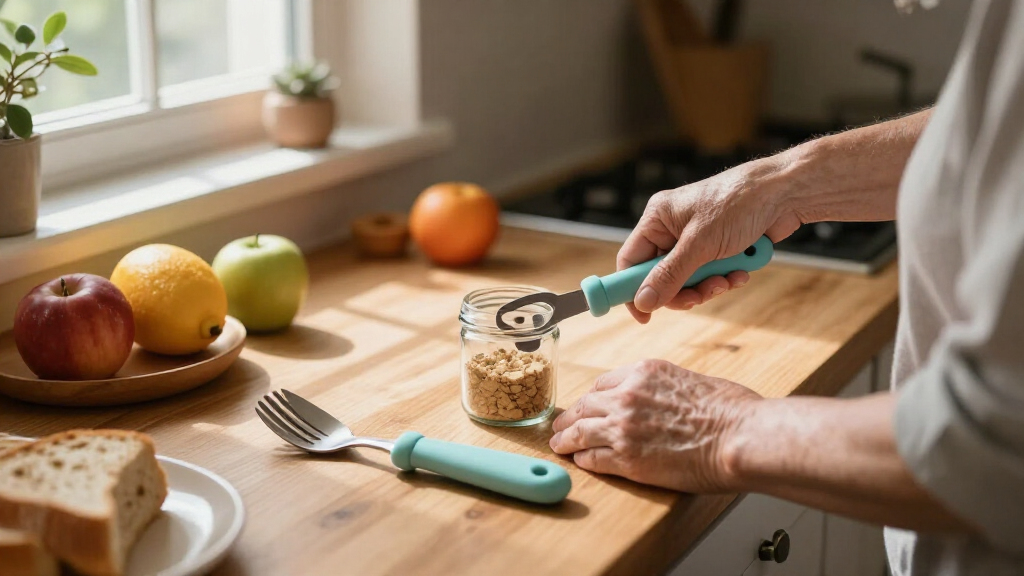
Arthritis makes many kitchen tasks painful and difficult. Simple aids like ergonomic utensils, non-slip mats, and lightweight cookware reduce effort and risk, helping you cook with less pain and more control.
If arthritis has turned your kitchen into a battlefield of stubborn jars, slippery cutting boards, and heavy pots, you’re not alone. Everyday tasks that once felt simple now require extra effort — and sometimes cause pain. The good news? Small changes and specialized aids can make a world of difference.
This guide explores practical kitchen tools and clever modifications designed to ease arthritis pain, improve safety, and help you stay independent in your daily routines. Let’s look at exactly what you can do to turn your kitchen into a friendly, pain-free zone.
Choose kitchen tools with wide, non-slip handles and lightweight construction to reduce grip force.
Store heavy or frequently used items at waist or shoulder height to avoid unnecessary reaching and lifting.
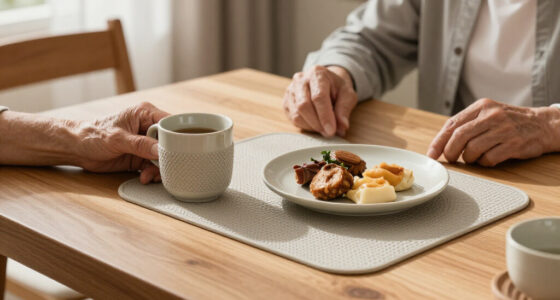
Use non-slip mats and stabilizers to keep bowls and cutting boards steady, cutting down on slips and extra force.
Break down cooking into shorter, manageable steps, and rest frequently to prevent joint fatigue.
Stay current with ergonomic and smart kitchen innovations that combine style with accessibility.
Everyday Kitchen Aids for Arthritis
If arthritis has turned your kitchen into a battlefield of stubborn jars, slippery cutting boards, and heavy pots, you’re not alone. Simple aids like ergonomic utensils, non-slip mats, and lightweight cookware reduce effort and risk — helping you cook with less pain and more control.
How to Choose the Right Kitchen Tools for Your Joints
The right tools reduce force, minimize pinching, and support your joints during use. Imagine cutting a tomato with a narrow, slippery knife — now picture a broad, textured handle that stays firm in your hand. That’s the difference ergonomic design makes. Remember: “ergonomic” isn’t a guarantee — someone with thumb arthritis may need different equipment from someone with shoulder or wrist limitations.
Wide, Cushioned Handles
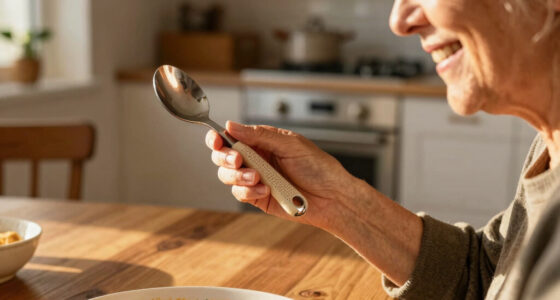
A thick, cushioned handle spreads pressure evenly across the palm, making gripping easier. Look for soft, contoured, or angled shapes instead of narrow, hard grips that concentrate force on painful finger joints.
Lightweight Construction
Lighter tools and cookware reduce the effort needed to lift, move, and maneuver — minimizing joint stress and preventing accidental drops or spills during everyday cooking tasks.
Non-Slip Surfaces
Textured, non-slip grips and bases keep tools steady without a strong stabilizing hold. Less slipping means less force — and less risk of cuts, spills, and burns.
Top 5 Kitchen Aids That Make Cooking Less Painful
Each tool solves a specific problem — but every one comes with tradeoffs worth knowing before you buy.
| Tool | Why It Helps | Benefit | Watch Out |
|---|---|---|---|
| 1Electric Can Openers | Reduce twisting force needed to open cans — especially beneficial for weak or painful wrists. Prevents slips that could cause cuts. | ✓ Minimal wrist strain | ~ Balance use with joint exercises |
| 2Rocker Knives | Slice with a rocking motion that minimizes wrist movement and distributes effort evenly — more control, less strain. | ✓ Even pressure, fewer slips | ~ Takes practice; not for all foods |
| 3Non-Slip Mats & Grips | Secure bowls and cutting boards firmly, removing the need for excessive gripping, pressing, or forceful adjustments. | ✓ Stabilizes workspace | ~ Can clutter if misplaced |
| 4Lightweight Cookware | Lessens effort to lift or move pots and pans — even when full — reducing joint stress, drops, and spills. | ✓ Easier lifting & pouring | ~ May retain heat less well |
| 5Reaching Aids & Pull-Out Shelves | Keep frequently used items within easy reach, reducing bending, stretching, fall risk, and joint strain. | ✓ Less bending & reaching | ~ Upfront install effort |
Where Aids Reduce Effort the Most
The most useful kitchen aids cut the force, precision, repetition, or awkward joint positions a task demands. Here’s how much typical effort reduction each category delivers.
Simple Changes That Reduce Strain
Sometimes the best aid is a small adjustment. Preparing a salad? Place the bowl on a non-slip mat and slide ingredients in — instead of lifting a heavy bowl of greens. Consistency in small adjustments builds a healthier kitchen environment over time.
Store Smart
Keep everyday items between waist and shoulder height — no reaching or heavy lifting.
Downsize
Use smaller containers instead of lifting bulky packages; choose pre-cut ingredients on flare days.
Slide, Don’t Carry
Slide heavy pans and appliances along the counter — it saves your grip and your joints.
Sit & Rest
Prep while seated; break cooking into shorter stages and rest between tasks to prevent fatigue.
Batch & Freeze
Cook on better days and freeze individual portions for the harder ones.
What to Consider When Buying Kitchen Aids
Safety and ease of use come first. Check stability, guarded blades, and controls that require minimal force — then factor in how easily each aid cleans and whether it suits your particular joints and abilities.
Wide, comfortable handle — spreads pressure evenly across the hand.
Non-slip surface & stable base — prevents movement without a strong grip.
Low operating force — minimal pinching, twisting, or repetition.
Lightweight & balanced — easy to maneuver even when full.
Simple, clearly marked controls — large buttons, levers, and touch controls.
Easy cleaning — aids that come apart simply stay safer over time.
Safety features — blade guards, corner guards, automatic shutoff.
Fits your joints — matched to your specific limitations, not generic “ergonomic” claims.
How to Choose the Right Kitchen Tools for Your Joints
Picking kitchen aids that fit your specific needs is key. The right tools will reduce force, minimize pinching, and support your joints during use. For example, a thick, cushioned handle on utensils spreads pressure evenly, making gripping easier. Look for products with wide, non-slip handles and lightweight construction.
Imagine trying to cut a tomato with a narrow, slippery knife — now picture a broad, textured handle that stays firm in your hand. That’s the difference ergonomic design can make. Choosing tools that match your joint limitations can prevent unnecessary strain, reduce fatigue, and decrease the risk of accidental slips or injuries. An ergonomic tool isn’t just about comfort; it directly impacts your ability to maintain independence. Properly selected tools can help you complete tasks more safely and with less pain, promoting longer-term joint health. While some ergonomic aids may be more costly or bulkier, their benefits in reducing joint stress and preventing injury often outweigh these considerations, especially in the context of daily safety and comfort.
ergonomic kitchen utensils for arthritis
As an affiliate, we earn on qualifying purchases.
As an affiliate, we earn on qualifying purchases.
Top 5 Kitchen Aids That Make Cooking Less Painful
| Tool | Why It Helps |
|---|---|
| Electric Can Openers | Reduce twisting force needed to open cans, which is especially beneficial for weak or painful wrists. This not only minimizes joint strain but also prevents slips that could cause cuts or injuries. The convenience encourages independence, but over-reliance might lead to decreased joint strength over time—so it’s important to balance use with joint exercises or other activities to maintain strength. |
| Rocker Knives | Slice through food with a rocking motion, which minimizes wrist movement and distributes effort evenly. This design reduces strain on painful or weak joints and lowers the risk of slips, providing more control. However, mastering the technique may take some practice, and not all foods are suitable for rocking cuts, so understanding when and how to use this tool is crucial for safety and effectiveness. |
| Non-slip Mats and Grips | Secure bowls and cutting boards firmly, preventing slips that require extra force to manage. Stabilizing your workspace reduces the need for excessive gripping, pressing, or forceful adjustments that can aggravate joint pain. The tradeoff is that overusing mats might clutter your workspace if not organized properly, so strategic placement is key to maintaining an efficient, safe kitchen environment. |
| Lightweight Cookware | Lessens the effort needed to lift or move pots and pans, especially when they are full. Reducing weight minimizes joint stress and can prevent accidental drops or spills. However, lightweight cookware may sometimes be less durable or less effective at heat retention. Balancing weight and material quality is necessary to ensure safety, longevity, and consistent cooking performance. |
| Reaching Aids and Pull-out Shelves | Keep frequently used items within easy reach, reducing the need to bend or stretch. This minimizes joint strain and lowers fall risk. The upfront effort to install these aids might be a consideration, and over-reliance on such devices could limit flexibility in kitchen organization. Thoughtful placement and adjustable options can maximize benefits without restricting your ability to reorganize as needed. |
As an affiliate, we earn on qualifying purchases.
Simple Changes in Your Kitchen That Reduce Strain
Sometimes, the best aid is a small adjustment. Store heavy items at waist level, so you don’t have to lift or reach high when your joints are sore. Use smaller containers to avoid lifting bulky packages. When cooking, slide pans instead of carrying them — a trick that saves your grip and joints from extra stress.
Imagine preparing a salad. Instead of lifting a heavy bowl of greens, you place it on a non-slip mat, then slide ingredients in with less effort. Rest between tasks, and break down cooking into manageable steps. These simple strategies cut down on fatigue and joint pain, making daily cooking safer and more enjoyable. While these modifications may seem minor, they can significantly reduce the cumulative strain on your joints over time, helping you maintain a routine without discomfort or injury. Consistency in these small adjustments builds a healthier kitchen environment, supporting your joint health and independence in the long run.
As an affiliate, we earn on qualifying purchases.
Latest Trends in Arthritis-Friendly Kitchen Design
Kitchen innovation now focuses on inclusive design. Many new utensils combine style with accessibility, featuring sleek looks and ergonomic features. Rechargeable electric openers, voice-controlled appliances, and lightweight cookware are growing in popularity.
For example, induction stoves reduce open flames and residual heat, making cooking safer and easier for those with limited grip or dexterity. Adjustable grips and 3D-printed handles can be customized for comfort, providing tailored solutions that accommodate unique joint needs. These advancements aim to enhance safety, independence, and usability. They reflect a shift toward universal design principles, which focus on creating environments accessible to everyone, regardless of physical ability. Embracing these trends not only improves functionality but also fosters a more inclusive kitchen space, empowering users to maintain independence and confidence in their daily routines.
non-slip cutting board for arthritis
As an affiliate, we earn on qualifying purchases.
As an affiliate, we earn on qualifying purchases.
What to Consider When Buying Kitchen Aids for Arthritis
Safety and ease of use are your top priorities. Check if tools stay stable during use, with non-slip bases or grips. Ensure blades are guarded, and controls require minimal force. Heavy items can cause accidents if not properly balanced. Also, consider ease of cleaning — some aids come apart easily, others need special care.
Choosing the right kitchen aids involves understanding both their physical design and their usability. Safety features like non-slip bases or guards are essential to prevent accidents, especially for those with limited joint strength or coordination. Ease of cleaning is equally important; aids that are difficult to clean can harbor bacteria or become unsafe over time. When evaluating products, consider how intuitive their operation is—labels, controls, and mechanisms should be accessible and straightforward. Investing in well-designed, ergonomically sound aids can significantly reduce the risk of accidents, boost confidence, and support your joint health by minimizing unnecessary strain during use. Carefully weighing these factors ensures your kitchen remains a safe, comfortable environment tailored to your needs.
What You Can Do Right Now to Make Cooking Easier
Start with simple modifications. Place non-slip pads under cutting boards and bowls. Use foam tubing around utensil handles for extra grip. Store frequently used items within arm’s reach. Pre-cut vegetables and ready-made ingredients can save time and effort.
Think about your typical cooking routine. Could you add a tall stool to sit while chopping? Or switch to lightweight pots? Small changes, made today, can ease pain and help you enjoy cooking again. These immediate steps may seem minor, but they can have a big impact on reducing joint fatigue and preventing injury. The key is to identify what causes discomfort and address it with simple, practical solutions that can be implemented quickly. Consistently applying these small adjustments creates a safer, more comfortable kitchen environment that fosters independence and reduces joint strain over time.
Frequently Asked Questions
What is the best kitchen aid for arthritic hands?
There’s no one-size-fits-all answer. However, tools like electric can openers, thick-handled utensils, and non-slip mats tend to be broadly helpful. The best aid depends on which joints are most affected and your personal preferences.
How can I open jars without hurting my hands?
Start by breaking the vacuum seal, then use a non-slip pad under the lid or opt for a lever-style or electric jar opener. Avoid forcing lids with excessive twisting, which can strain your joints.
Are electric kitchen gadgets better than manual aids?
Electric gadgets often reduce effort and strain, especially for chopping or opening containers. But they can be heavier, more expensive, and sometimes harder to clean. Choose what fits your comfort and needs best.
What cookware is best for arthritis?
Look for lightweight, two-handled pots and pans with comfortable grips. Avoid heavy, bulky cookware that becomes difficult to lift when filled. Lightweight options lessen joint strain and improve safety.
How can I safely drain boiling water?
Use a pan with a locking lid or a handled colander to lift hot liquids. Avoid carrying full pots, and place the colander securely in the sink for draining. These methods prevent spills and reduce risks.
Conclusion
With a few thoughtful changes and the right tools, you can reclaim your joy in cooking. It’s about more than convenience — it’s about preserving your independence and dignity. Remember, even small adjustments can make a big difference.
Imagine a kitchen where every pot, pan, and tool feels just right — safe, comfortable, and supportive. That’s the goal. Start today, and turn your kitchen into a space that works for your joints, not against them.
Fall Picks
fall essentials
As an affiliate, we earn on qualifying purchases.