TL;DR

Turn quiet afternoons into listening time
- Thousands of audiobooks, podcasts and originals
- Listen on your phone, tablet or Echo — also offline
- Cancel anytime
Limited mobility doesn’t have to keep you indoors. This guide shows you how to plan outdoor outings that fit your energy and comfort, ask the right questions before you go, choose suitable mobility aids, and discover activities beyond hiking. Start with small, flexible plans and prioritize your enjoyment over perfection.
The last time you tried to plan a picnic, you gave up before you even found the car keys. The trail you loved ten years ago is now a mountain of roots and rocks. But here’s the thing: limited mobility doesn’t mean you have to say goodbye to the outdoors. It just means you need a different map.
This guide will help you plan outings that fit your energy, comfort, and preferences. We’ll cover how to pick the right activity, what to ask before you go, and the gear that can make a real difference. Whether you want to sit by a lake, stroll through a garden, or simply enjoy your own backyard, you’ll find practical steps to make it happen.
Start with what the person enjoys, not the equipment—choose outings that match their preferences and energy.
Always call ahead and ask specific questions about surface, slope, restrooms, and parking—accessibility is route-specific.
Plan for flexibility: short visits, rest stops, and a backup plan for fatigue or weather changes.
Choose mobility aids based on the terrain—standard wheelchairs struggle on gravel, but all-terrain wheelchairs and scooters can help.
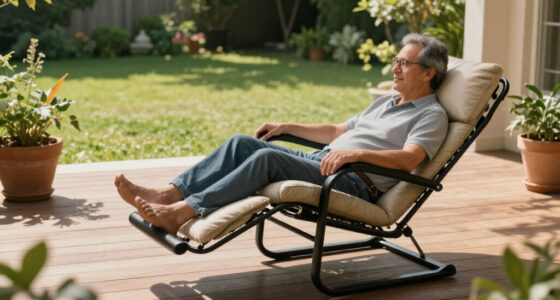
Outdoor enjoyment includes gardens, picnic areas, accessible fishing piers, and even your own backyard—not just hiking trails.
What Do You Actually Want to Do? Start There
Before you think about wheelchairs, scooters, or walking poles, ask yourself one question: what kind of outing sounds enjoyable to you? Maybe you want to sit by the water and watch the ducks. Perhaps you’d love to visit a botanical garden, try bird-watching, or take a short, paved trail. Or maybe camping is your dream, even if it’s just for an afternoon.
Your answer shapes everything else, and that’s not just a practical matter—it’s a matter of dignity and joy. Distance, terrain, fatigue, pain, balance, transfer needs, bathroom access—all these factors depend on what you’re aiming for. For example, a 20-minute stroll on a flat, paved path is very different from a 2-hour hike on uneven ground. Needs vary widely from person to person, so avoid treating “limited mobility” as one single experience. The tradeoff is real: a more ambitious goal might offer a bigger sense of achievement, but a modest one might be more sustainable and leave you with energy to repeat it. There’s no wrong answer, only what serves you best on a given day.
Start with a simple conversation with yourself or your loved one. Ask: “What would make this outing comfortable and fun?” Write down the answers. You might be surprised that the simplest desires—like feeling the breeze on your face—are the ones that matter most. The deeper implication is that when you honor your preferences, you’re more likely to feel in control and less like a passive recipient of care. That sense of agency is as important as the physical activity itself.
Products Worth Considering

Bose SoundLink Plus Portable Bluetooth Speaker, Black

Philips Hue Festavia Globe Outdoor String Lights, 8 Bulbs, 22 ft

Philips Hue Smart LED Candle Bulbs, B39, E12, 2-Pack
As an affiliate, we earn on qualifying purchases.
The 10 Questions to Ask Before You Go
“Accessible” can mean different things to different people. A park might advertise wheelchair access, but the path could be gravel or steep. Always call ahead and ask specific questions to avoid unpleasant surprises. According to A Daily Zone, accessibility is route-specific—an accessible entrance doesn’t guarantee the whole site is navigable. This is why each question matters: they reveal the hidden tradeoffs between convenience and enjoyment. For instance, a paved path might be easiest to navigate, but it could be boring or lack shade; a gravel path might be more scenic but harder to push through. Knowing the surface type helps you weigh the effort against the reward.
- What is the surface type? Is it paved, gravel, dirt, or grass? Why it matters: This determines whether your mobility device can handle it and how much energy you’ll expend.
- What is the slope and width of the path? Why it matters: Steep slopes can be exhausting or dangerous, and narrow paths might not accommodate a wheelchair or scooter.
- How long is the trail or route? Why it matters: This lets you plan rest stops and decide if it’s realistic given your stamina.
- Is there accessible parking and a drop-off area near the entrance? Why it matters: Minimizing the walk from car to trailhead can save energy for the actual experience.
- Are there rest areas, benches, shade, or shelter along the way? Why it matters: These allow you to pause and enjoy, not just endure.
- Are the restrooms open and usable? Are they accessible? Why it matters: Bathroom access is a basic need that can make or break an outing.
- Are there entry fees, reservations, or closures I should know about? Why it matters: Avoid surprises that could turn a planned trip into a disappointment.
- Can my mobility device (wheelchair, scooter, walker) handle the route? Why it matters: This is the practical test of compatibility.
- Is there cell coverage, and how far is the nearest help? Why it matters: In case of emergency, you need to know your options.
- Are there any construction or maintenance issues right now? Why it matters: Conditions change; a recent closure could ruin your plan.
Photos, maps, and recent visitor reports can supplement official information, but conditions change. A quick phone call can save you from a frustrating trip. Remember, “paved” doesn’t always mean easy—cracks, drainage, and width matter too. The deeper point is that these questions aren’t just about logistics; they’re about setting realistic expectations so you can focus on enjoyment rather than problem-solving on the spot.
Plan for Your Energy, Not the Weather
A short, flexible visit is often more enjoyable than an ambitious itinerary. Match your outing to your energy level on that specific day, not to what you think you “should” do. Fatigue, pain, and balance can vary from day to day, so build in flexibility. The tradeoff is between pushing through to achieve a goal and honoring your body’s signals to preserve the experience. Pushing too hard might lead to exhaustion or injury, while being overly cautious might mean missing out. The key is to find a balance that leaves you feeling satisfied, not depleted.
Plan rest stops every 15–20 minutes, even if you feel fine. Bring water, any needed medication, and a snack. Have an alternative plan if weather, pain, or fatigue makes the original idea difficult. For example, if you planned a 2-hour garden tour but feel tired after 30 minutes, you might sit on a bench and enjoy the view instead—that’s still a win. This flexibility isn’t a failure; it’s a sign of self-awareness and good planning. The implication is that you’re in control, not the itinerary.
Companion support can help, but many people prefer to plan for independence where possible. If you’re a caregiver, ask before offering help. Let the person set the pace. Dignity and choice matter as much as practical access. A simple “Would you like me to push you, or do you prefer to go at your own pace?” goes a long way. The deeper reason is that when someone feels they have autonomy, they’re more likely to engage fully and enjoy the moment. Forcing help, even with good intentions, can undermine that.
Choosing the Right Mobility Aid for the Terrain
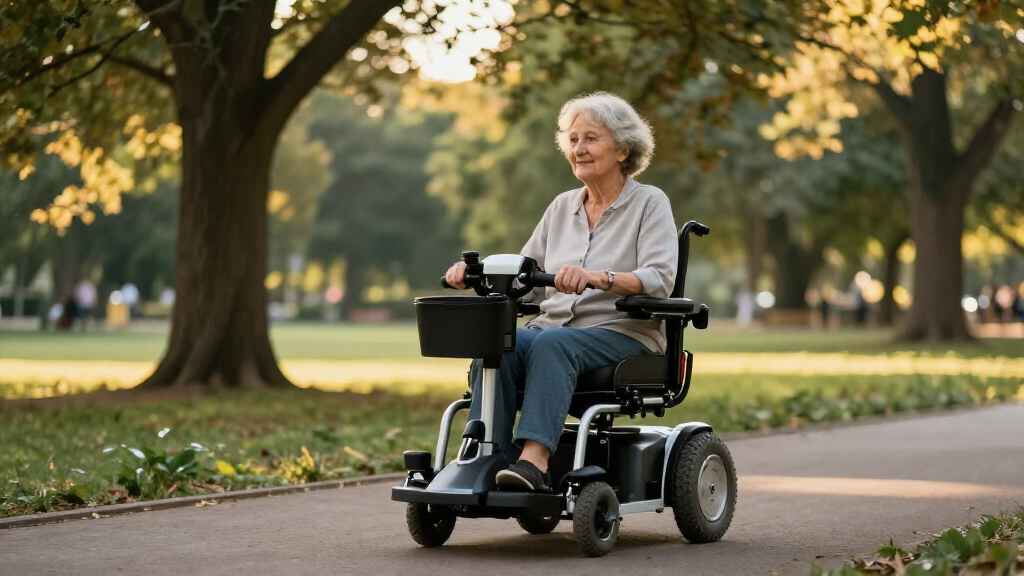
Depending on the person and the setting, useful options include a mobility scooter, power chair, all-terrain wheelchair, walking poles, a cushion, sun protection, and a phone for emergencies. Equipment should suit the terrain and the user; outdoor mobility devices are not automatically appropriate for every path. The tradeoff is between maneuverability and comfort: a standard wheelchair is easy to transport but struggles on rough ground, while an all-terrain chair can handle more but is heavier and may require assistance. A scooter reduces fatigue but might not fit on narrow trails. Understanding these tradeoffs helps you match the tool to the task, not just to the person’s general needs.
| Mobility Aid | Best For | Terrain | Pros | Cons |
|---|---|---|---|---|
| Standard wheelchair | Paved paths, indoor spaces | Flat, smooth surfaces | Lightweight, easy to transport | Gets stuck on gravel, grass, or sand |
| All-terrain wheelchair | Outdoor trails, beaches, uneven ground | Grass, gravel, dirt, sand | Wide wheels, durable, handles rough terrain | Heavier, may require assistance to push |
| Mobility scooter | Long distances on paved paths | Paved, flat surfaces | Battery-powered, reduces fatigue | Not suitable for steep slopes or soft ground |
| Walking poles | Balance support on short walks | Firm, even surfaces | Lightweight, improves stability | Limited help on rough terrain |
For unfamiliar equipment, advice from a clinician, rehabilitation professional, or experienced supplier may be useful. Many parks and recreation areas now offer all-terrain wheelchairs for loan or rent, but availability, eligibility, and cost vary. Always check ahead. The deeper implication is that the right equipment can be a gateway to independence, but it’s not a one-size-fits-all solution. Trying a device in a real environment, or borrowing one, can reveal practical issues that specs don’t capture—like how it feels to push, how it turns, or how it handles a curb. That’s why it’s worth investing time in research and testing, not just buying the first option.
Outdoor Fun That Doesn’t Require a Trail
Outdoor access can mean a paved path, a picnic area, a garden, a beach viewing platform, a wildlife observation point, an accessible fishing area, a boat ride, or simply spending time outdoors close to home. You don’t have to hike a mountain to enjoy nature. A butterfly garden can be just as magical as a summit view. The tradeoff is between the effort of travel and the richness of the experience. A nearby garden might be less novel but more feasible, while a distant scenic overlook might be a once-in-a-while treat. The key is to recognize that every outing has value, regardless of its scale.
Consider these options: many parks have accessible nature centers with large windows and bird feeders. Botanical gardens often have smooth, wide paths and plenty of benches. Beaches may offer beach wheelchairs and accessible boardwalks. Even a simple drive to a scenic overlook can give you that feeling of being outdoors. The implication is that nature is not a single activity but a spectrum of sensory experiences—the sound of water, the smell of pine, the sight of wildflowers—and you can access them in many ways. This broadens your choices and reduces the pressure to “perform” a certain kind of outdoor activity.
Think about what brings you joy—the sound of water, the smell of pine, the sight of wildflowers. Then find a place that offers that experience without requiring a strenuous hike. Inclusion means having a range of activities, not just one “accessible” option. And remember, your own backyard or balcony can be a perfect outdoor retreat on days when travel feels too much. The deeper point is that redefining what counts as “outdoors” can be liberating; it allows you to celebrate small moments and reduces the sense of loss that often accompanies mobility changes.
How to Help Without Taking Over
Practical access matters, but so do privacy, respectful assistance, and the freedom to decide how much help to accept. Avoid treating disabled people as inspirational merely for participating. Focus on choice, enjoyment, and removing barriers. The tradeoff is between being helpful and being overbearing: offering assistance can be kind, but assuming someone needs help can be patronizing. The key is to ask, not assume, and to respect the answer.
If you’re a family member or friend, here’s how to offer help gracefully: ask before pushing a wheelchair, let the person set the pace, and don’t assume they need assistance just because they’re using a mobility aid. For example, your mom might want to push her own wheelchair, even if it takes longer. That’s her right. The implication is that help should be an option, not an obligation. When you offer help without pressure, you communicate respect and trust—which strengthens the relationship.
Also, be aware of the language you use. Instead of saying “You’re so brave for getting out,” say “I’m glad we could enjoy this together.” Dignity comes from being treated as a whole person, not as a symbol of perseverance. When planning, involve the person with limited mobility in every decision—from where to go to how long to stay. That’s the true spirit of inclusion. The deeper reason is that language and behavior shape how a person feels about themselves; when you focus on their strengths and preferences, you reinforce their sense of identity beyond their disability.
Frequently Asked Questions
How can I find accessible parks and trails near me?
Start by searching online for ‘accessible parks’ or ‘wheelchair-friendly trails’ in your area. Many park websites now include accessibility guides with photos and measurements. You can also call the park directly and ask about specific routes, restrooms, and parking. Local disability organizations often maintain lists of accessible outdoor destinations.Can I use a standard wheelchair on grass or gravel?
Generally, no. Standard wheelchairs have small wheels that easily get stuck on soft or uneven surfaces. For grass, gravel, or sand, consider an all-terrain wheelchair with wider, knobby tires. Some parks and beaches offer these for loan or rent. If you’re unsure, call ahead and ask about the surface conditions.What should I bring for a short outdoor outing?
Bring water, any medications you need, a snack, a hat and sunscreen, and a fully charged phone. A small cushion can make sitting more comfortable. If you use a mobility aid, make sure it’s in good condition. Also, pack a light jacket—weather can change quickly. And always let someone know where you’re going.Are there adaptive equipment rentals available?
Yes, many parks, recreation centers, and medical supply companies offer adaptive equipment rentals, including all-terrain wheelchairs, mobility scooters, and beach wheelchairs. Availability varies by location, so it’s best to call ahead and reserve. Some organizations offer them free of charge, while others charge a fee. Check with your local parks department or disability services.How can I help a family member with limited mobility without being overbearing?
Ask first. Simply say, ‘Would you like help with that?’ and respect their answer. Let them set the pace and make decisions about the outing. Avoid taking over tasks they can do themselves. Focus on being present and enjoying the experience together, rather than focusing on what they can’t do.Conclusion
Limited mobility changes the route, not the destination. With a little planning, you can still feel the sun on your face, hear the birds sing, and breathe in the fresh air. The key is to start small, ask the right questions, and give yourself permission to enjoy what you can—not what you think you should.
So pick one outing this week. It could be a short walk to a neighborhood park, a drive to a scenic overlook, or just sitting on your porch with a cup of tea. Make it yours. You deserve to be outdoors, and you can make it happen.