
TL;DR
Get ready for Prime Big Deal Days — try Prime free
Exclusive member deals on October 6–7, plus fast free delivery. Cancel anytime.
Start your free trialAs an affiliate, we earn on qualifying purchases.
Outdoor ramps and handrails improve safety and accessibility. Modern materials, smart features, and compliance with standards help create durable, attractive solutions for safer steps. Regular maintenance keeps them in top shape.
Imagine stepping outside and feeling confident that your path is safe, even if you’re navigating with a walker or wheelchair. That’s the power of well-designed outdoor ramps and handrails. They’re not just functional—they’re a lifeline for independence and peace of mind.
Whether you’re a homeowner planning for aging-in-place or a caregiver looking to improve safety, understanding the essentials of ramp and handrail design can transform your outdoor space. Here’s what you need to know to make steps safer, more accessible, and built to last.
Follow ADA slope guidelines: 1:12 for safe, accessible ramps.
Choose weather-resistant materials like aluminum or composite for durability.
Regular maintenance prevents slips, rust, and structural issues.
Smart lighting enhances safety during evening hours.
Professional installation guarantees compliance and safety.
Outdoor Ramps and Handrails for Safer Steps
A well-designed route turns an uncertain entrance into a reliable path to independence. The right slope, secure handrails, weather-resistant materials and regular care make outdoor access safer for wheelchair users, people with walkers, older adults and everyone carrying daily loads.
Safety infrastructure that restores confidence
Ramps and handrails do more than bypass stairs. They create predictable support, reduce exposure to falls and let people move through daily routines with less dependence on caregivers or emergency assistance.
Stable movement
A gentle incline, secure anchoring and a non-slip surface reduce instability on steps, uneven ground and wet approaches.
Everyday autonomy
Accessible entry helps wheelchair and walker users leave home, receive visitors and complete routines with greater dignity.
Aging in place
Thoughtful access planning can prevent costly retrofits while supporting changing mobility needs for years to come.
The geometry of a safer ramp
A 1:12 slope means a one-inch vertical rise requires twelve inches of horizontal run. Measure the full entrance rise before choosing a layout, and confirm local code requirements before construction.
Choose for climate, grip and upkeep
Initial price is only one part of the decision. Exposure to rain, salt, ultraviolet light and freezing conditions can make corrosion resistance and surface traction more valuable over the ramp’s lifespan.
| Material | Durability | Maintenance | Cost profile | Best application |
|---|---|---|---|---|
| Aluminum | High Rust and corrosion resistant |
Low Clean and inspect periodically |
Moderate upfront investment | Wet, humid or coastal settings |
| Composite | Very high Resists weather, UV and wear |
Minimal Easy-clean textured surface |
Higher initial price | High traffic with low-upkeep goals |
| Steel | Moderate Strong but vulnerable to rust |
Moderate Coating and corrosion checks |
Lower upfront price | Heavy-duty use with planned care |
| Wood | Variable Climate and treatment dependent |
Higher Seal, inspect and repair |
Flexible by design and species | Residential designs prioritizing warmth |
A compliant ramp in three stages
Accurate planning comes first. A professional installer can account for structural loads, landings, drainage, rail continuity and local requirements that may extend beyond general accessibility guidance.
Measure and map
Record the total rise, calculate the run at 1:12 and allow enough space for safe landings and direction changes.
Select the system
Match the material and layout to weather exposure, surface traction, drainage, expected traffic and the home’s style.
Anchor and verify
Secure the ramp and rails, confirm clear width and handrail height, then inspect the entire route for movement or slip risks.
The four-point safety check
Inspect every few months and after severe storms, freezing conditions or any impact to the structure.
Clear and clean the route
Remove leaves, algae, snow and debris that reduce traction.
Test every handrail
Check for movement, loose fasteners and weak anchor points.
Look below the finish
Find cracks, corrosion, rot or coating failure early.
Confirm nighttime visibility
Test fixtures, sensors and illumination at each transition.
Visibility extends protection after dark
Motion-activated LEDs, solar fixtures and dusk-to-dawn controls illuminate slope changes, landings and edges without requiring someone to operate a switch.
Light the transitions first
Prioritize the top and bottom landings, turns, doorway thresholds and any point where the ramp meets a path. Use shielded, even lighting to improve visibility without creating glare.
From thoughtful design to everyday independence
Before building: verify current local building and accessibility codes. Site conditions, public-use requirements, landings, edge protection and maximum ramp runs may affect the final design.
Why Outdoor Ramps and Handrails Are Essential for Safety
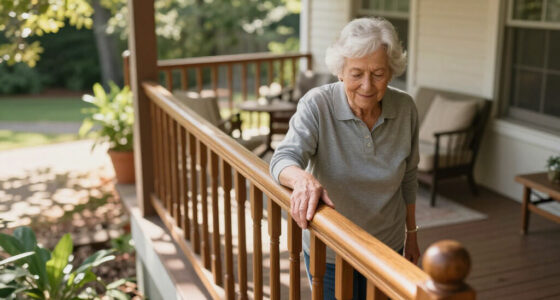
Outdoor ramps and handrails aren’t just additions—they’re safety essentials. They dramatically lower the risk of falls, which are among the leading causes of injury for older adults and those with mobility issues. Falls on stairs or uneven surfaces can result in fractures, head injuries, or even more severe trauma, especially in vulnerable populations. Installing a properly designed ramp with sturdy handrails provides a stable, secure pathway that minimizes these risks.
Beyond injury prevention, these features influence a person’s confidence and independence. For someone with limited mobility, the presence of a well-constructed ramp and supportive handrails can mean the difference between feeling trapped indoors or confidently navigating their environment. They also promote dignity by enabling individuals to maintain autonomy in daily routines without reliance on others or emergency services.
Failing to include these safety features can lead to increased medical costs, higher emergency response rates, and a diminished quality of life. The long-term implications underscore why thoughtful design and installation are investments that pay off through enhanced safety, independence, and peace of mind.
As an affiliate, we earn on qualifying purchases.
How to Choose the Right Material for Your Outdoor Ramp
Choosing the right material for your outdoor ramp is more than a matter of appearance—it directly impacts the ramp’s longevity, safety, and maintenance needs. Each material offers distinct advantages and tradeoffs that can influence your decision based on climate, budget, and aesthetic preferences.
For instance, aluminum and composite materials are favored because they inherently resist rust and corrosion, making them ideal for humid or coastal environments where moisture can quickly degrade other materials. Steel, while historically popular for its strength and cost-effectiveness, requires protective coatings and regular maintenance to prevent rust, especially in areas exposed to salt or high humidity. The choice of material affects not only durability but also the overall safety—slippery or degraded surfaces due to neglect can lead to accidents.
Understanding these tradeoffs helps you prioritize what matters most: initial cost, long-term maintenance, or aesthetic appeal. For example, investing in composite might mean higher upfront costs but results in less ongoing maintenance and consistent safety performance. Conversely, opting for steel might be more budget-friendly initially but could incur higher expenses over time if maintenance is neglected. Making an informed choice ensures your ramp remains a safe, reliable feature that supports mobility and independence for years to come.
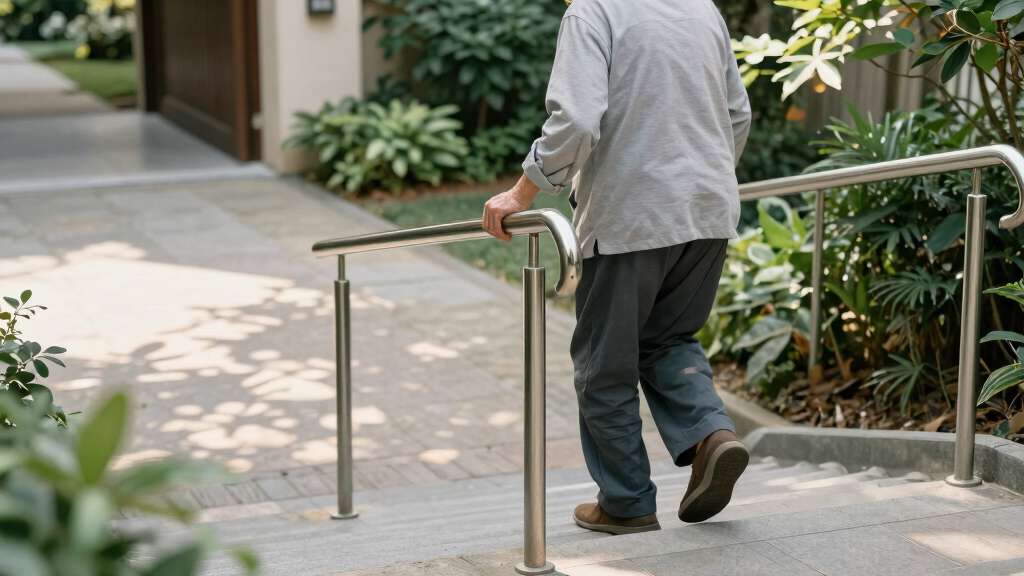
weather-resistant handrails for stairs
As an affiliate, we earn on qualifying purchases.
As an affiliate, we earn on qualifying purchases.
Comparison of Ramp Materials
| Material | Durability | Maintenance | Cost | Best For |
|---|---|---|---|---|
| Aluminum | High; resistant to rust and corrosion, ideal for outdoor exposure | Low; periodic cleaning and inspections suffice to maintain integrity | Moderate; initial investment balanced by longevity | Weather-resistant environments where durability is a priority |
| Composite | Very high; extremely resistant to weather, UV rays, and wear | Minimal; surface remains non-slip and easy to clean over time | Higher; reflects its premium durability and low upkeep | High-traffic outdoor areas needing long-term reliability with minimal maintenance |
| Steel | Moderate; vulnerable to rust without protective coating | Moderate; requires regular coating, cleaning, and inspections | Lower; affordable upfront but potentially higher maintenance costs | Heavy-duty applications where controlled maintenance is feasible |
As an affiliate, we earn on qualifying purchases.
Installing a Ramp That Meets Safety Standards in 3 Easy Steps
- Measure the height and decide on the slope—remember, ADA recommends a 1:12 ratio. For every inch of rise, the ramp should be at least 12 inches long. Proper measurement ensures safety and comfort, preventing the ramp from being too steep or too flat, which can cause instability or inconvenience.
- Select the right materials and design. Consider weather resistance, slip resistance, and aesthetic compatibility with your home. Choosing the right design helps prevent accidents caused by slippery surfaces or poor grip, especially in wet conditions.
- Hire professionals or follow detailed guides to install securely, anchoring handrails at the right height (34-38 inches) and ensuring a non-slip surface. Proper installation not only ensures safety compliance but also extends the lifespan of the ramp and handrails, reducing future repair costs and hazards.
As an affiliate, we earn on qualifying purchases.
Smart Features That Make Outdoor Ramps Safer at Night
Adding lighting to your ramp isn’t just convenient—it’s a safety upgrade. Motion-activated LED lights or solar-powered fixtures illuminate the path, reducing trip hazards after sunset. Sensors can even alert you if someone uses the ramp unexpectedly.
Imagine walking your dog at dusk, with soft lights guiding your steps. These features make outdoor spaces safer and more welcoming, day or night.
In addition, smart lighting can be programmed to turn on automatically at dusk and off at dawn, ensuring the ramp is always lit when needed without manual operation. This automation not only enhances safety but also conserves energy, making your outdoor space both safer and more eco-friendly.
Maintenance Tips to Keep Your Ramps Safe Year-Round
Regular upkeep preserves safety and appearance. Clear debris, check for rust or loose handrails, and clean textured surfaces to maintain grip. A quick inspection every few months can catch issues before they become hazards.
For example, in snowy climates, shoveling and applying non-slip salt keeps the ramp safe during winter storms. Consistent care ensures your outdoor steps stay reliable and secure.
Beyond basic cleaning, it’s crucial to inspect the structural integrity of your ramp regularly. Look for developing cracks, loose bolts, or signs of corrosion that could compromise safety. Addressing these issues promptly prevents accidents and extends the life of your ramp. Remember, a well-maintained ramp isn’t just about appearance—it’s about ensuring ongoing safety and support for those who depend on it daily.
Frequently Asked Questions
What is the best material for outdoor ramps that last long?
Aluminum and composite materials are top choices for outdoor ramps due to their resistance to rust and weather damage, requiring less upkeep over time.How do I know if my ramp complies with safety standards?
Check local building codes and ADA guidelines. Focus on slope ratio (1:12), width (minimum 36 inches), handrail height (34-38 inches), and slip-resistant surfaces.Can I install a ramp myself, or should I hire a professional?
While DIY kits are available, professional installation ensures the ramp meets all safety and compliance standards, providing peace of mind and durability.How often should I inspect and maintain my outdoor ramp?
Perform a visual check every 3-6 months, cleaning surfaces and tightening hardware. Address rust or damage promptly to keep it safe year-round.Are there aesthetic options available for ramps and handrails?
Absolutely. Modern designs include decorative finishes, colors, and curved handrails that match your home’s style while maintaining safety.Conclusion
Investing in quality outdoor ramps and handrails isn’t just about meeting codes—it’s about creating a space where everyone feels confident and safe. Think of it as giving your home a lasting gift of accessibility and dignity.
When you choose the right materials, follow safety standards, and keep up with maintenance, your outdoor steps become a trusted part of your daily life. That simple upgrade can make all the difference in comfort and independence—every step you take.
Fall yard work Picks
leaf blowers
As an affiliate, we earn on qualifying purchases.