TL;DR
Prime for Young Adults — start your free trial
Fast free delivery, streaming and member deals for eligible 18–24 year olds.
Try it freeAs an affiliate, we earn on qualifying purchases.
Picking the best non-slip bath strips is about matching materials, adhesion, and coverage to your bathtub. Regular replacement and maintenance keep your bathroom safe and slip-free.
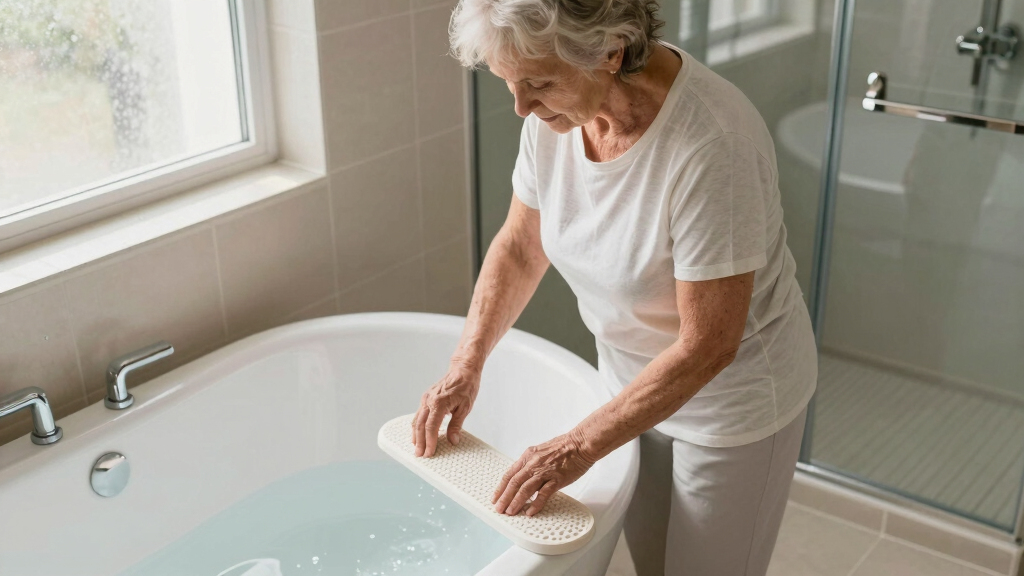
Imagine stepping into your bathtub with confidence, knowing your feet won’t slip on a slick surface. That’s the power of the right non-slip bath strips. If safety in your bathroom matters—especially for seniors or little ones—understanding what makes a good strip can make all the difference.
In this guide, you’ll learn how to pick the perfect strips, what recent innovations are changing the game, and practical tips to keep your bathroom slip-proof. Let’s turn your tub into a safe zone—one strip at a time.
Choose strips made from textured silicone or rubber for the best grip and mold resistance.
Thoroughly clean the bathtub surface before applying strips to ensure they stay in place longer.
Regularly check for wear and replace strips every 6-12 months to maintain safety.
Consider recent innovations like antimicrobial coatings and smart features for added safety and convenience.
Matching the strip material and adhesion method to your tub’s surface makes a big difference in effectiveness.
How to Choose Non-Slip Bath Strips
Match material, adhesion and coverage to your tub—not just the bathroom décor. The right strips create reliable wet-surface grip while remaining comfortable, cleanable and secure.
Great grip is a system: the right strip, on the right surface, installed the right way.
Choose grip you can trust—and comfortably stand on
Waterproof silicone, rubber and textured PVC are the main options. Look for a tactile pattern that feels slightly rough or raised without becoming abrasive under bare feet.
Silicone
Raised bumps provide strong wet grip, excellent flexibility and good resistance to mold. Particularly effective on smooth acrylic tubs.
Rubber
Softer underfoot with dependable traction. It may degrade sooner when exposed to harsh cleaners or persistent moisture.
Textured PVC
Affordable and widely available, but grip quality varies. Watch closely for cracking, stiffness, peeling and smooth worn patches.
Quick decision: Choose silicone for durability and mold resistance, rubber for a softer feel, or PVC when budget matters more than long service life. Prioritize non-toxic materials for children and sensitive skin.
Which strip fits your bathroom best?
Surface compatibility matters as much as the strip itself. Smooth acrylic, porcelain and fiberglass usually accept bath strips well, but textured floors may weaken suction or adhesive contact.
| Feature | Silicone | Rubber | PVC |
|---|---|---|---|
| Wet grip | ✓ HighRaised texture maintains reliable traction. | ✓ GoodComfortable grip, though soap may reduce performance. | ~ ModerateHighly dependent on pattern quality. |
| Durability | ✓ ExcellentHandles water and routine cleaning well. | ~ GoodMay soften or degrade with harsh cleaners. | ✗ FairMore prone to peeling, cracking and hardening. |
| Mold resistance | ✓ StrongEspecially with antimicrobial treatment. | ~ VariableRequires regular drying and cleaning. | ~ VariableEdges can collect residue and moisture. |
| Curved surfaces | ✓ FlexibleConforms well with fewer exposed gaps. | ✓ FlexibleSuitable for gentle contours. | ✗ LimitedStiffer products may lift at the edges. |
| Best for | Long-term safety and low-maintenance bathrooms. | Comfort-focused households and bare-foot softness. | Temporary coverage or tightly controlled budgets. |
✓ Strong fit ~ Check product and surface ✗ Higher maintenance risk
Make sure every strip stays put
Adhesion fails when soap film, oil, moisture or trapped air interrupts contact. Treat surface preparation as part of the safety product—not an optional extra.
Clean
Use a non-abrasive cleaner to remove soap scum, oil and residue.
Rinse
Remove all cleaner film; a diluted vinegar wash can help on glossy tubs.
Dry
Wait until the entire application area is completely moisture-free.
Press
Apply firm, even pressure and push out air pockets from center to edge.
Test
Gently tug each strip and check every edge before using the tub.
The edge test
If a fingernail can easily lift an edge—or the strip shifts under a gentle tug—reapply or replace it before bathing.
Keep protection working after installation
Rinse away residue, avoid aggressive chemicals and allow strips to air-dry. Replace immediately when texture becomes smooth, edges peel, cracks appear or adhesion weakens.
What’s changing
Antimicrobial coatings
Help inhibit mold and bacterial growth in humid bathrooms.
Improved adhesion
New suction and adhesive formulas better resist water and soap buildup.
Drainage channels
Direct water away from the standing surface to reduce pooling.
Eco-conscious materials
Recyclable, non-toxic and biodegradable options are increasingly available.
Smart indicators
Emerging designs can signal when cleaning or replacement is due.
From product choice to safer footing
Before you buy
- Check compatibility with acrylic, porcelain, fiberglass or textured surfaces.
- Measure the standing and entry zones rather than relying on strip count.
- Look for non-toxic materials and recognized ASTM or CE safety information.
- Confirm whether strips may be trimmed without weakening their edges.
Replace immediately if…
- An edge curls, lifts or catches underfoot.
- The textured surface feels noticeably smoother.
- Cracks, stiffness, discoloration or trapped mold appear.
- The strip shifts during a gentle hand test.
What Materials Make Non-Slip Bath Strips Safer and More Comfortable?
Choosing the right material is the first step in selecting effective bath strips. Rubber, silicone, and textured PVC are the top options because they’re waterproof, durable, and provide grip even when wet. For example, silicone strips with raised bumps grip better on smooth surfaces like acrylic tubs, preventing slips even with soap residue.
Look for strips that are non-toxic and free from harmful chemicals, especially if you have sensitive skin or children. The texture should feel slightly rough but not abrasive—imagine the difference between a soft rubber mat and a gritty sandpaper.
Recent innovations include silicone with mold-resistant properties, which stay cleaner longer and resist mildew buildup. This is especially helpful if your bathroom tends to stay humid, reducing the chance of mold growth on your strips.
Understanding why material choice matters is key: the right material can greatly influence safety by providing consistent grip, even when wet or soapy. Conversely, a poor choice—like a slick plastic—may look similar but can become slippery, increasing fall risk. The tradeoff often comes down to cost versus longevity: silicone tends to be more expensive but offers superior durability and safety, while PVC might be cheaper but needs more frequent replacement. Selecting the optimal material depends on balancing safety, budget, and maintenance preferences.
As an affiliate, we earn on qualifying purchases.
How to Make Sure Your Bath Strips Stay Put — Easy Installation Tips
- Clean the bathtub thoroughly with a non-abrasive cleaner. Soap scum and dirt weaken adhesion, which directly impacts how well the strips stay in place. Failing to clean properly can result in early peeling or slipping, defeating their safety purpose.
- Dry the surface completely—water or residual moisture can interfere with suction or adhesive effectiveness. This step ensures maximum contact and grip, which is crucial for strips to function as intended.
- Press the strips firmly onto the tub, ensuring all suction cups or adhesive backing are fully engaged. Applying consistent pressure helps eliminate air pockets or gaps that could cause the strips to loosen over time.
- Test the grip by gently tugging on the strips after installation. This step confirms they’re securely in place, providing peace of mind before stepping into the tub.
- Reapply or replace if they start to peel or lose grip over time. Regular checks prevent accidents caused by loose strips, especially in high-use bathrooms.
For example, if your bathtub has a glossy, smooth surface, take extra care to clean with a vinegar solution for better adhesion. This helps remove any residual oils or soap scum that can compromise grip. Regularly inspecting strips isn’t just about maintenance; it’s a proactive safety measure. Loose or worn strips can become hazards, so understanding when to replace them is essential for ongoing safety.
As an affiliate, we earn on qualifying purchases.
Compare Common Non-Slip Bath Strips — Which One Fits Your Bathroom Best?
| Feature | Silicone Strips | Rubber Strips | PVC Strips |
|---|---|---|---|
| Grip Power | High, textured bumps grip well, even when wet, providing reliable slip resistance that is crucial for safety. The textured surface also helps disperse water, reducing pooling that can cause slips. | Good, slightly softer feel enhances comfort and provides decent grip, but may not be as effective on very smooth surfaces or with soap residue. The softer material can sometimes wear faster, impacting safety over time. | Moderate, depends on pattern and surface texture. While budget-friendly, PVC tends to offer less consistent grip, which may necessitate more frequent replacements to maintain safety standards. |
| Durability | Excellent, mold-resistant, and capable of withstanding frequent exposure to water and cleaning agents without degrading, making it a long-term safety investment. | Good, but can degrade over time, especially if exposed to harsh cleaners or prolonged moisture, potentially reducing its safety effectiveness. | Fair, prone to peeling or cracking with age or aggressive cleaning, which can compromise safety and necessitate earlier replacement. |
| Ease of Installation | Suction cups make repositioning easy and secure, but require a smooth surface for optimal adhesion. Proper installation is key to ensuring they stay in place. | Adhesive-backed, simple to stick, but adhesive strength varies with surface cleanliness and texture. Repositioning may weaken adhesion over time. | Suction or adhesive options, but these can be less reliable depending on surface conditions. Ensuring proper installation is vital for safety. |
| Design Flexibility | Flexible, conforms well to curved surfaces, providing more comprehensive coverage and reducing slip zones. This flexibility enhances safety by minimizing gaps. | Flexible but less so, which might limit coverage on complex surfaces, potentially creating unprotected areas that could be slip hazards. | Moderate, some stiff options available, which may not mold as well to curved surfaces, possibly leaving gaps that compromise safety. |
Choosing between these depends on your tub’s surface and your maintenance preferences. Silicone is often the most durable and mold-resistant, providing long-term safety benefits. Rubber offers a softer, more comfortable feel but may require more frequent replacement. PVC is budget-friendly but less durable, making it suitable for temporary or less critical applications. Weighing these factors helps you select a strip type that balances safety, longevity, and ease of maintenance, directly impacting your bathroom’s slip resistance and overall safety.
As an affiliate, we earn on qualifying purchases.
What Are the Latest Innovations Making Bath Strips Safer and Easier to Use?
Recent advances in non-slip bath strips focus on enhancing safety, ease of cleaning, and sustainability. Silicone strips with antimicrobial coatings are a significant innovation—these coatings inhibit mold and bacteria growth, which not only keeps the strips cleaner but also reduces potential health hazards in humid environments. This directly translates to fewer cleaning chores and a safer surface for your feet.
Stronger suction cups and advanced adhesive formulas are also game-changers. They resist soap scum buildup and maintain their grip longer, which is crucial because a loose strip can quickly become a slipping hazard. The improved adhesion technologies reduce the need for frequent reapplication, saving time and effort while maintaining safety standards.
Eco-friendly options are gaining traction, with biodegradable strips made from recyclable materials. These options appeal to environmentally conscious consumers, and their safety benefits extend to reducing chemical exposure and waste. They are designed to meet safety standards while minimizing environmental impact.
For tech enthusiasts, smart strips equipped with sensors are emerging. These sensors can monitor cleanliness, alert you when cleaning or replacement is needed, and even track usage patterns. Such innovations help prevent safety lapses caused by unnoticed wear or neglect, ensuring consistent slip resistance and overall bathroom safety.
“Innovation in non-slip strips now prioritizes durability, eco-friendliness, and smart features, all without compromising safety.” — A Daily Zone
As an affiliate, we earn on qualifying purchases.
Key Facts Every Shopper Should Know Before Buying
- Safety First: Falls in bathrooms account for nearly 80% of injuries among seniors. Proper non-slip strips cut that risk dramatically, but understanding the nuances—like material grip and installation—is vital to truly enhance safety.
- Installation Tips: Clean thoroughly with vinegar or a gentle cleaner before applying to maximize adhesion. Proper preparation ensures the strips stay in place longer, preventing accidents caused by loose or peeling strips.
- Replacement Schedule: Change strips every 6-12 months, or when they show signs of peeling or less grip. Regular replacement is essential because worn strips lose their slip-resistant properties, directly increasing fall risk.
- Cost Range: Affordable options go from as low as $5, while premium silicone strips with extra features can cost up to $20. Investing in higher-quality strips often results in better safety and longer lifespan, making it a cost-effective choice over time.
- Certifications: Look for products with safety certifications like ASTM or CE for quality assurance. Certified products have undergone testing to meet safety standards, providing peace of mind and a reliable safety upgrade.
Your Burning Questions About Non-Slip Bath Strips Answered
Q: How do I keep strips sticking longer? Clean the surface well before applying, press firmly, and avoid soap or oils on the strips. Check regularly. Proper preparation and ongoing maintenance prevent loosening, which is critical for continuous safety.
Q: Can I cut strips to size? Many are flexible and can be trimmed, but verify with the manufacturer first. Some may lose effectiveness if altered, so understanding the material’s properties is important to avoid compromising safety.
Q: Are eco-friendly options safe? Yes, biodegradable strips are non-toxic and free from harmful chemicals, making them a good choice for sensitive skin and the environment. Their safety is backed by regulatory standards, but ensure they meet safety certifications for maximum reliability.
Q: How often should I replace them? Every 6-12 months, or sooner if signs of wear appear. Regular inspection and timely replacement are essential for maintaining slip resistance and preventing accidents.
Q: Will they work on my bathtub surface? Most work on acrylic, porcelain, and fiberglass tubs—check the product label for specifics. Compatibility depends on surface texture and material, so verifying before purchase helps ensure safety and effectiveness.
Conclusion
Slip-resistant bath strips are a simple yet powerful way to boost safety in your bathroom. Regular inspection and choosing the right material make all the difference in preventing falls. Think of them as tiny safety anchors—every step in your bath should be firm and secure.
Remember, a safer bathroom isn’t just about peace of mind. It’s about reclaiming confidence in every step, every bath. So, pick wisely, install carefully, and enjoy the peace of a slip-free zone.
Fall Picks
fall essentials
As an affiliate, we earn on qualifying purchases.