TL;DR
Play games included with Prime
Start a Prime free trial and play with Amazon Luna on your devices.
Start playingAs an affiliate, we earn on qualifying purchases.
Walk-in showers and tubs both improve bathroom safety, but each suits different needs. Walk-in showers are more space-efficient and easier to clean, while walk-in tubs offer therapeutic features and seated bathing. Your choice depends on bathroom size, mobility needs, and budget.
If you’ve ever struggled with stepping over a high bathtub edge or worried about slipping in the shower, you’re not alone. The bathroom can be a tricky spot for safety, especially as we age. Choosing between a walk-in shower and a walk-in tub isn’t just about style — it’s about safety, comfort, and independence.
This guide breaks down the key differences, recent innovations, and what you should consider before making your choice. Whether you want a sleek shower or a spa-like tub, knowing the facts will help you pick what’s best for your home and health.
Walk-in showers are more space-efficient, easier to clean, and generally less expensive than walk-in tubs.
Walk-in tubs offer therapeutic features like jets and heated surfaces, ideal for health benefits and seated bathing.
Recent innovations include anti-slip surfaces, digital controls, and integrated safety features, making both options safer and smarter.
Your choice depends on bathroom size, mobility needs, and budget — there’s no one-size-fits-all.
Proper installation and regular maintenance are key to maximizing safety and longevity for either option.
Walk-In Shower vs Walk-In Tub
Both can make bathing safer and more independent. The better fit comes down to how you move, how much room you have, and whether fast access or seated therapy matters most.
Two paths to safer bathing
The safest solution is the one that matches the user’s balance, strength, transfer ability, and comfort. Both options still need slip resistance, stable grab points, proper drainage, and professional installation.
Walk-In Shower
A streamlined, flexible choice for smaller rooms and users who can bathe standing or on an added bench.
- Low or zero-threshold entry reduces tripping
- Easier wheelchair access with correct sizing
- Fewer seals and components simplify cleaning
- Modern appearance and broad customization
Walk-In Tub
A supportive option for people who need a fixed seat, secure handrails, warm soaking, or hydrotherapy.
- Side door eliminates climbing over a tub wall
- Built-in seat supports stable, seated bathing
- Jets and heated surfaces can ease discomfort
- Greater space, maintenance, and budget demands
Where each option wins
Use this comparison as a screening tool. Individual mobility and transfer needs should outweigh aesthetics alone.
| Decision factor | Walk-In Shower | Walk-In Tub |
|---|---|---|
| Entry | ✓ Low or no threshold | ✓ Watertight side door |
| Seated bathing | ~ Bench must be integrated or added | ✓ Built-in upright seat |
| Small bathrooms | ✓ Compact and adaptable | ✗ Larger fixed footprint |
| Cleaning | ✓ Fewer crevices and mechanisms | ~ Seals, jets, and door need attention |
| Therapy | ~ Warm spray and body jets possible | ✓ Soaking, whirlpool, heat, chromotherapy |
| Upfront cost | ✓ Generally lower | ✗ Higher with plumbing and electrical work |
| Wait time | ✓ Enter and exit immediately | ~ Door stays closed while filling and draining |
| Best suited to | Space-conscious users seeking easy access | Users prioritizing seated support and therapy |
Cost ranges are typical planning estimates; plumbing, finishes, electrical work, structural changes, and local labor can materially change the total.
Start with mobility—not style
A practical decision moves from physical needs to room constraints, then to cost and upkeep. Finish selection comes last.
Assess movement
Can the user stand, pivot, transfer, and maintain balance without strain?
Measure space
Confirm clear floor area, door swing, plumbing locations, and caregiver access.
Set priorities
Rank quick access, seated bathing, therapy, cleaning, and water efficiency.
Price the whole job
Include demolition, waterproofing, plumbing, electrical work, and maintenance.
Relative planning profile
Directional scores based on typical installations; a longer bar indicates more of the named quality.
Typical cost spectrum
The shower occupies the lower end; premium walk-in tubs extend beyond the standard scale.
Build safety into the design
Recent innovations make both formats smarter and more comfortable, but core physical safeguards remain more important than novelty features.
Slip resistance
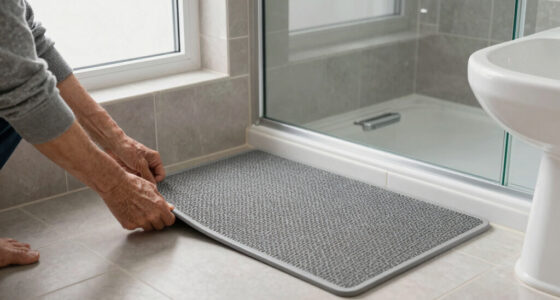
Specify textured flooring with reliable wet traction. Keep surfaces clean so residue does not defeat the finish.
Grab support
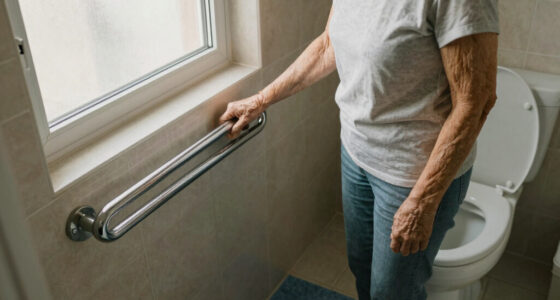
Install reinforced grab bars at entry, transfer, standing, and seating points—not decorative towel rails.
Stable seating
Use a properly rated bench or built-in seat with room for safe transfers and handheld shower access.
Temperature memory
Digital presets and anti-scald valves reduce temperature shocks and make controls easier to manage.
Heat and jets
Whirlpool jets, heated surfaces, and warm soaking may support comfort, circulation, and muscle relaxation.
Fast drainage
Quick-drain tubs reduce the time a user must remain seated while water empties; efficient fixtures limit waste.
Good outcomes are connected
A safe product can still underperform when sizing, installation, cleaning, or daily use breaks the chain.
The right answer is personal
There is no universal winner. Prioritize the option that removes the user’s most significant barrier without creating a new one.
Choose a shower for a compact footprint, faster access, simpler cleaning, and a generally lower project cost.
Choose a tub when fixed seating, secure immersion, warmth, and therapeutic features are the priorities.
Specify the fundamentals: anti-slip surfaces, reinforced grab bars, safe controls, good lighting, and drainage.
Plan beyond purchase price. Include installation complexity, water use, cleaning effort, repairs, and future mobility.
Protect the investment with professional installation, regular seal checks, descaling, and prompt surface cleaning.
Test the experience. Confirm reach, seat height, entry clearance, and caregiver access before final selection.
What makes a walk-in shower or walk-in tub safe for seniors?
Walk-in showers and tubs both improve safety, but they do it differently. Walk-in showers often feature a low or no threshold, which reduces the risk of tripping, especially for those with limited mobility or balance issues. The textured, slip-resistant flooring provides traction underfoot, significantly decreasing the chances of slips that can lead to falls — a leading cause of injury among seniors. Moreover, grab bars strategically placed near entry points and within the shower area offer stability support, giving users confidence to move safely.
Walk-in tubs, on the other hand, incorporate a door that opens wide for easy access, eliminating the need to step over a high edge. Sitting on a built-in seat reduces the risk of losing balance during entry and exit. The inclusion of handrails and textured surfaces further enhances safety by providing secure points of contact and reducing slipperiness. These features are especially beneficial for users with joint pain or limited strength, as they facilitate seated or assisted bathing. The overall implication is that both options, when equipped with these safety features, can significantly lower fall risks—though the choice depends on individual mobility levels and preferences. The tradeoff is that walk-in tubs may require more space and maintenance, which can impact their practicality in smaller bathrooms.
As an affiliate, we earn on qualifying purchases.
How much space do you need? Walk-in shower vs walk-in tub
Size matters more than you might think when choosing between a walk-in shower and a walk-in tub. Walk-in showers are designed with efficiency in mind; they typically fit into smaller bathrooms, measuring around 36 inches square or larger, but even compact models are available that can fit into tight spaces such as apartments or small bathrooms. Their straightforward design means they can be installed without extensive remodeling, making them a practical choice for limited spaces.
Walk-in tubs, on the other hand, are inherently larger due to their built-in seat, door, and the tub basin itself. They generally require a space of at least 60 inches in length and 30 inches in width. This size allows for the comfortable seating and therapeutic features they often include. However, in small bathrooms, installing a walk-in tub can feel like a squeeze, potentially crowding the space and affecting movement. Conversely, in larger bathrooms, a walk-in tub can transform the space into a luxurious retreat, offering both safety and comfort. The key implication for homeowners is that space constraints often determine feasibility—choosing the right size impacts not just aesthetics, but also safety and accessibility considerations. The tradeoff involves balancing the desire for therapeutic features and comfort against the physical limitations of your bathroom space.
walk-in tub with hydrotherapy jets
As an affiliate, we earn on qualifying purchases.
As an affiliate, we earn on qualifying purchases.
What features should you look for in each?
Walk-in showers offer a high degree of customization, which can enhance safety and comfort. Features like multiple showerheads, handheld sprays, and built-in benches allow for tailored bathing experiences. For example, a rainfall showerhead combined with textured flooring creates a spa-like environment that is both relaxing and secure. Anti-slip tiles and adjustable fixtures further minimize fall risks, especially for users with mobility issues.
Walk-in tubs are designed with therapeutic and comfort features that cater to health needs. Whirlpool jets, heated surfaces, and chromotherapy lighting aren’t just luxury—they can provide real health benefits. For instance, warm water with jets can soothe aching joints, improve circulation, and reduce muscle tension. These features make the tub more than just a bathing space—they turn it into a health-enhancing retreat. The key implication is that choosing features aligned with health needs can improve quality of life, but added features often increase costs and maintenance requirements. The tradeoff is that while therapeutic features offer health benefits, they may require more upkeep and higher initial investment.
As an affiliate, we earn on qualifying purchases.
What’s the cost difference? Budgeting for safety upgrades
Budget considerations are crucial when selecting a safety upgrade. Walk-in showers tend to be more affordable, with installation costs typically ranging from $1,000 to $5,000, depending on the complexity of features and existing plumbing. Their simpler design and easier installation make them a popular choice for those looking to improve safety without significant renovation costs.
Walk-in tubs, however, come with a higher price tag—ranging from $3,000 to $10,000 or more. The higher cost is due to their larger size, therapeutic features like jets, heated surfaces, and advanced controls. Installation can also be more complex, especially if plumbing or electrical upgrades are needed. This investment can be viewed as a long-term health and safety priority, especially for individuals with chronic pain or mobility issues who will benefit from the therapeutic features. The implication is that while walk-in tubs require a larger upfront investment, they can provide significant health and safety benefits. The tradeoff involves balancing initial costs with long-term health benefits and lifestyle improvements.
As an affiliate, we earn on qualifying purchases.
Maintenance and cleaning: Which is easier?
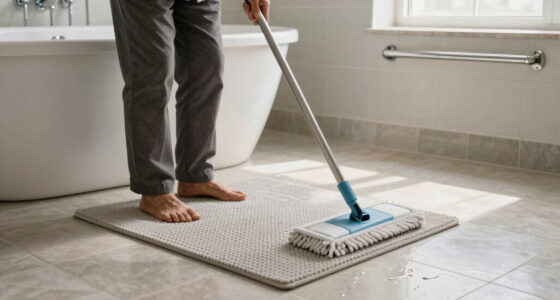
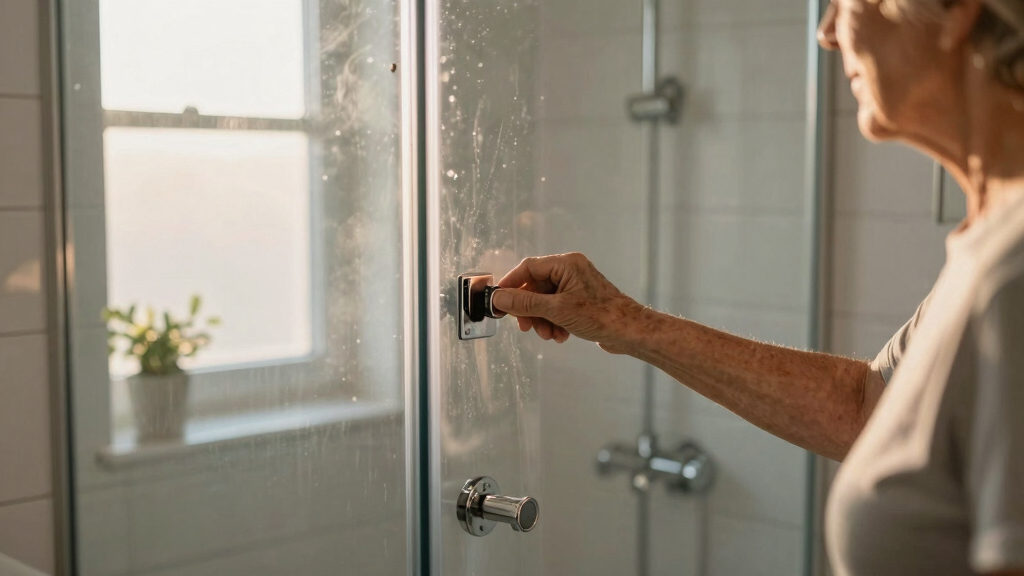
Maintenance considerations can influence long-term safety and cleanliness. Walk-in showers are generally easier to keep clean because they have fewer crevices and use simple glass or acrylic enclosures. Regular wiping with a squeegee after showers prevents soap scum and water spots, maintaining a safe, slip-resistant surface. The straightforward design minimizes mold buildup and allows for quick cleaning routines.
Walk-in tubs demand more maintenance due to their complex features. The door seals, jets, textured surfaces, and internal mechanisms require regular cleaning to prevent mold, soap scum, and mineral deposits. Neglecting maintenance can lead to slippery surfaces or mold growth, increasing fall risks and health hazards. Proper upkeep includes using non-abrasive cleaners, inspecting seals, and occasionally descaling jets. While they require more effort, maintaining a clean walk-in tub ensures safety and prolongs its lifespan. The key implication is that ongoing maintenance directly impacts safety—neglect can lead to hazardous conditions. The tradeoff is convenience versus health and safety, making ease of cleaning a key factor in decision-making.
Latest trends making walk-in showers and tubs safer and smarter
Design innovations are rapidly enhancing safety and convenience. Modern walk-in showers now feature anti-slip tiles, seamless glass doors, and built-in grab bars that seamlessly blend into the aesthetic, reducing clutter and trip hazards. These advancements mean users can enjoy a sleek, stylish space without sacrificing safety. Additionally, smart technology is making walk-in tubs more accessible. Features like heated surfaces, whirlpool jets, and remote controls allow users to customize their experience with minimal effort. Some models include digital temperature controls, automatic drain systems, and voice-activated functions, which enhance safety by reducing manual adjustments and potential accidents. These technological advancements mean that both options are becoming more intuitive, safer, and easier to use—benefiting seniors or those with limited mobility. The implication is that staying informed about these innovations can help you select future-proof solutions that enhance safety and comfort. The tradeoff may be higher initial costs but increased long-term value and peace of mind.
Which is better for your bathroom? Making the right choice
Deciding between a walk-in shower and a walk-in tub hinges on multiple factors: available space, personal health needs, and budget. If quick, easy access and a modern look are priorities, a walk-in shower may be the most practical and space-efficient choice. It offers safety features like slip-resistant floors and grab bars, while also fitting into smaller bathrooms without extensive remodeling. For those seeking therapeutic benefits, seated bathing, or hydrotherapy, a walk-in tub becomes the better option. It provides a relaxing environment that can help alleviate joint pain and improve circulation, which is especially valuable for individuals with chronic health conditions.
Assess your daily routines and future needs carefully. Do you want to indulge in hydrotherapy after a long day? Or do you simply need a safe, straightforward way to shower? Sometimes, combining both—such as installing a walk-in shower with a small, accessible tub—can offer comprehensive safety and comfort. The key is to balance your immediate needs with long-term safety, considering how each option aligns with your lifestyle and space constraints. The ultimate goal is choosing a solution that enhances independence and reduces fall risks, ensuring safety is prioritized.
Frequently Asked Questions
Which is safer for seniors or people with mobility issues?
Both can be safe if equipped with features like grab bars, non-slip surfaces, and easy entry. Walk-in tubs with seats and therapeutic jets are often preferred for seated bathing and health benefits, but walk-in showers can be equally safe with proper modifications. The key is to select features that address specific mobility challenges and ensure proper installation and maintenance. The safety advantage depends on personalized setup, so consulting a professional to tailor the solution to your needs is recommended.
Are walk-in showers or tubs more affordable?
Walk-in showers usually cost less upfront and are simpler to install, typically ranging from $1,000 to $5,000 depending on features and existing plumbing. Walk-in tubs tend to be more expensive, often between $3,000 and $10,000 or more, especially when adding therapeutic features. While the initial cost is higher for walk-in tubs, they can offer more comprehensive health benefits, potentially reducing healthcare costs over time by preventing falls and improving mobility. The choice often involves weighing immediate expenses against long-term safety and health advantages.
Can I upgrade my current bathroom with either option?
Yes, both options can be added or upgraded in existing bathrooms, but feasibility depends on your space, plumbing, and electrical setup. Walk-in showers often require minimal modifications, especially if replacing an existing shower. Walk-in tubs may need more extensive remodeling, including enlarging space and upgrading plumbing and electrical systems. Consulting with a bathroom remodeler or contractor can help determine the best approach to ensure safety, functionality, and compliance with building codes.
Which option is better for small bathrooms?
Walk-in showers are typically more suitable for small bathrooms due to their compact size and straightforward design. They can be installed in tight spaces without sacrificing safety features like slip-resistant flooring and grab bars. Walk-in tubs require more room for the basin, door, and seat, which can be challenging in limited spaces. However, corner or compact models are available that can fit into tighter areas, but careful measurement and planning are essential to maintain safety and accessibility.
What ongoing maintenance do each require?
Walk-in showers are generally easier to maintain, requiring regular cleaning of glass or acrylic surfaces and occasional checks for mold or soap scum buildup. Using non-abrasive cleaners and a squeegee after each use helps keep surfaces slip-resistant and clean. Walk-in tubs demand more ongoing attention due to their complex features. The seals, jets, textured surfaces, and internal mechanisms need regular cleaning and inspection to prevent mold, soap scum, and mineral deposits. Neglecting maintenance can compromise safety by creating slippery surfaces or mold hazards. Regular upkeep, including descaling jets and checking seals, is essential to ensure safety and prolong the lifespan of the tub. Proper maintenance directly impacts safety, as neglect can lead to hazardous conditions—making consistent cleaning and inspections vital.
Conclusion
Adding a walk-in shower or tub isn’t just about style — it’s about creating a safer, more comfortable bathroom that supports independence. Think about your daily routine, your space, and your budget.
This small change can make a big difference in how safely and confidently you enjoy your home. After all, every step you take toward safety is a step toward peace of mind.
Flea & tick season Picks
flea and tick prevention
As an affiliate, we earn on qualifying purchases.