TL;DR
Listen free for 30 days with Audible
Thousands of audiobooks and originals — cancel anytime.
Start your free trialAs an affiliate, we earn on qualifying purchases.
GPS medical alerts combine real-time location tracking with emergency buttons, helping active seniors stay safe outdoors or alone. They are evolving with better accuracy, discreet designs, and smart features, making independence safer and more manageable.
Imagine walking your favorite trail or running errands, feeling confident that help is just a tap away. GPS medical alerts are transforming how active seniors stay safe while enjoying independence. These devices blend location technology with emergency response features, turning a simple wearable into a trusted safety partner.
Whether you’re a senior enjoying outdoor hobbies or a family member watching from afar, understanding these systems can make all the difference. They’re not just for emergencies—they’re everyday tools that support your freedom and peace of mind.
GPS medical alerts are essential for active seniors who love outdoor activities or live alone, providing real-time location data during emergencies.
Focus on features like GPS accuracy, emergency buttons, two-way communication, and discreet design when choosing a device.
Recent tech improvements include fall detection, hybrid GPS/Wi-Fi coverage, and sleek, stylish wearables that encourage regular use.
Budget considerations include device cost, monthly monitoring fees, and coverage—shop based on your lifestyle and safety needs.
Routine practice, regular charging, and app connectivity maximize device effectiveness and peace of mind.
GPS Medical Alerts for Active Seniors
Real-time location, one-touch help, and direct communication turn a compact wearable into an everyday safety partner—supporting walks, errands, travel, outdoor hobbies, and life at home.
How help finds you on the move
A GPS alert compresses a stressful emergency into a clear chain: signal, location, communication, response. Caregivers can also spot unusual movement early and offer proactive support.
Trigger
The user presses the emergency button, or fall-detection sensors identify a possible incident.
Locate
GPS estimates the outdoor position; Wi-Fi and cellular data can strengthen coverage indoors.
Connect
A speaker and microphone allow the user, caregiver, or monitoring center to speak directly.
Respond
Family or responders receive the location and context needed to send appropriate assistance.
Six features that matter most
The best device is not simply the one with the longest feature list. It is the one a senior will wear consistently, understand easily, and keep ready.
Real-Time Tracking
Fast position updates help family and responders locate someone who is injured, unwell, or lost.
Watch: satellite access and update frequency affect battery use.Emergency Button
A large, reachable, one-touch control makes help accessible when mobility or concentration is limited.
Watch: overly sensitive controls may increase false alarms.Two-Way Voice
Direct conversation reassures the user and lets responders assess needs or give immediate instructions.
Watch: voice features need adequate cellular signal and power.Hybrid Positioning
GPS, Wi-Fi, and cellular triangulation work together across homes, malls, cities, and open spaces.
Watch: rural, dense urban, and indoor performance can vary.Long Battery Life
Multi-day power and low-battery notifications reduce the risk of downtime during longer outings.
Watch: larger batteries can add weight and bulk.Discreet Design
Lightweight bracelets, pendants, and clips fit naturally into daily routines and encourage regular wear.
Watch: smaller designs may sacrifice battery or speaker size.From panic button to connected safety ecosystem
Newer systems combine automatic fall detection, hybrid positioning, caregiver apps, quick charging, and smart-home links. These advances improve coverage and awareness—but ease of use should remain the deciding factor.
Match the device to the lifestyle
Active seniors usually benefit most from mobile coverage and durable wearability. Home-focused users may prioritize comfort, simplicity, and indoor connectivity.
| Capability | Basic mobile alert | Hybrid GPS alert | Smartphone only |
|---|---|---|---|
| One-touch emergency help | ✓Dedicated button | ✓Dedicated button | ~App or shortcut |
| Outdoor GPS location | ✓Common | ✓Enhanced | ✓When enabled |
| Improved indoor location | ~Limited | ✓Wi-Fi + cellular | ~Platform dependent |
| Automatic fall detection | ~Optional | ✓Often available | ~Device dependent |
| Professional monitoring | ✓Subscription | ✓Subscription | ✗Usually absent |
| Caregiver location app | ~Varies | ✓Common | ✓Sharing required |
| Simple senior-first controls | ✓Purpose built | ✓Purpose built | ~More complex |
Budget for the whole safety system
Hardware is only the first line item. Include monitoring, app access, fall detection, cellular service, accessories, replacement plans, and travel coverage in the comparison.
Priority profile by lifestyle
Higher activity away from home increases the importance of rugged construction, long battery life, mobile coverage, location accuracy, and roaming support. Always verify the provider’s coverage map for rural, urban, and international use.
Independence works as a connected chain
Five habits that make alerts effective
A dependable routine prevents the most common failure points: an empty battery, an unfamiliar button, outdated software, poor placement, or disconnected caregiver access.
- 01 · ChargeCharge nightly or on a consistent schedule; enable low-battery notifications.
- 02 · PracticeTest the emergency button regularly so the action feels automatic under stress.
- 03 · WearKeep the device on the wrist, neck, or body—not buried in a bag.
- 04 · ConnectLink the caregiver app and confirm the correct contacts receive alerts.
- 05 · UpdateInstall software and map updates, then recheck location and voice functions.
How GPS Medical Alerts Keep You Safe — Even When You’re On the Move
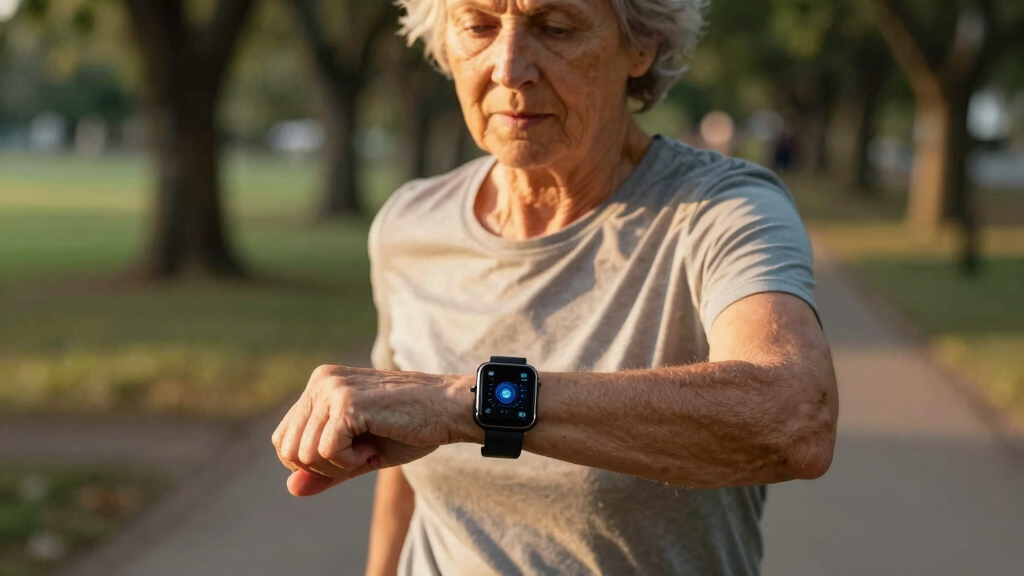
GPS medical alerts are like a safety net woven into your daily adventures. They track your location in real time, so if you get lost or need help, your loved ones or emergency responders can find you fast. Imagine a senior walking her dog in a park—if she trips or feels unwell, a quick press of the emergency button sends her location instantly.
This real-time tracking is crucial for active seniors who love outdoor activities. It’s especially helpful in areas with tricky signals or dense woods where traditional cell phones might falter. The device’s GPS pinpoints your exact spot, giving peace of mind to everyone involved.
Understanding how this impacts safety: real-time location tracking doesn’t just help in emergencies—it enables proactive assistance. For example, if a caregiver notices a senior has wandered too far or stayed out longer than usual, they can intervene early, preventing potential dangers. The tradeoff lies in ensuring the device’s battery life remains sufficient for these extended outdoor periods, making choosing models with long-lasting power essential for active lifestyles.
GPS medical alert watch for seniors
As an affiliate, we earn on qualifying purchases.
As an affiliate, we earn on qualifying purchases.
The Must-Have Features of Modern GPS Medical Alerts — What You Should Look For
| Feature | Why It Matters |
|---|---|
| Real-Time Location Tracking | Offers instant updates on your whereabouts, crucial during emergencies or if you get lost. High accuracy means responders can locate you precisely, reducing rescue time and potentially saving lives. However, it requires good satellite connectivity and a device with sufficient battery life to be effective in prolonged outdoor use. |
| Emergency Button & Alerts | One-touch help in an instant, especially if mobility or cognition is limited. The convenience of quick access can be the difference between timely assistance and delayed help, which might worsen health outcomes. Yet, overly sensitive buttons might trigger false alarms, so choosing a device with a balanced design is key. |
| Two-Way Communication | Allows direct talk with responders or loved ones, calming nerves and providing instructions. This feature can be vital when immediate guidance is needed, such as instructing someone to stay still until help arrives. The tradeoff is that two-way systems may consume more battery and require stronger signals, so device placement and signal quality are important considerations. |
| GPS Accuracy & Coverage | Reliable signals, even indoors or in rural areas, ensure help can find you anywhere. Hybrid systems that combine GPS with Wi-Fi or cellular triangulation improve indoor detection but may come with increased costs and complexity. |
| Long Battery Life | Days of protection without frequent charging, ensuring readiness at all times. For active seniors, a longer battery life reduces the risk of the device failing during extended outdoor activities, but it might mean larger or heavier devices, which could impact comfort or discretion. |
| Discreet & Comfortable Design | Encourages consistent wear, blending seamlessly into daily life. A stylish, lightweight device increases the likelihood of regular use, but sometimes, more discreet designs might compromise battery size or feature set. Balancing comfort with functionality is key for sustained safety. |
As an affiliate, we earn on qualifying purchases.
How the Latest Tech Makes GPS Medical Alerts Even Smarter
Recent innovations are making GPS medical alerts more reliable and user-friendly. Devices now combine GPS with Wi-Fi and cellular signals, giving a clearer picture indoors and outdoors. For example, a senior walking through a shopping mall benefits from this hybrid system, which pinpoints her location even in complex buildings.
Some alerts now include fall detection sensors that automatically call for help if a fall occurs, even if the senior can’t press the button. This feature is especially critical because falls are a leading cause of injury among seniors, and automatic detection can drastically reduce response times. Wearable designs are sleeker—think lightweight bracelets or necklaces that look stylish but are rugged enough for outdoor adventures.
Mobile apps connect family members directly to the system, so you can monitor your loved one’s location and receive alerts remotely. These features turn a simple device into an integrated safety ecosystem, supporting active seniors in their daily routines. The tradeoff with advanced tech is potential complexity—more features may require users to learn new interfaces or manage software updates, which can be challenging for some seniors. Ensuring ease of use remains vital as technology evolves.
discreet GPS tracker for active seniors
As an affiliate, we earn on qualifying purchases.
As an affiliate, we earn on qualifying purchases.
Cost and Coverage — What You Need to Know Before Buying
GPS medical alert systems range widely in price, from around $100 for basic devices to over $300 for premium models with extra features. Ongoing costs include monthly monitoring fees, which typically run between $20 and $50. These fees cover emergency response services, updates, and app connectivity.
Coverage depends on cellular networks and GPS compatibility—most systems work across the U.S., but international use varies. Rural areas or dense city centers might pose challenges for signal strength, so check coverage maps and reviews before committing. It’s also worth considering whether the system offers roaming or international plans if travel is frequent, as gaps in coverage could leave users vulnerable when outside familiar areas.
Consider your lifestyle and budget. A senior who hikes often might prioritize long battery life and rugged design, while someone mostly at home might focus on discreet wearability and app features. Weighing these factors carefully ensures you select a system aligned with your safety needs and financial capacity.
fall detection GPS wearable for seniors
As an affiliate, we earn on qualifying purchases.
As an affiliate, we earn on qualifying purchases.
Top Tips for Using GPS Medical Alerts Effectively
- Charge the device nightly, and set low-battery alerts to prevent surprises.
- Practice pressing the emergency button regularly to build familiarity and confidence.
- Keep the device within easy reach during outdoor activities—wear it on your wrist or around your neck.
- Sync the device with your smartphone or caregiver’s app for remote monitoring and alerts.
- Update the device’s software and location maps periodically for accuracy.
For example, a retired teacher goes for daily walks with her GPS bracelet. She sets a reminder to charge it every night and tests the button once a month. This routine not only maintains the device’s functionality but also builds confidence in its reliability, ensuring she can act swiftly in an emergency. Regular practice and maintenance reduce the risk of technical failures during critical moments, emphasizing that proactive management enhances safety and peace of mind.
Making the Most of Your GPS Medical Alert — Stay Independent and Safe
Choosing a GPS medical alert isn’t just about the tech — it’s about peace of mind. When you wear your device confidently, it becomes part of your daily routine. Remember, these systems are tools to support your independence, not replace your judgment or awareness.
Picture yourself on a morning walk, the sun warm on your face, knowing help is just a tap away. For caregivers, it’s a reassurance that their loved one is safe, even when miles apart. The key is regular use and staying informed about new features that can enhance safety further.
While these devices are powerful, it’s important to recognize their limitations. No system is infallible—batteries can die, signals can weaken, and false alarms can occur. Maintaining a balanced perspective ensures users remain vigilant and don’t become overly dependent on technology alone. Combining device use with good habits, like staying aware of surroundings and having a backup plan, maximizes safety and independence.
Frequently Asked Questions
Can GPS medical alert systems work indoors as well as outside?
Yes, many modern systems combine GPS with Wi-Fi and cellular signals to improve indoor accuracy. This hybrid approach helps locate you accurately whether you’re at home, in a mall, or walking in the park.
Are these devices difficult for seniors to operate?
Most designs prioritize simplicity—large buttons, clear instructions, and comfortable wear. Regular practice helps build confidence, and many systems include remote monitoring and caregiver notifications for added support.
What is the typical cost for a GPS medical alert system?
Initial device costs often range from $100 to $300, with monthly monitoring fees between $20 and $50. Consider your needs and budget—features like fall detection or longer battery life may affect the price.
What happens if my device runs out of battery during an emergency?
Most devices alert you or your caregiver when the battery is low, prompting timely recharging. Regularly charging the device and setting reminders can prevent accidental downtime.
Can I use these devices outside the U.S.?
Many systems work internationally, but coverage depends on cellular networks and GPS compatibility in different regions. Always check with the provider before traveling abroad.
Conclusion
GPS medical alerts for active seniors are more than just gadgets—they’re lifelines that blend independence with safety. When you wear one confidently, you’re not just protecting yourself; you’re empowering your daily adventures and peace of mind for loved ones.
Think of these devices as your personal safety partner, quietly working in the background. The right system can turn worry into confidence—so go ahead, explore what fits your lifestyle and enjoy your active days with assurance.
NFL season / tailgating Picks
team gear
As an affiliate, we earn on qualifying purchases.