
TL;DR

Turn quiet afternoons into listening time
- Thousands of audiobooks, podcasts and originals
- Listen on your phone, tablet or Echo — also offline
- Cancel anytime
Weatherproofing outdoor furniture means matching care to its material and climate, then keeping it clean, dry, shaded where possible, and checked for damage. Clean and dry pieces before applying compatible treatments or covers, give covered furniture airflow, and store cushions during long wet spells. Weather-resistant does not mean waterproof, so follow the maker’s care instructions and product labels.
A rain cover can protect your patio table from a storm and still leave it damp underneath. That small surprise explains why simple weatherproofing for outdoor furniture is less about wrapping everything tightly and more about matching care to the material, weather, and how often you use it.
This guide shows you how to protect wood, metal, plastic, woven furniture, and cushions from rain, sun, and everyday wear. You’ll learn what to clean, when a cover helps, how to spot trouble early, and which habits make sense if you’d rather spend your time enjoying the patio than maintaining it.
You don’t need a complicated schedule. A few checks as seasons change can help you notice peeling paint, standing water, or damp cushions before small problems spread. Think of weatherproofing as a light jacket for your furniture: useful when the weather turns, but best paired with fresh air and a little attention.
Check the maker’s care instructions before applying oil, paint, sealant, polish, or fabric spray.
Clean furniture and let it dry fully before treating it or putting on a cover.
Choose a breathable, well-fitted cover with secure fastenings, and uncover the furniture regularly to air and inspect it.
Reduce prolonged sun exposure and keep furniture feet out of standing water where practical.
Inspect furniture seasonally; follow material-specific instructions instead of assuming every piece needs an annual treatment.
Outdoor care guide · Rain / Sun / Everyday wear
Simple Weatherproofing for Outdoor Furniture
Protect each piece by matching care to its material and climate. Clean and dry first, use compatible treatments or breathable covers, and check for wear as the seasons change.
01 / Match care to material
One patio, five different care plans
Wood, metal, plastic, woven furniture, and fabric respond differently to moisture, sunlight, and cleaners. Check maker guidance before applying any oil, paint, polish, sealant, or spray.
Wood
Clean gently. Follow the maker’s advice on oil, stain, paint, or sealer; the existing finish matters.
Metal
Remove dirt and address rust or scratches promptly with a coating made for that metal.
Plastic & resin
Use mild soap and water. Avoid abrasive pads and harsh solvents that can dull or damage surfaces.
Wicker
Natural and synthetic weaves differ. Keep clean and dry, and look for loose or broken strands.
Cushions
Use fabric-compatible products. Dry fully and store during long wet spells to limit mildew risk.
Weather-resistant does not mean waterproof. Outdoor fabrics can resist water and fading without being immune to prolonged rain, mildew, or strong sun. Check product labels and warranty terms when in doubt.
02 / A simple routine
Three steps before the next downpour
Small seasonal checks can catch peeling finishes, standing water, or damp cushions before a minor issue spreads. No complicated schedule required.
Inspect
Look for peeling paint, rust, loose joints, cracks, mildew, and pooled water. Check feet and woven edges, too.
Clean & dry
Lift grime with mild soap, water, and a soft cloth or brush. Let every surface, seam, and cushion dry fully.
Treat or cover
Use only compatible products as directed. Cover clean, dry furniture when weather or storage needs call for it.
03 / Rain, sun & placement
Protection is more than a cover
Shade, airflow, and drainage help manage exposure. Use a cover when it adds protection, and leave room for fresh air to reach the furniture.
Block rain without trapping damp
Choose a breathable, well-fitted cover with secure fastenings and ventilation. Avoid sagging fabric where water can pool. Uncover from time to time to air furniture and check for condensation, spills, or mildew.
Give surfaces a little shade
Long UV exposure can fade fabric, dry some woods, and discolor plastic. Move pieces under shade or into storage when practical, especially during long periods of non-use.
Move feet out of puddles
Level furniture feet and improve drainage where you can. Avoid leaving pieces in standing water or damp grass for long periods so surfaces have a chance to dry.
Dry cushions before storage
Bring cushions in during extended rain or when they will not dry quickly. Store them in a clean, dry place rather than stacking damp fabric in a closed box.
04 / Seasonal check-in
Catch small wear while it is still small.
Inspect when seasons change and after harsh weather. There is no universal annual treatment schedule: follow the furniture maker and product labels for your material, finish, and local climate.
05 / Quick answers
Common patio questions
Let your climate, use, and care instructions guide the routine. A weatherproofing habit should make outdoor living easier.
Do I need a cover every day?
No. Covers are most useful during prolonged rain, harsh weather, or stretches when furniture is unused. In warm or humid conditions, uncover regularly to let it air out.
Can cushions stay out in the rain?
Some handle light rain, but weather-resistant fabric is not always waterproof. Check the care label and bring cushions in during extended rain or when they cannot dry quickly.
Should wood be sealed every year?
There is no universal schedule. It depends on the wood, its existing finish, exposure, and maker guidance. Inspect the surface and follow product directions.
What makes a good furniture cover?
Look for a close fit, durable weather-resistant material, ventilation, and secure fastenings. Check that it sheds water instead of forming a shallow basin.
Start with the material to choose the right protection
Weatherproofing starts with the furniture’s material, because wood, metal, plastic, wicker, and fabric respond differently to moisture, sun, and cleaning products. Check the care label or manufacturer’s instructions before applying oil, paint, polish, sealant, or spray. A treatment that suits one finish can stain or damage another.
For example, imagine you’ve inherited a wooden bench with a smooth, glossy finish. You might assume it needs oil, but that finish could be paint or a clear coating that calls for different care. A quick check of the maker’s guidance—or a cautious spot test in an unseen area—can spare you an uneven, sticky surface.
Wood needs finish-specific care. Clean it gently and follow the maker’s advice about oil, stain, paint, or sealer; different woods and existing finishes call for different approaches. Metal benefits from prompt attention to dirt and scratches in its protective coating. Plastic and resin usually need mild soap and water, while abrasive pads and harsh solvents can dull or damage the surface.
Wicker needs its own check, too. Natural and synthetic weaves may have different care needs, so look for loose strands and follow the instructions for that particular piece. On a woven chair, a broken strand at the edge may be easier to address early than after it catches on clothing or begins to unravel.
Weather-resistant furniture is not necessarily waterproof. Outdoor fabrics can resist water and fading without being immune to mildew, long rain, or strong sunlight. If you’re unsure whether a product is compatible, stop and check the label or ask the maker before using it. A little patience here protects both the finish and any warranty.
Products Worth Considering

Shark PowerPro Reveal Plus Cordless Vacuum Cleaner, Charcoal, IZ376H

Philips Hue Festavia 130-Foot Indoor/Outdoor Smart String Lights, 500 LEDs

eufy Security Video Doorbell E340 Kit with Chime, 2K Resolution and 8GB Local Storage
As an affiliate, we earn on qualifying purchases.
Clean and dry furniture before you cover or treat it
Clean furniture and let it dry fully before applying a treatment or putting on a cover. Dirt can interfere with finishes, while trapped moisture can contribute to mildew or corrosion. This simple order of operations makes the protective step more useful: wash, rinse if needed, let everything dry, then treat or cover according to the product directions.
Think of a cover as a roof. A roof works best when the house underneath is dry and air can move through the space; a damp chair sealed under fabric may stay clammy. For a practical example, wipe a metal chair after a dusty week, check that the joints are dry, and wait for a clear stretch before covering it for several days of rain.
Mild soap and water are a sensible starting point for many outdoor surfaces, though you should follow the care instructions for your furniture. Use a soft cloth or brush to lift grime from crevices rather than scrubbing hard. On plastic, a gentle wash may remove pollen without scratching the finish; on a woven chair, a soft brush can reach dust between the strands.
Give cushions and seams special attention. If rain has dampened a cushion, remove it from the chair and let it air in a dry, well-ventilated place before storage. Stacking damp cushions in a closed deck box is like leaving a wet towel in a bag: the moisture has nowhere to go.
Before a sealant, paint, or fabric spray goes on, read its label for surface compatibility, preparation, and drying time. Some products call for a clean surface; others have specific instructions. Follow those directions instead of assuming that the same treatment works across different materials.
Use covers to block rain while letting air move
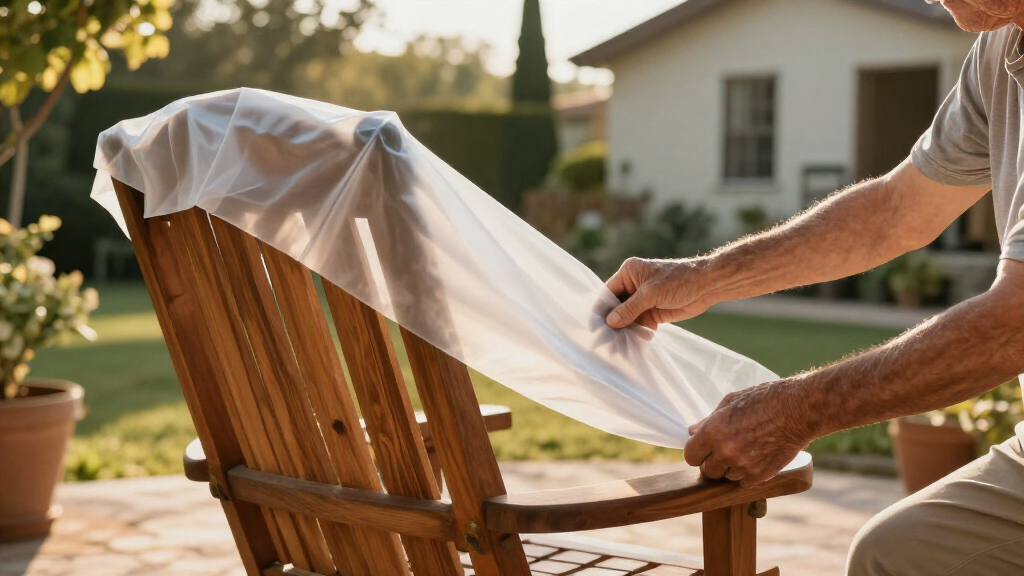
A well-fitted, breathable cover helps limit exposure to rain and debris while leaving room for airflow. It should suit the furniture’s shape, fasten securely against wind, and avoid sagging areas where water can pool. A cover that is too loose may flap and shift; one that traps damp air can leave the furniture underneath wet.
Picture a round table on a covered patio during a week of steady rain. A cover that sheds water and stays in place can reduce repeated soaking, but leaving it on indefinitely without checking underneath can hide condensation or a spill. Remove it from time to time, especially in warm or humid weather, and let the table air out.
There’s no need to cover furniture every day in every climate. Covers are most useful during extended rain, harsh weather, or long periods when you aren’t using the furniture. If you sit outside most evenings and the forecast is dry, letting furniture breathe may be simpler than fitting and removing a cover each day.
Cover clean, dry furniture, and uncover it periodically to inspect and air it. That small habit helps you catch pooled water, mildew, or a loose fastening before they become a bigger nuisance.
When choosing a cover, look for a close fit, durable weather-resistant material, secure fastenings, and ventilation. After putting it on, check whether the fabric drains rather than forming a shallow basin. On a windy balcony, a secure fastening matters just as much as coverage: a loose cover can flap, shift, or catch the breeze.
Keep sun and standing water from wearing furniture down
Protecting furniture from sun and standing water matters as much as keeping off the rain. Long periods of ultraviolet exposure can fade fabric, dry out some woods, and discolor plastics. Water that sits around furniture feet can leave surfaces damp for longer, so shade, drainage, and placement can all help reduce wear.
Imagine a brightly colored resin chair that stays in full afternoon sun all summer. It may be easy to clean and convenient to leave outside, yet its color can still fade with prolonged exposure. Moving it beneath a pergola or storing it in a shaded area when it won’t be used for a while can reduce direct sunlight without adding a complicated maintenance task.
Give furniture a dry footing. Check that the feet are level and that water drains away instead of gathering beneath a table or chair. A chair standing in a shallow puddle after a storm takes longer to dry than one on a drained patio. If a planter saucer or uneven paver channels water toward the furniture, adjusting the placement may solve the problem.
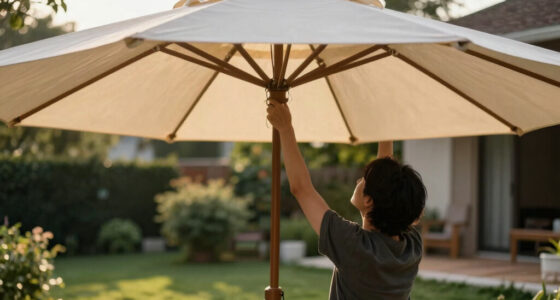
Shade can help both furniture and the people using it, especially where a bright patio becomes uncomfortable in the afternoon. A small umbrella or a spot beneath an overhang may reduce direct exposure, though it won’t make every surface immune to weather. Outdoor materials still benefit from regular checks and care suited to their finish.
For fabrics, check whether they are designed for outdoor use and whether the maker provides advice about cleaning or UV protection. A label that says “weather-resistant” describes tolerance, not permanent protection from sun, rain, or dampness. When cushions will sit unused for several days of hot sun or wet weather, bringing them indoors is often a straightforward way to protect them.
Follow a short seasonal routine to catch small problems early
A quick seasonal inspection helps you spot wear while it is still small enough to address easily. Look for peeling finishes, rust, loose joints, cracked parts, broken weave strands, and mildew. You don’t need special equipment for a first pass; a few minutes with daylight and a clean cloth can show where a piece needs attention.
Use this simple routine when you put furniture out for the season, after a long spell of harsh weather, or before storing it for winter:
- Clear the surface. Remove leaves, dust, and cushions so you can see the finish and joints.
- Look for changes. Check wooden finishes for peeling, metal for rust or chipped coating, plastic for cracks, and woven furniture for loose strands.
- Clean and dry. Use care appropriate to the material, then allow the furniture to dry fully.
- Follow the maker’s instructions. Apply only compatible paint, sealant, or fabric treatment, and follow the label for preparation and drying.
- Store what needs extra shelter. Put dry cushions and delicate pieces in a clean, dry place if a wet season or winter is approaching.
For instance, if you find a small paint chip on a metal chair, check the manufacturer’s guidance for a compatible touch-up product and repair it as directed. If you see a loose chair joint or a cracked component, consult the maker or a qualified repair professional before relying on that piece. This is a practical safety check as well as weather care.
There is no universal annual schedule for resealing wood. The right timing depends on the wood, its existing finish, exposure, and product instructions. Rather than applying a product each spring by habit, inspect the surface and follow the guidance for that exact furniture and finish.
Make daily comfort easier with small storage choices
Storing cushions and delicate pieces when they aren’t in use can reduce their exposure to long wet spells and harsh weather. Bring cushions indoors when rain is expected to last, when they won’t dry quickly, or when you’re putting furniture away for the season. Check the care label first, since fabrics and fillings can have different cleaning and storage needs.
A simple evening routine can keep an outdoor seating area ready without turning it into a chore. After dinner, carry the cushions to a clean, dry storage spot and leave the furniture uncovered if the weather is mild. If rain is forecast, put on a breathable cover once the furniture is dry and secured.
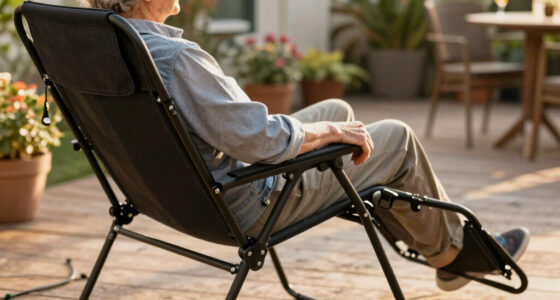
Older adults and family caregivers may want to make storage convenient and comfortable to reach. A storage location near the patio door can make cushions easier to bring in and out. Keep the route clear, choose a container that opens without awkward lifting, and avoid storing items in a way that requires climbing or reaching overhead.
Match the storage plan to your home and the local climate. In a mild, dry area, cushions may need little more than occasional shelter. In a long wet season or harsh winter, indoor storage for cushions and delicate pieces can help extend their life. An overhang or dry utility space may be enough; you don’t need a special room if your home already offers a clean, dry place.
If moving a heavy piece feels difficult, consider whether it can stay in a sheltered position or whether someone can help move it safely. Weatherproofing should support comfortable use of your outdoor space. A chair that stays easy to reach and ready to sit in is more useful than one tucked away where no one can comfortably get to it.
Frequently Asked Questions
Do I need to cover outdoor furniture every day?
No, not every day. Covers are most helpful during prolonged rain, harsh weather, or periods when furniture will sit unused. In warm or humid conditions, uncover pieces regularly so air can circulate and you can check for dampness.
Can outdoor cushions stay outside in the rain?
Some outdoor cushions tolerate light rain, but weather-resistant does not always mean waterproof. Check the care label, and bring cushions inside during extended rain or whenever they may not dry quickly. Let damp cushions dry fully before storing them.
Should I waterproof wood furniture every year?
There is no universal yearly schedule. The right care depends on the wood, its existing finish, its exposure, and the manufacturer’s instructions. Inspect the surface and use only a treatment made for that finish.
How can I prevent mildew under an outdoor furniture cover?
Cover clean, fully dry furniture with a breathable cover, and let it air periodically. Secure the cover so water doesn’t pool on top, then remove it from time to time to inspect the furniture. Bringing damp cushions into a dry place also helps them dry out.
Can I use waterproofing spray on any outdoor fabric?
No; check that the spray is compatible with the specific fabric and its existing treatment. Follow the product label for surface preparation and drying, and check the furniture maker’s care guidance before applying it.
How do I stop metal outdoor furniture from rusting?
Keep metal furniture clean and dry, then address damaged protective coatings promptly. Look for scratches or chips, and use a touch-up product intended for that metal and finish according to its label. If a part is badly corroded or a joint feels loose, seek suitable repair guidance.
Conclusion
Keep weatherproofing simple: identify the material, clean and dry the furniture, protect it in ways its maker recommends, and check it as the seasons change. A breathable cover can help during long wet spells, while shade and dry storage can protect pieces that sit unused. Follow product labels and warranty guidance whenever you use a treatment.
Small habits give you more time to enjoy the space you’ve made: a dry cushion, a sturdy chair, and a table ready for morning coffee. Start with one piece this week. What could you protect with five minutes of care?