
TL;DR

Turn quiet afternoons into listening time
- Thousands of audiobooks, podcasts and originals
- Listen on your phone, tablet or Echo — also offline
- Cancel anytime
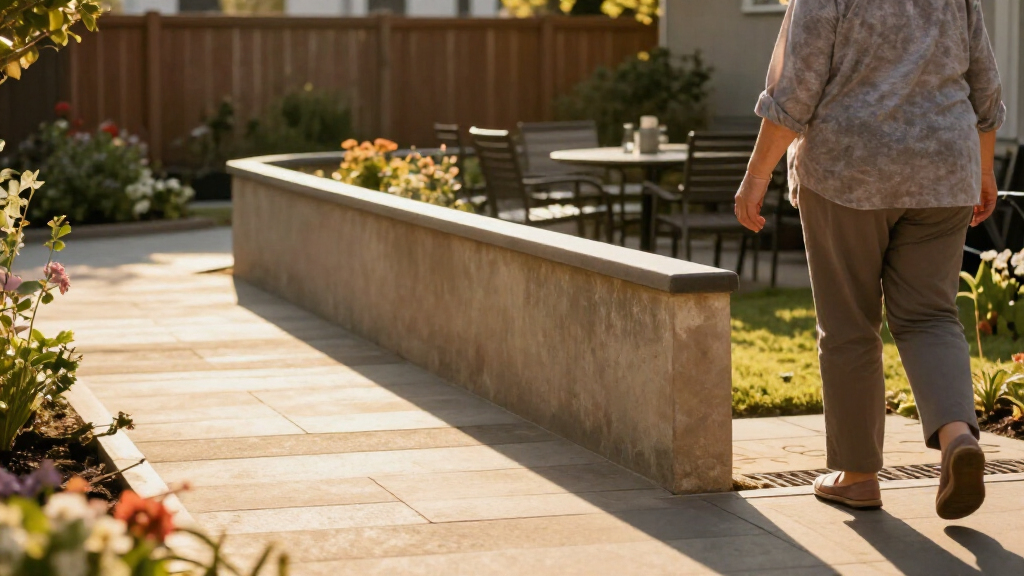
To make a backyard easy to navigate, connect the places you use most with firm, stable, unobstructed paths, and plan for slopes, drainage, lighting, resting spots, and upkeep. Start with one everyday route, such as the back door to the patio, then improve it based on who uses it and how the weather changes the surface.
A garden hose stretched across the patio route can turn a quick trip outside into a careful detour. A path that works well in summer may become muddy, shadowy, or slippery after autumn rain. Small details shape whether you can get to the chair, shed, or garden with ease.
Making a backyard easy to navigate starts with the routes you use every day. You’ll learn how to connect key destinations, choose practical surfaces, handle slopes and lighting, and keep the way clear through the seasons. The goal is a space that feels welcoming and works for people of different ages and abilities.
Map the routes you use most, such as the back door to the patio, garden, or gate.
Choose a continuous, firm, stable surface suited to your climate and maintenance capacity.
Check slopes, puddles, steps, and drainage after rain; seek local guidance for major grading or ramps.
Move hoses and clutter, trim overgrowth, and light entrances, turns, and level changes without glare.
Place steady seating along longer routes and inspect paths as leaves, moss, mud, or frost appear.
A practical guide · Outdoor living
How to Make the Backyard Easy to Navigate
Connect the places you use most with firm, stable, clear paths. Plan for slopes, drainage, lighting, resting spots, and upkeep so the yard works across seasons for people of different ages and abilities.
01 / Map your routine
Let everyday trips shape the layout
Walk the yard when you normally use it. Notice where you carry food, water plants, turn, pause, or need both hands free.
Start with the back door, then mark the destinations you visit most. A direct route to an outdoor table may matter more than a shortcut to the far corner. Ask household members what feels awkward, then sketch the routes before changing the yard.
- 01Back doorEveryday starting point
- 02Patio or tableFood, drinks, visits
- 03Garden bedsWatering and tending
- 04Favorite seatA place to pause
- 05Gate or shedAccess and storage
02 / Choose for steady footing
Surface, width, and installation work together
Make room to walk, turn, and pass comfortably. Exact dimensions depend on users, mobility aids, and local accessibility guidance.
Surface quality
Firm and predictable
Paving or compacted gravel may work when installed and maintained well. Loose stones, muddy areas, and slick surfaces can be difficult for some users.
Continuous route
Reduce gaps and bumps
Uneven stepping stones can be awkward for walkers, wheelchairs, or tired legs. A continuous surface helps keep attention on the destination.
Everyday fit
Allow room to turn
Consider passing space, furniture, plants, and busy hands carrying a tray or watering can. Compare options against weather, drainage, budget, and upkeep.
03 / Manage water and level changes
Make slopes and drainage easier to handle
Wet weather can reveal hazards a dry afternoon hides. Check the route after rain and note where water gathers or crosses the path.
Choose the gentler way
A steep route can take more effort uphill and make it harder to control your pace downhill, especially when wet. Where possible, use a longer, gentler path instead of the steepest shortcut.
Stable steps with visible edges and appropriately placed handrails may help. Ramps need suitable slope, space, landings, and drainage. Major grading, retaining structures, or ramps may need local professional guidance.
Watch what the water does
Look for puddles, washed-out soil, loose material, and water running across the route. A dip that collects rain can become slick or muddy on the trip from shed to house.
DESIGN PRIORITIES · QUALITATIVE, NOT MEASURED SCORES
04 / Clear and reveal the way
Help people see where to walk
Open space, visible edges, and well-placed lighting make a route easier to follow, especially when someone is carrying something or light is low.
Move obstacles
Store hoses and cords off the path; remove tools, pots, and clutter from the walking line.
Trim the edges
Keep plants and low branches from narrowing the route or catching someone as they pass.
Make changes visible
Use clear contrast between path and planting beds; make step edges easier to distinguish.
Light key points
Cover entrances, turns, steps, and level changes. Avoid glare and abrupt bright-to-dark patches.
Small example: A dark hose on a shadowed route to the gate can be hard to spot at night. Store it away from the walkway and check that the turn and gate are lit.
05 / Keep it usable through the year
Plan for the changes each season brings
Leaves, moss, weeds, shifting pavers, mud, and frost can change how firm, even, and visible a path feels.
After rain
Check drainage
Find puddles, runoff across the path, and signs of erosion before they worsen.
Autumn
Clear leaves
Remove leaf buildup that can hide edges or make the surface slippery.
Damp weather
Watch for moss
Check shaded areas and address growth that makes footing slick or edges hard to see.
Ongoing
Repair and pause
Reset shifting surfaces, trim weeds, and add steady seating along longer routes.
Start with the route you use every day
To make the backyard easy to navigate, connect the places you visit most with direct, unobstructed routes. Begin with the back door, then mark the patio, gate, favorite chair, garden beds, shed, and any play area. A useful layout works like a well-worn sentence: each destination follows naturally from the one before it.
Walk the yard at the times you normally use it. Notice where you carry a mug, a watering can, or a plate of food, and where you turn or pause. For example, if you eat outside, a clear path from kitchen door to table may matter more than a shortcut to the far corner of the lawn.
Sketch a simple map and draw your usual routes. If a route crosses grass, gravel, or a narrow gate, note where the surface changes or your hands are busy. That sketch helps you decide where a continuous path would make everyday activities simpler.
Ask the people who use the yard what they find awkward. A caregiver may notice that a visitor struggles to find the gate; someone using a walker may need more room to turn by the patio. Build the plan around real routines, then add routes for occasional tasks.
Products Worth Considering

Philips Hue Festavia 130-Foot Indoor/Outdoor Smart String Lights, 500 LEDs

Philips Hue Smart LED Candle Light Bulb (B39, E12) – 2 Pack

Shark Clean & Empty Cordless Stick Vacuum with Auto-Empty System, BU3521
As an affiliate, we earn on qualifying purchases.
Choose a path width and surface that feel steady
A backyard path is easier to use when it gives you room to walk, turn, and pass without squeezing between plants or furniture. The exact width depends on the people and mobility aids using it, the route, and local accessibility guidance. Think of the path as a hallway outdoors: a route that feels generous when empty can feel tight when someone carries a tray or meets another person.
Look for a firm, stable, reasonably even surface. These qualities reduce the effort of each step and make the route more predictable. That predictability matters when someone is watching their footing, pushing a mobility aid, or carrying something that limits their view. Properly installed paving or compacted gravel may work in some settings, but material alone does not guarantee an easy route. Loose stones can shift underfoot or under wheels, while uneven stepping stones leave gaps that can be awkward for a walker, wheelchair, or tired legs.
Imagine bringing a bowl of tomatoes from a raised bed to the kitchen. A continuous, level-feeling route lets you focus on the bowl and where you’re going. A bumpy line of stones may force you to watch every step and set the bowl down more often. A wider route can also make turning and passing easier, though it may take space from planting beds and require more material to install.
Compare options against the yard’s weather, drainage, budget, and maintenance needs. A surface that works well in a dry climate may become difficult in a rainy garden if water collects on it. Some surfaces need regular sweeping or repairs to stay firm; others may cost more to install but need less frequent attention. Installation and upkeep matter as much as the material; local guidance can help when you need exact dimensions or a route designed for mobility equipment.
Make slopes, steps, and drainage easier to manage
A sloped backyard route feels easier when you can choose a gentler way, see level changes clearly, and avoid water collecting underfoot. A slope can demand more effort going up and make it harder to control your pace going down, especially when the surface is wet. Walk the yard after rain and look for puddles, washed-out soil, and spots where water runs across the path. A dry afternoon can hide problems that show up when the ground is wet.
Where possible, use a longer, gentler route instead of the steepest shortcut. The tradeoff is a longer walk, but a gradual route may be easier to manage and less tiring. If steps are part of the route, stable construction, visible edges, and appropriately placed handrails can make them easier to judge and use. A ramp may suit some locations, but it needs enough space for its slope and landings, as well as drainage that will not leave it slick. Major changes need professional design and must account for local requirements.
Consider a common trip: you’re carrying a basket from the shed and the path dips toward the lawn. If rain regularly leaves a puddle in that dip, the route may become slick or muddy just when you need it. Water can also wash away supporting soil or loosen surface materials over time. Improving drainage and repairing erosion can help the path stay more predictable, though the right fix depends on where the water comes from and where it can safely go.
Take note of retaining walls and steep banks as well as the walking surface. Their design can affect both the path and the flow of water; a change that sends runoff elsewhere may create a problem lower down the yard. Get local professional guidance for significant grading, retaining structures, or ramps, since soil, drainage, and rules vary by location.
Clear the route and make hazards easier to see
A clear backyard path has enough open space for you to move without ducking, stepping over clutter, or guessing where the edge is. Trim plants back from the route and look for hoses, cords, tools, low branches, and pots that have crept into the walkway. These obstacles can interrupt a person’s stride or catch a mobility aid, and they may be harder to notice when someone is carrying something or looking toward a destination. The path should guide you, much like a bright ribbon laid through the garden.
Choose visible edges where a path meets a lawn or planting bed. Contrast can help you see where the walking surface ends, especially when light is low or eyesight has changed. Highlighting a step edge can make a level change easier to spot. Lighting should reach entrances, turns, steps, and other changes in level without shining directly into your eyes or creating dark patches; glare can make it harder to see detail, while sharp shifts between bright and dark areas can hide obstacles.
For example, a dark hose on a shadowed path may be hard to notice during an evening trip to close the gate. Move it off the walking route or use a safer storage spot, and check that the turn and gate are lit. Motion-sensor lights can add convenience, but they may leave someone in the dark if they do not activate soon enough or cover the whole route. Reliable, well-placed fixtures provide the basic coverage.
Make a quick route check before guests arrive or when the seasons change. Look from the person’s eye level and from the direction they’ll approach, since an obstacle that is obvious from the house may disappear against a dark background near the gate. Clear clutter, visible edges, and even lighting help a visitor understand where to walk without needing instructions.
Add a comfortable place to pause along longer routes
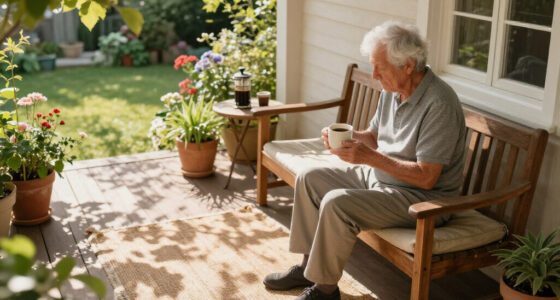
A stable seat along a longer backyard route gives you a place to rest, wait, or enjoy the garden before continuing. A pause can make a longer outing feel manageable and give someone time to regain their balance or energy. Put seating where it supports a real activity: near the herb bed, beside a sunny patio, or at a convenient point between the house and gate. A bench can act like a small harbor in a longer walk.
Check that you can reach the seat by a firm route and approach it without stepping into a planting bed. Leave enough space beside it for a walking aid, and choose a position that doesn’t narrow the path. A seat placed too far from the route may be difficult to reach; one placed too close can become an obstacle for everyone passing. The seat should feel steady on its footing; a chair that rocks on soft ground may not offer the pause you planned.
Think about someone who enjoys deadheading roses but prefers to work in short spells. A sturdy seat near the bed lets them pause, sort the trimmings, and continue at their own pace. The same spot may give a family member somewhere to sit while chatting or watching a child play. A seat that serves more than one activity is more likely to be used, but it still needs a clear approach and enough room for the people who gather there.
Comfort includes shade, sun, and a view that makes you want to stay. A seat tucked beneath a leafy tree can be pleasant in summer, while a place catching winter light may see more use in cooler months. Consider how shade, wind, and seasonal changes affect the spot, then choose the balance that suits the people using it. Place resting spots where they serve a purpose, and keep the route to them clear.
Keep the backyard route usable through every season
A backyard path stays easier to use when you plan for the maintenance that keeps it firm, visible, and clear. Leaves can hide uneven spots; moss may make a surface slick; weeds can widen cracks; and frost or rain can shift materials. These changes can turn a familiar route into an uncertain one, particularly for someone who relies on consistent footing. A path is more like a garden tool than a finished picture: it needs occasional attention to keep doing its job.
Choose a layout and surface that fit the time and help available in your household. A winding route may fit the garden, but it can take longer to sweep and inspect. If nobody can regularly sweep loose gravel or clear a winding route, a simpler path may be easier to maintain. After a storm, check for branches, pooled water, and displaced edging before using the route as usual; catching a small shift early can prevent it from becoming a trip point.
For example, the patio path may feel fine in July but collect wet leaves under a maple in October. A short weekly sweep during leaf fall, along with trimming plants and securing the hose, can preserve a clear line. In winter, make a household plan for snow and ice that follows local conditions and the surface material. Clearing or treating a route can help, but the method needs to suit the surface so it does not damage it or leave a slippery residue.
Start with one route rather than trying to redesign the whole yard. Clear the path from the door to the patio, fix a loose or uneven section, and improve a dark turn. Small, regular checks can catch changes before they disrupt the route, while larger drainage or grading problems may call for a professional.
Frequently Asked Questions
How wide should a backyard path be?
Choose a width that lets the people using it walk, turn, and pass comfortably, including anyone using a mobility aid. The right dimensions depend on the route and users, so check local accessibility guidance when you need exact measurements. For example, a narrow turn by the patio may need more room than a straight path used by one person.
What surface is easiest to use on a garden path?
A firm, stable, reasonably even, slip-resistant surface is generally easier to use. Paving or properly compacted gravel may work depending on installation, drainage, climate, and upkeep. Loose stones and uneven stepping stones can be harder for some people to cross.
Are stepping stones a good choice for an accessible backyard?
Stepping stones can look attractive, but gaps and height changes may make them awkward for walkers, wheelchairs, or anyone who wants a continuous route. Consider a connected path to the destinations you use most. You might keep decorative stones beside the route instead of across it.
How can I make a sloped backyard easier to use?
Look for a gentler route, reduce abrupt level changes where practical, and make steps stable and easy to see. A ramp or major grading project needs careful attention to slope, landings, drainage, and local rules. Ask a qualified local professional to assess substantial changes.
How do I stop paths from getting slippery or muddy?
Address drainage, clear leaves and moss, and repair uneven or eroded spots. Choose a surface suited to your local weather and plan for seasonal mud, snow, or ice as applicable. After heavy rain, check whether water collects or crosses the route.
What outdoor lighting helps with evening walks?
Use consistent, well-directed light at entrances, steps, turns, and changes in level. Reduce glare and deep shadows, and keep cords and fixtures out of the walking route. Motion sensors can add convenience, but well-placed fixtures should light the route reliably.
Can I improve the backyard without a major renovation?
Yes. Start by clearing clutter, securing hoses, trimming overgrowth, improving lighting, and repairing minor uneven spots. Then focus on a continuous route to the place you use most, such as the patio. Persistent drainage problems, ramps, or substantial grading may need professional help.
Conclusion
Begin with the trip you make most often, then make that route firm, clear, visible, and comfortable to pause along. Notice what rain, leaves, and everyday clutter change, and adjust as the seasons turn.
A backyard should invite you out the door. A steady path to the patio, a chair waiting in the shade, and the soft rustle of leaves can make the whole garden feel within reach.