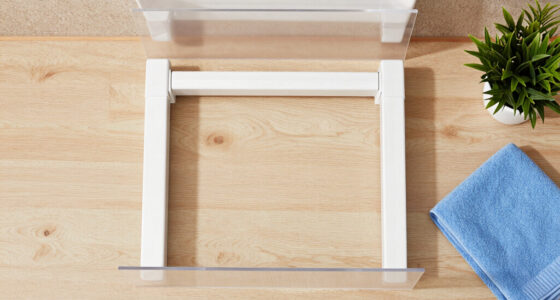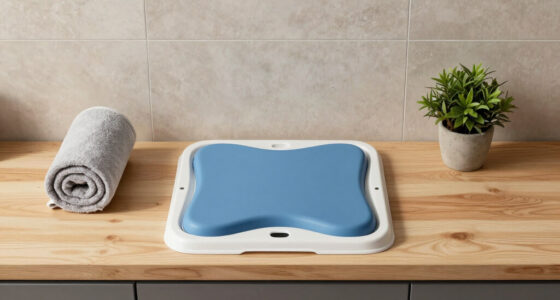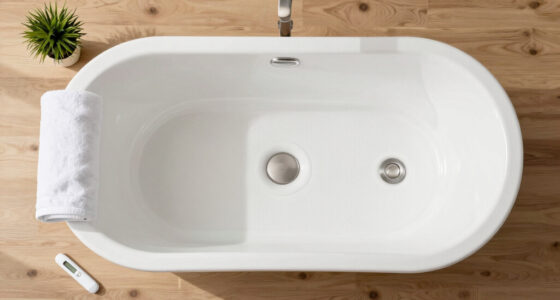

TL;DR
Listen free for 30 days with Audible
Thousands of audiobooks and originals — cancel anytime.
Start your free trialAs an affiliate, we earn on qualifying purchases.
Shower chairs stay in place during showering, while transfer benches help users move into and out of the tub. Your choice depends on mobility, bathroom layout, and safety needs. Proper fit and features are key to safe, comfortable use.
When safety in the bathroom matters most, picking the right seat can be a game-changer. But with two main options—shower chairs and transfer benches—how do you know which one fits your needs? The right choice isn’t just about comfort; it’s about reducing fall risk and maintaining dignity.
In this guide, you’ll learn the key differences, practical benefits, and how to select the best seat for your bathroom setup. Whether you’re caring for an aging parent, recovering from surgery, or managing mobility challenges yourself, this simple decision impacts safety and confidence every day.
Match the seat type to your mobility level—shower chairs for those who can sit independently, transfer benches for those needing help with transfers.
Always measure your bathroom space and consider weight capacity—safety depends on proper fit.
Look for safety features like non-slip surfaces, adjustable height, and sturdy armrests.
Recent innovations include antimicrobial finishes and smart sensors—stay informed to choose safer options.
Consult a professional if unsure—getting personalized advice ensures safety and confidence.
Shower Chair vs Transfer Bench: Choosing the Right Seat
Shower chairs stay in place during showering, while transfer benches help users move into and out of the tub. The right choice depends on mobility, bathroom layout, transfer needs, and confidence during daily bathing.
Personalized bath safety equipment can reduce fall risk by up to 80% when fit, setup, and use match the person.
Which Seat Matches the Moment?
A shower chair supports people who can enter the shower and sit independently. A transfer bench supports people who need a safer way to cross the tub wall, especially after surgery, with limited balance, or when using a wheelchair.
Stationary support inside the wet area
A compact, rust-resistant seat with drainage holes, adjustable legs, and non-slip feet. It helps reduce fatigue and slipping once the user is already in the shower.
A bridge across the tub edge
The longer bench extends outside the tub, allowing the user to sit first, then slide across with less stepping and less balancing over a high wall.
Match the tool to mobility
If independent sitting is realistic, choose simplicity. If the risky part is getting into the tub, choose transfer support and confirm the bathroom has room.
Side-by-Side Comparison
The safest choice is rarely just the most padded or most expensive option. Placement, transfer ability, space, stability, and maintenance all shape whether the seat works in real life.
| Feature | Shower Chair | Transfer Bench | Safety Signal |
|---|---|---|---|
| Placement | ✓Stays fully inside the shower area. | ~Extends outside the tub and over the edge. | Measure width, door swing, tub edge, and floor clearance. |
| Use Case | ✓For users who can sit independently and need steady support. | ✓For users who need help transferring into the tub. | Choose based on the most difficult part of bathing. |
| Ease of Transfer | ~Simple once inside, but does not solve tub entry. | ✓Reduces stepping, though sliding requires coordination. | Practice setup with a caregiver or professional if unsure. |
| Space Needs | ✓Compact and suitable for smaller showers. | ~Longer footprint needs room outside the tub. | Small bathrooms may limit bench compatibility. |
| Poor Fit Risk | ✗Too narrow, too low, or weak legs can cause instability. | ✗Bad leg height or uneven tub setup can undermine stability. | Capacity should exceed body weight by at least 20%. |
Risk Is Highest During Movement
Many bathing falls happen during awkward transitions: stepping over a tub wall, turning on wet tile, or lowering onto an unstable seat. The device should remove the hardest movement, not add a new one.
The practical test
Choose a shower chair when the person can enter the shower, turn, sit, and stand with reasonable control.
Choose a transfer bench when the tub wall is the barrier, leg strength is limited, or a caregiver needs a safer transfer process.
Ask for help when balance, cognition, pain, or post-surgical precautions make the movement uncertain.
Your Selection Flow
Move through the decision in order: body first, bathroom second, features third. A beautifully designed seat is only safe when it fits the person and the room.
Assess Mobility
Can the user enter, turn, sit, and stand independently?
Measure Space
Check tub height, shower width, door swing, and outside clearance.
Check Capacity
Choose a rated limit at least 20% above the user’s weight.
Choose Features
Prioritize non-slip feet, adjustable height, armrests, and drainage.
Review Often
Inspect for rust, loose parts, worn tips, mold, or unstable legs.
Mobility Spectrum
Features That Matter
Comfort helps adoption, but safety features do the heavy lifting. Look for durable, easy-clean materials and parts that remain stable on wet surfaces.
Non-slip feet and sturdy frame
Rubber tips, a wide base, and corrosion-resistant legs reduce wobble and help the seat stay predictable on wet flooring.
Height, arms, and back support
Adjustable height supports safer sitting angles, while armrests and backrests help users lower, stabilize, and rise with more confidence.
Antimicrobial and smart options
Newer models may include antimicrobial finishes, foldable frames, padded surfaces, or emerging fall-detection sensors for added reassurance.
Traceability Chain
Safe bathing is a connected system. The seat, the room, the person, and ongoing maintenance all need to agree with each other.
Quick Answers
When the decision still feels close, use these practical checks before buying or installing a bath safety seat.
Which is better?
Neither is universally better. A shower chair is better for independent sitting; a transfer bench is better when tub entry is the unsafe step.
How do I size it?
Measure the user, shower or tub dimensions, and clearance around the tub. Select a capacity above the user’s weight, ideally with a 20% buffer.
Are transfer benches safe?
Yes, when properly installed, level, non-slip, and used according to instructions. Poor setup can erase the safety benefit.
What maintenance matters?
Clean regularly with mild soap and water, inspect for rust or cracks, and replace worn non-slip tips before they become unstable.
What Is a Shower Chair and Why It Might Be Perfect for You
A shower chair is a sturdy seat designed to stay within the shower area, giving you a safe place to sit while washing. It’s ideal for those who can sit independently but need support to prevent slipping or fatigue. Imagine a lightweight, rust-resistant seat with drainage holes and adjustable height—easy to clean and customize.
For example, an older adult with mild balance issues might find a shower chair gives them confidence to shower comfortably without fear of falling. It stays put, offering stability and support during the entire shower process.

HOMLAND Shower Chair for Inside Shower, Adjustable Height Shower Stool
- Maximum Weight Capacity: Supports up to 400 lbs
- Sturdy Construction: Reinforced aluminum alloy frame
- Secure Non-Slip Feet: Suction rubber feet for safety
As an affiliate, we earn on qualifying purchases.
As an affiliate, we earn on qualifying purchases.
Why Transfer Benches Are a Game Changer for Safe Bathroom Transfers
A transfer bench acts like a bridge, helping you slide into and out of the tub safely. It extends outside the shower or tub, with a seat that slides over the edge. Think of it as a sturdy, padded platform with armrests and adjustable height—designed for seamless, controlled transfers.
For instance, someone recovering from hip surgery might use a transfer bench to sit outside the tub, then gently slide into the shower without risking a fall. It’s especially helpful for those who struggle with stepping over high tub walls or need extra support during transfers.
Using a transfer bench can significantly reduce the risk of falls during transfers, which are often the most dangerous part of bathing for individuals with limited mobility. It provides a stable platform that minimizes the need for awkward stepping or balancing, thereby decreasing the likelihood of slips and injuries. However, it requires some coordination to slide safely, and improper setup can negate its safety benefits. Therefore, proper installation and familiarity with its use are crucial for maximizing safety.

Drive Medical Tub Transfer Bench for Bathtub, Height Adjustable
- Supports Safe, Independent Bathing: Easy slide tub bench with backrest
- Secure and Stable Bathing: Drainage openings and suction cup feet
- Adjustable Height for Comfort: 0.5-inch incremental height adjustments
As an affiliate, we earn on qualifying purchases.
As an affiliate, we earn on qualifying purchases.
Shower Chair vs Transfer Bench: How Do They Stack Up?
| Feature | Shower Chair | Transfer Bench |
|---|---|---|
| Placement | Stays within shower | Extends outside tub, slides over edge |
| Use Case | For those who can sit independently, needing support to prevent slipping or fatigue | For those requiring assistance with transferring into the tub, especially with limited mobility or balance issues |
| Ease of Transfer | Simpler, just sit and shower, which reduces complexity and risk for independent users | Requires sliding and some coordination, which might be challenging for users with severe mobility limitations |
| Stability | Very stable, fixed position, ideal for steady support during showering | Wider base and design provide extra stability during transfers, reducing fall risk during movement |
| Space Needs | Compact, fits in small showers, making it versatile | Longer, needs more room outside the tub, which could be a constraint in small bathrooms |
Choosing depends on your mobility level and bathroom layout. If you can sit independently, a shower chair offers simplicity. For those who need help moving into the tub, a transfer bench provides extra safety and support. Consider the space available and your comfort with transfers to make the best choice.
HOMLAND Shower Chair for Inside Shower, Adjustable Height Shower Stool
- Maximum Weight Capacity: Supports up to 400 lbs
- Sturdy Construction: Reinforced aluminum alloy frame
- Secure Non-Slip Feet: Suction rubber feet for safety
As an affiliate, we earn on qualifying purchases.
As an affiliate, we earn on qualifying purchases.
Picking the Perfect Fit: Size, Strength, and Features That Matter
Measure your space, weight, and height before buying. A seat that’s too small or weak can be dangerous. Look for models with a weight capacity at least 20% above your weight for safety.
For example, if you weigh 180 pounds, choose a seat rated for 220 pounds or more. Consider features like adjustable height, non-slip feet, armrests, and padded seats to maximize comfort and safety.
Remember, a well-fitted seat feels stable and confident, encouraging regular use without worry. Properly selecting a seat that matches your physical needs reduces the risk of accidents caused by instability or stress on weak points. Additionally, evaluating the durability of materials and ease of cleaning can influence long-term safety and hygiene, preventing issues like rust or mold that could compromise safety over time.
Drive Medical Tub Transfer Bench for Bathtub, Height Adjustable
- Supports Safe, Independent Bathing: Easy slide tub bench with backrest
- Secure and Stable Bathing: Drainage openings and suction cup feet
- Adjustable Height for Comfort: 0.5-inch incremental height adjustments
As an affiliate, we earn on qualifying purchases.
As an affiliate, we earn on qualifying purchases.
Latest Trends Making Bath Safety Smarter and Safer
Modern shower safety devices include ergonomic designs with better grips, padded seats, and antimicrobial surfaces. Some models even have sensors or alarms that detect falls—adding a layer of tech to safety.
For example, a lightweight, foldable transfer bench with antimicrobial coating can be stored easily and cleaned effortlessly. These innovations mean safer, more comfortable bathing experiences for those with mobility challenges.
Staying informed about these technological advancements allows users and caregivers to select devices that not only meet current safety standards but also incorporate future-proof features. These can include fall detection sensors, automated cleaning options, or adjustable features that adapt to changing needs, thereby enhancing long-term safety and independence.
What You Need to Know Before Making Your Choice
Mobility, bathroom size, and safety are your guiding lights. Both options can prevent falls, but choosing the right one depends on individual needs. Proper installation and regular checks are vital.
For example, a person with limited strength might prefer a transfer bench for ease of transfer, whereas someone who can sit independently might opt for a shower chair for simplicity. Accurate measurements of your shower or tub ensure a good fit, which is critical for safety and comfort. Always look for products with reliable certifications like ADA compliance, which indicate adherence to safety standards. Additionally, consider consulting with health professionals or occupational therapists who can assess your specific needs and recommend suitable equipment, ensuring that your choice supports both safety and independence effectively.
Your Action Plan: How to Choose the Best Bath Seat
- Assess your mobility level and strength.
- Measure your bathroom and shower/tub dimensions.
- Decide if you need assistance with transfers or just sitting.
- Compare features like weight capacity, adjustability, and ease of cleaning.
- Pick a model with safety features—non-slip, sturdy, easy to maintain.
- Install properly and review regularly for wear or damage.
Following these steps takes the guesswork out of safety and makes sure you pick a seat that lasts and performs.
Frequently Asked Questions
How do I know if a transfer bench is safe for me?
A transfer bench is safe when properly installed, with a sturdy, non-slip base, and when used according to instructions. If you have concerns about strength or balance, consult a healthcare professional for personalized advice.Can I use a shower chair outside the shower?
Some shower chairs are portable and can be used outside the shower for sitting tasks around the house. However, most are designed specifically for wet environments, so check the product specifications.What if my bathroom space is small?
Opt for compact, lightweight models designed for small showers. Measure carefully to ensure enough clearance for safe transfers. A foldable or portable chair might also help maximize space.How often should I check my bath safety equipment?
Inspect your equipment regularly—at least once a month—for signs of wear, rust, or damage. Ensure non-slip features remain effective and replace any compromised parts promptly.Conclusion
The right bathroom seat isn’t just about comfort; it’s a key step toward maintaining independence and preventing falls. Whether you choose a shower chair or a transfer bench, focus on fit, safety features, and ease of use. Your bathroom can be a safe haven—your personal space of dignity and support.
Remember, the best choice aligns with your needs today and adapts as those needs change. Think of your bathroom as a safe harbor—equipped with the right tools, you stay confident, secure, and in control.
Back to school Picks
back to school
As an affiliate, we earn on qualifying purchases.