
TL;DR
Listen free for 30 days with Audible
Thousands of audiobooks and originals — cancel anytime.
Start your free trialAs an affiliate, we earn on qualifying purchases.
Most bathroom safety improvements are affordable and easy to do. Installing grab bars, non-slip surfaces, and better lighting can drastically reduce fall risks without tearing down walls or disrupting your home’s look.
Bathrooms are among the most dangerous spots in any home, especially for older adults or those with mobility issues. Yet, a full remodel isn’t always necessary to make a big difference.
Simple, targeted changes can transform your bathroom into a safer space—without the mess, expense, or hassle of tearing out walls. Whether you’re a caregiver or a homeowner, these tips help you protect your loved ones and yourself with minimal disruption.
Most bathroom falls happen because of slippery floors, poor lighting, and lack of support.
Simple upgrades like grab bars, non-slip mats, and better lighting can cut fall risks by over 50%.
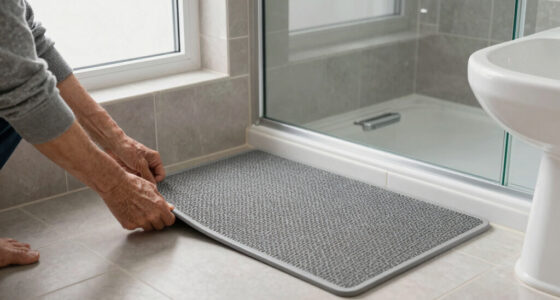
Choose non-slip surfaces based on durability and ease of cleaning—adhesive strips vs. mats.
Regularly inspect and maintain safety devices to keep them effective over time.
Smart, portable safety gadgets are growing in popularity and easy to add without renovations.
Making the Bathroom Safer Without a Full Remodel
TL;DR Most bathroom safety improvements are affordable, fast, and non-structural. Grab bars, non-slip surfaces, better lighting, and portable accessibility tools can reduce fall risk without tearing down walls or disrupting the room’s look.
Bathroom safety is won through small, targeted fixes placed exactly where slips, shadows, and awkward transitions happen.
Bathroom falls are cited as a major share of fall injuries among older adults.
Fall risk can drop sharply when support, grip, and lighting are improved together.
Water, soap, and tile create the fastest path from stable to slippery.
Anchored support helps with stepping, turning, sitting, and standing.
Brighter bulbs and motion sensors reduce night-time missteps.
Inspect bars, mats, strips, bulbs, mold, and loose flooring quarterly.
Start With the Risks You Can See Today
A safer bathroom begins with a five-minute walk-through. Look for slick tile, dim corners, clutter, uneven flooring, sharp edges, loose fixtures, and places where a person has to shift weight without support.
Slippery Floors
Tile, water, soap residue, and loose mats create slip points. Prioritize the tub, shower entry, sink area, and toilet approach.
Poor Lighting
Shadows hide wet spots, raised edges, and clutter. Brighter daylight-tone bulbs and motion lights help most during late-night trips.
No Stable Hold
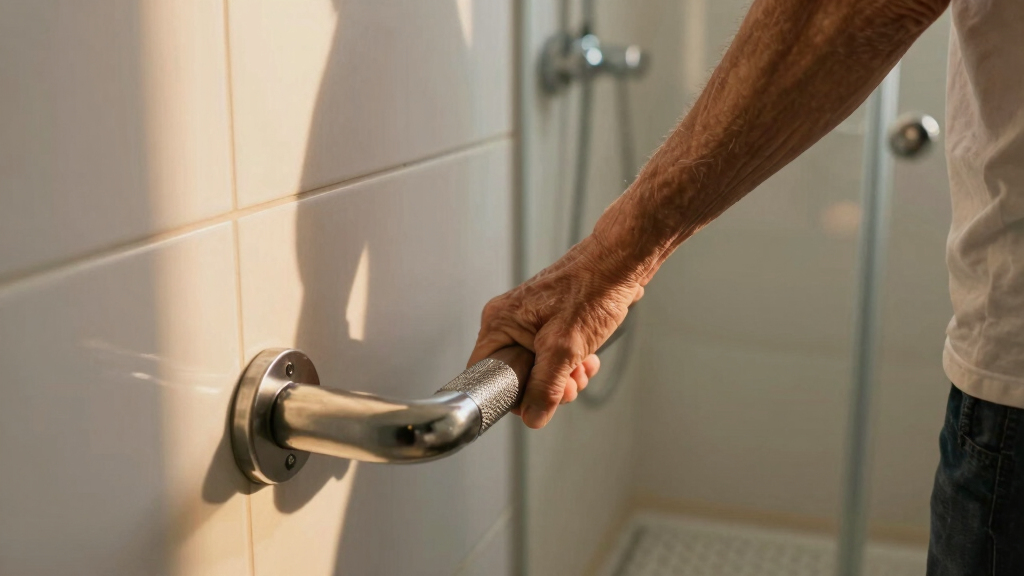
Towel bars are not safety bars. Install real grab bars near the shower, tub, and toilet where transitions happen.
Upgrade the Bathroom in the Order That Matters
Think of each safety change as a link in a chain: identify the hazard, add grip, add support, improve visibility, then keep everything maintained.
Inspect
Check loose tiles, wet zones, clutter, sharp corners, dim areas, and awkward reaches.
Add Grip
Use non-slip mats, adhesive strips, or coatings where feet land on wet surfaces.
Add Support
Install anchored grab bars by the tub, shower, and toilet for safe transfers.
Add Light
Replace dim bulbs, reduce mirror shadows, and use motion lighting at night.
Maintain
Clean mats, replace worn strips, tighten fixtures, and fix flickering lights.
Choose Non-Remodel Fixes by Safety, Cost, and Upkeep
The best option is rarely the fanciest one. Choose upgrades that match the user’s mobility, cleaning habits, rental limits, and the exact surface they need to make safer.
| Upgrade | Best For | DIY Friendly | Renter Friendly | Maintenance Need | Safety Impact |
|---|---|---|---|---|---|
| Anchored grab bars | Showers, tubs, toilets, transfers | ~ Studs or proper anchors required | ✗ Usually permanent | Check tightness quarterly | ✓ Very high |
| Suction grab bars | Temporary balance cue on smooth surfaces | ✓ Tool-free | ✓ Easy to remove | Test before every use | ~ Not for full body weight |
| Non-slip mats | Showers, tubs, sink zones | ✓ Immediate setup | ✓ Fully removable | Clean often to prevent mold | ✓ High |
| Adhesive strips | Tub floors and shower bases | ✓ Simple install | ~ May leave residue | Replace when edges lift | ✓ High |
| Motion lights | Night trips and dim corners | ✓ Plug-in or battery | ✓ No wiring needed | Replace batteries or bulbs | ✓ High |
| Raised toilet seat | Sit-to-stand support | ✓ Often tool-free | ✓ Removable | Check fit and stability | ✓ Medium-high |
Where Small Upgrades Do the Most Work
The biggest returns come from addressing the common causes of bathroom falls: wet surfaces, unsupported transitions, low visibility, and equipment that quietly degrades over time.
Risk Reduction Levers
Non-Slip Surface Spectrum
Mats are fast and removable, strips are compact and grippy, and coatings can last longer. The tradeoff is cleaning, surface compatibility, and replacement timing.
Portable Does Not Always Mean Weight-Bearing
Suction-cup bars, portable chairs, and temporary devices are useful for renters and changing needs, but every device has a load limit and placement rule. Test stability often and use anchored support where someone may pull hard during a loss of balance.
Use brighter, daylight-tone bulbs and task lighting around the mirror to remove shadows.
Place grab bars where hands naturally reach during stepping, turning, sitting, and standing.
Add a handheld showerhead, raised toilet seat, or shower bench to reduce awkward posture.
Consider motion lights, voice-activated lighting, and emergency alert devices that require no remodel.
From Hazard to Safer Daily Routine
Each improvement should connect to a real bathroom moment. The goal is not a showroom remodel; it is safer movement through routine tasks.
Fast Answers for Homeowners and Caregivers
These are the practical questions that usually decide which upgrade happens first, especially when the home must stay usable during the process.
What can I do myself first?
Replace dim bulbs, declutter floors, add non-slip mats, install motion night lights, and add a shower chair or raised toilet seat.
What works for renters?
Portable shower chairs, removable mats, plug-in motion lights, handheld shower adapters, and some suction devices can help without permanent changes.
How do I choose non-slip products?
Balance grip, cleaning, mold resistance, durability, and how well the product adheres to your tub, tile, or shower base.
How often should I inspect safety gear?
Check high-use items every month and do a deeper quarterly review for loose bars, worn strips, moldy mats, flickering lights, and unstable seats.
How to Spot the Biggest Bathroom Hazards Right Now
The first step is understanding what makes a bathroom risky. Think: slippery floors, sharp edges, poor lighting, or cluttered spaces. For example, a slick tile floor after a shower can turn into a fall trap—especially for seniors or anyone with balance issues.
Take a quick walk-through: check for uneven or loose tiles, dim areas near the sink or toilet, and clutter that could cause trips. Recognizing these hazards is crucial because it highlights the areas where accidents are most likely to occur. Addressing these risks early can prevent falls before they happen, emphasizing the importance of regular inspections and mindful organization. For instance, a loose tile might seem minor, but it can be a trip hazard if not fixed, and neglecting it could lead to a fall that results in injury. Similarly, poor lighting in certain corners can obscure hazards, increasing the risk of missteps. By understanding these hazards deeply, you can prioritize safety measures that are most impactful, ultimately reducing the likelihood of falls and injuries in your bathroom.

TAILI Grab Bars for Shower,Suction Shower Handles Rails,2 Pack,16.8",Grey
- Suitable Wall Types: Works on smooth, non-porous surfaces only
- Easy Installation: Includes 2 suction cups with locking latches
- Removable and Reusable: No wall damage during installation or removal
As an affiliate, we earn on qualifying purchases.
As an affiliate, we earn on qualifying purchases.
Simple Non-Structural Upgrades That Save Lives
Making your bathroom safer doesn’t mean ripping out fixtures. Small changes make a big impact. Installing grab bars near the shower, bathtub, and toilet is one of the most effective steps—properly anchored, they can prevent falls by providing stable support during transitions or when balance is compromised.
Non-slip mats or adhesive strips are your next line of defense. In the shower, they provide grip where water makes surfaces slick, reducing the chance of slipping. Improving lighting by adding brighter bulbs or motion-activated fixtures ensures you see potential hazards clearly, preventing missteps caused by poor visibility. These upgrades matter because they directly address common causes of bathroom falls: lack of support, water on surfaces, and poor lighting. The tradeoffs involve choosing fixtures that balance safety with aesthetics and ease of use. For example, some grab bars may be visually intrusive or difficult to install securely on certain wall types, so selecting the right type and placement is essential. Properly implemented, these simple modifications can significantly reduce fall risk, providing peace of mind without major renovations.

OLANLY Bathroom Rugs 30×20, Extra Soft Absorbent Chenille Bath Rugs
- Soft Chenille Comfort: High-pile, plush chenille for daily comfort
- Extra Absorbent: Quickly soaks up water to keep floors dry
- Fade-Resistant & Quick-Drying: Maintains vibrant colors and dries fast
As an affiliate, we earn on qualifying purchases.
As an affiliate, we earn on qualifying purchases.
How to Choose and Use Non-Slip Surfaces Effectively
Non-slip mats and coatings are essential tools for reducing fall risk, but choosing the right one involves understanding their benefits and limitations. High-traction mats or coatings can dramatically improve safety, but they also come with tradeoffs—such as cleaning requirements and durability. For example, textured rubber mats in the shower can prevent slips, but if not cleaned regularly, they can harbor mold, which not only diminishes grip but also poses health risks. Mold buildup reduces the effectiveness of non-slip surfaces and can trigger allergies or infections, especially in humid environments like bathrooms. Adhesive strips may seem convenient, but over time, their grip can weaken, particularly in moist conditions, leading to potential safety hazards. Selecting the appropriate surface depends on your specific needs—considering factors like ease of cleaning, longevity, and how well they adhere to different surfaces. Regular maintenance, like cleaning mats and replacing worn-out ones, ensures ongoing safety and prevents hidden hazards like mold or material degradation. The tradeoff is balancing convenience with long-term safety, as more durable options might require initial investment but provide lasting protection. Understanding these nuances helps in making informed choices that maximize safety and minimize ongoing maintenance issues.

L LOHAS LED Night Lights Plug into Wall 2-Pack, 0.3W Plug in Night Light
- Auto On/Off Sensor: Detects light for automatic operation
- Soft White Illumination: 0.3W, 40 lumens, 3000K
- Energy Efficient Design: Adjusts brightness based on ambient light
As an affiliate, we earn on qualifying purchases.
As an affiliate, we earn on qualifying purchases.
How to Improve Lighting Without Major Work
Proper lighting is a simple but powerful safety upgrade. Use brighter bulbs, ideally with daylight tones, to eliminate shadows and improve visibility. Consider installing motion-activated lights that turn on automatically when someone enters—this reduces the risk of stumbling in the dark, especially during late-night bathroom trips.
A real-life example: a family installed a sensor light above the toilet, which lights up as soon as someone approaches, reducing the risk of accidents in low-light conditions. Proper lighting not only prevents falls but also boosts confidence when navigating the bathroom, especially for those with vision impairments or mobility challenges.
Steps to improve lighting:
- Replace dim bulbs with high-lumen, energy-efficient options.
- Add task lighting around the mirror and sink to reduce shadows and improve visibility.
- Install motion sensors for late-night safety, ensuring lights are on only when needed to save energy.

Lianjindun Toilet Safety Rails, 350 lbs, Adjustable Height & Width
- Durable Aluminum Frame: Corrosion-resistant, supports up to 350 lbs
- Supports Mobility Needs: Assists sitting and standing safely
- Non-Slip Foam Handles: Secure grip for stability and comfort
As an affiliate, we earn on qualifying purchases.
As an affiliate, we earn on qualifying purchases.
Accessibility Tweaks That Don’t Require a Construction Crew
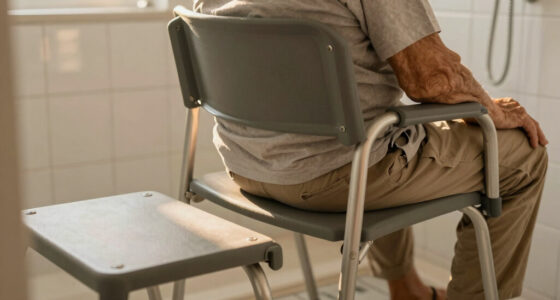
Making your bathroom more accessible can be as simple as adding a raised toilet seat or a handheld showerhead. These items are often adjustable and can be installed without tools or damage to walls, making them ideal for quick upgrades or temporary solutions. They promote independence and reduce the risk of falls by providing support where needed most.
For example, a caregiver added a portable shower chair and a handheld sprayer, making bathing safer and more comfortable for her mother. These modifications can be easily removed or repositioned, providing flexibility without permanent alterations. They also allow users to customize their environment based on changing needs, which is especially important for seniors or individuals with mobility limitations.
Other tips include:
- Using adjustable-height fixtures to accommodate different users and prevent awkward postures.
- Adding a shower bench or seat to provide stable support during bathing.
- Replacing standard fixtures with accessible models designed for ease of use and safety.
Maintenance Tips to Keep Your Bathroom Safe Year-Round
Regular checks are key to keeping your safety upgrades effective. Look for loose grab bars, moldy non-slip mats, or flickering lights. Fix or replace damaged safety devices immediately to prevent accidents caused by equipment failure or deterioration. Maintaining a proactive schedule ensures hazards are identified before they lead to falls or injuries, preserving the integrity of your safety measures over time.
For instance, a homeowner scheduled quarterly inspections, which caught a loose grab bar before it caused a fall. Consistent maintenance not only extends the lifespan of safety devices but also reinforces a culture of safety in your home. Regular cleaning, tightening, and replacing worn components help prevent unseen hazards, like mold or corrosion, that can compromise safety and health.
Understanding that maintenance is an ongoing process is crucial because safety devices can degrade over time or become less effective due to environmental factors. For example, a non-slip mat that isn’t cleaned regularly can develop slick patches or mold, negating its safety benefits. Similarly, light bulbs that flicker or burn out can leave areas inadequately lit, increasing fall risk. By adopting a regular maintenance routine, you ensure that your safety measures remain functional and effective, ultimately protecting everyone in your household.
The Latest Safety Tech and Innovations You Can Add Without a Remodel
New safety gadgets make it easier than ever to upgrade your bathroom. Portable grab bars with suction cups, smart lighting that responds to voice commands, and sensor-based emergency alerts are among the latest innovations designed to enhance safety without invasive installations.
For example, a senior added a voice-activated light, which she could turn on from bed—eliminating late-night hazards. These innovations are especially valuable for those who want to improve safety but avoid permanent modifications or costly renovations. They often feature user-friendly designs, quick setup, and minimal maintenance, making them accessible options for many households.
Popular options include:
- Suction-cup grab bars for renters or temporary setups, offering stability without drilling.
- Wireless emergency call systems that provide quick access to help in case of a fall or injury.
- Smart sensors that monitor movement and alert caregivers, offering peace of mind for family members and professionals alike.
Frequently Asked Questions
What are the easiest safety upgrades I can do myself?
Adding non-slip mats, installing temporary suction grab bars, and switching to brighter bulbs are quick, simple projects. Most of these can be done with basic tools and take less than an hour.
Are there temporary or portable safety devices suitable for renters?
Yes, suction-cup grab bars, portable shower chairs, and wireless emergency call systems are all renter-friendly options. They don’t require drilling or permanent changes and can be moved easily.
How do I choose the best non-slip mats or coatings?
Look for products with high traction ratings, made of durable, easy-to-clean materials. Rubber mats with textured surfaces and adhesive strips with strong grip are popular choices. Replace worn mats every 2-3 years for continued safety.
Can I install grab bars without damaging the wall?
Yes, suction-cup grab bars or tension-mounted bars can be installed without drilling. Just ensure they are securely attached and regularly checked for stability.
What safety features are best for elderly or disabled family members?
Features like grab bars, raised toilet seats, handheld showerheads, and non-slip surfaces are highly recommended. Focus on ease of use and secure installation to promote independence and prevent falls.
Conclusion
Improving bathroom safety doesn’t have to come with a wrecking ball or a hefty price tag. With a few targeted upgrades—grab bars, better lighting, non-slip surfaces—you can create a space that feels safer and more comfortable for everyone.
Imagine stepping into your bathroom, confident that each step is secure. That peace of mind is just a few simple changes away. Why not start today?
College move-in / dorm season Picks
dorm essentials
As an affiliate, we earn on qualifying purchases.