TL;DR
Get ready for Prime Big Deal Days — try Prime free
Exclusive member deals on October 6–7, plus fast free delivery. Cancel anytime.
Start your free trialAs an affiliate, we earn on qualifying purchases.
A bathroom safety upgrade involves assessing hazards, adding slip-resistant surfaces, installing sturdy grab bars, improving lighting, and embracing new smart tech. These simple steps can significantly reduce fall risks and improve safety for everyone, especially seniors.
Start with a thorough risk assessment to target your safety upgrades effectively.
Installing grab bars and non-slip surfaces offers the biggest fall reduction impact.
Good lighting and organized storage prevent many common bathroom accidents.
Smart technology and innovative materials now make bathroom safety easier and longer-lasting.
A step-by-step checklist keeps your renovation simple and manageable.
A Simple Bathroom Safety Upgrade Plan
Turn the room you use every day into a more secure, comfortable space—without beginning with a major remodel. Assess the hazards, improve traction and support, brighten every route, and make essential controls easier to use.
Read the room before buying anything.
Walk through the bathroom as if the floor were wet and visibility were poor. Pay special attention to transfers, tight turns and anything that encourages bending, stretching or grabbing an unsecured fixture.
Wet, smooth floors
Check tile, tub and shower surfaces when damp. Loose rugs and shifting mats create additional trip points.
Unsecured fixtures
A towel rack is not a grab bar. Test rails, seats and fixtures for movement before relying on them.
Shadows and glare
Look for dim corners, harsh reflections and an unlit nighttime route between the door, toilet and sink.
Awkward storage
Move daily toiletries between waist and shoulder height so no one needs to overreach or crouch.
Scalding water
Hard-to-turn controls and sudden temperature changes are especially hazardous for children and seniors.
Thresholds and turns
Raised shower edges, narrow entries and poorly placed fixtures can obstruct people with limited mobility.
Traction and support do the heaviest lifting.
Begin where evidence and everyday usefulness overlap. Floors and grab bars address the most immediate fall risks, while lighting, storage and easier controls reinforce the safety system.
A five-step route to a safer bathroom.
Complete quick, affordable changes first, then move toward fixture or layout upgrades. This sequence keeps the project focused and makes each improvement easier to verify.
Assess
Find slippery areas, shadows, loose fixtures, clutter and difficult transitions.
Add traction
Use secured mats, decals, textured tile, vinyl or durable transparent coatings.
Install support
Place textured grab bars near the toilet, inside the shower and beside the tub.
Improve visibility
Add bright, even LEDs and motion lighting without creating glare or deep shadows.
Simplify use
Choose lever controls, anti-scald protection, reachable storage and accessible fixtures.
| Upgrade | Best for | Impact | DIY friendly | Maintenance |
|---|---|---|---|---|
| Secured non-slip mat | Fast traction in tub or shower | ✓ High | ✓ Yes | Clean and inspect weekly |
| Textured flooring | Durable, room-wide traction | ✓ High | ✗ Usually not | Scrub texture regularly |
| Stud-anchored grab bars | Transfers, standing and balance | ✓ High | ~ Depends | Test for movement monthly |
| Motion-activated LEDs | Nighttime visibility | ~ Medium | ✓ Often | Check sensors and batteries |
| Lever or touchless faucet | Limited grip or dexterity | ~ Medium | ~ Depends | Clean sensor and seals |
| Thermostatic mixing valve | Preventing sudden scalds | ✓ High | ✗ Professional | Test temperature control |
| Walk-in shower | Long-term accessible design | ✓ High | ✗ Professional | Inspect drainage and seals |
Keep traction dependable
- Dry pooled water with a squeegee or towel after bathing.
- Replace mats when edges curl, backing cracks or grip weakens.
- Clean textured surfaces thoroughly to control dirt and mold.
Keep support dependable
- Check grab bars, shower seats and rails for any movement.
- Never substitute towel racks for weight-bearing support.
- Reassess placement when a resident’s mobility needs change.
Smart technology can quietly reinforce safety.
Newer safety features are most valuable when they remove friction from everyday routines. Prioritize dependable automation, simple controls and features that still work clearly during stressful moments.
Motion lighting
Illuminates nighttime routes without requiring someone to reach for a switch in the dark.
Voice and sensor controls
Make lights and faucets easier to operate for users with reduced grip or limited mobility.
Emergency alerts
Connected call systems can help a senior quickly request assistance after an incident.
Thermostatic protection
Maintains steadier water temperature while modern water-saving fixtures reduce waste.
Make the room safer, one box at a time.
A good plan remains practical: tackle immediate hazards now, schedule structural work carefully and revisit every feature as household needs evolve.
Inspect every wet-zone surface
Secure mats or decals and identify flooring that needs a permanent traction upgrade.
Map grab-bar positions
Cover the toilet, shower and tub transitions; confirm structural anchoring before installation.
Test lighting day and night
Remove shadowed corners and glare while ensuring the nighttime route is automatically visible.
Clear the floor and reach zones
Store frequently used products at a comfortable height and remove unstable furniture or clutter.
Simplify water controls
Consider lever or touchless fixtures and professional anti-scald protection where appropriate.
Plan for changing mobility
Evaluate a threshold-free shower, handheld showerhead and seating for longer-term accessibility.
Start by Spotting Bathroom Hazards — What Could Go Wrong?
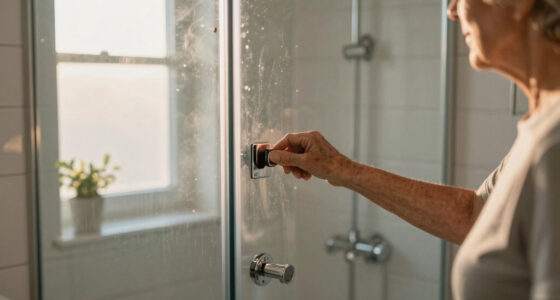
The first step in any safety upgrade plan is identifying risks. Look around your bathroom. Are the floors slippery when wet? Are fixtures loose or sharp? Is lighting dim? For example, a loose towel rack might seem minor until it causes a fall. Consider the needs of older adults or those with limited mobility—what’s safe for one person might be hazardous for another. Making a quick assessment of these hazards sets the foundation for effective improvements.
As an affiliate, we earn on qualifying purchases.
How to Make Floors Safer with Slip-Resistant Surfaces
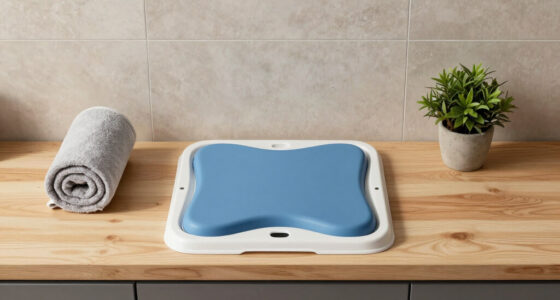
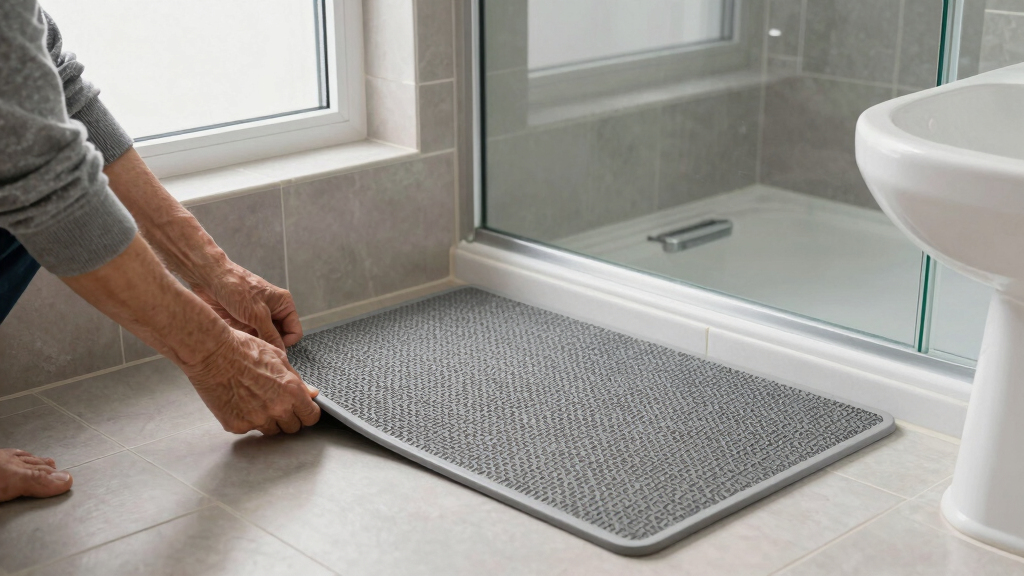
- Replace or cover slippery tiles in the shower and bathtub with textured, slip-resistant tiles or vinyl mats.
- Use non-slip decals or mats that grip the floor and prevent slipping, especially in high-risk areas.
- Keep floors dry—use a squeegee or towel to wipe up excess water after showers.
As an affiliate, we earn on qualifying purchases.
Adding Support: Grab Bars and Handrails That Really Help
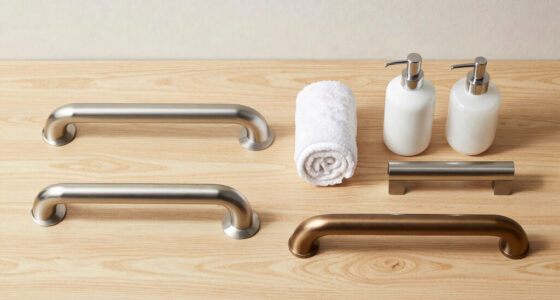
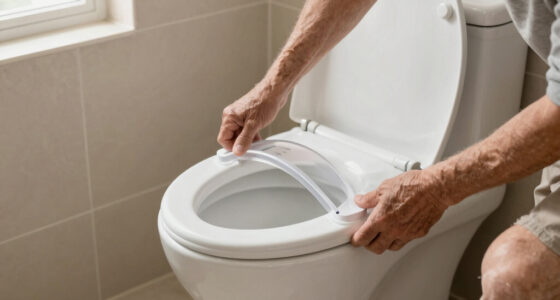
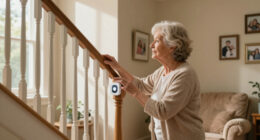
Installing sturdy grab bars near the toilet, inside the shower, and on the bathtub edge is a game-changer. They should be anchored into wall studs for maximum strength. For example, a senior who uses a grab bar to steady herself when rising from the toilet reduces her fall risk significantly. Choose models with textured grips for a secure hold. These fixtures are inexpensive and can be installed in less than an hour, offering peace of mind and stability. The importance of support fixtures goes beyond mere convenience; they serve as critical safety anchors that can prevent serious injuries. Proper placement—such as at hand level—ensures they are accessible when needed most. The tradeoff involves potential wall damage or the need for reinforcement if installing in drywall without studs, which might require additional work or professional help. Nonetheless, their benefits in reducing falls outweigh these considerations, especially when installed correctly.
As an affiliate, we earn on qualifying purchases.
Brighten Your Bathroom — Why Good Lighting Matters
Poor lighting turns a safe bathroom into a hazard. Bright, even lighting helps you see every step clearly. Consider adding overhead lights or wall-mounted fixtures. Motion-activated lights can make nighttime visits safer and more convenient. For example, a simple LED strip along the vanity can illuminate your path without blinding glare. Better lighting reduces accidents caused by missteps or missed hazards. Proper lighting is crucial because it directly impacts visibility, especially in areas with shadows or dim corners. When lighting is inadequate, small hazards like uneven floors or misplaced objects become hard to detect, increasing fall risk. Upgrading to brighter, energy-efficient fixtures, such as LEDs, can improve safety while reducing electricity costs. Motion sensors add the benefit of automatic illumination, which is particularly helpful for seniors or anyone with mobility issues. However, consider the placement to avoid glare or shadows, which can also cause accidents. Balancing brightness and comfort ensures the space is both safe and inviting.
As an affiliate, we earn on qualifying purchases.
Easy-to-Use Faucets and Anti-Scald Devices for Comfort and Safety
Faucets should be simple to operate—lever handles or touchless models are best. Anti-scald devices prevent sudden burns by regulating water temperature. For instance, a touchless faucet not only reduces contact germs but also allows gentle, effortless control. Installing thermostatic mixing valves can keep water at a safe, consistent temperature, especially important for children or seniors with sensitive skin. These fixtures are crucial because hot water burns are a common cause of injury in bathrooms, especially for vulnerable populations. Easy-to-operate fixtures reduce the risk of accidental scalds caused by sudden temperature spikes. Anti-scald devices and thermostatic valves create a barrier against such hazards, but they require proper installation—sometimes professional—to ensure they function correctly. The tradeoff involves initial cost and complexity, but the safety benefits, particularly in households with children or seniors, make these investments worthwhile. Ultimately, these features provide peace of mind by maintaining a controlled water temperature, preventing injuries, and enhancing overall comfort.
Organize for Safety — Clutter-Free, Accessible Storage
Keep daily essentials within arm’s reach. Use shelves, baskets, and containers to reduce the need to stretch or bend dangerously. Imagine a shower caddy that holds shampoo, soap, and razors neatly at waist level. Clutter increases fall risk—so organize your toiletries and keep the floor clear. Clear pathways and easy access reduce the temptation to overreach or stumble. Beyond preventing trips, organized storage makes the bathroom more functional and less stressful. When items are stored properly, you avoid dangerous overreaching or trying to balance precariously on tipsy shelves. Proper placement of frequently used items minimizes the need to bend or stretch, which can cause imbalance or falls, especially for those with limited mobility. The tradeoff may involve reorganizing existing space or investing in additional storage solutions, but the safety benefits are substantial. An orderly bathroom fosters confidence and reduces hazards, making daily routines safer and more efficient.
Designing for Accessibility — Walk-In Showers and Adjustable Fixtures
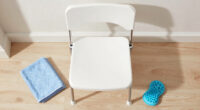
Consider a walk-in shower with no threshold—it’s easier to step into and reduces tripping hazards. Use adjustable or handheld showerheads for comfort and control. For example, a senior with limited mobility can sit while showering if the fixtures are adjustable and within reach. These features support aging in place and make the bathroom usable for everyone, regardless of mobility level. Accessibility features not only prevent falls but also promote independence. Walk-in showers eliminate the risk of tripping over a tub edge, which is a common accident point. Adjustable fixtures allow users to customize their experience, reducing strain and increasing safety. However, integrating these features may involve remodeling or installing specialized equipment, which can be a tradeoff in terms of cost and effort. Still, the long-term safety and convenience benefits—especially for aging populations—far outweigh initial inconveniences. Thoughtful design can transform a typical bathroom into a universally safe space, accommodating diverse needs while maintaining style.
Smart Tech and New Materials — The Future of Bathroom Safety
Recent innovations bring sensors, voice controls, and emergency alerts right into your bathroom. Imagine a shower with a built-in sensor that detects a fall and sends an alert to a caregiver. Advanced non-slip coatings and textured tiles last longer and stay effective over time. Eco-friendly fixtures with safety features are becoming standard, offering durability and peace of mind. These smart and durable options elevate safety without complicating daily routines. The significance of these innovations lies in their ability to provide proactive safety measures—detecting falls or hazards automatically and alerting caregivers or family members instantly. New materials like textured tiles and non-slip coatings are designed to withstand wear and maintain slip resistance over years, reducing the need for frequent replacements. While these technologies and materials may require initial investment, they often lead to lower maintenance costs and increased safety assurance. As technology advances, integrating these solutions can make your bathroom a high-tech safe haven, combining convenience with increased security, especially for vulnerable users.
Putting It All Together — Your Simple Upgrade Checklist
| Task | Details |
|---|---|
| Assess | Identify hazards and needs |
| Non-slip surfaces | Textured tiles, decals, mats |
| Support fixtures | Grab bars, handrails |
| Lighting | Bright, even, motion-activated |
| Fixtures | Lever or touchless faucets, anti-scald |
| Organization | Accessible storage, clear pathways |
| Accessibility | Walk-in shower, adjustable fixtures |
Frequently Asked Questions
What are the most affordable safety upgrades I can do myself?
Adding non-slip decals or mats, installing temporary grab bars, and improving lighting are simple and inexpensive upgrades. These can be done in a weekend and dramatically boost safety without major costs.
How do I choose the best grab bars and fixtures?
Look for sturdy models that specify wall stud installation for maximum support. Choose textured grips and easy-to-operate levers. Consult product labels or a professional for proper placement based on your needs.
Are smart safety devices worth the investment?
Yes, especially for seniors or those living alone. Sensors, voice-activated controls, and emergency alert systems can provide peace of mind and quick assistance if needed. They’re becoming more affordable and user-friendly each year.
How often should I check or replace safety features?
Inspect grab bars, non-slip mats, and lighting every 6 to 12 months. Replace any worn or loose fixtures promptly to maintain effectiveness. Regular upkeep ensures ongoing safety and peace of mind.
Conclusion
A safe bathroom isn’t about massive renovations — it’s about smart, practical changes you can make today. Think of it as creating a calm, secure space where every step feels stable and confident. Your bathroom should be a place of comfort, not concern.Fall Picks
fall essentials
As an affiliate, we earn on qualifying purchases.