TL;DR
Listen free for 30 days with Audible
Thousands of audiobooks and originals — cancel anytime.
Start your free trialAs an affiliate, we earn on qualifying purchases.
Bathing alone increases fall risk, but simple modifications, assistive devices, and smart technology can make the process safer. Proactive safety measures help maintain independence while reducing injury chances.
Bathing alone can feel like a moment of peaceful solitude — until a slip or fall changes everything. For many living solo, the bathroom is a risky zone where accidents happen more often than we’d like. But it doesn’t have to be this way.
This guide walks you through concrete steps to make your bathroom safer, backed by the latest innovations and practical advice. Whether you’re aging in place or caring for a loved one, these tips help preserve independence without sacrificing safety.
Install grab bars, non-slip mats, and good lighting to reduce fall risk during bathing.
Use assistive devices like transfer benches and handheld showers for added stability.
Leverage smart safety tech, such as fall detectors and waterproof alarms, for proactive help.
Plan ahead: know what to do if you fall, and keep emergency contacts accessible.
Seek professional assessments or community programs if mobility challenges or past falls are concerns.
Bathing Safely When You Live Alone
TL;DR: Bathing alone increases fall risk, but simple modifications, assistive devices, and smart technology can make the process safer. The goal is not fear. It is a bathroom that protects your independence every time you step in.
Possible with grab bars, non-slip surfaces, and hazard removal.
Often happen during transfers or stepping in and out.
Modify the space, use aids, add alerts, rehearse a plan.
Waterproof alerts and sensors can summon help quickly.
Build a Bathroom You Can Trust
Think of the room as a safety zone. The biggest wins are practical: stable handholds, dry footing, clear movement paths, bright lighting, and a seated option for showering or transfers.
Install grab bars where movement changes
Place them near the shower, tub, and toilet so support is available before, during, and after a transfer.
Use non-slip surfaces inside and outside
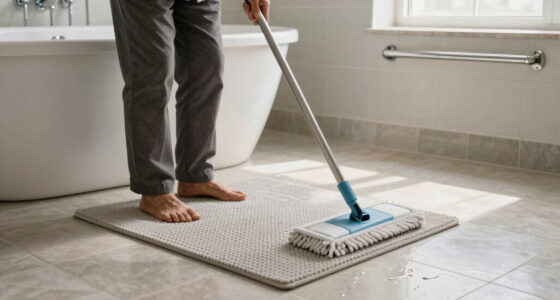
Non-slip mats, textured strips, and dry floor zones reduce the chance that one wet step becomes a fall.
Make lighting bright but not glaring
Good lighting helps you see water, soap, edges, and obstacles without creating harsh glare on wet tile.
Five-Step Safety Flow
Safe bathing is a sequence, not a single product. Each step reduces a different kind of risk and keeps help reachable if something goes wrong.
Clear the path
Remove loose rugs, clutter, cords, and anything that narrows movement.
Add stable support
Use properly installed grab bars, a bath chair, or a transfer bench.
Reduce reaching
Keep soap, towels, controls, and a handheld shower within easy reach.
Set up alerts
Wear or place a waterproof panic button or fall detector nearby.
Rehearse the plan
Know who to call, how to stay calm, and where help can reach you.
Where Risk Drops Fastest
The strongest safety gains come from combining environmental changes with assistive devices. Technology adds another layer when manual calling may be difficult.
Impact of Common Safety Measures
Assistive Devices That Matter
- Handheld shower Reduces twisting, stretching, and unstable repositioning.
- Transfer bench Lets you sit first, then slide safely into the tub area.
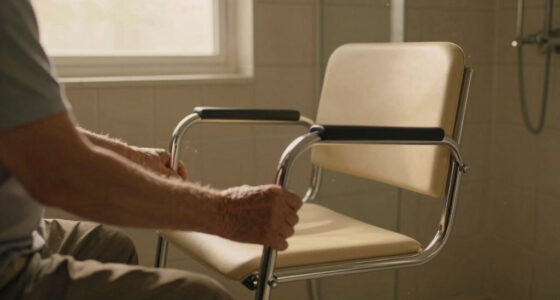
- Bath chair Provides seated stability when standing feels risky or tiring.
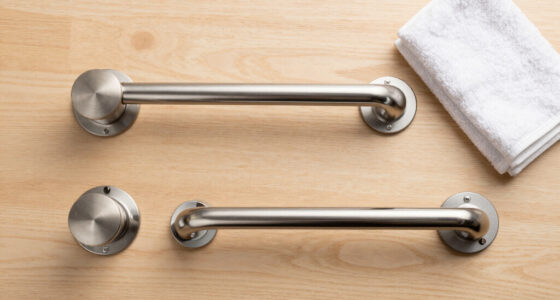
- Grab bars Create reliable handholds at the moments slips usually happen.
Traditional Aids vs. Smart Safety Tech
Traditional aids are easy to install and immediately useful. Smart technology adds automatic detection, faster alerts, and remote monitoring for people who live alone.
| Feature | Traditional Aids | Smart Technology | Best Use |
|---|---|---|---|
| Fall detection | ✗ No automatic detection | ✓ Wireless sensors or wearables can detect falls | People who may be unable to call after a fall |
| Emergency alerts | ~ Manual call button or phone | ✓ Waterproof panic button or automatic alert | Anyone bathing without nearby support |
| Monitoring | ✗ No ongoing signal | ✓ Remote check-ins and inactivity alerts | Caregiver visibility without constant supervision |
| Installation | ✓ Simple hardware and fixtures | ~ May need Wi-Fi, charging, or setup | Combine both when risk is elevated |
If You Fall, Use a Calm Sequence
Every second matters, but panic burns energy. A simple response plan helps turn a frightening incident into a manageable emergency.
- Stay seated and breathe Avoid rushing to stand. Check for pain, dizziness, or bleeding before moving.
- Trigger your alert Press a waterproof panic button, activate a wearable, or call from a reachable phone.
- Make noise if needed Call loudly, knock on a wall, or use any nearby object to attract attention.
- Review the cause After medical care, identify the hazard and modify the bathroom before bathing alone again.
Traceability: From Hazard to Independence
The safest approach connects prevention, support, response, and review. Call in an occupational therapist, home safety expert, or community program when mobility changes, past falls, or tub transfers are becoming difficult.
Hazard spotted
Slippery floor, high tub wall, dim lighting, or awkward reaching.
Fix selected
Grab bar, non-slip mat, shower seat, handheld shower, or bench.
Alert added
Wearable detector, waterproof alarm, caregiver check-in, or phone plan.
Routine protected
Safer bathing, faster help, and more confidence living independently.
How to Create a Safer Bathroom You Can Trust
Every second counts if you slip or fall in the bathroom. The first step is designing a space that minimizes hazards. Think of your bathroom as a safety zone — where every detail counts.
Start with installing grab bars near the shower, tub, and toilet. Use non-slip mats both inside and outside the shower or tub. Keep pathways clear of clutter and ensure good lighting — bright but not glaring. And consider adding a shower seat or transfer bench for stability during transfers.
For example, a friend installed a handheld shower head and a sturdy grab bar after a fall scare. Now, they shower comfortably, feeling secure and in control.
As an affiliate, we earn on qualifying purchases.
Essential Assistive Devices That Make Bathing Safer
Assistive devices are game changers for solo bathers. They serve as vital tools that compensate for mobility limitations, reduce the physical effort needed, and help prevent accidents. When selecting these devices, it’s important to consider how they fit into your routine, how easy they are to use, and whether they address specific safety concerns. For example, a well-placed grab bar can serve as a stable handhold during transfers, but if it’s not positioned correctly, it might not provide the support needed during a slip. Similarly, a bath chair that is too low or unstable can cause more harm than good. Investing in quality, properly installed equipment ensures safety and confidence in the bathroom. These devices don’t just prevent falls—they empower you to maintain independence and dignity during bathing routines, which are often overlooked as critical moments for safety.
- Handheld showers: Easier to control and reach, reducing the need for twisting or stretching.
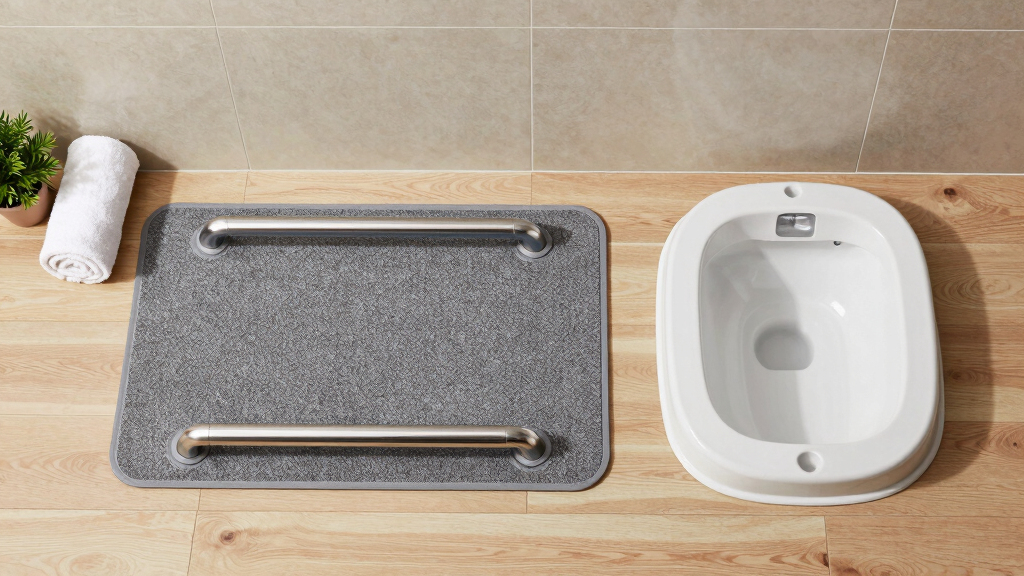
- Transfer benches: Allow sitting outside the tub and sliding in safely, perfect for those with limited mobility.
- Bath chairs: Provide a sturdy seat inside the shower or tub, preventing slips.
- Grab bars: Strategically placed, they act as safety anchors during transfers and standing.
Choosing the right assistive devices and installing them correctly is crucial because poorly selected or positioned tools can inadvertently create new hazards. For instance, a grab bar that is too high or too low may not support you properly during a slip, and a poorly secured transfer bench could shift, causing falls. Therefore, consulting with a professional or thoroughly researching products ensures that your safety equipment truly functions as intended. These devices are investments in your independence, but only if they are used correctly and suited to your specific needs.
As an affiliate, we earn on qualifying purchases.
Comparing Smart Tech and Traditional Safety Aids
| Feature | Traditional Aids | Smart Technology |
|---|---|---|
| Fall detection | None | Wireless sensors detect falls and alert a caregiver or emergency service, providing immediate response which can be critical in preventing serious injury or complications. |
| Emergency alerts | Manual call buttons or phone calls | Waterproof panic buttons or wearable devices that automatically send alerts when activated, reducing the reliance on memory or manual intervention during emergencies. |
| Monitoring | None | Remote health monitoring through connected devices offers ongoing insights into your safety and health, allowing for proactive interventions before incidents occur. |
| Installation | Simple hardware like grab bars | Requires setup of sensors, alarms, and possibly a Wi-Fi connection, which may involve more initial effort but provides comprehensive safety coverage. |
While traditional aids are straightforward and easy to implement, smart devices add a layer of proactive safety by continuously monitoring and alerting. This proactive approach can be the difference between a minor incident and a major injury, especially as it provides timely alerts that can save lives and reduce injury severity. For example, a waterproof fall detector can notify family members or emergency services instantly if a fall occurs, even if you’re unable to call for help yourself. Understanding the tradeoff involves considering the initial setup effort versus the potential lifesaving benefits, which often makes smart technology a worthwhile investment for those living alone.
As an affiliate, we earn on qualifying purchases.
How to Prepare for a Fall or Emergency in the Bathroom
- Stay calm. If you fall, try to stay seated and breathe deeply to conserve energy and prevent panic, which can worsen injuries or make recovery harder.
- Use your emergency alert system if available — press your waterproof panic button or activate your wearable device. These tools are designed to provide immediate help, reducing the time you might spend on the floor waiting for assistance.
- If no system is in place, call for help loudly or use a nearby phone if accessible. Yelling or making noise can attract attention, especially if you’re alone, increasing the chance that someone nearby will assist or call emergency services.
- Once help arrives, get checked by medical professionals and consider safety modifications to prevent future incidents. Learning from each fall or near-fall can help you identify specific hazards and address them proactively.
Picture a neighbor hearing your fall and calling emergency services quickly. Having a plan makes all the difference in outcomes and recovery, turning a potentially catastrophic event into a manageable situation.
assistive transfer bench for shower
As an affiliate, we earn on qualifying purchases.
As an affiliate, we earn on qualifying purchases.
When to Call in Professionals for Bathroom Makeovers
If mobility issues or past falls make bathing risky, a professional assessment is wise. An occupational therapist or home safety expert can evaluate your space and recommend tailored modifications that address your specific needs and limitations.
For example, they might suggest replacing a tub with a walk-in shower, installing adjustable-height fixtures, or adding specialized seating. These modifications are not just about convenience—they directly reduce the risk of falls and injuries by creating a safer environment tailored to your abilities. The implications are significant: a well-designed bathroom can prevent accidents, prolong independence, and provide peace of mind. Investing in professional guidance ensures that the changes are safe, effective, and suited to your lifestyle.
Consider scheduling a safety review if you notice frequent slips, difficulty stepping into the tub, or if you’re simply worried about aging in place. Proactive assessment can save you from costly repairs or health setbacks later on.
Community Resources That Help Keep You Safe
Many local agencies and non-profits offer free or low-cost home safety assessments. These programs evaluate your bathroom’s hazards and suggest affordable modifications, often tailored specifically for seniors or those with mobility challenges. These assessments are valuable because a professional eye can identify risks you might overlook, such as improper grab bar placement or inadequate lighting, which are critical for preventing falls.
Some communities provide equipment loans, installation assistance, or safety classes tailored for seniors. Checking with your local senior center or health department can open up helpful support networks that not only improve safety but also foster community connection and shared learning. For example, a senior in a small town received a free safety kit that included grab bars, non-slip mats, and a consultation, all helping her stay independent longer. These resources often come with guidance on how to maintain and use safety equipment effectively, making them a vital part of a holistic approach to fall prevention.
Frequently Asked Questions
How can I make my bathroom safer without major renovations?
Start with simple upgrades like installing grab bars, non-slip mats, and good lighting. These small changes dramatically lower fall risks and are easy to do yourself or with minimal help.Are there affordable tech options for safety monitoring?
Yes, waterproof fall detectors, wearable emergency alarms, and simple sensors can be affordable and easy to set up. They offer peace of mind by alerting others quickly if needed.What should I do if I have mobility issues and live alone?
Consult a home safety professional or occupational therapist. They can recommend personalized modifications like walk-in showers or height-adjustable fixtures that make bathing safer and more comfortable.How can I convince my loved one to improve bathroom safety?
Share stories or examples of accidents and emphasize how small upgrades can preserve independence. Offer to help with the modifications or explore community programs together.Conclusion
Bathing safely when you live alone is about more than just equipment — it’s about creating a space that invites independence while protecting your well-being. Small changes now can prevent big accidents later.
Picture a bathroom where you feel confident and secure. That’s the goal. Take action today — your safety, dignity, and freedom depend on it.
NFL season / tailgating Picks
team gear
As an affiliate, we earn on qualifying purchases.