TL;DR
Open a free Amazon Business account
Business pricing, bulk buying and tax-exempt orders.
Create a free accountAs an affiliate, we earn on qualifying purchases.
Properly placed grab bars in the bathroom can cut fall risk by up to 60%. Install them near the shower, toilet, and sink at recommended heights using durable, secure methods for maximum safety.
Imagine the sound of a fall in the bathroom — a sharp thud that could lead to serious injury. Now picture how a well-placed grab bar could have prevented that. It’s not about turning your bathroom into a hospital room; it’s about smart, simple steps to protect your independence and dignity.
In this guide, you’ll learn exactly where to install grab bars for maximum safety. Whether you’re a caregiver or planning your own space, understanding these key spots can make all the difference in preventing slips and giving everyone in your home a little more confidence.
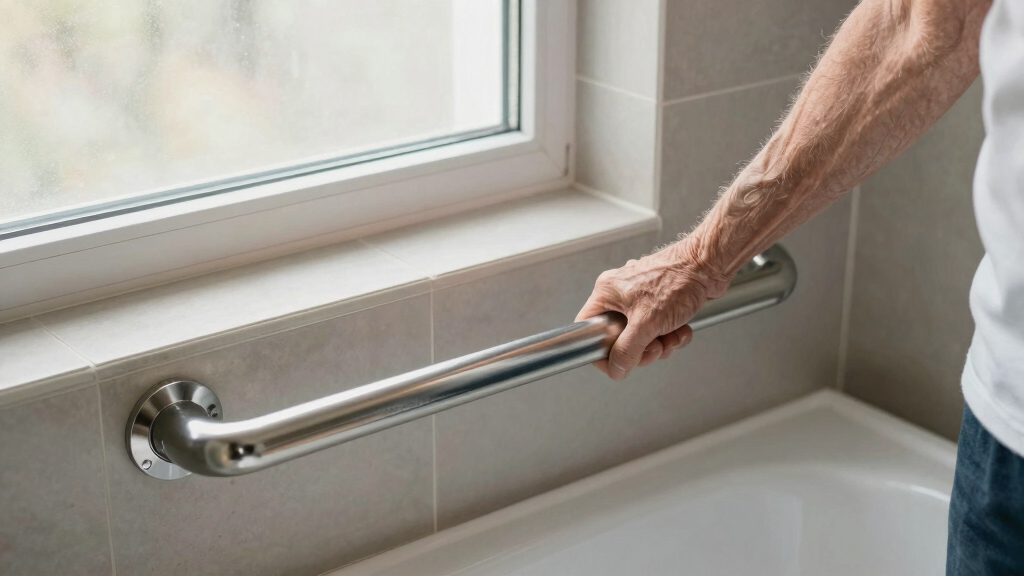
Install grab bars near the shower entrance, back wall, and beside the toilet at 33-36 inches high.
Choose durable materials like stainless steel for safety and longevity.
Secure grab bars into wall studs or reinforced anchors for maximum support.
Recent designs blend safety with style — look for adjustable, modular, or smart options.
Proper placement can cut fall risk by up to 60%, making a real difference in safety.
Where to Place Grab Bars in the Bathroom
TL;DR: Properly placed grab bars can cut bathroom fall risk by up to 60%. Put them near the shower entrance, shower back wall, toilet, and sink when needed, using secure installation at the right height.
A grab bar should be exactly where balance is most likely to disappear.
Think transitions: stepping in, sitting down, standing up, reaching, turning, and exiting wet areas.Put support at the risky moments.
Grab bars work best where people transfer, turn, step over thresholds, or regain balance. The goal is not a clinical bathroom; it is a room where steady support is always within reach.
Vertical grip for stepping in and out
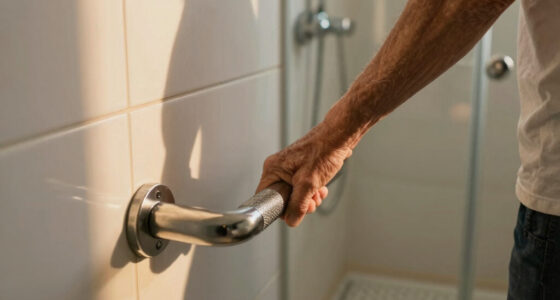
Place a vertical bar 6-12 inches from the opening so users can steady themselves before crossing a wet threshold.
Horizontal support while standing
Mount a horizontal bar at 33-36 inches high, spanning enough wall space to help with standing, turning, or sitting.
Leverage for sitting and standing
Use a side-wall or rear-wall bar aligned with the user’s seated and standing reach, typically within the same 33-36 inch range.
The safest height is the one the hand finds naturally.
The common recommendation is 33-36 inches above the floor, but user height, wheelchair use, transfer style, and grip strength should guide final placement.
Best bathroom zones for grab bars.
Use this as a practical placement checklist. Permanent mounting into studs or reinforced anchors remains the safest choice for primary support.
| Location | Why It Matters | Ideal Placement | Primary Type | Safety Fit |
|---|---|---|---|---|
| Shower Entrance | Support for stepping in and out, especially with balance limits. | Vertical, 6-12 inches from shower or tub opening. | ✓ Vertical | ✓ Essential |
| Shower Back Wall | Stability while standing or sitting in the shower. | Horizontal, 33-36 inches high, spanning useful reach. | ✓ Horizontal | ✓ Essential |
| Toilet Side or Rear | Eases sitting down and standing up during high-risk transfers. | Side or rear wall at 33-36 inches, aligned with user reach. | ~ Vertical or horizontal | ✓ Essential |
| Near Sink | Extra balance during grooming, reaching, or turning. | Within easy reach, without blocking daily use. | ~ Task-specific | ~ As needed |
| Suction Only | Can help temporarily but should not replace structural support. | Use only on compatible surfaces and check before each use. | ✗ Not primary | ✗ Temporary |
From risk point to reliable support.
A good installation follows a simple chain: identify the vulnerable motion, position the bar at reachable height, then secure it with materials that can carry real body weight.
Find the transfer
Look for stepping, sitting, standing, turning, and wet-floor transitions.
Match the bar
Use vertical bars for entry and horizontal bars for standing support.
Set the height
Begin at 33-36 inches, then adapt to the actual user.
Anchor securely
Fasten into studs or reinforced anchors rated for support.
Test the reach
Confirm the hand finds the bar before balance is lost.
Safety can look built-in, not bolted on.
Modern grab bars can blend with fixtures while still providing serious support. Prioritize strength first, then select finishes and shapes that encourage daily use.
Stainless steel
Durable, corrosion-resistant, and suitable for wet bathroom environments where longevity matters.
Textured or coated
A textured finish can improve hand purchase, especially in showers where soap and water reduce friction.
Modular and adjustable
Flexible designs help fit unusual layouts and changing needs without making the bathroom feel institutional.
Sensors and alerts
Some newer products explore caregiver alerts, antimicrobial finishes, and smart safety features.
How placement becomes confidence.
Every bar should connect a real risk to a reliable support action. That is the difference between hardware on a wall and a bathroom that protects independence.
Can I install grab bars myself?
Yes, if you understand wall structure and use proper fasteners. Otherwise, professional installation is the safer choice.
Are decorative bars safe?
They can be, but only if they are rated for support and installed into studs or reinforced anchors.
A few inches can change the whole bathroom.
Placing grab bars is not just about compliance. It is about giving people steady, dignified support at the exact moments they need it most: entering the shower, standing under water, sitting at the toilet, and moving through everyday routines with more confidence.
Where to Install Grab Bars for Maximum Safety
Grab bars should be placed where support is most needed — typically near the shower, toilet, and sometimes the sink. These points are critical because they are the areas where balance is most often lost or where the risk of slipping is highest. Proper placement ensures that individuals have a reliable support point during transitions, which can significantly reduce fall risk. For example, a vertical bar beside the toilet allows a person to stabilize when sitting or standing, reducing the chance of losing balance during these vulnerable moments. In the shower or tub, multiple strategically placed bars—such as a horizontal one on the back wall and a diagonal or vertical one near the entrance—create a comprehensive safety net. These placements help prevent slips during entry, exit, or while standing in the shower, especially for those with limited mobility or strength. The goal is to create a supportive environment where help is always within reach, and the risk of accidents is minimized through thoughtful positioning of these safety features.

Moen Home Care Bathroom Safety 24 Inch Stainless Steel Handicap Grab Bar for Bathtub and Shower, Heavy Duty Handle, Elderly Assistance Product with Concealed Screws, 8724
- Durable Stainless Steel Construction: Supports up to 500 lbs
- Easy Secure Mount Installation: Ensures safety and stability
- Stylish Warm Gray Finish: Coordinates with bathroom accessories
As an affiliate, we earn on qualifying purchases.
As an affiliate, we earn on qualifying purchases.
How High Should Grab Bars Be Installed? Exact Heights for Safety
Installing grab bars at the correct height is crucial because it directly impacts how effectively they can support a person during a fall or transfer. Most experts recommend placing grab bars between 33 and 36 inches above the floor, aligning roughly with waist height for most adults. This height allows users to grasp the bar comfortably without stretching or bending awkwardly, which could compromise their grip or balance. For example, a grab bar beside the toilet set at about 36 inches aligns with the seated hip height, making it easier to pull oneself up or sit down safely. However, individual needs vary: someone with limited mobility or using a wheelchair might require lower or multiple-height bars to ensure accessibility from different positions. The key is to consider the user’s height, mobility, and specific needs when choosing placement. Proper height placement not only enhances safety but also promotes independence, as users can rely on the grab bars to assist with daily transfers and movements without strain or risk of falling.
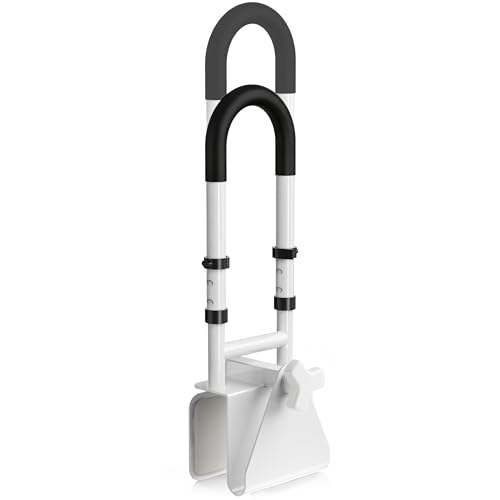
Adjustable Bathtub Safety Rail, Bathtub Handle Grab Bar
- Suitable for flat, smooth bathtub edges: Check bathtub edge before purchase
- Adjustable height from 15 to 18 inches: Customize rail height easily
- Fits tub walls 3 to 7 inches thick: Secure clamp for various wall thicknesses
As an affiliate, we earn on qualifying purchases.
As an affiliate, we earn on qualifying purchases.
The Best Locations for Grab Bars in Your Bathroom
| Location | Why It Matters | Ideal Placement |
|---|---|---|
| Shower Entrance | Support for stepping in and out, especially for those with balance issues or limited mobility | Vertical, 6-12 inches from the edge of the shower or tub opening, at a height that allows a firm grip during entry and exit |
| Shower Back Wall | Stability while standing or sitting in the shower, reducing the risk of slipping if balance is compromised | Horizontal, mounted at 33-36 inches above the floor, spanning the width of the shower or tub area for maximum support |
| Toilet Side or Rear | Eases sitting down and standing up, which are common moments of fall risk | Vertical or horizontal, positioned at 33-36 inches high, aligned with the user’s seated or standing height for optimal leverage |
| Near Sink (if needed) | Additional support for balance during grooming or reaching | Within easy reach, typically 33-36 inches high, placed to assist with tasks without causing obstruction |

Lianjindun Toilet Safety Rails, 350 lbs, Adjustable Height & Width
- Durable Aluminum Frame: Corrosion-resistant, supports up to 350 lbs
- Supports Mobility Needs: Assists sitting and standing safely
- Non-Slip Foam Handles: Secure grip for stability and comfort
As an affiliate, we earn on qualifying purchases.
As an affiliate, we earn on qualifying purchases.
Design and Material Tips for Safe, Discreet Grab Bars
Choose durable, corrosion-resistant materials like stainless steel for long-lasting safety. Modern designs blend seamlessly into your bathroom decor, reducing stigma and encouraging use. For example, sleek, matte-finish bars can look like a part of the towel rack, making safety stylish.
Look for features like antimicrobial coatings or textured surfaces for extra grip. Remember, the strongest bars support at least 250 pounds and are anchored into wall studs or reinforced with appropriate anchors.

12" Matte Black Wall Mount Grab Bar, 2 Pack, 500 lbs Heavy Duty for Seniors
- Material: Premium 304 stainless steel
- Durability: Rustproof and corrosion-resistant
- Weight Capacity: Supports up to 500 lbs
As an affiliate, we earn on qualifying purchases.
As an affiliate, we earn on qualifying purchases.
Recent Innovations Make Installing and Using Grab Bars Easier
New mounting brackets and suction-based models provide temporary options, perfect for renters or those who want flexibility. Modular and adjustable grab bars now fit a variety of bathroom layouts, making customization simple. Some smart designs even include sensors to alert caregivers if a fall occurs, adding a layer of safety.
Materials now include antimicrobial finishes that resist mold and corrosion, extending their lifespan and hygiene. Plus, aesthetic choices mean grab bars no longer look clinical — they’re now sleek, unobtrusive, and part of your bathroom design.
Key Facts About Proper Grab Bar Placement
Research shows that correctly placed grab bars can cut fall risk by up to 60%. The ADA recommends specific heights and locations for maximum accessibility. Proper installation not only prevents injuries but also boosts confidence in bathroom use, especially for seniors or those with mobility challenges.
Your Top Questions About Installing Grab Bars Answered
- Where should I install grab bars in my bathroom? Near the shower entrance, along the shower wall, beside the toilet, and possibly near the sink if support is needed.
- How high should grab bars be installed? Usually between 33 and 36 inches above the floor, adjustable based on user needs.
- Can I install grab bars myself? Yes, if you’re comfortable with basic tools and wall knowledge. Otherwise, a professional ensures safety.
- What materials are best? Stainless steel is most durable. Coated or plastic bars are less sturdy but may suit temporary needs.
- Are there different types of grab bars? Yes, including straight, angled, fold-down, and decorative options for different spaces and preferences.
Conclusion
Placing grab bars isn’t just about compliance — it’s about peace of mind. When positioned thoughtfully, they become silent guardians, supporting independence and preventing accidents. Think of them as invisible safety nets, ready to catch you at just the right moment.
Take a moment today to review your bathroom. A few strategic adjustments could make all the difference in how safe and confident you feel every day.
Back to school Picks
back to school
As an affiliate, we earn on qualifying purchases.