
TL;DR
Listen free for 30 days with Audible
Thousands of audiobooks and originals — cancel anytime.
Start your free trialAs an affiliate, we earn on qualifying purchases.
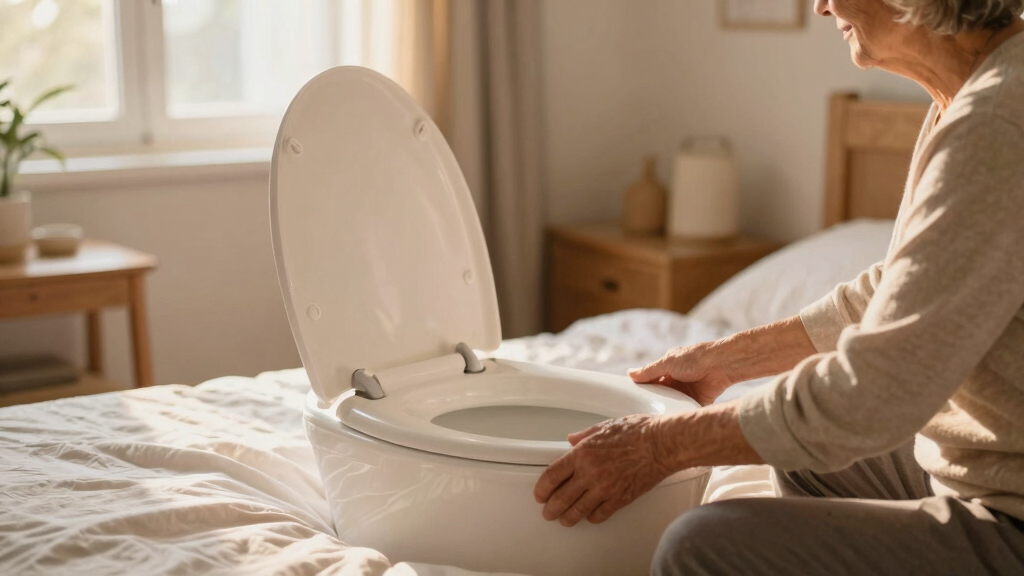
A raised toilet seat adds height to your toilet, making sitting and standing safer and easier. Recent features like adjustable heights and antimicrobial surfaces boost their practicality for daily life.
Imagine sitting down on the toilet without strain or worry. It’s a small act, but for many older adults or those with mobility challenges, it’s a daily hurdle. The good news? A simple device — the raised toilet seat — can turn that challenge into a smooth, safe routine.
In this guide, you’ll learn how a raised toilet seat makes daily life easier, what recent innovations are making them better, and how to choose the right one for your needs. Because safety and comfort shouldn’t be a compromise — they should be standard in your bathroom.
A raised toilet seat increases safety by reducing fall risk and makes sitting and standing easier for those with mobility challenges.
Recent models offer adjustable heights, antimicrobial surfaces, and portability, enhancing usability and hygiene.
Proper installation and correct height adjustment are essential for maximum safety and comfort.
Adding support aids like grab bars along with a raised seat significantly boosts stability and confidence.
Choosing the right seat depends on your specific needs, bathroom setup, and safety features desired.
How a Raised Toilet Seat Makes Daily Life Easier
A raised toilet seat adds height to your toilet, making sitting and standing safer and easier. For older adults, people with arthritis, or anyone recovering from surgery, that extra lift can turn a stressful bathroom transfer into a steadier, more dignified routine.
A few added inches can remove a lot of strain.
Modern seats now pair height with adjustable settings, locking bases, armrests, antimicrobial surfaces, and portable designs for safer daily use.
Independence starts with a shorter, steadier movement.
A standard toilet can feel low when knees, hips, balance, or strength are limited. Raising the seat reduces how far the body must lower and how hard it must push back up.
Less fall exposure
Shorter transfers can reduce wobbling, twisting, and sudden drops, especially when the seat locks firmly in place.
Lower joint strain
Extra height can ease pressure on knees, hips, and lower back for people with arthritis or post-surgery restrictions.
More private routines
When bathroom transfers feel manageable, users often need less hands-on help and can keep more control over daily care.
The right setup turns risk into routine.
The biggest safety gains come from matching the seat height to the user and pairing it with stable support features.
Practical rule
Choose a height that lets both feet rest flat on the floor while the knees sit near a 90-degree angle. Too low increases strain; too high can reduce stability.
Match the seat to the person, the toilet, and the daily routine.
Height matters, but the safest choice also depends on toilet shape, stability features, cleaning needs, and whether the seat must travel.
| Decision point | What to check | Why it matters | Risk if ignored |
|---|---|---|---|
| Height | ✓ 2 to 6 inches, adjustable if needs may change | Supports easier sitting and standing with feet flat | ✗ Instability, dangling feet, or extra strain |
| Compatibility | ✓ Round or elongated bowl fit | Prevents slipping, rocking, and awkward alignment | ✗ Wobble during transfers |
| Safety aids | ✓ Locks, non-slip base, armrests, grab bars | Adds stability when lowering or rising | ~ Higher cost or more setup steps |
| Hygiene | ✓ Antimicrobial or seamless surfaces | Simplifies cleaning and reduces buildup | ~ Coatings may wear over time |
| Portability | ✓ Lightweight, removable travel design | Maintains independence away from home | ~ May offer fewer fixed safety features |
Five checks before the seat becomes part of everyday life.
Proper installation and correct adjustment are what make the device safer instead of simply taller.
Measure height
Find the lift that keeps feet flat and knees near 90 degrees.
Check bowl fit
Confirm round or elongated compatibility before installation.
Lock it down
Secure clamps, knobs, or brackets so the seat does not shift.
Add support
Use grab bars or armrests when balance or strength is limited.
Recheck often
Test for wobble after cleaning, travel, or mobility changes.
Height comfort spectrum
Newer raised seats are more adjustable, cleaner, and easier to live with.
The category has moved beyond one fixed plastic riser. The best models now combine comfort, hygiene, and stability in ways that fit changing needs.
Custom heights
Fine-tune the elevation during recovery, changing mobility, or shared bathroom use.
Travel-ready independence
Lightweight removable seats help users keep safer routines while away from home.
Cleaner surfaces
Antimicrobial coatings and seamless shapes make daily cleaning simpler.
Smart alerts
Early sensor-based models may notify caregivers when a fall or assistance need is detected.
Why a Raised Toilet Seat Boosts Your Independence
When you add height to your toilet, sitting down and standing up becomes less of a chore. For someone with limited mobility or arthritis, lowering yourself onto a standard toilet can feel like a leap. A raised seat reduces that effort, making bathroom visits safer and more dignified.
For example, a person recovering from hip surgery might find a 4-inch raised seat makes all the difference. It’s like stepping onto a small platform — sturdy, familiar, and safe. That extra height can cut the effort needed by nearly 50%, according to an anonymous researcher.
This simple change fosters independence, letting users manage their daily routines without constant help or fear of falling.

Drive Medical 2-in-1 Raised Toilet Seat with Removable Padded Arms
- Easy-to-clean design: Designed for simple cleaning and maintenance
- Adds 5-inch height: Elevates toilet for easier sitting and standing
- Removable and adjustable arms: Customizable armrests for comfort and support
As an affiliate, we earn on qualifying purchases.
As an affiliate, we earn on qualifying purchases.
How a Raised Seat Prevents Falls and Injuries
Falls are the leading cause of injury among seniors, especially in the bathroom. A raised toilet seat can dramatically lower this risk by reducing the distance you need to lower yourself or push yourself up.
Think of it like a gentle ramp instead of a steep hill. The difference is measurable: raising the seat by 3 inches can cut fall risk during transfers by up to 30%. This reduction is significant because even minor falls can lead to serious injuries or loss of independence, especially in older adults. The tradeoff, however, is that a seat that’s too high might cause instability if not properly secured, so choosing the right height and quality matters immensely. Additionally, a poorly fitted or low-quality seat might shift or wobble, increasing hazards instead of reducing them. Therefore, selecting a model with secure locking mechanisms and non-slip features is critical for maximizing safety.
Plus, many models come with non-slip bases and locking mechanisms, making sure they stay put when you’re getting on or off.

HealthSmart Enhanced Comfort 5" Raised (Round) Toilet Seat Risers for Seniors 5 Slip Resistant Pads FSA/HSA Eligible Padded Toilet Seat Elevation 15.7 x 15.2 x 6.1
- Increased Comfort & Height: Adds 5 inches for easier sitting and standing
- Stable and Durable: Features 3 slip-resistant pads for safety
- Easy to Install: No assembly required, simple placement
As an affiliate, we earn on qualifying purchases.
As an affiliate, we earn on qualifying purchases.
Choosing the Perfect Raised Toilet Seat for Your Needs
Picking a raised seat isn’t just about height. It’s about fitting your bathroom style, your safety needs, and your daily routine. Here’s a quick guide:
- Determine the right height: Most seats add 2 to 6 inches. Think about your current mobility level and what feels comfortable. The correct height should allow your feet to rest flat on the floor and knees at a 90-degree angle, promoting proper posture and reducing strain. An incorrect height can cause discomfort, instability, or even exacerbate existing mobility issues, so testing different heights if possible is advisable.
- Check compatibility: Make sure it fits your toilet bowl — round or elongated. An ill-fitting seat can wobble or slip, increasing fall risk and discomfort. Compatibility issues might also mean additional adjustments or the need for a different model, which can be a tradeoff between convenience and safety.
- Look for safety features: Non-slip bases, locking mechanisms, or armrests add stability. These features are vital because they prevent the seat from shifting during use, which could cause accidents. The tradeoff is that some safety features might add cost or complexity to installation, so balancing safety with ease of use and affordability is important.
- Consider hygiene and cleaning: Choose models with antimicrobial surfaces or seamless designs for easy cleaning. This reduces bacterial buildup, especially important for users with compromised immune systems. However, some antimicrobial surfaces might wear over time, so evaluating durability is part of making a wise choice.
- Think portability: If you travel often, a lightweight, portable seat can keep your independence intact anywhere. The tradeoff is that portable models might not offer the same stability or safety features as permanent fixtures, so selecting a high-quality portable seat is essential for safety.
For example, a user with arthritis appreciated a seat with adjustable height and a built-in armrest. It combined comfort with safety — the perfect match.
Drive Medical 2-in-1 Raised Toilet Seat with Removable Padded Arms
- Easy-to-clean design: Designed for simple cleaning and maintenance
- Adds 5-inch height: Elevates toilet for easier sitting and standing
- Removable and adjustable arms: Customizable armrests for comfort and support
As an affiliate, we earn on qualifying purchases.
As an affiliate, we earn on qualifying purchases.
What’s New? Latest Innovations in Raised Toilet Seats
Advances in raised toilet seats aim to make them safer, smarter, and more user-friendly. Here are some recent highlights:
- Adjustable heights: Many models now let you fine-tune the elevation — perfect for changing needs. This flexibility allows users to customize their comfort and safety, accommodating different activities or recovery stages. The tradeoff is that adjustable models might be more complex to install or operate, so user-friendliness varies.
- Portable options: Lightweight, easy-to-carry seats support independence on the go. This innovation is crucial for travelers or those who move between homes. However, portable seats might sacrifice some stability or safety features found in fixed models, so careful selection is necessary.
- Hygienic materials: Antimicrobial coatings and seamless designs reduce bacterial growth and simplify cleaning. These advancements directly impact health and hygiene, especially for vulnerable populations. The potential tradeoff is that some antimicrobial surfaces may be less durable over time or more expensive.
- Enhanced safety features: Locking arms, non-slip bases, and ergonomic shapes keep the seat stable during use. These features mitigate common hazards but may increase the cost or complexity of the product.
- Smart features: Emerging models include sensors to alert caregivers if a fall occurs or assistance is needed. While promising, these high-tech options may require additional setup or maintenance, and their reliability depends on proper integration.
For example, a recent model with adjustable height and antimicrobial surface made daily bathroom routines safer and more hygienic for a user with limited mobility.
Drive Medical 2-in-1 Raised Toilet Seat with Removable Padded Arms
- Easy-to-clean design: Designed for simple cleaning and maintenance
- Adds 5-inch height: Elevates toilet for easier sitting and standing
- Removable and adjustable arms: Customizable armrests for comfort and support
As an affiliate, we earn on qualifying purchases.
As an affiliate, we earn on qualifying purchases.
Getting It Right: Tips for Safe and Effective Use
Using a raised toilet seat correctly is key to reaping its safety benefits. Here are practical tips:
- Secure the seat properly: Always ensure it’s locked in place before using. An improperly secured seat can shift unexpectedly, risking falls or injury. Regularly check the locking mechanisms and stability—neglecting this can lead to accidents despite the seat’s safety features.
- Adjust height carefully: Set it to a height that allows your feet to rest flat on the floor and knees at a 90-degree angle. Proper adjustment is crucial because too high or too low can cause instability or discomfort, which may lead to unsafe movements or even falls. Take time to verify the correct height each time you use it, especially if your mobility changes.
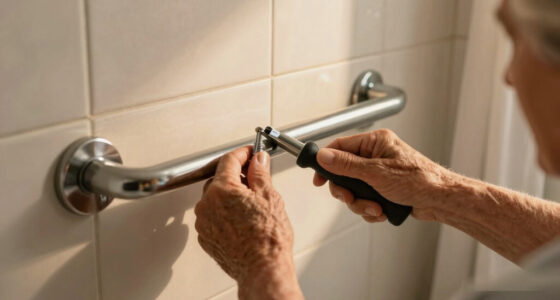
- Use support aids: Combine with grab bars or armrests for extra stability. These aids distribute your weight and provide leverage, reducing the effort needed to sit or stand. Relying solely on the raised seat without additional support can still pose risks, especially for those with balance issues.
- Clean regularly: Follow manufacturer instructions to keep the seat hygienic and in good condition. Proper cleaning prevents bacterial buildup, which is particularly important for immune-compromised users, and prolongs the lifespan of the product. Neglecting maintenance can compromise safety and hygiene.
- Seek professional advice if unsure: Especially if you have ongoing mobility issues or recent surgery. Consulting a healthcare provider ensures the seat’s height and features are appropriate for your specific needs, reducing the risk of misuse or injury.
Imagine a user with limited strength, gently lowering onto the seat with the help of armrests and a secure lock. That’s safety in action.
The Real Benefits You’ll Notice Every Day
Expect tangible improvements when you switch to a raised seat. Sitting down feels less like a leap, and standing up becomes a gentle push. Your bathroom routine transforms from a potential hazard into a safe, confident moment.
For instance, many users report feeling more stable, less fatigued, and more independent. It’s not just comfort — it’s peace of mind. Plus, the added height can make cleaning and general hygiene easier, especially for those with arthritis or joint pain.
Most importantly, a raised toilet seat helps you reclaim your daily routine. No more avoiding the bathroom or feeling unsafe. Instead, you feel secure and in control.
Frequently Asked Questions
Who should consider using a raised toilet seat?
Anyone with mobility issues, arthritis, recovering from hip or knee surgery, or balance problems can benefit. It’s especially helpful for seniors wanting to stay independent and safe in their homes.
How do I choose the right raised toilet seat?
Focus on adjustable height options, compatibility with your toilet, safety features like non-slip bases, and ease of cleaning. Measure your toilet and consider your mobility level for the best fit.
Are raised toilet seats safe to use?
Yes, when properly installed and used as intended, they significantly lower fall risks and improve safety. Always follow manufacturer instructions and seek advice if unsure.
Can I use a raised toilet seat with other bathroom accessories?
Many are compatible with bidets and other accessories, but it’s best to check product specifications to ensure a proper fit and safe operation.
How easy is it to install and remove a raised toilet seat?
Most models are designed for quick, tool-free installation and removal. This makes cleaning, maintenance, or traveling much simpler and more flexible.
Conclusion
Adding a raised toilet seat isn’t just a small upgrade — it’s a big step toward safer, more comfortable daily routines. It’s a simple change with a powerful impact, giving you or a loved one greater independence and peace of mind every time you visit the bathroom.
Imagine finishing your bathroom routine with a smile, knowing you’ve made it safer and easier. That’s the quiet strength a raised seat provides — a small device that makes a big difference.
Back to school Picks
back to school
As an affiliate, we earn on qualifying purchases.