TL;DR
Open a free Amazon Business account
Business pricing, bulk buying and tax-exempt orders.
Create a free accountAs an affiliate, we earn on qualifying purchases.
Good bathroom lighting is vital for fall prevention. Layered illumination, motion sensors, and smart systems can cut fall risk by up to half, creating safer spaces for everyone.
Imagine stepping into your bathroom at night. The space is dark, unfamiliar, and a misstep could mean a fall. Now, picture a well-lit bathroom, where every corner is bright and clear, guiding your steps safely. Good lighting isn’t just about visibility; it’s a vital part of fall prevention, especially for older adults or anyone with mobility concerns.
This guide reveals how the right lighting choices—layered, smart, and accessible—can transform your bathroom into a safer haven. You’ll learn what to look for, recent innovations, and practical tips to make every visit safer and more comfortable.
Layered lighting—ambient, task, and night lights—significantly reduces fall risks by eliminating shadows and dark spots.
Motion sensors and smart lighting systems offer automatic, hands-free control, making bathrooms safer at night and during emergencies.
Choosing water-resistant, dimmable LEDs with adjustable color temperature improves visibility and comfort while saving energy.
Retrofit existing fixtures with simple upgrades like brighter bulbs and motion sensors to enhance safety without costly renovations.
High-contrast, bright lighting tailored for visually impaired users can prevent trips and falls by making spaces more distinguishable.
Bathroom Lighting That Reduces Fall Risk
Good lighting does more than brighten a room. Layered, glare-controlled illumination reveals edges, removes confusing shadows and guides every step—especially during nighttime visits or for anyone with reduced vision or mobility.
Build safety in layers
A single ceiling fixture often creates shadows exactly where they are most dangerous. Combine broad illumination, focused task light and low-level guidance so the floor, fixtures and pathways remain visually distinct.
Bright, even coverage
Use diffuse ceiling light to illuminate the whole room without harsh pools, dim corners or disorienting glare.
Clarity where it counts
Add focused light at the mirror, sink, shower and tub to reveal edges, controls and wet surfaces clearly.
A low-level pathway
Place gentle lights near the toilet, sink and floor route to guide movement without sudden, blinding brightness.
Control glare
Choose frosted lenses and indirect light. Soft diffusion improves comfort and reduces confusing reflections on tile.
Make control effortless
Use reachable rocker, touch, motion or voice controls so no one must stretch, balance or fumble in darkness.
Specify safe fixtures
Select moisture-resistant, appropriately rated and listed products designed for humid bathroom conditions.
A safer route, from door to shower
Each layer solves a different visibility problem. Follow the sequence to create light that is automatic, comfortable and consistent across every bathroom zone.
Light the room
Install broad ambient illumination to remove deep shadows.
Define key zones
Add task light at the sink, toilet, tub and shower.
Mark the path
Position low night lights along the travel route.
Automate control
Use sensors so light appears before the first step.
Tune the light
Set comfortable brightness and a clear 4000K tone.
Traditional vs. safety-focused
Modern systems combine visibility, automation and efficiency. The largest gains come from better placement and responsive control—not technology for its own sake.
| Feature | Traditional lighting | Modern safety-focused lighting |
|---|---|---|
| Bulb technology | Incandescent or basic fixed-output bulbs | LEDs with dimming and adjustable color |
| Control | ✗ Wall switch only | ✓ Motion, voice, app and schedules |
| Placement | ~ One central ceiling fixture | ✓ Ambient, task and night layers |
| Night navigation | ✗ Dark until manually switched | ✓ Automatic low-level guidance |
| Visual comfort | ~ Fixed brightness; possible glare | ✓ Diffuse, dimmable and tunable |
| Energy use | Higher operating and replacement costs | Lower energy use and longer service life |
Prioritize the highest-impact upgrades
Coverage, automation and contrast deliver the strongest practical benefits. These relative scores visualize each feature’s role in a balanced safety plan.
Relative safety impact
Comparative priority based on visibility, nighttime usability and ease of control.
Visibility sweet spot
Cooler white light near 4000K can improve contrast while remaining comfortable and less clinical than very cool light.
How light becomes protection
Fall prevention starts with visibility, but the benefit travels further: clear visual information reduces hesitation, supports balance and preserves independence.
Every zone receives appropriate illumination.
Edges and obstacles become easier to interpret.
The eye identifies depth and surface changes faster.
Less hesitation and fewer navigation errors.
Greater confidence, comfort and independence.
Start with brighter adjustable LEDs, plug-in night lights and compatible motion sensors.
Light the journey from bedroom to bathroom, not only the bathroom interior.
Increase contrast, remove glare and consider tactile or voice-activated controls.
Use correctly rated fixtures and seek qualified help for wet-zone electrical work.
Why Bright, Even Lighting Cuts Fall Risks in Half
Proper lighting in the bathroom isn’t just a convenience—it’s a safety essential. Bright, evenly distributed light helps you see every detail clearly, from the edges of the tub to the toilet paper roll.
Research from safety experts shows that poor lighting can increase fall risk by up to 50%. Shadows, uneven illumination, or glare can cause missteps, especially during nighttime visits when your eyes are less responsive.
For example, a senior trying to find their way from the bed to the bathroom in the dark might trip over a shadowy step or misjudge the distance to the sink. Bright, layered lighting prevents these hazards by ensuring every part of the space is visible.
Deeply understanding why this matters involves recognizing that the human eye relies heavily on contrast and clarity, especially in low-light conditions. When lighting is uneven, your brain struggles to interpret spatial cues, increasing the likelihood of missteps. Therefore, investing in layered, balanced lighting isn’t just about aesthetics—it’s about creating a visual environment that supports safe navigation and reduces cognitive load during critical moments.
As an affiliate, we earn on qualifying purchases.
How to Set Up Your Bathroom Lighting for Maximum Safety
- Install layered lighting: Use ambient, task, and accent lights to eliminate shadows and dark spots. This layered approach ensures that every zone of the bathroom is sufficiently illuminated, reducing the chance of missteps caused by shadows or poor visibility.
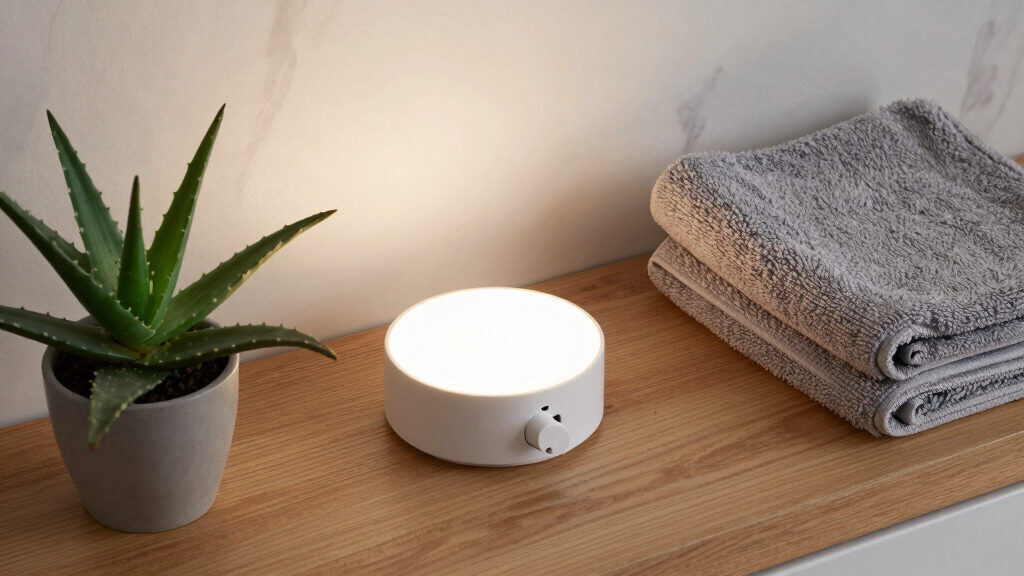
- Add night lights: Place low-level lights near the toilet, sink, and along pathways for easy navigation at night. These lights serve as visual cues, guiding movement and preventing accidental trips in the dark.
- Use motion sensors: Install motion-activated lights that turn on automatically when you enter or move around. This automation ensures lighting is always available precisely when needed, reducing hesitation or fumbling in the dark.
- Choose the right fixtures: Opt for water-resistant, easy-to-operate switches—preferably rocker or touch models. Easy access to switches is crucial for quick, safe operation, especially for those with limited dexterity.
- Adjust color temperature: Use cooler white light (~4000K) for clear visibility without harshness. Cooler temperatures improve contrast perception, vital for distinguishing objects and edges in the bathroom environment.
For example, installing a motion sensor light above the shower makes it easy to see when you step in, without fumbling for a switch in the dark. These small changes can significantly boost safety by ensuring continuous, appropriate lighting that adapts to your needs and reduces the cognitive effort required to navigate safely.
water-resistant LED bathroom lights
As an affiliate, we earn on qualifying purchases.
As an affiliate, we earn on qualifying purchases.
Compare Traditional vs. Modern Bathroom Lighting Options
| Feature | Traditional Lighting | Modern Safety-Focused Lighting |
|---|---|---|
| Type of bulbs | Incandescent, basic fixtures | LEDs, dimmable, adjustable color temperature |
| Control | Wall switches only | Smart controls, motion sensors, app-based |
| Placement | Ceiling fixtures only | Layered—ambient, task, night lights |
| Energy efficiency | Lower, higher costs | High, lower costs over time |
| Safety features | Limited | Automatic sensors, glare reduction |
Switching to modern lighting offers better visibility, energy savings, and safety features that can cut fall risk dramatically. The implications go beyond mere convenience; they directly impact safety, independence, and quality of life, especially for vulnerable populations. The tradeoffs might include initial investment or learning new controls, but the long-term benefits in safety and energy savings are substantial.
dimmable night lights for bathroom
As an affiliate, we earn on qualifying purchases.
As an affiliate, we earn on qualifying purchases.
Recent Tech That Makes Bathroom Lighting Smarter & Safer
New tech is making bathroom lighting more intuitive and responsive. Smart bulbs can be scheduled to turn on gradually, mimicking natural dawn—helping your eyes adjust and preventing sudden glare. This gradual illumination reduces disorientation, especially important for older adults or those with vision impairments.
Motion sensors now detect even gentle movement, turning on lights instantly. Some systems integrate with voice assistants, so you can control lighting with a simple voice command, keeping your hands free for stability. This hands-free control is particularly beneficial for individuals with mobility or dexterity issues, reducing the risk of accidents caused by fumbling or reaching.
Wireless, battery-operated night lights are easy to install on the wall or floor, providing safety without wiring. Plus, home automation systems now connect bathroom lighting with other safety features—like emergency alerts or door sensors—creating a comprehensive safety ecosystem. These innovations mean your bathroom lighting not only responds to your presence but also integrates into a broader safety strategy, enhancing overall safety and peace of mind.
For example, a couple installed smart lights that automatically dim at night, guiding them safely from bedroom to bathroom without waking the entire house. Such systems exemplify how recent tech advances can significantly reduce hazards and promote independence.
layered bathroom lighting fixtures
As an affiliate, we earn on qualifying purchases.
As an affiliate, we earn on qualifying purchases.
What You Need to Know Before Upgrading Your Bathroom Lighting
Choosing the right fixtures and features is crucial. Look for water-resistant, UL-listed lights that withstand humidity and splashes. Dimmable LEDs with adjustable color temperature are a safe, energy-efficient choice, but understanding their tradeoffs is important. Dimmable LEDs provide flexibility but may require compatible dimmer switches, which could involve additional installation considerations.
Your switches should be easy to reach and operate—think rocker or touch controls. For added safety, consider installing motion sensors or night lights that automatically turn on as needed, but be aware that some systems may need professional setup or calibration to function optimally.
Retrofitting existing fixtures is often simple: swap bulbs for brighter, adjustable LEDs, add motion sensors, or plug in portable night lights. These tweaks can make a big difference in safety and usability without expensive renovations. However, it’s essential to evaluate your specific bathroom layout and electrical setup to ensure compatibility and effectiveness.
For example, a homeowner swapped out old bulbs for dimmable LEDs and added a motion sensor above the sink, instantly improving both visibility and safety. Proper planning ensures these upgrades deliver maximum benefit with minimal hassle.
Visual Tips for Safer Bathroom Lighting for the Visually Impaired
Good lighting for visually impaired individuals emphasizes high contrast, brightness, and tactile controls. Bright, focused lighting helps distinguish objects and edges, reducing trips and falls. Proper contrast creates visual landmarks within the space, making navigation more intuitive and reducing confusion or missteps.
Use contrasting colors—like a dark shower curtain with a white tub—to define spaces clearly. Install tactile or voice-activated switches for easier control, which can be a game-changer for those with limited vision or dexterity. These tactile cues help users locate controls quickly and operate them confidently, reducing the risk of accidental slips or falls.
For example, a senior with limited vision benefits from a bright, focused light over the sink paired with tactile switches that are easy to find and operate. Combining high-contrast visual elements with tactile controls creates a safer, more accessible environment that promotes independence and reduces hazards.
Frequently Asked Questions
What type of lighting is best for reducing fall risk in bathrooms?
Bright, even, and glare-free lighting with layered layers—ambient, task, and night lights—offers the best safety. LEDs with adjustable brightness and color temperature are especially effective.
How can I install night lights effectively?
Place low-level lights near the toilet, sink, and along pathways. Use plug-in or battery-operated options that don’t cause glare, and ensure they are easy to access and operate.
Are smart lighting systems worth the investment?
Yes. They provide customizable, automatic illumination that can adapt to your needs, greatly reducing the chance of missteps, especially at night or during emergencies.
What features should I look for in bathroom lighting fixtures?
Choose fixtures that are water-resistant, easy to operate, dimmable, and compatible with motion sensors or automation systems for maximum safety.
Can I retrofit existing bathroom lighting for better safety?
Absolutely. Upgrading bulbs to brighter, adjustable LEDs, adding motion sensors, or portable night lights can dramatically improve safety without costly rewiring.
Conclusion
Good bathroom lighting isn’t just about making the space look nice—it’s a powerful tool to prevent falls and keep everyone safe. Simple upgrades like layered lighting, motion sensors, and smart controls can make a big difference.
Think of your bathroom as a safe haven. With the right lighting, you create a space where every step is clear, every corner visible, and every visit secure. Safety starts with a bright idea—literally.
NFL season / tailgating Picks
team gear
As an affiliate, we earn on qualifying purchases.