TL;DR

Turn quiet afternoons into listening time
- Thousands of audiobooks, podcasts and originals
- Listen on your phone, tablet or Echo — also offline
- Cancel anytime
Electric blankets warm a person or their bedding directly, and can help older adults stay warm, but they do not heat the room. Check the product’s certification and instructions, inspect it for damage, and think about the user’s ability to notice heat, operate the controls, and remove the blanket; ask a clinician for individualized advice when health or sensation is a concern.
A warm bed can feel like a small luxury on a cold evening, but an electric blanket adds a heating element to a place where you may be asleep or sitting still. That makes comfort and safe use part of the same decision.
This guide explains what electric blankets do, what features to look for, and how to think about personal needs such as sensation, mobility, and memory. You’ll also find practical checks for using and storing one, plus other ways to stay warm when a heated blanket is not a good fit.
An electric blanket warms bedding or the person directly; it does not heat the room.
Check sensation, mobility, memory, and control use before choosing a blanket for an older adult.
Look for local safety certification, clear instructions, suitable sizing, and easy-to-read controls.
Follow the exact instructions for use, adjustable beds, washing, and storage.
Stop using a blanket with damage, faulty controls, or uneven hot spots; consider other warming options when needed.
Know what an electric blanket can—and cannot—warm
An electric blanket warms the person or bedding directly; it does not heat the whole room. This focused heat can make a bed or chair more comfortable without needing to warm every part of the home. The tradeoff is that it cannot address a cold room, drafts, or the needs of someone who feels chilled while moving around.
Think of it like a heated seat in a car: it warms the spot you occupy, while the rest of the space stays cool. For instance, someone who likes a warm bed at bedtime might use a model designed to preheat the bedding, then switch it off before sleep if the instructions call for that. Preheating can provide comfort while limiting the time the person is exposed to heat, but it means the bed may cool later. Another model may allow overnight use under specific conditions, so check its label instead of relying on a general rule.
Electric blankets can help older adults stay warm in a focused way, and some people may be able to lower a thermostat to suit their comfort. But a warmer bed does not address chilly drafts elsewhere in the home, and reducing room heat too much can leave the person uncomfortable when they get up. If a person feels cold often, especially when that is new or persistent, suggest discussing it with a qualified health professional.
Products Worth Considering
Shark Navigator Swivel Pro Upright Vacuum NV151

Hisense 85 U7 Mini-LED ULED 4K UHD Smart Google TV (85U7SG, 2026)

Bose SoundLink Plus Portable Bluetooth Speaker, Black
As an affiliate, we earn on qualifying purchases.
Check whether the person can notice heat and respond
An electric blanket may be suitable for an older adult only when the person can use it as directed, notice excessive warmth or a problem, and respond safely. These abilities form a practical safety chain: if someone cannot sense heat, understand the controls, or move the blanket, a problem may go unnoticed or continue longer. Reduced sensation, limited mobility, memory difficulties, or some health conditions can make those tasks harder, so the individual matters as much as the product.
For example, a person with reduced feeling in their feet may not notice a hot patch as quickly as someone with normal sensation. Diabetes-related neuropathy, poor circulation, stroke-related impairment, and some medicines can affect sensation or alertness. A low setting may seem like a reasonable compromise, but it still produces heat and cannot tell whether the user feels it. A family caregiver should not assume that a low setting feels safe to someone who may have trouble sensing heat.
If health, sensation, or alertness raises a concern, ask a clinician whether using an electric blanket is appropriate. Consider whether the person can reach and understand the controls, get out from under the blanket, and call for help if needed. An automatic shutoff can limit operating time and may reduce the chance that a blanket is left on indefinitely, but it does not detect every hot spot or electrical fault, and it cannot help someone who cannot respond while it is on. The convenience of timed warmth therefore does not replace an assessment of the user and the blanket.
Safety check: Do not place an electric blanket over someone who cannot remove it or respond to discomfort without help.
That may mean choosing another way to add warmth, or having a caregiver help set up and monitor use. Assistance can make a routine workable, but it needs to be dependable and respectful of the person’s choices. The right arrangement should support comfort and dignity while matching the person’s day-to-day abilities.
Choose features that make everyday use simpler
Choose a model with a recognized safety certification for the country where it is sold, clear instructions, suitable sizing, and controls the intended user can read and operate. Certification helps show that a product has met applicable safety requirements, while the instructions explain the limits of that particular design. An automatic shutoff and simple settings can make the routine easier, but no feature guarantees safety: the user still needs to be able to respond, and the blanket must be used in an approved setup.
Imagine a caregiver helping their parent settle in: a large, legible control with a small number of clear settings may be easier to use than a panel crowded with tiny buttons. Fewer settings can reduce confusion, though they may offer less fine control over comfort. Dual controls can help two people choose different settings on their sides of a bed, but they add controls and cords that each user needs to understand. Timers, lower-voltage designs, and washable materials also appear in newer products, but they are not substitutes for checking the blanket and following its instructions.
- Match the design to the setting: an underblanket is made for a bed; an electric throw is generally intended for sitting. Using the wrong type in a different setting may expose it to bending or placement the maker has not approved.
- Check the fit: confirm the product suits the bed size and any adjustable-bed setup. A poor fit can bunch the material or put strain on the wiring.
- Read care instructions: washable does not mean washable in any way; follow directions for disconnecting controls, washing, drying, and storage. Care affects both the blanket’s condition and how long it can be used safely.
- Look for clear controls: the user should be able to identify settings and switch the blanket off. If another person must operate it, make that part of the routine explicit.
Smart or app-connected controls may sound convenient, yet they can add steps for someone who prefers a physical switch or has trouble using a phone. Pick features that fit the person’s habits and home, weighing added convenience against the effort and confusion they might introduce.
Use a short routine before turning it on
A quick inspection and setup check can catch visible problems before use, while the manufacturer’s instructions tell you how that specific blanket should be operated. This routine matters because damage and incorrect placement may not be obvious once the blanket is covered or warm. Make the checks together the first few times if the user is new to the controls.
- Read the instructions. Confirm whether the blanket is for prewarming or overnight use, and whether it can be used with the bed, mattress topper, or adjustable frame. These limits vary by model, so a familiar-looking blanket is not proof that the setup is suitable.
- Inspect the fabric and parts. Look for frayed cords, scorch marks, damaged wiring, a faulty controller, or areas that feel unusually hot. Any of these can indicate a fault that continued use may worsen.
- Lay it as directed. Do not fold, bunch, or trap it under a mattress unless the manufacturer permits that setup. Creases or pressure can concentrate heat or strain internal wires.
- Keep liquids away. Use it only in conditions the product is rated for. Moisture around electrical parts can create a hazard, even when the blanket appears intact.
- Set controls and shutoff as instructed. Make sure the user can reach the switch and knows how to turn it off. A timer is useful only if its setting fits the intended use and the person can still respond to discomfort.
For instance, if the bed is adjustable, check compatibility before attaching or using the blanket: repeated bending or compression can damage some models. A caregiver who spots a frayed cord should stop use rather than tape it or attempt an unauthorized repair, since a patch may hide damage without restoring the electrical parts.
Automatic shutoff helps manage use time, but does not prevent every burn or electrical fault. If you notice uneven hot spots, damage, or a faulty control, stop using the product and follow the manufacturer’s replacement guidance. This keeps a convenience feature in perspective: it can limit duration, but it cannot make a damaged blanket or unsuitable setup safe.
Match the blanket to the bed, chair, and daily routine
An electric underblanket and an electric throw serve different purposes, so choose based on where the person will use it and follow the product’s stated use. The difference matters because a blanket designed to lie flat on a bed may be stressed when draped or folded over a chair, while a throw may not be designed to sit under someone’s weight in bed. A blanket intended for a bed is not automatically suitable for a recliner, and a throw designed for sitting may not be approved for use in bed.
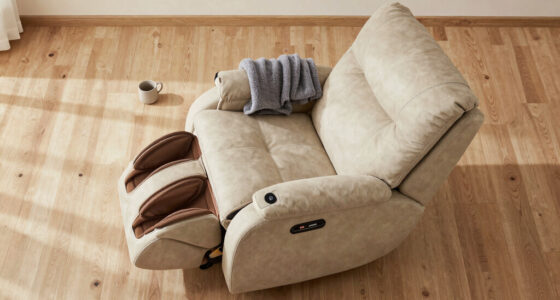
Consider a person who spends a chilly afternoon in a favorite armchair and then moves to a separately made bed at night. A throw could suit the chair if its instructions allow that use, while a bed blanket may better fit the nighttime setup. Separate products can fit each situation better, but they also mean more cords and controls to keep track of. In either case, ask whether the older adult can manage the cord and controller without tangling or pulling them, especially when getting up.
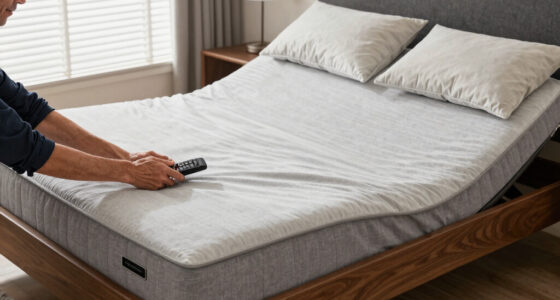
For a couple, dual controls may let each person choose their own setting, but they add buttons and cords to understand. On an adjustable bed, check the exact model’s compatibility rather than guessing from its shape. If the blanket needs to bend with the frame, confirm that the manufacturer permits it; otherwise movement may strain internal wiring over time.
There is no blanket type that is automatically safer for every user. Think through the room, the furniture, the person’s routine, and the instructions together. A simple setup that is easy to use and put away may be more practical than separate products for every setting, while a poorly matched single blanket can be awkward or unsuitable. That practical match is more useful than selecting a product simply because it has more settings or a higher price.
Keep warmth simple if an electric blanket is not a fit
If an older adult cannot reliably notice heat, operate the controls, or move the blanket away, other warming options may be easier to manage. These approaches avoid adding a heating device to the person’s bedding, though they still need to fit the person’s mobility and comfort. Start with changes that fit the person’s usual routine and keep paths clear for walking.
For example, a caregiver might set out warm sleepwear, add socks, and place an extra blanket within reach before bedtime. Draft reduction around a window or door can also make a room feel less chilly, while maintaining a comfortable room temperature warms the whole space rather than one bed or chair. Room heating may use more energy than warming a single bed, but it also helps when the person gets up or spends time elsewhere in the room.
- Try warm sleepwear and socks that feel comfortable and are easy to put on and remove. This adds warmth without a control to manage, though tight or difficult clothing may be a poor fit for someone with limited dexterity.
- Add bedding layers that the person can adjust without struggling. Layers are flexible, but too many or too-heavy covers can make movement and getting out of bed harder.
- Reduce drafts around windows and doors, while keeping walkways free of loose fabric. This can improve comfort across the room without adding heat to the bed.
- Keep the room comfortable with suitable home heating instead of relying on a blanket to warm the space. This supports warmth beyond the bed, though the cost and the home’s heating options may affect what is practical.
These choices may not suit everyone; heavy layers can be awkward for someone who has difficulty moving, for instance. If cold intolerance continues or worries the person or family, raise it with a health professional. The aim is dependable comfort that respects the older adult’s choices and abilities.
Frequently Asked Questions
Are electric blankets safe for seniors?
They can suit some older adults when used as directed, but safety depends on the person’s sensation, mobility, memory, health, and ability to use the controls. Check the product instructions and ask a clinician about individual health concerns.
Can a senior sleep with an electric blanket on?
Check the instructions for the exact model. Some blankets are intended to warm the bed before sleep and then be switched off, while others may permit overnight use under stated conditions.
Can someone with diabetes or poor circulation use one?
Reduced sensation can make excessive heat harder to notice. Ask a qualified clinician whether the blanket is appropriate, and follow the manufacturer’s instructions closely.
Are electric blankets safe for people with dementia or limited mobility?
They may not be suitable if the person cannot understand the controls, notice excessive warmth, or remove the blanket. A caregiver should consider those abilities and seek professional advice when health concerns are involved.
Can an electric blanket be used on an adjustable bed?
Only use it that way if the manufacturer says it is compatible with the bed. Repeated bending or compression can damage some models, so check before use.
How should I clean and store an electric blanket?
Follow the exact care instructions, including how to disconnect the controller and wash or dry the blanket. Store it without sharp folds or heavy objects on top, as directed by the manufacturer.
Conclusion
Choose an electric blanket only after matching its instructions and design to the person who will use it. Check the product, set up a routine the user can follow, and ask a qualified professional about health or sensation concerns.
The best warmth is the kind that lets someone settle in comfortably and confidently, with the controls close at hand and the rest of the evening feeling like home.