TL;DR
Prime for Young Adults — start your free trial
Fast free delivery, streaming and member deals for eligible 18–24 year olds.
Try it freeAs an affiliate, we earn on qualifying purchases.
Non-slip solutions like mats, tapes, coatings, and footwear can drastically reduce fall risks. Proper selection, installation, and maintenance are key to keeping your home safe and stylish across all rooms.
Imagine stepping out of the shower, the tiles cold and slick beneath your feet. That quick slip can turn a moment of routine into a trip to the emergency room. But it doesn’t have to be that way.
Every room in your house has its own safety challenges, and choosing the right non-slip solutions can make a world of difference. Whether it’s a textured mat in the bathroom or a coating on the staircase, small changes can prevent big accidents. Today, we’ll explore practical, effective ways to keep every space safe—without sacrificing style or comfort.
Match non-slip solutions to specific surfaces—using the right product makes a big safety difference.
Regular maintenance, including cleaning and inspections, preserves grip and extends the lifespan of safety features.
Innovative coatings and smart tech are making slip prevention more durable and unobtrusive than ever.
Layer safety solutions—combine mats, tapes, coatings, and footwear—for maximum protection.
Always choose products with safety certifications and follow manufacturer instructions for best results.
Why Bathroom Safety Starts with Non-Slip Mats and Stickers
The bathroom is one of the most slip-prone rooms in any home. Water, soap, and humidity create perfect conditions for slips. Non-slip mats and adhesive strips are your first line of defense.
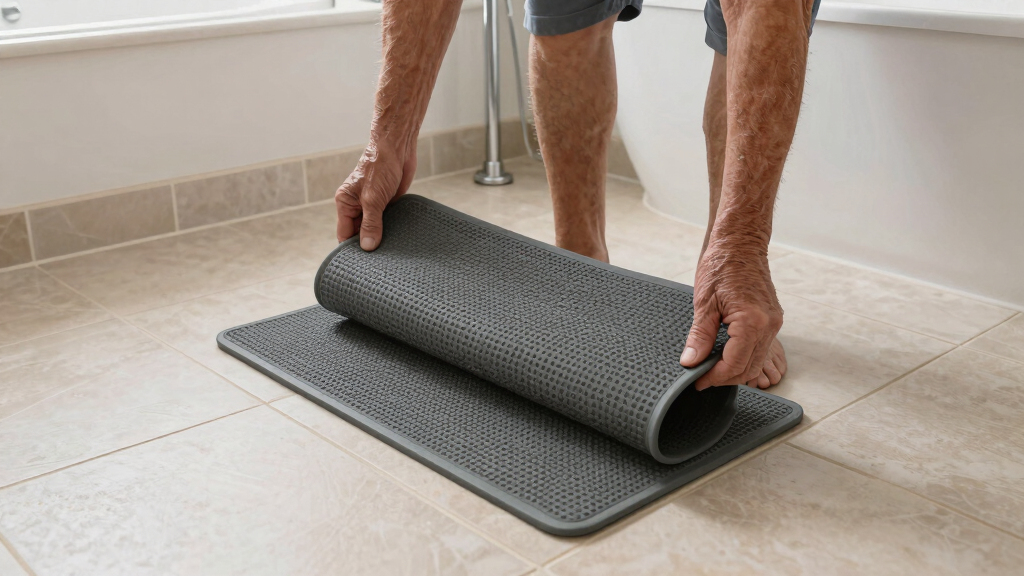
Imagine stepping onto a plush, textured mat after a warm shower. The grip under your feet is firm, the water stays on the mat, not on the floor. Use mats with silicone backing or non-slip stickers on tiles to prevent shifting and sliding. For added safety, choose mats with textured surfaces designed specifically for wet areas.
For example, a family with elderly parents installed non-slip adhesive strips on the shower floor. They reported a noticeable decrease in slips within weeks. Regular cleaning of these mats and strips keeps their grip effective, as soap scum can build up and reduce traction.
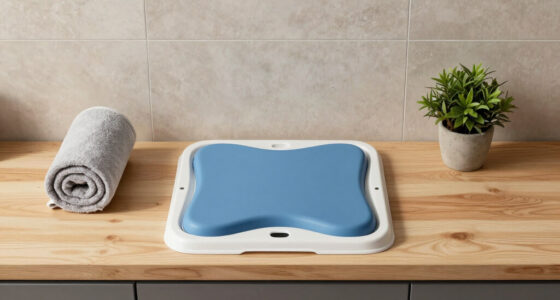
non-slip bathroom mats with silicone backing
As an affiliate, we earn on qualifying purchases.
As an affiliate, we earn on qualifying purchases.
How to Choose the Right Non-Slip Flooring for Your Kitchen and Entryways
Kitchen floors and entryways often face spills, mud, and moisture—making slip-resistant flooring essential. The key is matching the right solution to your surface.
Here’s a quick rundown:
| Surface | Best Non-Slip Solution |
|---|---|
| Tile or stone | Textured coatings or anti-slip tapes |
| Wood or laminate | Non-slip rugs with rubber backing or adhesive pads |
| Concrete or garage floor | Non-slip paints or micro-textured coatings |
Choosing the right solution involves understanding the tradeoffs. For example, textured coatings on tile can improve grip but might be harder to clean if they trap dirt or moisture. Non-slip rugs add traction but can pose tripping hazards if not secured properly. It’s about balancing safety, maintenance, and aesthetics.
For example, a homeowner with a busy kitchen installed a textured, slip-resistant coating on their tile floor. It resists wear and provides a consistent grip, even with wet shoes or spills. Pairing this with non-slip rugs in high-traffic areas creates a layered safety approach.
Remember: compatibility matters. Using the wrong product on a delicate wooden floor might cause damage or reduce effectiveness.
As an affiliate, we earn on qualifying purchases.
Stair Safety: The Best Treads and Tapes to Prevent Dangerous Falls
Stairs are responsible for a significant number of falls in homes. The right stair treads or tapes can make every step safer.
Look for non-slip stair treads made from rubber, textured metal, or abrasive tape. Apply these on each step’s edge or surface. For instance, a senior couple added adhesive non-slip tape to their wooden staircase. They now walk confidently, even in dim light or when wearing socks.
When choosing stair solutions, consider durability and the ease of cleaning. You want something that stays secure and provides traction over time, even with frequent use. Additionally, consider the tradeoff between aesthetic appeal and durability; some materials may look sleek but wear out faster, requiring more frequent replacement.
Pro tip: Regularly inspect stairs for wear and reapply tape or replace treads as needed. A quick walk-through every few months can prevent accidents before they happen.
non-slip stair treads for wood stairs
As an affiliate, we earn on qualifying purchases.
As an affiliate, we earn on qualifying purchases.
The Latest in Non-Slip Coatings and Smart Safety Tech
Recent innovations bring durability, eco-friendliness, and even smart features to non-slip solutions. High-traction coatings now resist wear much longer than older versions, often lasting several years with proper care.
Eco-friendly coatings made from natural or biodegradable materials are safer for children and pets. Some products even incorporate sensors that alert you if a surface becomes dangerously slippery—great for busy households or aging-in-place needs.
For example, a family applied a spray-on non-slip coating to their bathroom floor. It’s easy to reapply when needed and provides a seamless look. Meanwhile, smart sensors installed in their stair rails alert them to loose treads or slippery steps, adding an extra layer of safety. These innovations matter because they extend safety features’ lifespan, reduce environmental impact, and provide real-time alerts that can prevent accidents before they happen.
Choosing these innovative solutions means investing in longevity and peace of mind. Always check for safety certifications and compatibility with your surfaces.
micro-textured non-slip floor coating for concrete
As an affiliate, we earn on qualifying purchases.
As an affiliate, we earn on qualifying purchases.
Maintaining Your Non-Slip Surfaces: Keep Safety Front and Center
Good maintenance extends the life and effectiveness of your non-slip solutions. Regular cleaning with gentle cleaners prevents soap scum and dirt buildup that can reduce traction.
For example, a homeowner with textured bathroom tiles sweeps and mops weekly, using vinegar-based solutions to avoid slipperiness. They inspect for signs of wear or peeling on tapes and replace as needed. Regular inspection is critical because even the most durable solutions can degrade over time, especially in high-traffic areas. Neglecting maintenance can lead to unnoticed wear, increasing the risk of slips and falls. Being proactive allows you to address issues before accidents happen.
Check manufacturer instructions for specific care tips, especially for coatings and adhesives. Reapplication or replacement when surfaces show signs of damage keeps safety levels high.
Remember: even the best solutions need upkeep. A few minutes every month can prevent costly falls and injuries.
Frequently Asked Questions
What is the most effective non-slip solution for bathroom floors?
Non-slip mats, adhesive strips, and textured coatings are all effective. The best choice depends on your bathroom’s surface and how much water exposure it gets. Combining these with regular cleaning keeps them effective and safe.
Can I install non-slip solutions myself, or should I hire a professional?
Many solutions, like tapes and mats, are DIY-friendly and easy to install with basic tools. For coatings or large areas, professional installation can ensure proper application and lasting safety. Follow product instructions carefully for best results.
How often should I replace or reapply non-slip coatings or tapes?
Durability varies—good coatings can last several years, but wear and tear from foot traffic or cleaning can reduce effectiveness. Regular inspections, at least twice a year, help determine when reapplication is needed to maintain safety.
Are non-slip products safe for children and pets?
Most are designed to be non-toxic and safe, but always check labels for pet-safe and child-friendly certifications. Avoid products with harsh chemicals or strong fumes, especially in areas accessible to little ones or animals.
What is the best way to maintain non-slip surfaces in high-traffic areas?
Clean regularly with gentle, non-abrasive cleaners, and inspect for signs of wear or damage. Reapply tapes or replace treads as needed. This proactive approach keeps surfaces safe and effective over time.
Conclusion
Every step you take towards safer flooring can prevent a fall that changes lives. Simple changes—like adding textured mats or applying a durable coating—can make your home a fortress of safety.
Think of it as investing in peace of mind. With a little effort today, you set the stage for safer, more confident living tomorrow.
Flea & tick season Picks
flea and tick prevention
As an affiliate, we earn on qualifying purchases.