TL;DR
A bathroom safety walkthrough helps caregivers spot hazards like slippery floors, clutter, and poor lighting. Recent tech innovations, such as smart sensors and ergonomic grab bars, boost safety and independence. Regular reviews prevent falls and injuries effectively.
Regularly inspect for hazards like water spills, clutter, and loose tiles.
Install sturdy, correctly positioned grab bars and non-slip surfaces.
Use bright, even lighting and night lights to prevent falls at night.
Leverage smart tech like fall detectors and emergency devices for quick help.
Keep pathways clear and store essentials within easy reach to avoid overreaching.
Spotting the Hidden Hazards in Every Corner
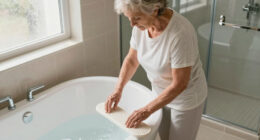
Start your safety walk with a keen eye for dangers that often go unnoticed. Slippery floors are the biggest risk — water splashes, soap residue, or even condensation can turn a tile into an ice rink. Recognizing these hazards isn’t just about avoiding slips; it’s about understanding how moisture interacts with bathroom surfaces and the importance of regular maintenance to prevent accidents. Clutter on countertops or the floor blocks pathways, forcing overreaching or risky steps. This clutter can also obscure hazards or cause trips that are hard to recover from, especially for those with limited mobility. Uneven surfaces or loose tiles create tripping hazards that might not be obvious at first glance, but can cause serious injuries if left unaddressed. Identifying these issues early allows for targeted repairs that can prevent falls and reduce anxiety about bathroom use. Regular inspections help maintain a safe environment and reduce the likelihood of emergencies caused by unnoticed hazards.

Grab Bars for Shower, 2 Pack 16 Inch Anti-Slip Safety Shower Handle for Senior, Stainless Steel Shower Grab Bars, Handicap Elderly Bathtub and Toilet Bathroom Assist
SUPERB MATERIAL: The shower grab bars for seniors is made of stainless steel which is waterproof, rustproof and…
As an affiliate, we earn on qualifying purchases.
As an affiliate, we earn on qualifying purchases.
Installing Support Features That Save Lives
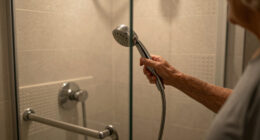
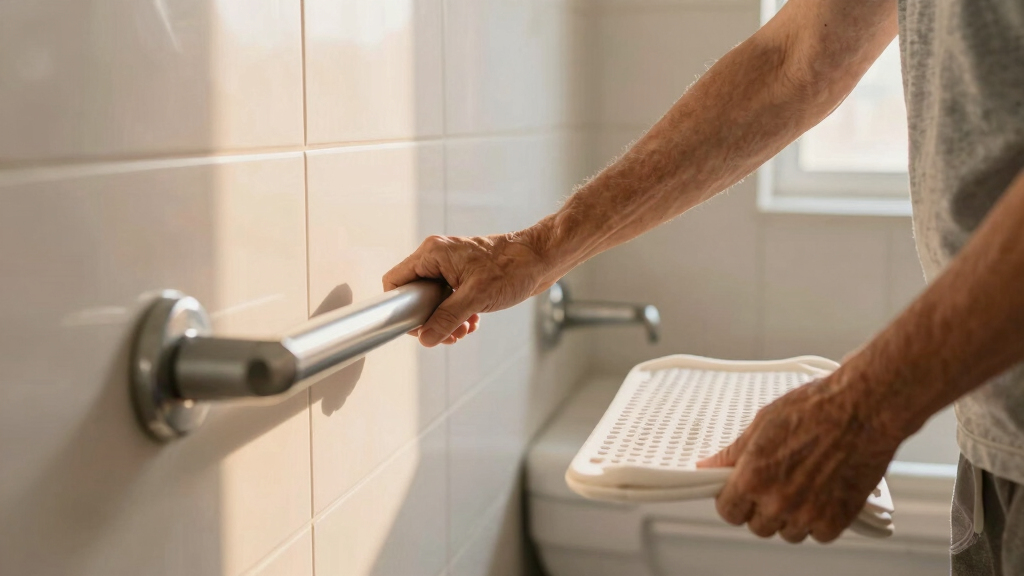
Adding sturdy grab bars is a game-changer. They offer a reliable handhold during transfers or balance struggles, which can be the difference between a safe bathroom visit and a dangerous fall. Proper placement is critical: positioning grab bars near the toilet and inside the shower provides support exactly where it’s needed most. But simply installing bars isn’t enough—it’s essential they are securely anchored into wall studs, as flimsy mounts can give way during use and cause injury. Consider ergonomic designs with textured, slip-resistant surfaces that offer extra grip, especially for those with reduced hand strength or arthritis. These features not only prevent falls but also promote independence by enabling users to move more confidently. For example, a family installed a set of grab bars with antibacterial coating near the shower seat, which provided confidence and safety during every bath, especially for an elderly parent with shaky balance. When choosing support features, think about the user’s specific needs and the bathroom’s layout to maximize safety and usability, understanding that well-placed, secure supports can significantly reduce injury risk and foster a sense of independence.

OLANLY Bathroom Rugs 30×20, Extra Soft Absorbent Chenille Bath Rugs, Rubber Backing Quick Dry, Machine Washable Bath Mats for Bathroom Floor, Tub and Shower, Home Decor Accessories, Grey
Soft Chenille Comfort — Step onto thousands of soft chenille fibers in our high-pile design the moment you…
As an affiliate, we earn on qualifying purchases.
As an affiliate, we earn on qualifying purchases.
Choosing the Right Flooring and Surfaces
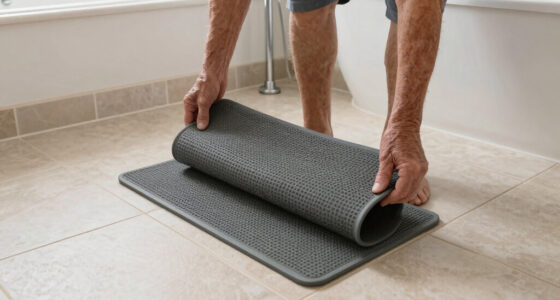
Bathroom floors must grip well underfoot to prevent slips, especially in high-moisture environments. Non-slip coatings or textured tiles significantly cut fall risk, but understanding the tradeoffs is important. For example, some textured surfaces may be harder to clean or could trap dirt, reducing hygiene. Testing your current flooring by pouring a little water can help determine if it maintains grip when wet; if it doesn’t, upgrading is essential. Recent advances in materials like textured vinyl or rubberized coatings now offer slip resistance combined with ease of cleaning and durability. These options are especially helpful in homes with high moisture or frequent spills, reducing the need for aggressive cleaning chemicals that could damage surfaces or cause additional hazards. For instance, replacing a slick ceramic tile with a non-slip vinyl mat transformed a slippery bathroom into a safe space for an elderly parent, significantly reducing worries about falls and easing maintenance routines. Choosing the right flooring involves balancing safety with aesthetics and long-term durability, ensuring the surface remains slip-resistant without sacrificing visual appeal.

PILSAMAS WiFi Caregiver Page Wireless Call Button System – 1 Lanyard + 1 Wristband Emergency Button, No Monthly Fee, APP Alert, Custom Name/Tones, Fall Alert Devices for Elderly at Home, Nursing Care
Wi-Fi Smart Hub & 328ft Range: HUB connects to 2.4G Wi-Fi (not 5G) for global APP access. Caregiver…
As an affiliate, we earn on qualifying purchases.
As an affiliate, we earn on qualifying purchases.
Lighting Your Bathroom for Safe Night Visits
Bright, even lighting prevents missteps when navigating in darkness. Night lights that plug into outlets or install along baseboards can make a huge difference, but selecting the right type involves understanding how different lighting levels impact safety and comfort. Proper illumination should eliminate shadows and dark corners that can cause missteps, especially for those with impaired vision. Consider motion-activated lights to turn on automatically when someone enters—this feature reduces fumbling for switches, which can sometimes cause accidental disorientation or additional hazards. A caregiver once installed a soft, warm night light that provided just enough glow for nighttime trips without disturbing sleep, balancing safety with comfort. Good lighting not only reduces fall risk but also creates a calming environment that encourages independence, making nighttime bathroom visits less stressful and more secure.

L LOHAS LED Night Lights Plug into Wall 2-Pack, 0.3W Plug in Night Light, Dusk to Dawn, 3000K Soft White, Bright Nightlight Auto-On/Off, for Adults Kids Room Bedroom Bathroom Hallway Kitchen, Non-Dim
Auto On/Off: With built-in light sensor, the LOHAS LED home decor night light will detect the light intensity,…
As an affiliate, we earn on qualifying purchases.
As an affiliate, we earn on qualifying purchases.
Preparing for Emergencies with Smart Tech
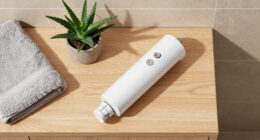
Modern tech can turn your bathroom into a safety hub. Smart sensors detect falls or unusual inactivity and instantly alert caregivers, enabling rapid response and reducing injury severity. Some systems include emergency buttons or wearable devices that can be activated during a fall, triggering immediate help. The key is understanding how these technologies integrate with daily routines and the importance of reliable communication—delays or false alarms can undermine confidence in the system. For example, one caregiver linked a wearable emergency device to bathroom sensors, allowing their loved one to call for help at the push of a button or automatically if a fall was detected. These innovations not only provide peace of mind but also help maintain independence by reducing the fear of being alone in the bathroom. Staying up to date with devices that seamlessly integrate with home Wi-Fi and mobile apps ensures quick, reliable emergency responses, which are crucial in urgent situations and for peace of mind.
Keeping Clutter and Hazards Out of Sight and Reach
Clutter is a sneaky hazard. Overstuffed shelves or loose towels on the floor can cause trips or make reaching for essentials risky. But beyond simple tidiness, clutter can obscure hazards like cords, spills, or small objects that could cause falls or injuries. Keeping pathways clear isn’t just about aesthetics; it’s about ensuring that in an emergency, every step is safe and unobstructed. Store items within arm’s reach to avoid overreaching, which can lead to loss of balance. For example, a caregiver reorganized the bathroom so daily-use items sat in easy-to-access baskets on lower shelves, reducing the need for stretching or balancing on tiptoe—both common triggers for falls. Regular tidying and strategic storage help maintain a safe environment, especially for those with mobility limitations or impaired vision. Wall-mounted storage and decluttering routines are effective ways to create clear, hazard-free zones that support safe movement and quick access to essentials.
Maintaining Safe Water Temperatures and Fixtures
Hot water burns are a serious concern, especially for sensitive skin or individuals with delayed reactions to heat. Setting water heater temperatures at or below 120°F (49°C) minimizes burn risk without compromising usability. Regularly testing fixtures ensures they deliver warm, not scalding, water—an important step because aging fixtures or malfunctions can cause unexpected temperature spikes. For example, a caregiver installed anti-scald valves on the shower and sink faucets, which act as a critical safety feature by preventing sudden temperature increases. Routine checks and adjustments are vital to maintain safe water temperatures, as even small fluctuations can cause burns. Educating users on how to test water temperatures and recognize signs of malfunction helps maintain ongoing safety, reducing the risk of injury and giving caregivers peace of mind that their loved ones are protected during daily routines.