TL;DR
Open a free Amazon Business account
Business pricing, bulk buying and tax-exempt orders.
Create a free accountAs an affiliate, we earn on qualifying purchases.
Dressing aids like reachers, sock aids, and adaptive clothing make it easier to dress alone. They reduce bending, reaching, and gripping challenges, helping maintain independence and safety daily.
Imagine waking up and confidently getting dressed without assistance, feeling a sense of control and dignity. That’s what simple dressing aids can provide—less frustration, fewer falls, and more independence. Whether you’re recovering from surgery or managing arthritis, these tools make a real difference.
In this guide, you’ll learn about common dressing aids, how to choose the right ones, and practical tips to incorporate them into daily routines. No fancy gadgets—just straightforward solutions that support your independence and safety every day.
Match your dressing aids carefully to your specific mobility challenges for best results.
Safety precautions—like sitting while dressing and keeping space clutter-free—are essential to prevent falls.
Choosing clothing with easy features (elastic waistbands, large zippers) can reduce reliance on tools.
Recent innovations like magnetic fasteners and stylish adaptive clothing make dressing simpler and more discreet.
Practicing with aids and consulting professionals can boost confidence and independence.
Simple Dressing Aids for Getting Ready Alone
Dressing aids reduce bending, reaching, gripping, and balancing demands. The right low-tech tool can make an everyday routine safer, less tiring, and more independent—without introducing complicated equipment.
Choose the tool that removes the hardest movement
Each aid solves a different part of dressing. Start with the specific action that causes pain, fatigue, instability, or frustration, then select the simplest tool that addresses it.
Dressing stick
Pulls garments over feet, legs, shoulders, or the back. Its hooks can also help push clothing off.
Reacher
Retrieves dropped clothes and helps position underwear, trousers, or skirts without bending or overreaching.
Sock aid
Holds an ordinary sock open so the foot can slide in with less bending and less fine hand control.
Long-handled shoehorn
Guides the heel into a shoe, reduces the need to bend, and helps stop the shoe’s heel from collapsing.
Button hook
Pulls a button through its buttonhole when finger strength, coordination, or dexterity is limited.
Zipper pulls and elastic laces
Larger zipper tabs improve grip, while elastic or no-tie laces turn lace-up shoes into adjustable slip-ons.
The best aid fits your body, clothing, and routine
Someone recovering from hip surgery needs a different setup from someone who can reach easily but cannot manipulate buttons. Consider restrictions, ability, comfort, and how long support may be needed.
Range of motion
Use longer tools when bending or twisting is restricted. Follow surgical or clinical movement precautions.
Grip and coordination
Look for padded handles, larger tabs, or simple mechanisms that work with available hand strength.
Sitting and standing balance
Prioritize tools that work from a stable seated position and do not require balancing on one foot.
One-hand or two-hand use
Check whether the aid can be positioned, held, and released using the hands available for the task.
Match common challenges to practical aids
A check marks a strong match; a tilde marks a possible secondary benefit. Personal restrictions and professional guidance should always take priority.
| Aid or adaptation | Bending | Reaching | Grip | Fine fingers | Balance |
|---|---|---|---|---|---|
| Dressing stick | ✓ | ✓ | ~ | — | ~ |
| Reacher | ✓ | ✓ | ~ | — | ✓ |
| Sock aid | ✓ | ~ | ~ | ✓ | ✓ |
| Long-handled shoehorn | ✓ | ~ | — | — | ✓ |
| Button hook | — | — | ✓ | ✓ | — |
| Adaptive clothing | ~ | ~ | ✓ | ✓ | ~ |
A stable routine prevents avoidable falls
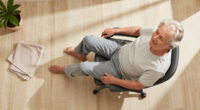
Dressing while standing can increase risk when stepping into trousers or balancing on one foot. A firm chair with a back and armrests usually offers a safer base than a bed, soft sofa, or wheeled chair.
Design features can remove difficult steps
Modern adaptive clothing focuses on familiar garments with easier openings and discreet fasteners. The most helpful feature depends on the movement or hand action you want to reduce.
Five steps from preparation to independence
Technique matters as much as equipment. A consistent sequence saves energy, reduces searching, and makes each aid easier to use.
Prepare
Place clothes and aids within easy reach in the order they will be used.
Sit securely
Use a firm chair with back support, armrests, and stable feet.
Open and gather
Widen openings and gather sleeves or trouser legs before inserting a limb.
Guide
Use the selected aid and let stronger limbs help guide weaker ones.
Pause and check
Rest when needed, confirm clothing is secure, then stand carefully.
An occupational therapist can observe the complete routine and recommend the right equipment, clothing adaptations, positioning, and environmental changes. For one-sided weakness, a commonly taught technique is to dress the affected side first and undress it last—but individual clinical instructions take priority.
What are the most useful dressing aids and how do they help?
Simple dressing aids are low-tech tools designed to reduce the effort and risk involved in dressing. They include items like a dressing stick, reacher, sock aid, and long-handled shoehorn. These tools support movement and grip challenges, making dressing safer and easier.
For example, a dressing stick helps pull up pants or reach behind your back, which is especially important if bending or twisting causes discomfort or balance issues. A reacher allows you to pick up clothes from the floor or retrieve items on high shelves, minimizing the need to stretch or risk losing balance. A sock aid opens the sock widely, reducing the need to bend or struggle with fine motor control. These tools turn a difficult task into a manageable one, often with just a little practice, which can significantly boost confidence and independence.
Each aid targets a specific problem—bending, gripping, reaching, or balance—and understanding their roles helps you choose what’s most appropriate. Using the right tool means less fatigue, fewer falls, and a greater sense of autonomy, which are crucial for maintaining dignity and quality of life.
As an affiliate, we earn on qualifying purchases.
How to pick the right dressing aid for your specific needs
Choosing the right dressing aid is about understanding your unique challenges and the implications of each tool. For instance, if bending causes pain or instability, selecting aids that require less movement—like a sock aid or a long-handled shoehorn—can prevent falls and reduce discomfort. If grip weakness is your main issue, larger or softer handles can make a big difference, but they may also require more hand strength or control, which could be a tradeoff if your dexterity is severely limited.
Consider these factors:
- Range of motion: If bending is difficult, opt for aids that allow you to dress while seated or with minimal movement, reducing the risk of falls or strain.
- Grip strength: Larger handles or padded grips can make gripping easier, but they might also be bulkier, which could interfere with fine motor tasks like buttoning or zipping.
- Balance: If you have balance issues, seated dressing with aids minimizes the risk of falling, but it might limit your ability to reach certain areas without additional support.
- Type of clothing: Adaptive clothing with easy closures can reduce reliance on aids altogether but may involve a higher upfront cost or a change in style preferences.
For example, if you find it hard to reach your feet, a sock aid combined with a long-handled shoehorn can save energy and prevent falls. Conversely, if fine motor control is compromised, choosing aids with ergonomic handles or simple mechanisms becomes essential. Consulting a healthcare provider or occupational therapist can help you weigh these tradeoffs and select the most effective tools tailored to your routine and abilities.
This tailored approach ensures that your dressing routine remains safe, efficient, and aligned with your physical capabilities, ultimately supporting your independence without risking injury or frustration.
As an affiliate, we earn on qualifying purchases.
Safety first: How to stay safe while dressing alone
Safety trumps speed when it comes to dressing. The goal is to avoid falls and injuries, which can have serious consequences for mobility and independence. A stable chair with armrests provides a secure base, especially when dressing seated, as standing can sometimes lead to imbalance or fatigue. Using aids correctly—such as a reacher instead of stretching—is crucial to prevent overexertion or accidental slips.
Keep your space clutter-free—remove rugs, loose cords, and obstacles that could cause tripping. Shoes with secure soles and proper fit are essential; slipping footwear can cause dangerous falls. Store frequently worn clothing within easy reach—this minimizes the need for stretching or bending, reducing the risk of falls or strain. Remember, aids are designed to assist, but they are not a substitute for caution. Always listen to your body: if you feel dizzy, weak, or pain, pause and seek help if necessary. Using aids improperly or rushing increases the risk of accidents, so patience and awareness are key.
For example, a sturdy, armrest-equipped chair provides stability during dressing. A reacher can help you pick up clothes from the floor or high shelves without overreaching. These small adjustments foster safety, confidence, and independence, reinforcing the importance of a cautious approach to dressing alone.
As an affiliate, we earn on qualifying purchases.
Simple techniques to make dressing easier and less tiring
Small routine adjustments can greatly reduce the effort and fatigue involved in dressing. Sitting while dressing provides stability, especially if balance or strength is limited, lowering fall risk. Organizing clothes in the order you plan to wear them minimizes searching, saving energy and reducing frustration. Loosening clothing with wide openings, elastic waistbands, or easy-fastening closures reduces the need for fine motor control and excessive bending.
Gathering trouser legs or sleeves before inserting limbs prevents awkward movements that can cause strain. Using your stronger side first—such as donning the right sock or shirt sleeve before the left—can help maintain balance and control. Taking short breaks between steps prevents fatigue and minimizes joint pain or dizziness, which could lead to accidents.
Overall, these habits, combined with the use of appropriate aids, turn dressing from a strenuous chore into a manageable routine. The key is understanding your limits and creating a system that respects your physical condition while promoting independence. Over time, these techniques can become second nature, empowering you to dress more confidently and safely each day.
As an affiliate, we earn on qualifying purchases.
Clothing features that reduce reliance on aids
Choosing clothing with specific features can significantly lessen the need for dressing aids, thereby simplifying routines and preserving independence. For example, garments with elastic waistbands eliminate the need for precise buttoning or zipping, offering a comfortable and easy-to-manage fit. Front-opening shirts or dresses with large, easy-to-grasp closures reduce the fine motor demands and allow for easier dressing, especially when mobility is limited.
Stretch fabrics and wider sleeves facilitate slipping into clothes with minimal effort, while longer pull loops or handles on clothing and shoes provide leverage for easier donning. Shoes designed with broad openings, adjustable straps, or slip-on styles reduce the need for aids like shoehorns or zippers, decreasing the time and effort involved. These features not only promote independence but also help maintain dignity by enabling dressing without feeling reliant on external tools or assistance.
Opting for well-fitting clothing that matches your mobility level ensures comfort and reduces frustration. When clothing is easier to manipulate and put on, it encourages a positive dressing experience, which can boost confidence and promote continued independence in daily routines.
The latest in dressing aids and clothing innovations
Recent advances in dressing aids and adaptive clothing focus on combining style, convenience, and safety. Modern designs incorporate magnetic fasteners, large zippers with easy-to-grip pulls, and hook-and-loop closures that blend seamlessly into everyday fashion. These innovations address the tradeoff between appearance and functionality, allowing users to dress comfortably and stylishly without sacrificing independence or dignity.
Hands-free footwear, such as slip-on shoes with structured heels or elasticized openings, reduces the need for bending or balancing, making dressing safer and less tiring. Ergonomic handles with textured grips and customizable extensions improve control and reduce fatigue, especially for those with limited hand strength or dexterity. 3D printing technology enables the creation of personalized handles or extensions tailored to individual hand sizes or specific garments, enhancing comfort and usability.
Manufacturers are also developing universal aids that work across a range of clothing and footwear styles, minimizing the need for multiple specialized tools. These innovations aim to make dressing routines quicker, safer, and more discreet, helping users maintain their style and independence while addressing functional challenges.
Staying informed about these developments can inspire confidence and motivate individuals to adopt new solutions that enhance daily living, blending modern technology with practical needs.
Key facts every reader should know about dressing aids
Did you know? Dressing aids are used not only by older adults but also during recovery from injuries, pregnancy, or temporary mobility limitations. They are versatile tools that can adapt to a variety of situations, making independence achievable across different life stages and conditions.
Low-tech aids often outperform complex devices because they are inexpensive, portable, and easy to learn. For example, a dressing stick can perform multiple functions—pulling up pants, pushing garments off, or reaching behind your back—making it a practical investment. These simple tools often require minimal training, making them accessible for most users.
Understanding that practice improves usability is crucial; most aids become more intuitive over time. However, it’s important to recognize when new symptoms like dizziness or weakness occur, as they may signal underlying health issues needing professional attention. Using aids correctly and understanding their limitations ensures safety and maximizes independence.
Your most common questions about dressing aids answered
Q: What is the best all-purpose dressing aid? A: A dressing stick or reacher is versatile enough to handle many tasks like pulling clothes, reaching items, and pushing garments off. However, understanding your main difficulty—whether it’s bending, gripping, or reaching—will help you select the most effective tool. For example, if reaching your feet is a primary challenge, a sock aid combined with a long-handled shoehorn offers targeted assistance. If gripping is weak, aids with larger handles provide better control, but may require more hand strength to operate.
Q: What equipment is best after hip or knee surgery? Use aids like a reacher, sock aid, and long-handled shoehorn. Always follow your medical team’s advice regarding weight-bearing and movement restrictions, as certain movements or equipment may be contraindicated during recovery.
Q: Can I dress with only one hand? Yes. Adaptive clothing with magnetic closures, elastic waistbands, and one-handed fasteners can facilitate dressing. An occupational therapist can assist in developing routines that maximize your remaining hand’s capabilities while minimizing strain, ensuring safety and comfort.
Q: How do I put on trousers without bending? Sitting in a sturdy chair, use a reacher or dressing stick to hold the waistband, then slide your foot in. Pull the trousers up to your knees, then stand if safe, to finish dressing. This method reduces strain and balance concerns, but always prioritize safety and stability.
Q: Are sock aids easy to use? With practice, yes. Rigid models tend to be easier to position and slip onto the foot, but flexible ones can be more comfortable and adaptable for those with limited hand mobility. Proper foot size and fit are important to ensure ease of use and comfort, and trying different models can help find the best fit for your needs.
Q: Can compression stockings be applied with a sock aid? Usually not—they are too tight and require specialized donning techniques, such as using a donner or seeking professional assistance. Attempting to use a regular sock aid may cause damage or reduce the effectiveness of the compression therapy.
Q: What helps with buttons and zippers? Button hooks and larger zipper pulls make fastening easier by reducing fine motor demands. Replacing difficult closures with snaps or hook-and-loop fasteners can simplify dressing routines and increase independence, especially for those with limited dexterity.
Q: How to put shoes on without bending? Use a long-handled shoehorn and slip-on shoes designed for easy entry. Ensuring shoes fit securely prevents slips and falls. Consider elastic or adjustable closures to further simplify the process.
Q: Are magnetic closures safe? They are convenient but check with your implant provider if you have a pacemaker or similar device, as strong magnets can interfere with some medical implants. Always consult your healthcare provider to ensure safety.
Q: What’s the safest position for dressing? Sitting in a stable chair with armrests minimizes fall risk. Avoid balancing on one foot unless your balance is very reliable, as instability can lead to falls and injuries.
Q: Where to buy dressing aids? Pharmacies, medical supply stores, rehab centers, and online platforms carry them. Trying aids in person helps assess comfort and fit, ensuring you select the most suitable options for your routines.
Q: Do insurance plans cover dressing aids? Coverage varies. Many aids are inexpensive and can be purchased directly without insurance, but check your policy for specifics. Some health plans or Medicaid may reimburse certain assistive devices if prescribed by a healthcare professional.
Q: When should I see an occupational therapist? After surgery, injury, or when multiple aids aren’t enough, an occupational therapist can develop a comprehensive, safe routine tailored to your abilities. They can also suggest modifications and training to optimize independence and prevent accidents.
Conclusion
Simple dressing aids aren’t just tools—they’re gateways to independence, dignity, and confidence. With a little adjustment and patience, you can regain control over your mornings and daily routines.
Imagine slipping into your favorite outfit, feeling capable and safe. That’s the power of choosing the right aids and techniques—making every day easier, safer, and more personal.
NFL season / tailgating Picks
team gear
As an affiliate, we earn on qualifying purchases.