
TL;DR
Open a free Amazon Business account
Business pricing, bulk buying and tax-exempt orders.
Create a free accountAs an affiliate, we earn on qualifying purchases.
Kitchen tools with ergonomic handles, assistive features, and modern materials reduce effort and improve safety for people with weak grip. Recent innovations like electric devices and customizable handles make cooking easier and more accessible.
Ever tried twisting open a jar with weak hands? Frustrating, right? For many, simple kitchen tasks become hurdles due to limited grip strength. Whether you’re caring for an aging loved one or managing your own hand health, the right tools can turn struggle into independence.
This guide dives into the kitchen aids that actually work. You’ll learn about ergonomic designs, clever features, and recent tech breakthroughs that make cooking safer and more comfortable for everyone.
Ergonomic handles with larger, softer grips reduce grip force by up to 50%, easing daily kitchen tasks.
Features like lever mechanisms and electric tools make cooking safer and require less manual effort.
Simple modifications, such as adding silicone grips or handle extenders, can make existing tools much easier to use.
Prioritize safety by keeping tools in good condition and choosing non-slip, stable designs.
Matching tool design to individual needs boosts independence and confidence in the kitchen.
Why Ergonomic Handles Make All the Difference in the Kitchen
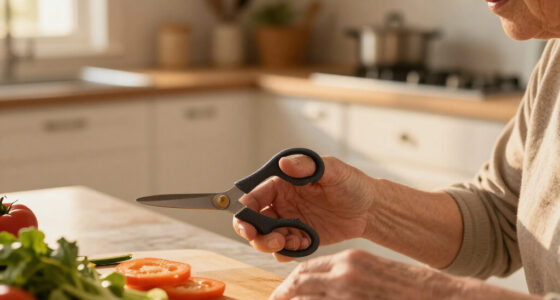
Ergonomic handles are designed to fit comfortably in your hand, reducing the force needed to grip. This is especially important because people with weak grip often experience fatigue or pain after prolonged use. The design matters because it distributes pressure more evenly across the hand, decreasing strain on sensitive joints or muscles. When handles are contoured and cushioned, they minimize the effort required, which can prevent fatigue and even injury over time.
For example, a caregiver might replace a standard utensil with one featuring a thick, cushioned grip. The difference? Less strain after a few minutes of chopping or stirring. This isn’t just comfort — it’s about enabling individuals to perform tasks independently without risking injury or excessive fatigue.
According to an anonymous researcher, ergonomic handles can cut the grip force needed by nearly 50%, making everyday tasks more manageable. This reduction in effort can translate into fewer aches, less fatigue, and greater confidence in handling kitchen chores, which enhances overall safety and independence.

Home Hero 10-Piece Stainless Steel Kitchen Utensil Set with Wooden Handle
- Complete 10-Piece Set: Includes all essential kitchen utensils
- Premium Stainless Steel: Rust-resistant, durable, food-safe material
- Ergonomic Wooden Handles: Comfortable, non-slip, stylish rubberwood handles
As an affiliate, we earn on qualifying purchases.
As an affiliate, we earn on qualifying purchases.
Top Features to Look for in Kitchen Tools for Weak Grip
When choosing tools, focus on features that lower the effort barrier, but also consider how these features influence usability and safety in daily life. Larger, contoured handles not only make gripping easier but also help prevent slips that could cause accidents. Soft, non-slip grips are crucial because they maintain a firm hold even when hands are sweaty or trembling, reducing the likelihood of dropping tools or causing injury.
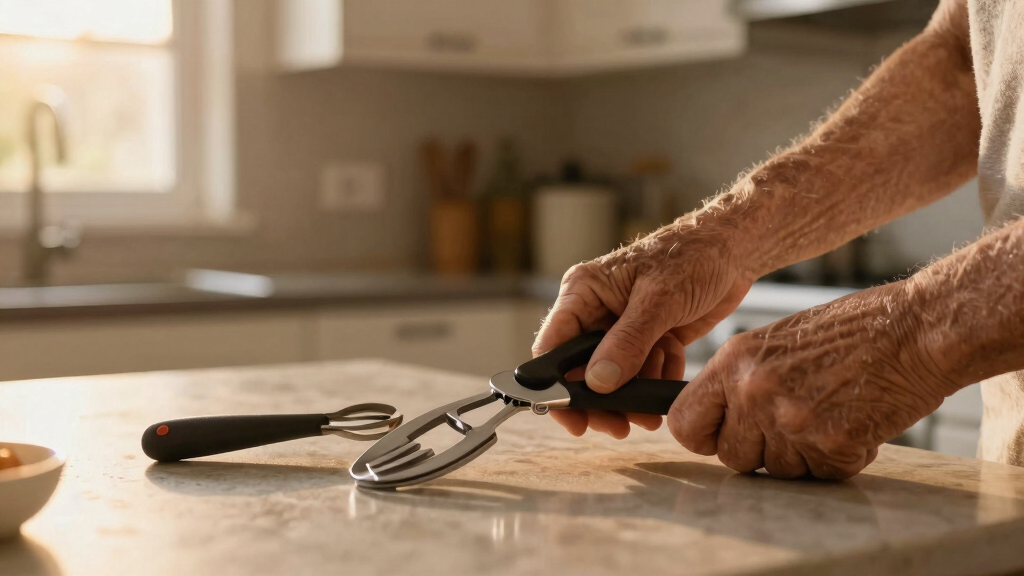
Lever mechanisms are significant because they require less force to operate, which is vital for those with limited strength or joint pain. For example, a lever-style can opener demands minimal effort, allowing even those with arthritis to open cans safely. Electric or battery-powered tools eliminate manual effort altogether, but they also introduce considerations like battery maintenance and cost. Customizable handles offer a tailored fit, which can improve comfort and control, especially for users with unique hand sizes or deformities.
Choosing the right combination of features involves understanding the tradeoffs — for instance, electric tools may be more expensive and require charging, but they dramatically reduce effort and enhance safety. Conversely, manual tools with ergonomic features are more affordable but might demand some initial adjustment to use comfortably. These considerations matter because they directly impact the user’s ability to perform tasks safely and independently over time.

Jar Opener for Weak Hands, Seniors with Arthritis, 5 in 1 Multi Function Bottle Opener Lid Opener for Arthritic Hands with Non Slip Rubber Jar Opener Gripper Pad
- Designed for Weak Hands: Helps seniors and arthritis sufferers
- Ergonomic Long Handles: Provides leverage and comfort
- Non-slip Grip: Ensures safety when wet
As an affiliate, we earn on qualifying purchases.
As an affiliate, we earn on qualifying purchases.
Compare Popular Assistive Kitchen Tools in a Simple Table
| Feature | Manual Tools | Assistive/Electric Tools |
|---|---|---|
| Handle Design | Standard, small, thin | Large, contoured, cushioned |
| Effort Required | High, especially for twisting or cutting | Minimal; powered by electric/motor |
| Suitability | Best for users with strong grip | Ideal for arthritis, weak grip, or limited hand strength |
| Cost | Lower upfront | Typically higher but saves effort and reduces strain |
This comparison helps you weigh options — from straightforward tools to tech-enhanced aids, considering both initial investment and long-term benefits in safety and ease of use.

Cuisinart Electric Can Opener, One-Touch Operation, Nonslip Base, Black
- One-Touch Operation: Press button to open cans easily
- Automatic Performance: Consistent results for various can sizes
- Stable Non-Slip Base: Ensures stability during use
As an affiliate, we earn on qualifying purchases.
As an affiliate, we earn on qualifying purchases.
How to Make Your Current Tools Easier to Use (Step-by-Step)
- Identify the problem: Is the handle too small or slippery? Recognizing specific issues helps target effective solutions rather than generic fixes.
- Choose a simple upgrade: Add a silicone grip or a handle extender. These modifications can significantly improve grip and comfort, making tasks easier without the need for new tools.
- Apply non-slip materials: Wrap handles with rubber strips or use slip-resistant tape. This enhances safety by reducing the risk of accidental slips during use.
- Adjust your grip: Use two hands for larger tools or leverage assistive devices. Proper grip technique can prevent strain and improve control, especially for prolonged tasks.
- Test and refine: Try the tools, and make adjustments for comfort and safety. Small tweaks can lead to better ergonomics and reduce fatigue or discomfort.
For example, wrapping a standard spatula handle with a soft silicone sleeve can turn it into a much easier-to-grip tool, increasing safety and reducing effort.
These small tweaks are cost-effective and quick to implement, providing immediate relief and making daily cooking tasks more accessible, especially when replacing tools isn’t feasible right away.

Deofun 4pcs Rubber Jar Opener Bottle Gripper for Weak Hands, Seniors
- Multi-functional Design: Serves as coasters and heat mats
- Durable Non-slip Material: Made of high-quality, flexible rubber
- Easy to Use: Simple twist to open bottles
As an affiliate, we earn on qualifying purchases.
As an affiliate, we earn on qualifying purchases.
Safety Tips When Using Adaptive Kitchen Tools
Safety comes first. Always check that tools are secure and in good condition. For example, ensure electric tools are unplugged before cleaning or adjusting to prevent electric shock or accidental activation.
Use tools designed for stability — a tool slipping can cause injury or accidents. Keep handles dry and clean to prevent slipping, and regularly inspect for wear or damage that could compromise safety. Remember, even the best tools won’t help if you’re rushing or distracted, as haste increases the risk of mishaps.
For instance, a non-slip grip on a knife handle prevents slips, reducing the risk of cuts during prep work. Incorporating safety features like blade guards or secure grips ensures safer use, especially for those with limited dexterity or strength.
Understanding proper handling, maintenance, and the importance of a distraction-free environment maximizes safety and prolongs the lifespan of your tools, ultimately supporting safer cooking experiences.
Frequently Asked Questions
What are the best kitchen tools for someone with arthritis or weak grip?
Look for tools with large, contoured handles made of soft, non-slip materials. Electric or lever-operated tools like can openers and jar squeezers also reduce the effort needed. These designs help minimize pain and fatigue during everyday tasks.
Are electric or battery-operated tools worth the investment?
Yes, if you frequently struggle with manual tasks. They require minimal grip strength and can make cooking much safer and easier. While the upfront cost may be higher, they often save time and reduce strain over the long run.
How can I modify existing tools to make them easier to use?
Wrap handles with silicone or foam grips, add handle extenders, or apply non-slip tape. These simple DIY modifications can improve grip and comfort without buying new tools, making everyday tasks more manageable and safer.
What features should I look for when choosing ergonomic kitchen tools?
Prioritize larger, cushioned handles, non-slip grips, and lever mechanisms. Also consider tools that are lightweight, adjustable, and suitable for your hand size and strength. These features collectively reduce effort and increase safety.
Can these tools be used safely by children or elderly individuals?
Most ergonomic and assistive tools are designed with safety in mind and are suitable for both groups when used properly. Always supervise children and ensure the tools are in good condition for elderly users, emphasizing proper handling and regular inspection to prevent accidents.
Conclusion
Choosing the right kitchen tools isn’t just about convenience — it’s about dignity, safety, and independence. Simple ergonomic designs and assistive features can turn cooking from a challenge into a pleasure.
Think of your kitchen as a space that adapts to you, not the other way around. Small changes today can lead to big, lasting improvements tomorrow. Take a moment to evaluate your tools and give your hands the support they deserve.
Grilling season Picks
grills
As an affiliate, we earn on qualifying purchases.