
TL;DR

Turn quiet afternoons into listening time
- Thousands of audiobooks, podcasts and originals
- Listen on your phone, tablet or Echo — also offline
- Cancel anytime
Outdoor seating with armrests and support improves stability, comfort, and ease of standing. Selecting the right design, materials, and features makes outdoor spaces safer and more accessible for everyone.
If you’ve ever struggled to get out of a chair on your patio or garden, you’re not alone. Many outdoor chairs lack the key features that make sitting and standing easier, especially for older adults or people with limited mobility.
But choosing the right outdoor seating—ones with sturdy armrests and supportive backs—can transform your outdoor experience. It’s about safety, comfort, and preserving independence. This guide walks you through what to look for, how different designs support your needs, and tips for maintenance. You’ll learn how to select chairs that not only look good but also keep you steady and comfortable through seasons of outdoor living.
Choose chairs with ergonomic backs and wide, supportive armrests for better stability and comfort.
Prioritize durable, weather-resistant materials suited for your climate to maximize longevity.
Test seating in person—check height, armrest strength, and stability—to find the safest, most comfortable option.
Use firm, quick-drying cushions with water-resistant covers to boost comfort without sacrificing support.
Incorporate accessibility features like high armrests and clear paths to ensure outdoor spaces are welcoming for everyone.
Outdoor Seating With Armrests and Support
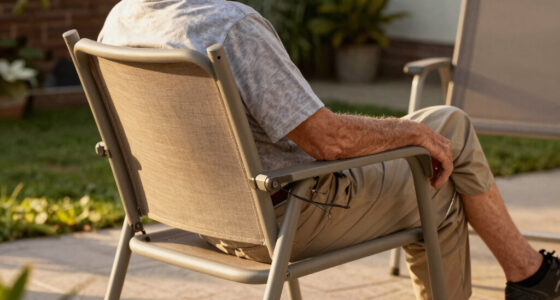
Supportive outdoor chairs do more than look good. Sturdy armrests and contoured backs reduce the effort of standing, prevent strain, and keep patios and gardens safer — especially for older adults and anyone with limited mobility.
Support Is Safety, Not Just Comfort
A gently curved backrest follows the spine’s natural shape, reducing muscle strain during long sittings. Firm armrests provide leverage when pushing up — cutting the risk of slips and falls.
Posture: A contoured backrest encourages proper spinal alignment and prevents slouching, which over time can cause musculoskeletal problems.
Leverage: Armrests strong enough to bear downward pressure let you push up safely instead of struggling out of a low, soft seat.
Independence: The right chair means fewer aches, less fatigue, and more time actually enjoying your outdoor space — a direct boost to quality of life.
The Key Features Your Outdoor Chair Must Have
Not all outdoor chairs are equal. Some look similar but lack the design features that truly support your body. Evaluate every candidate against these six criteria.
Supportive Backrest
Follows the natural curve of your spine — never flat or sharply angled. Adequate depth and firmness support your back without creating pressure points or encouraging slouching.
Sturdy Armrests
Strong enough to bear downward pressure, wide enough for forearm support, long enough to grip before sitting or standing. Smooth and rounded, with no sharp edges.
Correct Seat Height
Typically 17–19 inches. High enough for easy standing, low enough for smooth sitting. Taller users may prefer slightly higher; shorter users benefit from lower seats.
Frame Stability
Broad, rigid base with non-slip feet and minimal wobble. Locking mechanisms on folding or reclining models. Stationary seating beats rockers and swivels when transfer support matters.
Material Durability
Rust-resistant metals, weatherproof woods, or quality HDPE. Hardware, joints, and finishes usually deteriorate before the frame — no outdoor material is maintenance-free.
Cushion Support
Firm, quick-drying foam with water-resistant, UV- and mildew-resistant covers. Ties or non-slip backing keep cushions in place so they never compromise balance.
Weather Resistance Compared
Durability depends on material choice and local climate. The “Best For” column highlights the standout strength of each option.
| Material | Rust / Weather | Stability | Best For | Watch Out |
|---|---|---|---|---|
| Aluminum | ✓ Excellent | ~ Light | Easy moving, rust-free | May shift in strong winds |
| Steel (coated) | ~ Coating-dependent | ✓ Strong | Strength & steadiness | Scratches invite corrosion |
| Stainless steel | ✓ Excellent | ✓ Heavy & solid | Premium durability | Cost & weight |
| Teak / hardwood | ✓ Very good | ✓ Solid | Strength + looks | Weathering, regular cleaning |
| Plastic / resin | ~ Varies | ~ Varies | Budget, low upkeep | UV & capacity vary widely |
| HDPE lumber | ✓ Excellent | ✓ Heavy | Low-maintenance longevity | Higher price |
Find Your Sweet-Spot Seat Height
The right height lets both feet rest flat while minimizing joint strain during sit-to-stand transitions.
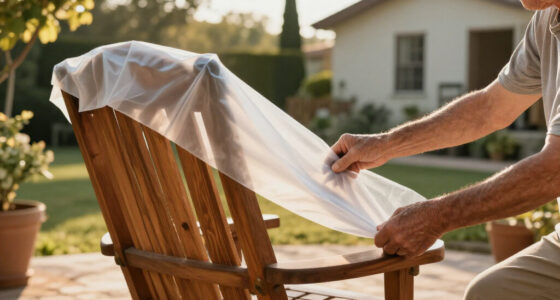
Match the seat to your body proportions: taller individuals may prefer slightly higher seats; shorter users gain stability from lower ones. Elevated Adirondack-style chairs with supportive armrests are a smart accessible modification.
Your Selection Path
Assess Needs
Consider mobility, height, and who will use the seat — and how often.
Match Climate
Pick materials suited to your local sun, rain, and wind conditions.
Test In Person
Check height, armrest strength, and stability — look for zero wobble.
Add Cushions
Firm, quick-drying foam with water-resistant, washable covers.
Place & Maintain
Level ground, clear access path, seasonal checks on hardware and joints.
Five Rules for Supportive Outdoor Seating
Ergonomics first: Choose chairs with contoured backs and wide, supportive armrests for better stability and comfort.
Durable materials: Prioritize weather-resistant options suited to your climate to maximize longevity.
Test in person: Check height, armrest strength, and frame stability before you buy.
Smart cushions: Firm, quick-drying foam with water-resistant covers — comfort without sacrificing support.
Inclusive design: High armrests, level routes, and clear paths make outdoor spaces welcoming for everyone.
Armrests ≠ grab rails: Never use armrests as transfer rails unless the manufacturer specifically rates them for it.
Reader Questions Answered
What seat height makes standing up easiest?
About 17 to 19 inches from the ground. It allows both feet to rest flat, reducing strain and improving stability — especially valuable for older adults or those with limited mobility.
Are armrests helpful for seniors?
Yes. Armrests provide leverage and stability when sitting or standing, reduce the effort needed, and can help prevent falls — a valuable feature for anyone with balance concerns.
Which outdoor chairs offer the best back support?
Chairs with a contoured, upright backrest that follows your spine plus firm seat support. Avoid overly deep or reclined models if your goal is stability and easy transfer.
Are Adirondack chairs suitable for limited mobility?
Traditional Adirondacks are low and reclined, making standing difficult. Elevated or modified versions with higher seats and supportive armrests work better — always test for individual comfort.
What outdoor furniture material lasts longest?
High-quality teak, stainless steel, aluminum, and HDPE plastics lead the field — but longevity always depends on proper maintenance and local weather conditions.
Why Supportive Outdoor Chairs Make a Difference
Supportive outdoor chairs with ergonomic backs and sturdy armrests do more than just look nice. They help you sit comfortably for longer periods and make standing up less of a strain. A good chair supports your natural posture without forcing you into an awkward position.
Imagine sitting on a chair with a gently curved back that follows the natural shape of your spine. This design encourages proper alignment, reducing strain on your muscles and spine, which is especially important for older adults or those with back issues. Proper support can prevent discomfort and long-term posture problems. When you stand, firm armrests give you leverage, making the process easier and safer—reducing the risk of slips or falls that might occur if you struggle to push yourself up from a poorly designed seat.
For example, a garden bench with high, contoured backrests and broad armrests can help older adults enjoy outdoor meals or morning coffee without discomfort. The right support isn’t just about comfort; it’s about safety and maintaining mobility, which directly impacts independence and quality of life. Investing in these features means fewer aches, less fatigue, and a more enjoyable outdoor experience overall.
Understanding the importance of ergonomic support helps you recognize that not all outdoor chairs are equal. Some may look similar but lack the necessary design features that truly support your body. Choosing the right support can also influence how often you use your outdoor space—comfortable, supportive chairs encourage more frequent outdoor activity, which benefits your overall health.
Products Worth Considering

Philips Hue Festavia Globe Outdoor String Lights, 8 Bulbs, 22 ft

Dyson W1 PencilWash Cordless Wet and Dry Floor Cleaner with Dock

Ring Alarm 5-Piece Wireless Security System
As an affiliate, we earn on qualifying purchases.
The Key Features Your Outdoor Chair Must Have
When shopping for outdoor seating with armrests and support, focus on these specific features:
- Supportive Backrest: Follows the natural curve of your spine, not flat or sharply angled. This support helps maintain proper posture during extended sitting, reducing back fatigue and discomfort. A well-designed backrest can also prevent slouching, which over time can cause musculoskeletal issues. The depth and firmness of the backrest matter because they determine how well your back is supported without causing pressure points.
- Sturdy Armrests: Strong enough to bear downward pressure, positioned at a comfortable height, and wide enough for forearm support. Properly designed armrests distribute weight evenly, reducing strain on your shoulders and wrists. They also serve as leverage points for standing up, especially critical for those with mobility concerns. The width and padding of armrests can influence comfort—wider, cushioned armrests may be more supportive but could also add weight, so balance is key.
- Seat Height: Usually between 17 to 19 inches from the ground—high enough for easy standing without causing difficulty when sitting down. A seat height that matches your body proportions minimizes joint strain, making transitions smoother and safer. Keep in mind that taller individuals might prefer slightly higher seats, while shorter users benefit from lower ones for stability.
- Frame Stability: Broad, rigid base with non-slip feet keeps the chair steady, especially on uneven surfaces. Stability prevents accidental tipping or shifting that could cause falls, which is particularly important on loose or uneven outdoor terrain. The frame’s construction material and design directly influence durability and safety—sturdy frames reduce wobbling and enhance confidence during use.
- Material Durability: Rust-resistant metals, weatherproof woods, or high-quality plastics suited for outdoor conditions. Durable materials ensure the chair maintains its structural integrity over time, even under harsh weather, reducing the need for frequent replacement. Additionally, choosing eco-friendly or low-maintenance materials can save effort and costs in the long run.
- Cushion Support: Firm, quick-drying cushions with water-resistant covers enhance comfort without sacrificing stability. Proper cushioning adds to comfort during prolonged sitting, but must be designed to stay securely in place to prevent shifting that could compromise balance. The choice of cushion density and cover material impacts both comfort and ease of cleaning, which is vital for outdoor furniture exposed to the elements.
By understanding these features’ roles and tradeoffs, you can select outdoor chairs that not only meet your aesthetic preferences but also provide the necessary support and safety. Remember, the best chair balances comfort, stability, and durability, tailored to your specific needs and environment.
Frequently Asked Questions
What seat height makes standing up easiest?
A seat height of about 17 to 19 inches from the ground usually provides the easiest standing position, especially for older adults or those with limited mobility. It allows both feet to rest flat, reducing strain and improving stability.
Are armrests helpful for seniors?
Yes, armrests provide leverage and stability when sitting or standing. They help reduce the effort needed and can prevent falls, making them a valuable feature for seniors or anyone with balance concerns.
Which outdoor chairs offer the best back support?
Chairs with a contoured, upright backrest that follows your spine and firm seat support tend to offer the best back support. Avoid overly deep or reclined models if your goal is stability and easy transfer. Proper support not only alleviates back pain but also encourages correct posture, which is vital for long-term spinal health.
Are Adirondack chairs suitable for people with limited mobility?
Traditional Adirondacks can be low and reclined, making standing difficult. Elevated or modified versions with higher seats and supportive armrests are better suited, but always test for individual comfort and stability. Proper modifications can turn a classic style into an accessible solution, ensuring safety and comfort for users with mobility challenges.
What outdoor furniture material lasts longest?
High-quality teak, stainless steel, aluminum, and HDPE plastics are among the most durable materials for outdoor furniture. Their longevity depends on proper maintenance and local weather conditions. Selecting the right material balances initial cost with long-term resilience, ultimately saving money and effort over time.
Conclusion
Investing in outdoor seating with armrests and support isn’t just about looks—it’s about creating a space that promotes safety, independence, and enjoyment. The right chair can make outdoor living a pleasure at any age.
Remember, the best outdoor furniture is the one that fits your body and your lifestyle. Take the time to test, maintain, and adapt your seating so it continues to serve you well—season after season. After all, outdoor living should be comfortable, safe, and truly yours.