TL;DR
Open a free Amazon Business account
Business pricing, bulk buying and tax-exempt orders.
Create a free accountAs an affiliate, we earn on qualifying purchases.
Rollators and walkers both support mobility, but they serve different needs. Rollators are wheels-equipped, ideal for outdoor use and longer walks, while walkers offer maximum stability for indoor or severe balance issues. Choosing the right one depends on your activity level, balance, and personal preferences.
Imagine walking down your neighborhood street, feeling the breeze on your face, your mobility aid rolling smoothly beneath you. Now picture navigating your home’s narrow hallways, needing sturdy support but not wanting to be tethered to four legs. The right aid can transform your day-to-day life — but which one?
Choosing between a rollator and a walker isn’t just about labels. It’s about understanding how each fits into your routines, your space, and your comfort. This guide breaks down the differences, helping you find the support that keeps you moving with confidence and dignity.
Choose a walker if maximum stability and indoor use are your priorities.
Opt for a rollator if outdoor mobility, ease of movement, and longer walks matter more.
Test and adjust your device for a perfect fit — comfort and safety depend on it.
Stay updated with new features like lightweight frames and safety innovations.
Consult with a mobility expert or therapist for personalized advice and training.
Choose the Mobility Aid That Fits Your Real Day
TL;DR: Rollators and walkers both support mobility, but they serve different needs. Rollators are wheel-equipped and better for outdoor use, errands, and longer walks. Walkers offer maximum stability for indoor movement, tighter spaces, and more serious balance concerns.
Nearly 60% of mobility aid users report rollators are more convenient for outdoor activities.
Walkers remain the stronger choice when maximum indoor stability is the priority.
The right aid is not a label. It is a match between your balance, your routes, and your confidence.
Stability Versus Glide
A walker behaves like a steady frame: reliable, grounded, and reassuring when balance is limited. A rollator behaves more like a guided support system: smoother, faster, and more useful when you have enough balance to manage wheels and brakes.
Maximum stability indoors
Best for short trips, severe balance concerns, recovery periods, and homes where controlled movement matters more than speed.
Longer walks with less effort
Best for errands, outdoor strolls, smoother travel, built-in seats, and users who want support without lifting the frame.
Fit changes everything
Handle height, brake reach, wheel size, posture, and training can turn the same device from awkward to confidence-building.
Choose a walker for maximum indoor stability.
Choose a rollator for outdoor mobility and longer walks.
Adjust height and grips before judging comfort.
Review newer lightweight and safety features.
Ask a therapist or mobility expert for training.
Walker vs Rollator at a Glance
Use this table as a first pass, then test real models in your own environment. The best choice is the one that keeps you moving safely without making daily routines feel harder.
| Feature | Walker | Rollator | Best Fit Signal |
|---|---|---|---|
| Design | ✓Four-legged frame, sometimes with a seat, simple grips, and a stable base. | ✓Four wheels, seat, hand brakes, and often a storage pouch or basket. | ~Choose based on whether you need planted support or smooth movement. |
| Mobility Ease | ~May require lifting or deliberate pushing, which can tire users over distance. | ✓Glides smoothly and reduces effort across longer routes. | ✓Rollator for longer walks; walker for controlled steps. |
| Best Environment | ✓Indoor use, confined spaces, recovery, and maximum balance support. | ✓Outdoor use, errands, distance, and mixed surfaces with proper wheels. | ~Your home layout and typical routes matter most. |
| Portability | ~Often foldable, but can be bulkier to store or transport. | ✓Modern models fold compactly and may be lighter for cars and errands. | ✓Test the folding mechanism before buying. |
| Safety Features | ✓Stable frame, grips, and sometimes brakes or locking mechanisms. | ✓Hand brakes, locking brakes, ergonomic handles, shock absorption, and anti-tip options. | ✗Never skip brake checks, fit, and practice. |
How to Know Which One Fits
Think through the choice in order: your balance first, then your environment, then your activity level, then the safety features that make the device comfortable enough to use every day.
Assess Balance
Significant weakness or balance loss points toward a walker’s steadier base.
Map Spaces
Narrow hallways favor simpler frames; uneven outdoor terrain favors wheels.
Match Activity
Short indoor trips and longer errands place very different demands on support.
Check Safety
Brakes, handle height, shock absorption, and weight capacity deserve attention.
Train and Adjust
A therapist can help tune posture, stride, turning, sitting, and braking.
Where Each Aid Tends to Shine
The tradeoff is not good versus bad. It is support style. Walkers emphasize planted control; rollators emphasize momentum, distance, and convenience.
Fit by Common Use Case
Stability to Maneuverability Spectrum
If you feel unsafe when a device moves freely, start with a walker. If lifting a frame limits your activity and your balance is adequate, a rollator may help you stay active longer.
Features Making Aids Easier to Live With
Recent designs focus on making support feel less clinical and more integrated into daily life: lighter frames, better brakes, more comfortable grips, and smarter visibility features.
Aluminum and carbon fiber
Modern materials can cut weight, making folding, lifting, and loading into a car less tiring.
Brakes, grip, and absorption
Locking brakes, ergonomic handles, and shock absorption can reduce fatigue and improve confidence outdoors.
LED lights and GPS
Some rollators now add visibility and tracking features for users who want extra reassurance.
Height, seat, and storage
Adjustability helps protect posture, reduce strain, and make the device easier to use consistently.
Clear Answers Before You Choose
The best decision is usually made after trying the device, adjusting it, and practicing turns, thresholds, braking, and sitting with someone who understands mobility safety.
Is a walker better indoors or outdoors?
Walkers are often better indoors when maximum stability matters, especially in confined spaces. Outdoor use depends on the model, surface, and user strength.
Can I use a rollator inside?
Yes, if your home has enough turning space. Narrow rollators can work indoors, but larger models may be cumbersome in tight hallways.
What features should I prioritize?
Prioritize proper handle height, reliable brakes, comfortable grips, safe weight capacity, easy folding, and a frame that fits your real routes.
Are there risks with either device?
Yes. Poor fit, weak brakes, wrong terrain, rushing, or lack of training can increase fall risk. Proper setup and practice are essential.
What’s the Real Difference Between a Walker and a Rollator?
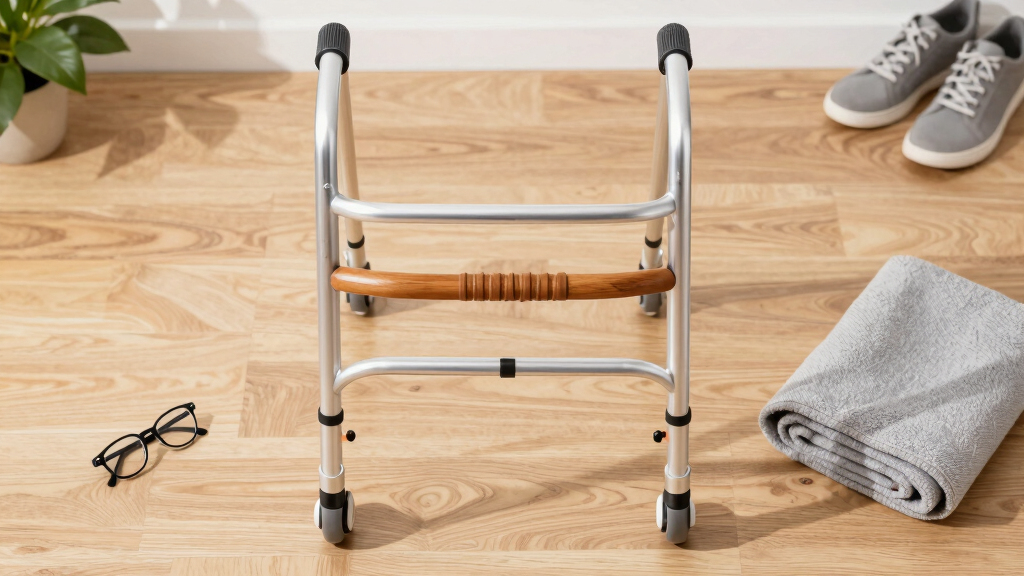
Walkers are simple frames with four legs, designed for maximum stability. They often have a seat, allowing you to sit and rest when needed. Think of them like a sturdy scaffold — reliable but a bit bulky.
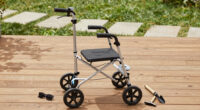
Rollators are walkers with four wheels, a built-in seat, and often storage. They glide smoothly over surfaces, making outdoor outings and longer walks easier. Imagine a mini car that helps you get around safely and comfortably.
Understanding these differences is crucial because they directly impact your safety, independence, and comfort. For example, a walker’s stability is unmatched, reducing fall risk, but it can be cumbersome and limit mobility in tight spaces. Conversely, a rollator’s ease of movement makes outdoor activities more accessible, but it may require better balance to prevent tipping. The choice hinges on your specific needs, environment, and what tradeoffs you’re willing to accept — stability versus maneuverability, indoor versus outdoor use.

HOMLAND Foldable Rollator Walkers for Seniors with Seat, 16" Enlarged Seat
- Heavy-duty Frame: Supports up to 350 pounds with reinforced design
- Adjustable Comfort: Customizable seat and handle heights
- Breathable Backrest: Provides added comfort during use
As an affiliate, we earn on qualifying purchases.
As an affiliate, we earn on qualifying purchases.
How Do You Know Which One Is Right for Your Needs?
- Assess your balance and strength: If you have significant balance issues or weakness, a walker’s stability can provide peace of mind. However, if your strength allows you to handle a device that moves more freely, a rollator might give you greater independence without sacrificing safety.
- Think about your typical environment: Indoors, narrow hallways and furniture may favor a walker’s simplicity, but some rollators are designed to be narrow enough for tight spaces. Outdoors, uneven terrain or longer distances favor a rollator’s wheels and suspension system, which can make walking less tiring and more natural. Recognizing your environment helps determine which device offers the best balance of support and ease of use.
- Consider your activity level: For short, indoor trips, a sturdy, stable walker might suffice. If you enjoy longer outdoor walks or errands, a rollator’s wheels and built-in features can extend your independence and activity levels. Understanding your typical routines guides you toward a device that encourages ongoing mobility without compromising safety.
- Evaluate safety features: Brakes, ergonomic handles, shock absorption, and weight capacity are critical. For example, locking brakes prevent accidental movement, especially on slopes or uneven surfaces. Shock absorbers reduce jarring impacts during outdoor use, which is vital for joint health. Prioritizing these features ensures your device supports your safety and comfort, reducing the risk of falls or fatigue.
Choosing the right device involves balancing these factors and understanding the implications. A well-suited mobility aid not only enhances your independence but also minimizes risks and maximizes comfort — making your daily activities more enjoyable and less stressful.

VOCIC Z21 Rollator Walker for Seniors with Seat, 8" All Terrain, 350 LBS
- Lightweight and Durable: Weighs 22lb, supports up to 350lb
- Compact Folding Design: Folds in 3 seconds to 31.5×23.6×13.8 inches
- Ergonomic Seat: Bionic, waterproof, 1.6-inch thick for comfort
As an affiliate, we earn on qualifying purchases.
As an affiliate, we earn on qualifying purchases.
Comparison Table: Walker vs Rollator — Which Fits Your Lifestyle?
| Feature | Walker | Rollator |
|---|---|---|
| Design | Four-legged frame, often with a seat | Four wheels, with a seat and storage |
| Mobility Ease | Requires lifting or pushing, which can be tiring over long distances or rough terrain | Glides smoothly, making it easier to maneuver and reducing physical effort |
| Best For | Indoor use, maximum stability, and safety in confined spaces | Outdoor use, longer distances, and enhanced maneuverability |
| Portability | Foldable but bulkier, may require more space for storage | Compact, folds easily, and is generally lighter for transport |
| Safety Features | Brakes, stability aids, sometimes with locking mechanisms | Brakes, ergonomic handles, shock absorption, and sometimes advanced safety features like anti-tip mechanisms |

Drive Medical Rollator Walker with Seat, 7.5 Inch Wheels, Red
- Stable Walking Support: Reliable mobility aid with padded seat
- Smooth Navigation: 7.5-inch wheels with locking hand brake
- Adjustable Comfort: Height-adjustable handles and fold-down backrest
As an affiliate, we earn on qualifying purchases.
As an affiliate, we earn on qualifying purchases.
What’s New in Mobility Aids? The Latest Trends
Recent innovations make choosing easier and safer. Lightweight materials like aluminum and carbon fiber cut down weight by up to 30%, making devices easier to handle and less tiring to use. These materials also enhance durability and ease of transport, which is crucial for active users.
Safety gets a boost with advanced brakes, shock absorbers, and ergonomic grips, which collectively reduce fatigue and prevent accidents. Features like adjustable height and ergonomic handles improve comfort and proper posture, which can prevent long-term strain or injury.
Some rollators now include features like LED lights for night visibility or GPS tracking for peace of mind. These technologies help users feel more secure and independent, especially when navigating unfamiliar or dimly lit areas. The focus is on making your device feel less like a medical tool and more like a trusted companion for your daily adventures.
For example, a new foldable model with a built-in seat and a storage pouch can slip into your car trunk, ready for errands or outdoor strolls, making mobility aids more versatile and integrated into active lifestyles.

Whlicks Narrow Walkers for Seniors, Folding Walker for Small Space 350lbs
- Stable & Secure: Whlicks standard walker features 1.25mm…
- Lightweight & Portable: Regain your freedom with a…
- Adjustable Width & Height: Navigate narrow hallways and bathroom…
As an affiliate, we earn on qualifying purchases.
As an affiliate, we earn on qualifying purchases.
Key Facts Every User Should Know
- Mobility aids can boost independence and lower fall risks, especially for those with balance issues. They serve as crucial tools that enable continued engagement in daily activities, reducing reliance on others and fostering confidence.
- The choice depends on individual needs: strength, environment, activity level, and personal comfort matter. Recognizing these factors helps prevent mismatched devices that might cause discomfort or safety concerns, ultimately supporting sustained mobility and well-being.
- Proper fit and training are essential — a well-adjusted device can prevent accidents and reduce fatigue. Learning how to use your aid correctly ensures maximum benefit and minimizes the risk of misuse or injury, especially for first-time users.
Your Questions: Clear Answers to Common Concerns
- Is a walker better indoors or outdoors? Walkers are often better indoors for maximum stability, especially in confined spaces or uneven surfaces. However, some models are designed with features like larger wheels or shock absorption, making them suitable for outdoor terrain. The key is selecting a model that matches your primary environment to ensure safety and ease of use.
- Can I use a rollator inside? Yes, but it depends on your space. Many rollators are designed to be narrow enough for indoor hallways, but larger or heavier models might be cumbersome in tight spaces. Consider your home layout and choose a model that offers the right balance of maneuverability and stability.
- What features should I prioritize? Safety brakes, adjustable height, ergonomic handles, and shock absorption are vital. These features enhance safety, comfort, and ease of use, especially if you plan to use your device frequently or for extended periods.
- Are these devices covered by insurance? Many insurance plans or Medicare can help with costs, but coverage varies. It’s important to check with your provider beforehand to understand what is included and if there are specific requirements or documentation needed.
- How do I learn to use them safely? Practice under supervision, adjust the device to your height, and get proper training from a therapist or specialist. Proper instruction ensures you understand how to operate the device correctly, reducing fall risk and increasing confidence in your mobility.
Conclusion
Picking the right support isn’t about labels — it’s about matching your lifestyle with the device that keeps you moving safely and confidently. Whether it’s a sturdy walker or a nimble rollator, the goal remains the same: independence wrapped in comfort and dignity.
Remember, a well-chosen mobility aid isn’t just equipment — it’s your partner in everyday freedom. Take the time to find what fits best, and keep moving forward with confidence.
Pool season Picks
robotic pool cleaners
As an affiliate, we earn on qualifying purchases.