TL;DR
Prime for Young Adults — start your free trial
Fast free delivery, streaming and member deals for eligible 18–24 year olds.
Try it freeAs an affiliate, we earn on qualifying purchases.
Quad canes offer more stability with a wider base, ideal for balance issues. Single-point canes are lighter and discreet but provide less lateral support. Your choice depends on your mobility needs and safety considerations.
A quad cane offers greater stability, making it ideal for those with significant balance challenges.
Single-point canes are lighter, sleeker, and easier to carry but provide less lateral support.
Choosing the right cane depends on your mobility needs, environment, and comfort preferences.
Proper height adjustment and regular maintenance are vital for safe, effective use.
New designs focus on lightweight materials and ergonomic features to improve safety and convenience.
Quad Cane vs Single-Point Cane
A cane should do more than steady your body—it should help restore confidence with every step. Compare the wider, more supportive quad base with the light, discreet single-point design to find the right balance of safety, comfort, and independence.
One tip or four feet?
The base changes how the cane responds to weight shifts. A narrow point moves quickly; a broad footprint resists sideways wobble and spreads contact across four tips.
Single-Point Cane
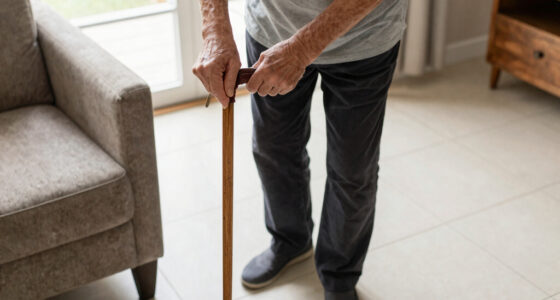
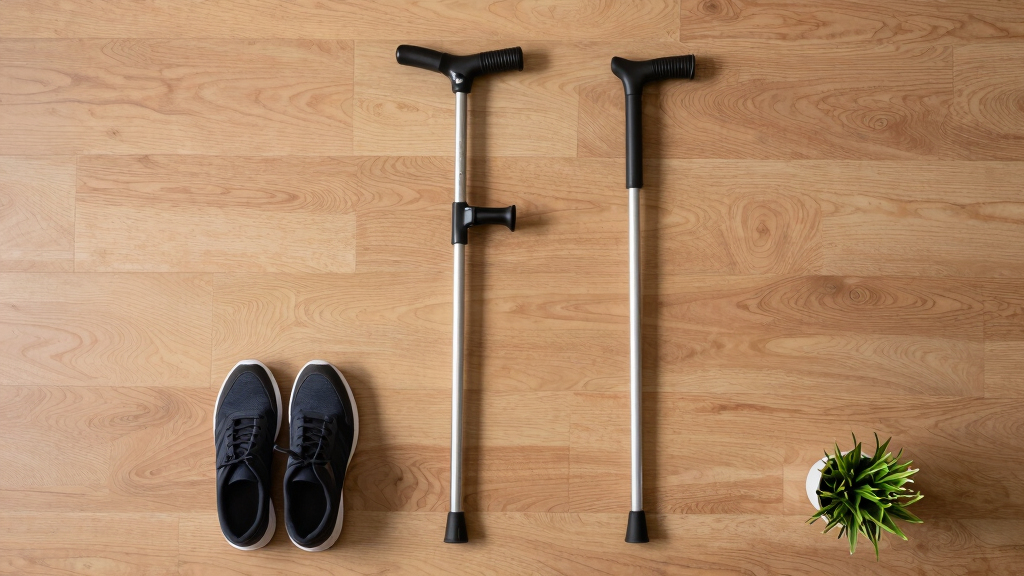
A slim standard cane with one ground-contact tip. It is easy to maneuver, adjust, carry, and store—well suited to mild weakness or minor balance concerns.
Quad Cane
Four small feet create a table-like footprint that distributes contact more broadly. This added resistance to tipping can help users with significant balance challenges.
Where each cane leads
These directional scores translate the documented design differences into a simple visual comparison. They are decision aids, not clinical test results.
Quad cane strengths
Broad contact improves reassurance but adds size and weight.
Single-point strengths
A narrow footprint moves easily but is less resistant to sideways sway.
The practical benefit is enhanced lateral stability and less tendency to tip. The real-world cost is a heavier, more cumbersome base.
How they stack up
The better option depends on which column reflects your actual support needs, usual walking surfaces, and ability to lift and position the cane.
| Feature | Single-Point Cane | Quad Cane |
|---|---|---|
| Support level | ~ Basic Mild balance issues and minimal support needs |
✓ High Significant stability needs or weakness |
| Uneven terrain | ~ Caution Narrow tip may wobble on gravel or broken paving |
✓ Stronger Wider footprint reduces tipping and lateral movement |
| Weight | ✓ Lighter Easy to lift, reposition, and carry |
~ Heavier Added structure provides greater support |
| Portability | ✓ Excellent Discreet and convenient for quick outings |
~ Moderate Bulkier, although foldable models improve storage |
| Support area | ~ Narrow One focused ground-contact point |
✓ Wide Four-footed base spreads contact more broadly |
| Appearance | ✓ Sleek Minimal styling blends into daily life |
~ Visible More substantial but available in varied styles |
Which one fits you?
Consider balance severity first, then your environment, strength, daily activity, storage needs, and comfort preferences.
Lean single-point when…
You need a small amount of assistance and can reliably place a narrow tip while walking.
- Your balance concern is mild
- Light weight and travel matter
- You mainly use predictable, level surfaces
- A discreet appearance supports confidence
Lean quad when…
You experience frequent wobbling, fear of falling, or need greater resistance to sideways movement.
- Your gait is notably unsteady
- You are recovering from major surgery
- Arthritis or joint weakness limits control
- Your route includes slick or uneven surfaces
Fit. Place. Test. Maintain.
Even the right cane becomes unsafe when it is too tall, too short, used on the wrong side, or fitted with a worn tip.
Stand tall
Wear your usual walking shoes and relax both arms.
Set height
Align the handle with the crease of your wrist.
Use strong side
Hold the cane opposite the weaker or painful leg.
Test terrain
Practice safely on floors, tiles, gravel, and paving.
Check tips
Replace worn rubber promptly to preserve grip.
What’s new in canes
Modern engineering is narrowing the historic gap between quad-cane stability and single-point portability.
Lighter frames
Aluminum and carbon fiber reduce carrying effort while preserving structural strength.
Ergonomic grips
Cushioned, contoured handles help reduce fatigue for sensitive hands and weaker grips.
Foldable bases
Collapsible quad designs make storage, transport, and travel considerably easier.
Anti-slip tips
Textured rubber contact surfaces improve grip on wet, smooth, and uneven terrain.
Safety sets the baseline
A single-point cane is the lighter, sleeker choice for mild support. A quad cane is the more stable choice when balance problems, weakness, or difficult terrain create meaningful fall concerns.
Support-needs spectrum
If you are unsure, ask a healthcare professional or physical therapist to assess your gait, fit the cane, and demonstrate safe technique.
What Is a Single-Point Cane and Why It Might Be Perfect for You
A single-point cane, also known as a standard cane, features one tip at the bottom. It’s light, slim, and easy to maneuver, making it ideal if you need minimal support or prefer a discreet look. For example, if you’re recovering from a minor ankle sprain or have slight balance issues, this cane can provide just enough help without feeling bulky. Its simplicity allows for easy handling and quick adjustments, which can be especially beneficial for those with limited strength or dexterity.
However, on uneven sidewalks or gravel paths, its narrow base might wobble a bit, increasing the risk of slips or falls. Because it transfers weight directly through the handle, it offers less lateral stability, meaning it’s more suitable for individuals with mild support needs. The tradeoff is that while it’s less conspicuous and easier to carry, it may not provide sufficient support on challenging terrains or for individuals with more significant balance problems. Understanding these limitations helps you decide if this cane aligns with your safety requirements and lifestyle.
As an affiliate, we earn on qualifying purchases.
What Is a Quad Cane and When It’s Your Best Bet
A quad cane has four small feet at its base, forming a wider footprint that distributes weight more evenly. Think of it like a mini four-legged table supporting your weight, which enhances stability. For individuals who struggle with steady balance or have weak hips, knees, or ankles, this design can significantly reduce the risk of falls. For example, someone recovering from hip surgery or managing severe arthritis might find that the broad, stable base provides the reassurance needed to navigate daily environments safely.
While it’s heavier than a single-point cane, the increased support can prevent wobbles and slips, especially on tricky surfaces like slick tiles, uneven pavement, or loose gravel. The larger base helps stabilize lateral movements and prevents the cane from tipping over easily. However, the bulkier design may make it less discreet, and some users might find it cumbersome to carry or store. The tradeoff involves balancing the need for maximum stability against considerations of portability and aesthetic preferences. Recognizing when a quad cane offers critical safety benefits can guide those with significant mobility challenges to choose the most appropriate support.
As an affiliate, we earn on qualifying purchases.
Quad Cane vs Single-Point Cane: How They Stack Up Side by Side
| Feature | Single-Point Cane | Quad Cane |
|---|---|---|
| Support Level | Basic, suitable for mild balance issues | High, ideal for significant stability needs |
| Stability | Less stable on uneven surfaces, which can increase fall risk if support needs are underestimated | More stable due to wider base, reducing wobbling and fall risk on various terrains |
| Weight | Light and easy to carry, advantageous for mobility and convenience | Heavier but provides superior support, which may be necessary for those with serious balance concerns |
| Portability | Very portable and discreet, suitable for travel and quick outings | Bulkier, may require more effort to carry or store, but often foldable for convenience |
| Support Area | Small, narrow footprint focused on minimal support | Wide, four-footed base that offers broader support and stability |
| Design Options | Sleek, minimal styles that blend with personal aesthetics | Available in various colors and styles, with some models offering ergonomic features |
As an affiliate, we earn on qualifying purchases.
Choosing Your Cane: Which Support Is Right for You?
If your main concern is minor balance or slight weakness, a single-point cane might be enough. Its lightweight, discreet design makes it easy to carry and less obtrusive, which can help maintain your independence and confidence in social settings. For example, someone easing back into walking after a minor injury may find this cane provides sufficient support without drawing attention.
But if you experience frequent wobbling, unsteady gait, or fear falls on uneven or slippery surfaces, a quad cane provides a sturdier grip. Its broad base offers a wider support area, distributing your weight more evenly and reducing the chance of losing balance. This added stability can be crucial for those recovering from surgery, managing severe arthritis, or with diagnosed balance disorders. Carefully evaluating your environment, physical strength, and daily activity level will help determine which support best matches your safety needs. Consulting with a healthcare provider can ensure you select a cane that offers optimal safety and comfort for your specific situation.
discreet single-point walking cane
As an affiliate, we earn on qualifying purchases.
As an affiliate, we earn on qualifying purchases.
Tips for Using a Cane Safely and Effectively
- Adjust the cane height so it aligns with your wrist crease when standing upright, ensuring proper posture and reducing strain.
- Always keep the cane on your stronger side to maximize support and balance.
- Test your cane on different surfaces—smooth floors, gravel, slick tiles—to understand how it performs and to identify any potential hazards.
- Replace worn tips promptly to prevent slips and falls, especially on wet or uneven surfaces.
- Practice walking with your cane in a safe, familiar environment before heading out into unfamiliar or outdoor terrains, building confidence and ensuring correct technique.
What’s New in Cane Design? Latest Features to Watch For
Recent innovations include lightweight materials like aluminum and carbon fiber, which significantly reduce the overall weight of even sturdy quad canes. This makes them easier to carry and maneuver, encouraging consistent use. Ergonomic, cushioned handles are designed to reduce hand fatigue, a common concern for those with arthritis or grip weakness. Foldable quad bases are another advancement, allowing users to collapse the cane for easier storage and transport, making it more convenient for travel or quick outings.
Additionally, new features such as anti-slip rubber tips and textured bases enhance grip on slippery surfaces, which is vital for preventing falls. For instance, a caregiver or user can feel more confident navigating wet, icy, or uneven terrains. These technological improvements do not just enhance safety—they also promote independence by making mobility aids more user-friendly and adaptable to various environments.
Frequently Asked Questions
Which type of cane provides better support for balance issues?
A quad cane generally offers more stability because of its wider base, making it a better choice for those with significant balance concerns.Can I switch between a quad cane and a single-point cane?
Yes, but it’s best to consult with a healthcare provider to ensure your new cane matches your specific support needs and safe usage.Are quad canes harder to use or carry around?
They can be a bit bulkier and heavier, but many users find the extra stability well worth it. Foldable models help with portability.How do I determine the correct height for my cane?
Stand upright, relax your arms at your sides, and adjust so the top of the cane aligns with the crease of your wrist.What safety tips should I keep in mind when using a cane?
Always put the cane on your stronger side, check for wear on tips, and practice walking in safe, familiar spaces before using it outdoors.Conclusion
Your support tool should adapt to your needs, not the other way around. Whether you pick a sturdy quad cane or a discreet single-point, the goal remains the same: confident, safe steps forward. Remember, the right cane isn’t just about support — it’s about reclaiming your independence with every step you take.Flea & tick season Picks
flea and tick prevention
As an affiliate, we earn on qualifying purchases.