
TL;DR
Listen free for 30 days with Audible
Thousands of audiobooks and originals — cancel anytime.
Start your free trialAs an affiliate, we earn on qualifying purchases.
Choosing the right wheelchair cushion is vital for pressure relief, support, and skin health. Consider factors like cushion type, fit, and recent advances to find the best match for your needs. Regular assessment keeps support effective as conditions change.
Imagine sitting on a cushion that feels like a firm hug or a gentle cloud. The right wheelchair cushion does more than just add comfort; it actively protects your skin and improves posture. For many, choosing the perfect cushion can seem overwhelming, with so many options and features.
Here’s the deal: a well-chosen cushion adapts to your body, supports your mobility, and keeps you safe from pressure sores. This guide breaks down what you need to know—so you can pick a cushion that truly fits your life and keeps you comfortable and secure every day.
Match your cushion type to your specific needs—pressure relief, skin protection, or support.
Proper fit in size and shape prevents discomfort and sliding, improving safety.
Recent innovations like sensor-equipped cushions and antimicrobial fabrics enhance safety and hygiene.
Regularly inspect and replace your cushion every 1-3 years to maintain support and prevent skin issues.
Consult professionals to customize support and ensure your cushion adapts as your needs change.
How to Pick a Wheelchair Cushion that Fits Your Needs
Getting the right cushion starts with understanding what your body needs most. Do you sit for hours with limited movement? Are you prone to skin issues or pressure sores? Or do you need extra support to keep your posture upright?
First, identify your main goal—pressure relief, skin protection, or postural support. Then, consider your daily routine and health status. For example, if you have fragile skin, you’ll want a cushion that offers excellent pressure distribution and easy cleaning. If you spend long hours in your wheelchair, comfort takes precedence.
Think of it like choosing a good pair of shoes—they need to fit well, support your stride, and match your activity. The right cushion makes a noticeable difference in comfort and safety, especially if you’re at risk of pressure ulcers or dealing with mobility limitations.
Why it matters: selecting a cushion that aligns with your specific needs can prevent serious skin injuries and improve your quality of life. A mismatch, on the other hand, can lead to discomfort, increased pressure points, and even skin breakdown over time. The tradeoff is often between added support and weight or cost, so understanding what features are truly necessary helps you make an informed choice.

AUVON Gel Wheelchair Seat Cushion with Waterproof Cover, Anti-Sore & Ulcer
- Large Gel Coverage: 16.4"L x 14.9"W with thicker gel blocks
- Breathable Materials: Memory foam and cool tech fabric for airflow
- Ergonomic Support: Memory foam with U-shaped design for pressure relief
As an affiliate, we earn on qualifying purchases.
As an affiliate, we earn on qualifying purchases.
The Main Types of Wheelchair Cushions and What They Do Best
| Type | Best For | Pros | Cons |
|---|---|---|---|
| Foam | Light support, everyday comfort | Lightweight, affordable, simple | Limited pressure relief, wears out faster |
| Gel | Better pressure distribution, comfort | Soft feel, distributes weight evenly | Heavier, less durable over time |
| Air | High-pressure risk users, maximum relief | Adjustable, excellent pressure redistribution | Complex to maintain, costlier |
| Hybrid | Customized support, versatile needs | Combines benefits, adaptable | Price higher, can be complex to choose |
Choosing the right type depends on your daily needs. For instance, if you’re prone to pressure sores, an air cushion with adjustable firmness might be best. If budget is tight, foam cushions still offer decent support for everyday use. Knowing the strengths of each helps you match your needs to the right material.
Understanding these differences matters because each type has tradeoffs. Foam cushions are affordable and simple but may not provide enough pressure relief for high-risk users. Gel cushions distribute pressure more evenly but can be heavier and less durable, affecting portability and longevity. Air cushions offer customizable support but require maintenance and can be costly, which may not be feasible for everyone. Hybrid options aim to balance these factors but can complicate decision-making. Recognizing these tradeoffs helps you choose a cushion that best balances your safety, comfort, and budget.
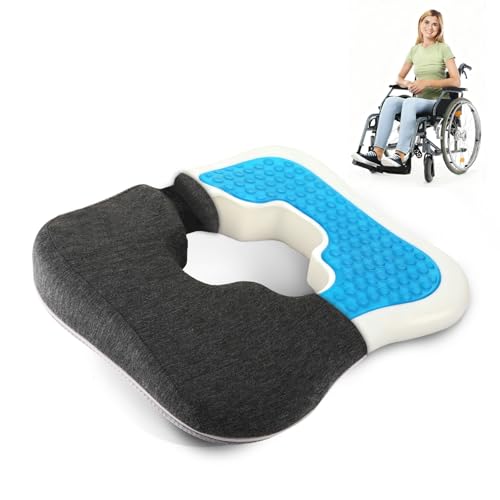
Gel Wheelchair Cushions for BedSores Prevention,Bed Sore Pad Cushion for Butt – Pain Relief for Long Sitting & Relieve Sciatica, Back, Tailbone, Pressure Sore and Ulcer Pain for Pregnant and Elderly
- Pain Relief Design: Relieves bed sores and joint pain
- Supportive Zoning: 15-degree slope with memory foam
- Universal Fit: Fits most wheelchairs and chairs
As an affiliate, we earn on qualifying purchases.
As an affiliate, we earn on qualifying purchases.
What Materials Make a Cushion Last and Feel Good?
Material quality influences comfort and longevity. Memory foam offers a plush, contouring feel that molds to your body, providing excellent support. Gel-infused layers add cooling and pressure distribution, making them popular for prolonged sitting.
Durability matters, especially if you sit all day. Look for cushions with high-quality foam or gel layers that resist sagging. Breathable covers with antimicrobial fabrics keep things fresh and reduce infection risk—crucial for skin health.
Think of a cushion like a good mattress—materials that breathe and resist wear make your sitting experience more comfortable and safer over time. Regular cleaning and replacing worn cushions help prevent skin issues and maintain support.
Why it matters: high-quality materials not only extend the lifespan of your cushion but also ensure consistent support and pressure distribution. Cheaper materials may sag or degrade quickly, leading to uneven support and increased risk of pressure sores. The tradeoff is often cost versus durability—investing in better materials can save money and health in the long run by reducing the need for frequent replacements and preventing skin breakdown.
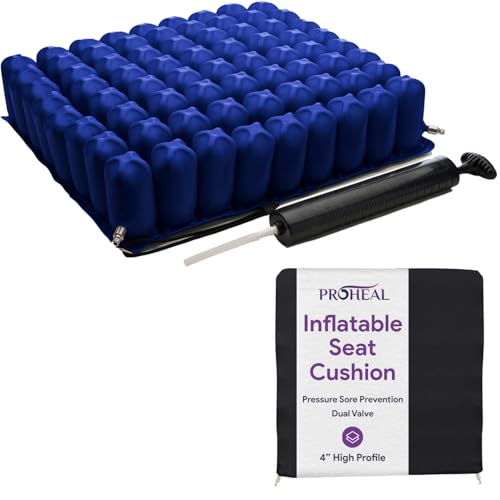
Inflatable Wheelchair Seat Air Cushion – 16" x 16" – High Profile – Pressure Sore and Ulcer Treatment – Dual Valve for Pressure Redistribution – Includes Pump, Nylon Cover, and Repair Kit
- Skin and Tissue Protection: Prevents pressure sores and ulcers
- Dual Valve Inflation: Adjusts sides and angles independently
- Pressure Redistribution: High-profile cells improve pressure relief
As an affiliate, we earn on qualifying purchases.
As an affiliate, we earn on qualifying purchases.
Find the Perfect Fit: Size and Shape Matter
Getting the right size and shape is key to comfort and safety. Too small, and your hips or tailbone might hang over, causing pressure points. Too large, and you risk slipping or instability.
Measure your hips and thighs carefully—most cushions list their dimensions. Contoured or cut-out designs can target pressure relief on sensitive areas like the tailbone or hips. Anti-slip bases keep the cushion steady within your wheelchair, preventing dangerous shifts.
Why it matters: a cushion that fits well distributes pressure evenly and stays in place, reducing the risk of skin breakdown and discomfort. An ill-fitting cushion can cause pressure points, sliding, or instability, all of which increase the risk of injuries and reduce independence. The tradeoff: larger cushions may be more supportive but can be cumbersome or harder to position correctly. Proper sizing ensures safety, comfort, and ease of use, which are crucial for long-term health and mobility.

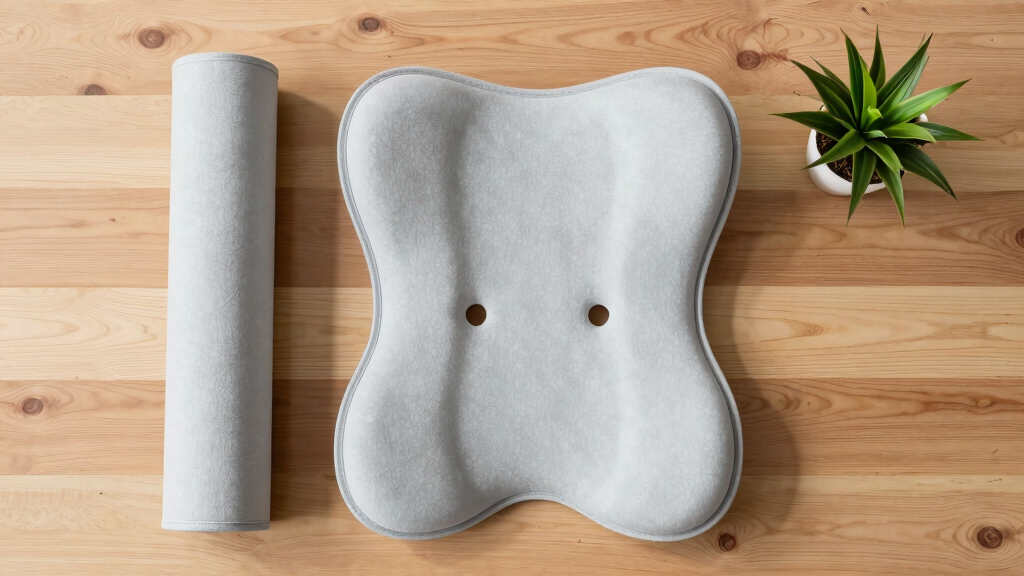
AUVON Ventilation Seat Cushion with Innovation Heat Dissipation Design
- Innovative Ventilation Design: 30 air holes and 11 grooves for airflow
- Supportive Memory Foam: Molds to your shape for lasting comfort
- Ergonomic Pressure Relief: Reduces lower back and coccyx discomfort
As an affiliate, we earn on qualifying purchases.
As an affiliate, we earn on qualifying purchases.
Latest Innovations Making Cushions Safer and Smarter
New materials and tech are changing the game. Memory foam with gel infusion offers both support and cooling comfort. Some cushions now include sensors that monitor pressure, alerting you when it’s time to shift position, reducing pressure sores risk.
Lightweight, portable designs with modular parts let you customize support on the fly. Antimicrobial fabrics and waterproof covers fight bacteria and stains, making hygiene easier—especially important for users with fragile skin or wounds.
Picture a cushion that adjusts itself slightly as you sit, staying comfortable even during long periods. These innovations help you stay supported, safe, and comfortable, no matter your lifestyle.
Understanding these advancements is important because they can significantly enhance safety and comfort. Sensor technology, for example, provides real-time feedback, helping prevent pressure injuries before they develop. Materials that adapt or respond to your body can improve support and reduce discomfort over time. The tradeoff is often cost and complexity—while these innovations offer benefits, they may require more maintenance or investment. Staying informed about these options allows you to choose cushions that best match your needs and lifestyle, maximizing both safety and convenience.
How Often Should You Replace Your Cushion?
Most cushions need replacing every 1-3 years. Over time, foam compresses, gel layers break down, and wear reduces support. Regular checks help you spot signs of deterioration—like sagging, flattening, or discomfort.
If you notice persistent discomfort, new pressure marks, or instability, it’s time for a replacement. For cushions with removable covers, washing and inspecting fabric can extend their life.
Think of your cushion like a trusted pair of shoes—eventually, they lose their support, and wearing them longer risks skin damage. Replacing it keeps your sitting safe and comfortable.
Why it matters: maintaining a cushion that provides proper support is essential to prevent pressure sores and discomfort. Using a worn-out cushion can lead to increased pressure points and skin breakdown, which can be costly and painful to treat. Regularly assessing your cushion’s condition ensures early replacement, thereby protecting your skin and maintaining optimal support. The tradeoff involves balancing cost and convenience—while replacing cushions more frequently costs money, neglecting this can result in more serious health issues and higher long-term costs.
Questions People Usually Ask About Wheelchair Cushions
- How do I choose the right cushion for my specific condition? It depends on your mobility level, skin condition, and pressure risk. Consult a healthcare professional for personalized advice.
- Can I switch cushions if I don’t like my current one? Yes. Comfort and fit matter. Trying different types or consulting a seating expert can help find your best match.
- What signs indicate I need a new cushion? Persistent discomfort, visible wear, sinking, or new pressure sores are signs it’s time for an upgrade.
- Are high-tech cushions worth the investment? For those with high pressure risk or specific needs, advanced cushions with sensors or adjustability can significantly improve safety and comfort.
- How much should I expect to spend? Basic foam cushions cost around $50, while high-end air or hybrid models can go over $300.
Considering these questions carefully can help you make informed decisions, ensuring your cushion continues to provide the safety and support you need as your condition evolves.
Conclusion
Choosing the right wheelchair cushion isn’t just about comfort—it’s a vital step in protecting your skin, maintaining good posture, and staying safe. Think of it as a personalized support system that adapts to your life and keeps you moving confidently.
Invest a little time in understanding your needs, exploring recent innovations, and getting professional advice. Your comfort and health depend on it—and that small step can make a big difference every day.
Grilling season Picks
grills
As an affiliate, we earn on qualifying purchases.