TL;DR
Play games included with Prime
Start a Prime free trial and play with Amazon Luna on your devices.
Start playingAs an affiliate, we earn on qualifying purchases.
Staying active with limited mobility boosts health and independence. Small, safe, personalized exercises, plus technology and support, make movement accessible and effective.
Imagine a morning where you feel stiff, unsure if moving will help or hurt. Now picture a routine so gentle yet effective, it makes every day better. Staying active isn’t about intense workouts; it’s about smart, personalized movement that fits your life.
Whether you face age-related limits, injury, or chronic illness, finding ways to move keeps your body and mind sharp. This guide offers practical tips, recent innovations, and real-world examples to help you stay active—safely and confidently.
Start with simple, seated exercises like arm circles and leg lifts tailored to your ability.
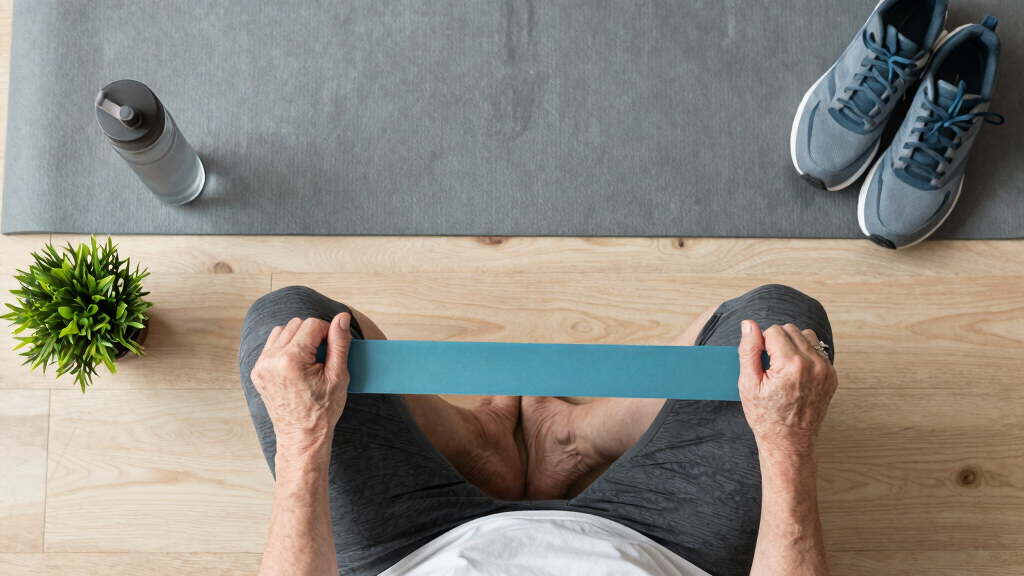
Use modern technology—resistance bands, seated pedal exercisers, virtual classes—to make activity safe and engaging.
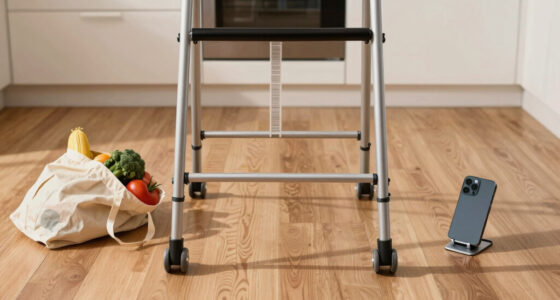
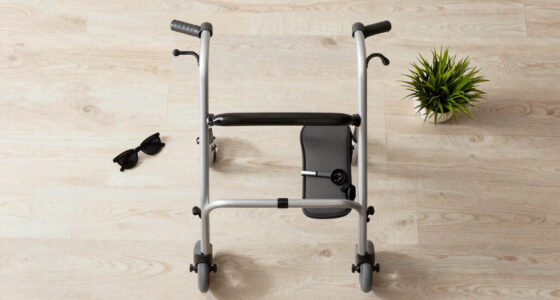
Create a safe environment by removing hazards, using assistive devices, and consulting professionals.
Personalize your routine to what you enjoy and set small goals to stay motivated.
Even minimal, consistent movement can significantly boost your health and independence.
Practical movement guide · safety first
Staying Active With Limited Mobility
Movement does not need to be intense to matter. Small, safe and personalized exercises can support circulation, strength, flexibility, mood and independence—one comfortable session at a time.
Suggested target
150 adapted moderate-intensity minutes per weekStarting goal
5 min a manageable daily habit can build momentumCore rule
1:1 match each activity to your present abilityBest outcome
More confidence, function and everyday independence01 · Why movement matters
Small motions. Meaningful returns.
Limited mobility may result from aging, injury, chronic illness or disability. The right activity plan begins with what is comfortable now—not with a one-size-fits-all workout.
Circulation
Support heart health
Gentle activity promotes blood flow, nutrient delivery and cardiovascular function while helping reduce prolonged inactivity.
Strength
Preserve daily function
Maintaining muscle helps with transfers, standing, reaching and other tasks that support greater independence.
Mobility
Keep joints flexible
Range-of-motion exercises can ease stiffness and interrupt the cycle in which less movement leads to further decline.
Prevention
Reduce secondary risks
Regular repositioning and activity may help lower risks associated with immobility, including pressure sores and blood clots.
Mind
Lift mood and confidence
Achievable movement can improve mental well-being and reduce fear by showing what the body can safely do.
Independence
Protect quality of life
Strength, balance and confidence combine to make everyday activities feel safer and more manageable.
Too little
Inactivity can accelerate stiffness, weakness and loss of confidence.
Choose a level that feels manageable and can be repeated consistently.
Too much
Overexertion can cause fatigue, pain, strain or setbacks.
02 · Activity comparison
Find your comfortable starting point.
Begin with stable, controlled movements. A sturdy chair can turn a small area at home into an accessible exercise space.
| Activity | Intensity | Equipment | Primary benefit |
|---|---|---|---|
| Seated arm circles | Low | Sturdy chair | Builds shoulder strength, promotes circulation and may reduce stiffness during daily reaching tasks. |
| Seated leg lifts | Low | Chair; band optional | Supports leg strength and joint flexibility for standing, walking and maintaining independence. |
| Seated balance shifts | Low | Sturdy chair | Develops stability, coordination and confidence by shifting weight gently from side to side. |
| Supported stretches | Low–moderate | Walker or counter | Encourages flexibility and blood flow while preparing the body for additional movement. |
| Seated pedal exercise | Adjustable | Pedal exerciser | Provides accessible cardiovascular movement without requiring standing or complex balance. |
03 · Technology & access
Modern tools bring movement closer.
Adaptive devices and remote programs can bridge the gap between capability and activity, making exercise safer, more engaging and easier to sustain at home.
Adaptive equipment
Pedals and resistance bands
Why they help: adjustable resistance supports cardiovascular and strength work without demanding standing balance.
Wearable feedback
Sensors that guide form
Why they help: movement tracking can provide immediate feedback on posture, activity and progress.
Virtual access
Classes from home
Why they help: tailored online sessions add structure, professional guidance, motivation and social connection.
Responsive programs
Apps that adapt
Why they help: programs can adjust difficulty from user feedback, supporting progress while limiting overexertion.
Technology may involve cost, setup or a learning curve. Its value is greatest when it removes a real barrier and makes safe, consistent movement more feasible.
04 · Safety system
Create confidence before you move.
A safer environment lowers fall and strain risk. Prepare the space, choose stable support and pay attention to how your body responds.
05 · Personal movement plan
Turn intention into a repeatable habit.
Personalization makes movement more enjoyable and realistic. Choose activities that fit your interests, environment, energy and medical needs.
Assess
Notice present comfort, strength, balance and energy.
Choose
Select one safe activity that feels approachable.
Adapt
Adjust duration, range, support and resistance.
Repeat
Attach movement to a reliable daily cue.
Review
Track comfort and progress, then refine the plan.
Make it small
Start with five minutesA short session lowers the barrier to beginning and can grow gradually.
Make it enjoyable
Add music or companyPairing activity with something pleasant makes repetition more appealing.
Make it visible
Track completed daysSimple progress records reinforce success without demanding perfection.
At a glance
Your five-part movement blueprint.
How to Find Safe, Suitable Exercises for Limited Mobility
Starting with exercises you can do comfortably and safely makes all the difference. Think of seated arm circles, gentle leg lifts, or stretching routines that don’t push beyond your limits. For example, sitting in a sturdy chair, you can lift your arms slowly, feeling muscles engage without strain. The importance of choosing the right exercises lies in their ability to promote circulation, maintain joint flexibility, and prevent muscle atrophy—common risks for those with limited mobility.
Deeply understanding why these exercises matter helps you appreciate their role in your overall health. For instance, promoting circulation prevents blood clots and enhances nutrient delivery to tissues, which is vital for healing and energy. Maintaining joint flexibility avoids stiffness that can lead to decreased mobility, creating a cycle of decline. Preventing muscle atrophy preserves strength necessary for daily tasks, reducing dependence on others. The tradeoff is balancing activity to avoid overexertion, which can cause fatigue or injury, versus doing too little, which accelerates decline. Tailoring routines ensures you get the benefits without unnecessary risks. Here’s a simple list of effective options:
- Seated arm and leg raises
- Gentle stretching of neck, shoulders, and back
- Using resistance bands for light strength training
- Balance exercises like shifting weight side to side while seated
Always check with your healthcare provider before trying new routines, especially if you have health conditions or recent injuries. They can help you understand the tradeoffs—such as balancing activity benefits against potential fatigue or strain—and tailor routines accordingly.
seated resistance bands for seniors
As an affiliate, we earn on qualifying purchases.
As an affiliate, we earn on qualifying purchases.
How Modern Tech Makes Movement Easier and Safer
Today, technology helps people with limited mobility stay active from home. Adaptive fitness devices, like seated pedal exercisers, mimic cycling without needing to stand, reducing fall risk and making exercise accessible regardless of space or strength limitations. Wearable sensors can track your movements, providing real-time feedback, which helps you correct posture and ensure proper form—crucial for avoiding injuries and maximizing benefits.
Understanding why these tools matter deepens your appreciation for their role. For example, seated pedal exercisers allow safe cardiovascular activity without the complexity of standing or balancing, which can be risky. Wearable sensors serve as immediate feedback loops, helping you recognize improper posture that could lead to strain or injury. Virtual classes tailored for limited mobility offer structure, motivation, and social connection—elements that are often missing when exercising alone. Recent innovations include apps that adjust difficulty based on your feedback, helping prevent overexertion, and virtual reality programs that make exercise engaging and fun, encouraging sustained participation. These tools bridge the gap between capability and activity, making movement safer, more engaging, and more sustainable. The tradeoffs involve learning curves and cost, but the long-term health benefits often outweigh these hurdles, especially when they make consistent exercise more feasible.
pedal exerciser for limited mobility
As an affiliate, we earn on qualifying purchases.
As an affiliate, we earn on qualifying purchases.
Compare Common Activities for Limited Mobility in a Simple Table
| Activity | Intensity | Equipment Needed | Benefits |
|---|---|---|---|
| Seated arm circles | Low | Chair | Builds shoulder strength and improves circulation, which helps prevent stiffness and promotes overall mobility. Regularly engaging shoulder muscles can reduce the risk of frozen shoulder and improve daily functional movements. |
| Leg lifts while seated | Low | Chair, resistance band optional | Enhances leg muscles and joint flexibility, supporting balance and reducing fall risk. Stronger leg muscles help with standing, walking, and maintaining independence, especially important as mobility declines. |
| Balance shifts seated | Low | Chair | Boosts stability and coordination, which are critical for preventing falls. Improving balance can also translate into better confidence during daily activities, reducing fear of falling. |
| Standing supported stretches | Low to moderate | Sturdy support (walker or counter) | Increases flexibility and blood flow, supporting joint health and reducing stiffness. These stretches can prepare the body for more movement and help alleviate discomfort from prolonged sitting. |
adaptive exercise equipment for elderly
As an affiliate, we earn on qualifying purchases.
As an affiliate, we earn on qualifying purchases.
Safety Tips to Keep You Moving Without Falling or Straining
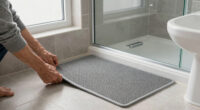
Safety first. When exercising with limited mobility, creating a safe environment is key. Clear the floor of clutter, use sturdy chairs, and have support nearby. For example, a caregiver might place a non-slip mat under a chair and ensure grab bars are within reach. These precautions help prevent accidents that could lead to serious injury, especially since limited mobility often correlates with balance or strength issues.
Deeply understanding why safety measures matter helps you appreciate their importance. For instance, clutter increases the risk of tripping, which can cause falls resulting in fractures or head injuries. Using sturdy support reduces the chance of losing balance during exercises, especially as muscle strength wanes. Listening to your body is crucial—stop if you feel dizziness, pain, or excessive fatigue—because ignoring these signals can lead to more serious injury or setbacks. These precautions serve as a safeguard, allowing you to exercise confidently without the fear of falls or strains that could negate your efforts or cause harm. Consulting your healthcare provider helps tailor routines to your specific needs, ensuring that the benefits outweigh the risks and that you’re exercising within safe limits. This personalized approach minimizes potential tradeoffs—such as overexertion versus insufficient activity—and supports your overall well-being.
virtual exercise classes for seniors
As an affiliate, we earn on qualifying purchases.
As an affiliate, we earn on qualifying purchases.
Personalize Your Movement Plan and Stay Motivated
Every person’s abilities and preferences are unique. Creating a flexible, enjoyable routine boosts your chances of sticking with it. For instance, pairing exercise with listening to your favorite music or doing it with a friend makes movement more appealing and less of a chore. Personalization ensures that the activities resonate with your interests and lifestyle, increasing adherence and enjoyment.
Understanding why personalization matters deepens your motivation. When activities align with your interests, they become more than just a task—they become a part of your identity and daily routine. Setting small, achievable goals—like five minutes daily—creates a sense of immediate accomplishment, encouraging continued effort. Celebrating milestones, no matter how minor, reinforces positive habits and boosts confidence, especially during challenging days. Tracking your activity with simple logs or apps provides tangible evidence of progress, which can motivate you to push through days of low energy or motivation. Seeking support from family, friends, or community groups fosters accountability and social connection, which are proven to enhance adherence. Remember, even tiny movements add up to big health benefits over time, and a personalized plan makes the journey sustainable and rewarding. The deep benefit is that tailored routines address your specific needs, making exercise less of a chore and more of a meaningful part of your life.
Frequently Asked Questions
What exercises are safest for someone with limited mobility?
Exercises like seated arm circles, gentle stretches, and using resistance bands are generally safe and effective. These activities target key muscle groups without requiring strenuous movement, reducing the risk of strain or falls. The reason safety is crucial is that individuals with limited mobility often have compromised balance, strength, or joint stability, making them more susceptible to injury. Choosing appropriate exercises minimizes these risks and supports gradual strength and flexibility gains. Consulting your healthcare provider ensures routines are tailored to your specific health conditions, helping you understand potential risks and how to modify exercises if needed. This personalized approach balances the benefits of movement with the necessity of safety, preventing setbacks and encouraging consistency in your activity routine.
How can I stay motivated to keep moving regularly?
Staying motivated involves understanding the importance of consistency and making activity enjoyable. Setting small, achievable goals—like five minutes of gentle movement daily—provides quick wins that boost confidence and reinforce your commitment. Finding activities you genuinely enjoy, such as listening to music or exercising with a friend, transforms movement from a chore into a pleasurable activity, increasing the likelihood of adherence. Tracking progress through simple logs or apps creates a visual record of your achievements, which can be motivating during days when enthusiasm wanes. Recognizing milestones, even minor ones, fosters a sense of accomplishment and encourages you to keep going. Additionally, social support from family, friends, or community groups provides encouragement and accountability, making it easier to stay on track. The key is understanding that motivation is reinforced by positive experiences and tangible progress, which together create a sustainable movement habit.
Are there virtual programs designed for people with limited mobility?
Yes, many online platforms now offer programs tailored for individuals with mobility challenges. These virtual classes provide structured routines that accommodate various ability levels, often include real-time guidance, and foster a sense of community. Engaging in these programs is beneficial because they often include modifications and expert supervision, reducing the risk of injury and ensuring exercises are appropriate for your needs. They can also help combat feelings of isolation, which can be a barrier to regular activity. The variety of options means you can find routines that match your preferences and physical capabilities, making consistent movement more accessible and sustainable. The tradeoff involves the need for reliable internet access and initial familiarity with technology, but the long-term health benefits—improved strength, flexibility, and mood—often outweigh these hurdles, especially when these programs help you stay committed to your movement goals.
How do I prevent falls during exercise?
Preventing falls involves creating a safe exercise environment and understanding your body’s signals. Clear clutter from your space, use sturdy furniture or support bars for stability, and wear slip-resistant shoes. These precautions reduce hazards that could lead to falls, which are especially dangerous given the potential for fractures or head injuries in individuals with limited mobility. Deeply understanding why these safety measures matter helps you appreciate their role in injury prevention. For example, clutter increases tripping hazards, and unstable supports can cause loss of balance. Listening to your body is essential—stop if you feel dizziness, pain, or excessive fatigue—because ignoring these signs can lead to serious injury or setbacks. Incorporating balance exercises gradually improves your stability, which is key to avoiding falls. Consulting with a healthcare professional can provide personalized safety strategies, including strength and balance routines tailored to your needs. These precautions serve as a safeguard, allowing you to exercise confidently, with minimized risk of injury, ensuring that your efforts to stay active do not inadvertently cause harm.
Can I do these exercises alone, or should I seek help?
You can begin exercises alone if you feel confident, but having a caregiver, family member, or professional nearby can enhance safety—especially when trying new routines or if you have specific health concerns. Assistance can ensure proper form, provide encouragement, and help respond quickly if you experience discomfort or imbalance. Over time, as you become more comfortable and skilled, independent practice is possible, but initial guidance and periodic check-ins are valuable to prevent injuries and reinforce correct technique. The deep benefit of involving others is that it creates a safety net, reducing anxiety about falling or injury, which can otherwise discourage activity. Support also provides motivation and accountability, making it more likely you’ll stick with your routine. Balancing independence with support ensures you can safely enjoy the benefits of movement while minimizing risks, ultimately fostering confidence and long-term adherence.
Conclusion
Staying active with limited mobility isn’t just possible—it’s essential. Small, safe choices each day build strength, lift spirits, and preserve independence. Your movement journey is personal, but you’re never alone in it—resources and support are more accessible than ever.
So, take that first step. Your future self will thank you for the effort you put in today, making every morning a little brighter and a lot more active.
Flea & tick season Picks
flea and tick prevention
As an affiliate, we earn on qualifying purchases.