TL;DR
Staying confident on stairs with a handrail relies on proper grip, good posture, and environmental safety features. Recent innovations like ergonomic handrails and anti-slip surfaces make stairs safer, but personal caution remains key.
Stairs are often a source of worry, especially as we age. A single misstep can lead to a fall that changes everything. But the good news? Simple habits and safety features can keep you steady and confident.
This guide breaks down what really works—how to use a handrail effectively, improve your posture, and make your environment safer—so stairs don’t become a hazard but a part of your daily freedom.
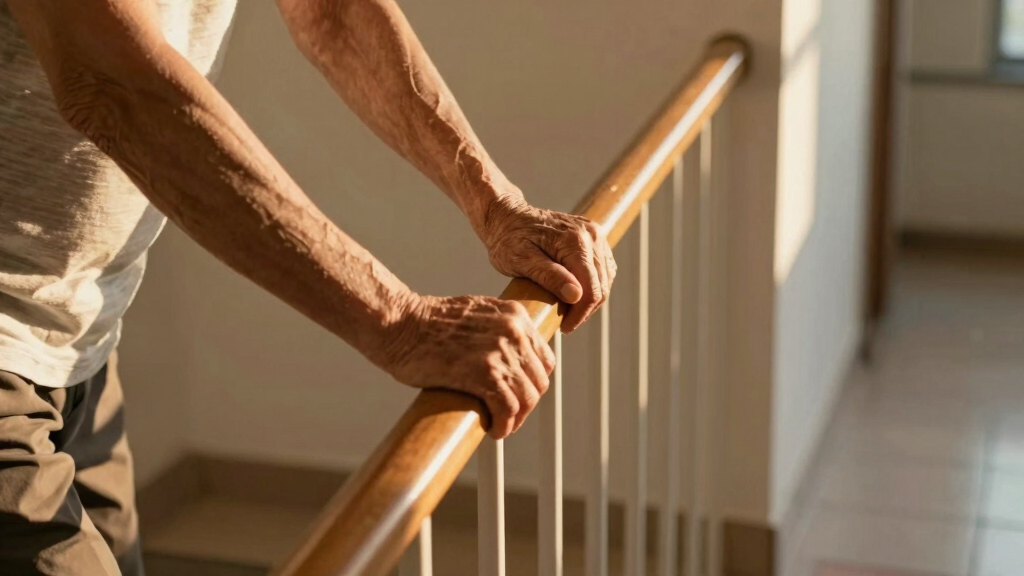
Always grasp the handrail firmly, using your whole hand for maximum support.
Maintain an upright posture, keeping your body centered for better balance.
Environmental safety features like non-slip treads and good lighting cut down fall risks.
Regular strength and balance exercises boost your confidence on stairs.
If you feel unsteady, pause, grip the handrail tighter, and seek professional advice if needed.
How to Use a Handrail Like a Pro and Feel Secure
Grasp the handrail firmly with one or both hands whenever you use stairs. A confident grip acts like an anchor, helping you stay balanced. This isn’t just about holding on; it’s about creating a stable connection that allows you to react quickly if your balance shifts. When you grip securely, you’re better equipped to respond to unexpected slips or uneven steps, reducing the likelihood of falls. Imagine holding a sturdy rope during a gentle climb—firm, but not tense. This balanced tension provides support without causing fatigue or stiffness.
For example, when descending a staircase, keep your hand on the rail at all times, moving slowly and deliberately. You want to maintain constant contact, so if you stumble, your hand can immediately help you regain stability. Rushing or letting go prematurely increases fall risk because your body becomes unanchored, especially if your muscles tire or your footing shifts unexpectedly.
Key tips include:
- Use your whole hand—avoid gripping with just fingertips, which offers less control and support
- Wrap your fingers around the rail for a secure hold, ensuring your grip is firm but not overly tight to avoid fatigue
- Adjust your grip if your hand gets tired or sweaty, to maintain a safe hold throughout your ascent or descent
Why it matters: A firm, controlled grip ensures you maintain stability, especially in challenging conditions like wet stairs or when your muscles are fatigued. The tradeoff is that gripping too tightly can cause hand fatigue, so finding a comfortable, secure hold is key for sustained safety.
As an affiliate, we earn on qualifying purchases.
The Secret to Good Posture for Better Balance
Maintaining good posture while on stairs isn’t just about appearance; it’s crucial for safety. When your body is aligned properly, your center of gravity remains stable, making each step more controlled and less prone to wobbling. Leaning forward or back shifts this balance, increasing the chance of slipping or losing control, especially on uneven or slippery surfaces.
Think of your spine as a tall, straight pole. When it stays upright, your weight is evenly distributed over your feet, engaging your core muscles to support your movements. If you lean forward, your weight shifts ahead, making it harder to react quickly to a misstep. If you lean back, your balance is compromised, and you may overcorrect, risking a fall.
For instance, when walking down stairs, focusing on looking straight ahead and keeping your shoulders aligned over your hips ensures your weight stays centered. This small adjustment helps you maintain control, especially on longer or steeper stairs where fatigue can cause poor posture.
Why it matters: Proper posture optimizes your body’s biomechanics, reducing strain on joints and muscles, which can prevent fatigue that often leads to missteps. The tradeoff is that maintaining perfect posture requires conscious effort, especially during longer staircases, but the safety benefits outweigh the slight inconvenience.
Tips to maintain good posture:
- Look at the top of the stairs, rather than your feet, to keep your head aligned and your gaze forward
- Keep your chin level and your head upright, which helps maintain spinal alignment
- Engage your core muscles—think of gently pulling your belly button toward your spine—to support your back and improve overall stability
Understanding these posture principles helps you anticipate and correct imbalances before they lead to slips, making each step safer and more confident.
As an affiliate, we earn on qualifying purchases.
Environmental Safety Features That Keep You Steady
Safety features are more than just accessories; they are essential modifications that directly influence your ability to navigate stairs confidently. Anti-slip treads, for example, are not merely a convenience—they are a critical safety upgrade that reduces the risk of slipping, especially in homes where floors may be slick due to moisture or spills. Without these, even the most careful steps can turn dangerous, leading to falls that might cause serious injury.
Bright lighting and clear step markings are equally vital. They improve visibility, reducing the chance of misjudging step height or missing a step altogether. This is especially important for older adults or those with visual impairments. Proper lighting can also help you react faster if you need to adjust your footing or grip.
Why it matters: These safety features create a predictable environment that minimizes surprises, which are often the cause of falls. The tradeoff is that installing or upgrading these features may require some investment or home modifications, but the reduction in fall risk and increased confidence make it worthwhile.
Here’s a quick comparison:
| Feature | Benefit | Implication |
|---|---|---|
| Continuous handrails | Provide consistent support on both sides, reducing the need to reach or stretch | Ensures stability even if one side is obstructed or if your balance shifts unexpectedly |
| Non-slip treads | Minimize slipping hazards, especially when stairs are wet or polished | Can be the difference between a safe descent and a fall, particularly in adverse weather or humid conditions |
| Good lighting | Enhances visibility of each step, preventing missteps | Allows quick reactions to uneven surfaces or obstacles, maintaining confidence during stair navigation |
Why it matters: Implementing these features thoughtfully creates a safer environment, which reduces fall risk and fosters independence. The tradeoff is that initial costs or renovations might be needed, but the long-term safety and confidence gained are well worth it.
As an affiliate, we earn on qualifying purchases.
Simple Exercises That Make You Feel More Steady
Building strength and balance isn’t just about muscle—it’s about neural communication, proprioception, and coordination. Stronger muscles help support your joints and absorb shocks, but equally important is how your nervous system responds to balance challenges. When you regularly perform these exercises, you train your body to react more quickly and accurately, which is critical for safe stair navigation. Over time, this improved coordination can significantly reduce the likelihood of slips and falls, especially on uneven surfaces or stairs.
Here are three easy exercises you can do daily that target key muscles and balance systems:
- Heel raises: Stand on your toes, lift heels off the ground, then lower slowly. This strengthens your calves and improves ankle stability, which are vital for controlled stair descent. Repeating these regularly helps your muscles adapt, but overdoing it without proper form can cause strain. Balance is key—perform slowly and focus on control.
- Leg lifts: Sit or stand, lift one leg straight out, hold for a few seconds, then lower. Focus on slow, controlled movements to engage your thigh and hip muscles, which help stabilize your pelvis during stairs. Over time, stronger stabilizers reduce wobbling and improve confidence. Be cautious to avoid overexertion, especially if you have joint issues.
- Balance practice: Stand on one foot for 10 seconds, then switch sides. Use a wall or chair for support if needed, but aim to gradually reduce reliance on support. This enhances proprioception—the body’s ability to sense position—and improves overall stability, making each step more confident and controlled. Consistent practice strengthens neural pathways, leading to better real-time responses during stair navigation.
Why it matters: These exercises not only strengthen muscles but also enhance neural pathways that coordinate movement, which is essential for avoiding falls. The tradeoff involves committing a few minutes daily, but the safety benefits and increased confidence are invaluable.
As an affiliate, we earn on qualifying purchases.
What To Do If You Feel Unsteady on Stairs
If your confidence wavers, don’t ignore it. The first step is to always hold onto the handrail. Moving slowly and deliberately allows your body to maintain control and prevents sudden shifts that could cause a fall. Pausing for a moment if you feel unsteady gives your muscles time to recover their stability, reducing the risk of a tumble. Rushing or trying to push through instability often worsens the situation, increasing the likelihood of injury. Recognizing early signs of imbalance and responding calmly can prevent accidents before they happen.
For example, if you start feeling wobbly, pause, take a deep breath to calm your nerves, and grip the rail tighter. If you’re still unsure, sit down on the nearest safe surface—like a chair or landing—until you regain your composure. This prevents hurried or unsafe movements that could lead to injury. The key is to listen to your body and prioritize safety over haste, as rushing can turn a minor wobble into a serious fall.
And remember, seeking professional help is not a sign of weakness. Consulting a physical therapist or mobility specialist can identify underlying issues—like muscle weakness, joint problems, or neurological concerns—and develop tailored strategies to improve your balance and confidence. Addressing these issues proactively can prevent falls and preserve your independence. The implication is that awareness and professional guidance are crucial components of a comprehensive fall prevention plan.
Making Your Home Stairs Safer for Everyone
Turning stairs into a safe haven involves thoughtful modifications that address common hazards and support your natural movement patterns. Installing sturdy, continuous handrails on both sides provides reliable support, especially when your balance is challenged or your vision is impaired. These rails act like a steadying hand, reducing the effort needed to maintain balance and helping prevent falls. Ensuring the handrails are at the right height and securely anchored is crucial because poorly installed rails can give a false sense of security or fail under pressure, increasing risk rather than reducing it.
Adding non-slip treads is not just about comfort; it’s about creating a grip surface that minimizes the chances of slipping, particularly when stairs are wet or the surface is smooth. Properly chosen and installed non-slip materials can significantly decrease the likelihood of falls, which is especially important in homes with children or elderly residents. Bright lighting and contrasting step markings are equally important. They improve visibility, especially in low-light conditions, making each step more predictable and reducing hesitation or misjudgment. This can be the difference between a safe walk and an accident.
Why it matters: These modifications are investments in safety that can prevent serious injuries and promote independence. The tradeoff involves initial costs and effort to install or upgrade these features, but the long-term benefits of safer stairs—reduced fall risk, increased confidence, and more autonomous living—far outweigh the inconveniences.
Frequently Asked Questions
How can I improve my confidence when using stairs?
Practice stair navigation regularly, wear shoes with good traction, and keep your environment well-lit. Building strength and balance through exercises like heel raises and tai chi also makes a big difference.
What should I do if I feel unsteady on stairs?
Always hold the handrail tightly, move slowly, and pause if needed. If unsteadiness persists, consult a healthcare professional for personalized advice and support strategies.
Are there specific exercises to enhance stair confidence?
Yes, exercises like heel raises, leg lifts, and balance drills help strengthen your legs and improve stability. Consistency makes these exercises more effective over time.
What safety features should I look for in stairways?
Look for continuous handrails on both sides, non-slip surfaces, bright lighting, and clear step markings. These features promote safer, more confident stair use.
How can I make stairs safer for elderly or disabled individuals?
Install sturdy handrails on both sides, add non-slip treads, improve lighting, and consider stair lifts if necessary. These modifications help maintain independence and safety.
Conclusion
Stairs don’t have to be a source of fear. With proper technique, supportive design, and some practice, you can walk confidently and safely. Think of your stairs as a familiar trail—something to enjoy, not fear.
Take a moment to check your environment, strengthen your muscles, and hold that handrail with purpose. Your independence depends on it—and every confident step is a victory.