TL;DR
Prime for Young Adults — start your free trial
Fast free delivery, streaming and member deals for eligible 18–24 year olds.
Try it freeAs an affiliate, we earn on qualifying purchases.
Safely crossing curbs and thresholds requires awareness, proper technique, and good infrastructure. Using ramps, supports, and cautious movement can prevent falls and keep you mobile.
Imagine stepping off a curb and suddenly losing your balance. It’s a common fear that can turn into a real hazard if you’re not prepared. Whether you’re navigating busy streets or entering your home, understanding how to do it safely can make all the difference.
This guide will show you simple, proven ways to cross curbs and thresholds confidently. Because a few small adjustments can keep you steady, prevent falls, and maintain your independence longer.
Always scan your path ahead for curbs and thresholds before reaching them.
Approach slowly, support yourself with handrails or aids, and lift your foot confidently onto the surface.
Choose footwear with good grip and wear bright, supportive shoes for better stability.
Where possible, advocate for infrastructure improvements like curb ramps and better lighting.
If a curb is too high or unsafe, seek alternative routes or use portable ramps — don’t risk a fall.
How to Spot Curbs and Thresholds Before They Become a Surprise
The first step in safe crossing is awareness. Look ahead for curbs, steps, or uneven surfaces. It’s like reading a road sign—your eyes are the early warning system.
At a busy intersection, you might see a raised edge before the crosswalk. In your home, thresholds often hide behind furniture or doorways. Noticing these early helps you prepare.
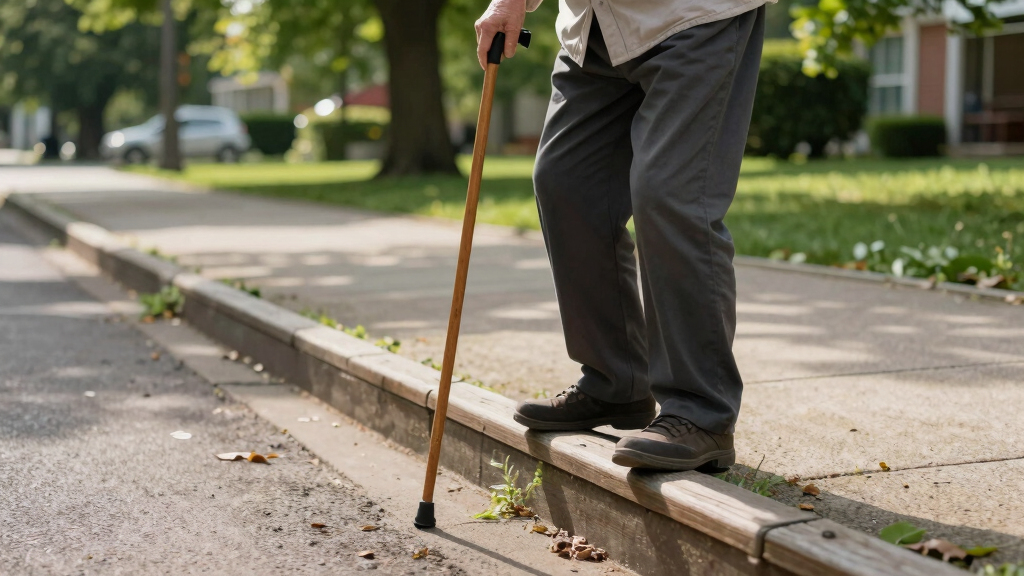
For example, a senior walking to the mailbox might spot a slightly raised sidewalk edge. Recognizing it early allows for a slow, controlled step instead of a hurried, risky leap.
Understanding what to look for and why it matters is crucial because failing to recognize these hazards can lead to sudden trips or missteps. The ability to anticipate and prepare for these changes reduces the likelihood of losing balance unexpectedly, which is especially important for those with balance issues or limited mobility. Early detection creates a safety buffer, giving you time to adjust your movement and avoid dangerous falls.
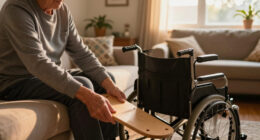
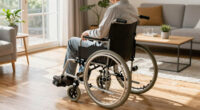
portable wheelchair ramp for thresholds
As an affiliate, we earn on qualifying purchases.
As an affiliate, we earn on qualifying purchases.
3 Simple Steps to Cross Curbs and Thresholds Without Falling
- Approach slowly: Reduce your speed as you near the curb or threshold. Think of it as a gentle cruise rather than a sprint. Moving slowly allows your muscles to react better to unexpected shifts in surface height or texture, giving you more control and balance.
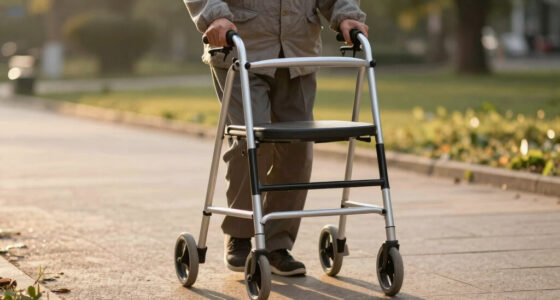
- Use your supports: Hold a handrail, use your cane, or stabilize yourself with nearby furniture or walls. Supports act as anchors, helping to distribute your weight evenly and prevent sudden slips or wobbling that could cause a fall.
- Step confidently: Place your whole foot on the curb or threshold, keeping your weight centered over your base of support. Avoid rushing or sidestepping, as these can destabilize you. Confidence in your step encourages better posture and balance, making the crossing safer and more controlled.
Let’s say you’re stepping onto a porch with a 4-inch threshold. Approach calmly, hold the handrail, and lift your foot carefully onto the step. It’s all about control. Rushing increases the risk of missteps, especially if your muscles are tired or if the surface is uneven or slick. Taking your time ensures safety and preserves your energy for the rest of your day.
Deep understanding of these steps emphasizes that crossing safely isn’t just about technique; it’s about creating a mindset of caution and control. The tradeoff is between speed and safety—slowing down may seem inconvenient, but it significantly lowers your risk of injury. Building this habit can lead to fewer falls and greater independence over time.
As an affiliate, we earn on qualifying purchases.
Compare Different Types of Curb and Threshold Designs
| Design Type | Ease of Crossing | Typical Height | Implications for Safety |
|---|---|---|---|
| Standard Curb | Challenging for some | 2-6 inches | Requires extra caution; can cause trips if not noticed early. Proper crossing techniques become essential to prevent falls. |
| Curb Ramp | Easy | Varies, usually 1-4 inches | Facilitates safer crossing for all users, especially those with mobility aids. Reduces the physical effort and balance challenges associated with high curbs. |
| Threshold | Moderate | Typically 1-3 inches | Less challenging but still can cause trips if not stepped on carefully. The key is to lift your foot properly and maintain balance. |
Understanding these differences helps you choose the safest route and adapt your crossing technique accordingly. For example, a curb ramp not only makes crossing easier but also reduces the cognitive load of judging height and timing, which is especially beneficial for those with visual impairments or cognitive challenges.
Choosing the right design impacts safety significantly because it influences how much effort and attention you need to cross. Proper infrastructure can compensate for individual limitations, but awareness and technique remain vital for safe navigation.
As an affiliate, we earn on qualifying purchases.
Frequently Asked Questions
How can I tell if a curb or threshold is too high for me?
Check your own comfort and balance. If you feel unstable or need to lift your foot excessively, it’s too high. Use a measuring tape or compare it to your shoe height—anything over 4 inches can be challenging for many.
What’s the best way to cross a curb when I have limited mobility?
Slow down, use support devices, and lift your foot carefully. If you can’t manage it alone, look for nearby ramps, ask for assistance, or carry a portable ramp if you have one.
Are there specific shoes that help me cross curbs more safely?
Yes, choose shoes with non-slip soles, good ankle support, and a firm grip. Sneakers or walking shoes with textured soles are ideal for providing stability and reducing slips.
How can I convince my city to improve curb safety?
Reach out to local transportation departments or advocacy groups. Request curb ramps, better lighting, and textured surfaces. Community involvement often leads to safer, more inclusive streets.
What should I do if I see someone struggling with a high curb?
Offer help if appropriate—assist with support, or suggest alternative routes. Always prioritize safety and respect their independence.
As an affiliate, we earn on qualifying purchases.
Conclusion
Taking a moment to plan your crossing can save you a fall. Simple moves—like slowing down, supporting yourself, and choosing the right footwear—make a big difference.
Picture yourself confidently stepping onto a smooth, well-lit curb with a firm grip on your support. That’s the kind of independence everyone deserves, no matter their mobility level.
Fall yard work Picks
leaf blowers
As an affiliate, we earn on qualifying purchases.