
TL;DR
Listen free for 30 days with Audible
Thousands of audiobooks and originals — cancel anytime.
Start your free trialAs an affiliate, we earn on qualifying purchases.
If walking causes fatigue, pain, or safety concerns, a mobility scooter can offer renewed independence. Recent models are lighter, smarter, and more adaptable, making them easier and safer to use indoors and outdoors.
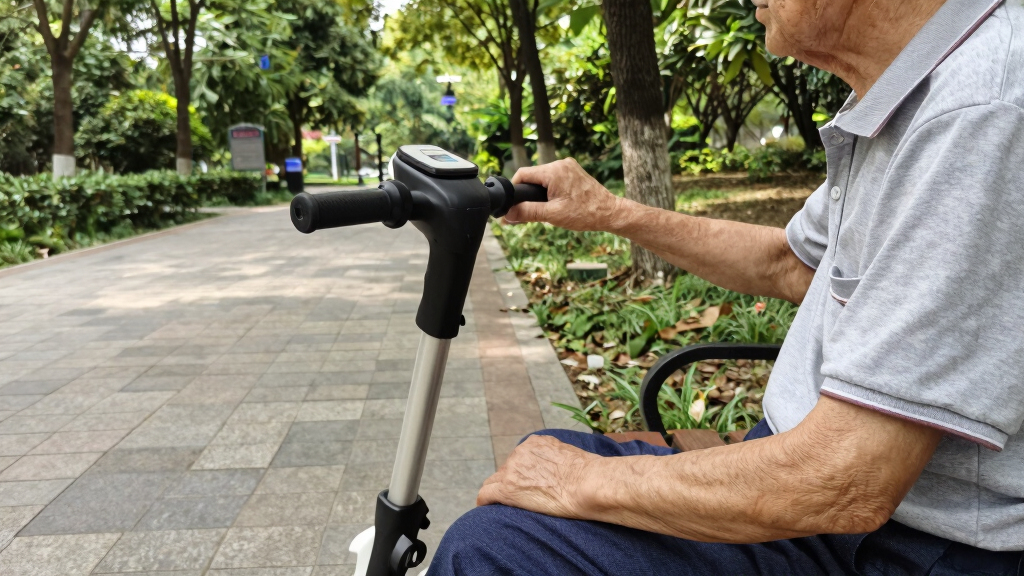
Imagine walking down the street and suddenly feeling your legs tire faster than before. The simple act of going to the grocery store or visiting a friend becomes an exhausting challenge. It’s a sign your mobility might be changing, and a mobility scooter could be the solution that keeps you connected and safe.
Understanding when to consider a scooter isn’t just about comfort — it’s about preserving your independence, reducing fall risks, and staying engaged with your world. In this article, you’ll learn how to recognize the signs that it’s time to explore this helpful mobility aid, what recent innovations make scooters more accessible, and how to choose the right one for your needs.
Recognize signs like fatigue, falls, or difficulty completing daily tasks as triggers to consider a scooter.
Recent scooter designs feature longer battery life, portability, and smart safety features that make them easier and safer to use.
Matching your lifestyle with the right scooter—indoor, outdoor, weight capacity—is crucial for independence.
Proper training and maintenance are essential for safe, confident riding.
Consult your healthcare provider to see if a mobility scooter can help preserve your quality of life.
Signs It May Be Time to Consider a Mobility Scooter
If walking causes fatigue, pain, or safety concerns, a mobility scooter can offer renewed independence. Recent models are lighter, smarter, and more adaptable, making them easier and safer to use indoors and outdoors.
When short errands begin to feel like major physical events, your mobility plan may need support before risk turns into retreat.
When Walking Starts Changing the Shape of Your Day
Difficulty walking long distances, increased fatigue, or pain are more than inconvenience. They can narrow daily routines, raise fall risk, and make independence feel fragile.
Shorter distances feel harder
If you once walked a mile comfortably but now struggle after half that distance, your body may be signaling that support would help.
Errands require long rests
Grocery shopping, medical appointments, or visiting friends should not leave you exhausted for the rest of the day.
Movement worsens discomfort
Joint pain, muscle weakness, or shortness of breath that increases with activity can make a scooter worth discussing with a healthcare provider.
Risk Signals That Deserve Attention
Falls are one of the strongest warnings that walking has become unpredictable. A scooter can provide a more stable way to move through crowded rooms, sidewalks, parking lots, and uneven terrain.
Balance feels uncertain
If you fear losing balance in crowds or on wet pavement, the mental effort of walking can become as limiting as the physical effort.
Terrain becomes a barrier
Uneven sidewalks, slopes, and long parking lots can turn ordinary trips into high-risk situations.
Falls have already happened
A recent fall or near fall is a practical reason to reassess whether your current mobility approach is still enough.
Smart safety can help
Automatic braking, obstacle detection, better suspension, and ergonomic seating can reduce strain and improve confidence.
Some newer mobility scooters exceed 20 miles per charge, making full errand days and longer outdoor trips more practical without constant battery anxiety.
Matching the Aid to the Job
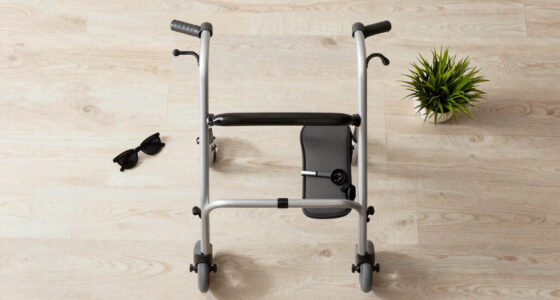
The right answer depends on distance, balance, storage, indoor maneuverability, terrain, comfort, and medical need. Use this comparison to frame the conversation.
| Need | Walker | Mobility Scooter | What to Check |
|---|---|---|---|
| Short indoor support | ✓ Strong fit | ~ Depends on turning radius | Hall width, doorway clearance, storage space |
| Long errand days | ✗ Limited by fatigue | ✓ Strong fit | Battery range, seat comfort, basket storage |
| Balance concerns outdoors | ~ Helpful but limited | ✓ More stable ride | Suspension, brakes, tires, slope rating |
| Car transport | ✓ Easy storage | ~ Choose foldable or lightweight | Lift weight, folding speed, trunk dimensions |
| Medical coverage path | ~ Varies | ~ May require prescription | Insurance rules, Medicare criteria, provider notes |
A Practical Path From Concern to Confidence
A scooter decision is not only about buying equipment. It is about preserving daily life while reducing unnecessary strain and safety risk.
Notice
Track fatigue, pain, falls, skipped outings, and distance limits.
Discuss
Ask a healthcare provider whether a scooter fits your mobility needs.
Match
Compare indoor, outdoor, foldable, and higher-capacity models.
Practice
Learn turning, braking, charging, storage, and local use rules.
Maintain
Check tires, battery, brakes, and cleanliness at least monthly.
How the Signs Connect
The decision often begins with a small change, then reveals a chain: less walking, fewer outings, more risk, and less confidence. A well-matched scooter can interrupt that pattern.
Fatigue
Walking drains energy faster.
Pain
Movement becomes costly.
Avoidance
Errands and visits shrink.
Isolation
Social life becomes harder.
Risk
Falls and injuries loom larger.
Support
A scooter restores reach.
Questions to Ask Before You Choose
A good scooter decision balances safety, independence, medical guidance, and real-world fit.
Scooter or walker?
A scooter is generally better when distance causes fatigue or safety concerns. A walker may fit short indoor distances where compact support matters most.
Indoor use?
Many scooters work indoors and outdoors. Look for a small footprint, tight turning radius, and dimensions that fit your home.
Insurance coverage?
Coverage varies. Some plans or Medicare may help if a healthcare professional prescribes the scooter as medically necessary.
Training and upkeep?
Practice controls, braking, and turning in a quiet area. Check tires, battery, and brakes at least once a month.
How to Recognize When Walking Becomes Too Hard
Difficulty walking long distances, frequent fatigue, or pain are clear signals. These issues matter because they directly impact your ability to perform daily activities safely and independently. For example, if grocery shopping now leaves you out of breath or your legs feel like lead after a short walk, it indicates your mobility is declining, which could lead to falls or injuries if not addressed. According to an anonymous researcher, if you notice yourself needing frequent rests or experiencing joint pain that worsens with activity, it’s a sign that your body is signaling the need for support.
One practical tip: if you used to walk a mile easily but now struggle after just half, that’s a strong indicator that your endurance is diminishing. Using a mobility scooter in this situation can help you regain that sense of freedom, allowing you to go farther without discomfort and reducing the risk of overexertion that can lead to falls or fatigue-related accidents.
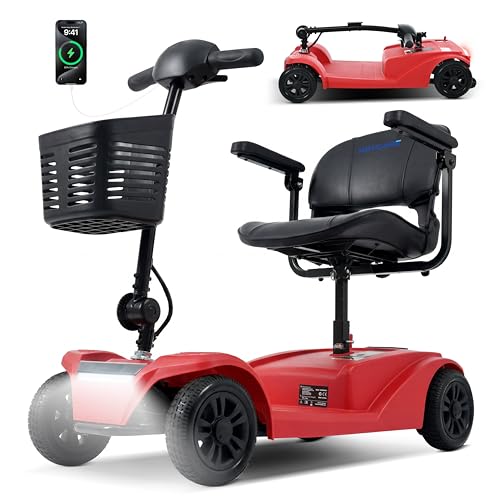
WayCare 15-25 Miles Long Range Mobility Scooter,Weight Capacity 330 LBS+ Powered Mobility Scooters for Seniors, Compact Duty Mobile for Travel with LED Headlight and Detachable Basket(Red)
- Powerful Motor and Battery: 24V 250W motor with 12AH battery
- Long Range Travel: Up to 15 miles per charge
- High Weight Capacity: Supports up to 330 lbs
As an affiliate, we earn on qualifying purchases.
As an affiliate, we earn on qualifying purchases.
Safety Risks That Signal It’s Time to Upgrade Your Ride
Falls are the biggest danger when walking becomes unpredictable. This risk is not just about losing balance but also about the potential severity of injuries, especially for older adults. If you’ve experienced a fall or fear losing your balance in crowded places or on uneven sidewalks, it’s a warning sign that your current mobility method may no longer be sufficient. For instance, a senior who slips on a wet pavement or trips over uneven ground might find that a scooter offers a safer, more stable way to move around, effectively reducing the chance of injury.
Recent innovations like obstacle detection and automatic brakes are game-changers because they address common hazards that cause accidents. These features help prevent collisions or falls by alerting you to obstacles or automatically stopping the scooter if you’re about to hit something. If navigating busy streets or cluttered indoor spaces feels risky, choosing a scooter equipped with these safety features can significantly decrease your chances of accidents, giving you confidence and peace of mind while maintaining your independence.

Mbxcooter Light Weight Mobility Scooter, Foldable Mobility Scooters for Seniors/Adults,Only 31.7 LBS Lift with One Hand, 20 Inch Turning Radius, Mobility Scooter for Indoors &Outdoors
- Lightweight Design: Only 31.7 lbs, easy to lift with one hand
- Excellent Maneuverability: 20-inch turning radius for tight spaces
- Dual Battery System: Provides 20/32 mile range on a single charge
As an affiliate, we earn on qualifying purchases.
As an affiliate, we earn on qualifying purchases.
Impact on Daily Life: When Tasks Become a Challenge
Struggling to complete daily activities like shopping or visiting friends often signals that it’s time to consider a mobility aid. These challenges matter because they directly affect your independence and quality of life. For example, if previously simple errands now cause exhaustion or if you avoid outings altogether, it can lead to social isolation and physical decline. An anonymous researcher emphasizes that reduced activity not only diminishes your social life but can also cause muscle loss, joint stiffness, and further functional decline, creating a cycle of decreasing mobility.
Choosing a lightweight, portable scooter can make errands easier and more manageable, helping you stay engaged with your community and maintain your physical health. The ability to perform daily tasks without overexertion preserves your autonomy, prevents social withdrawal, and supports mental well-being. The key is finding a scooter that fits your lifestyle—one that encourages activity rather than discourages it through difficulty or discomfort.

PAISEEC 32 lbs Lightweight Mobility Scooter for Seniors Adults, One-Second Folding Mobility Scooter, Long Range, Airline Approved, PAI Smart Safety & NFC Start (Gray, 15MI)
- Lightweight at 32 lbs: Easy to lift and transport
- One-second fold/unfold: No tools needed for setup
- Airline approved: Carry as cabin luggage
As an affiliate, we earn on qualifying purchases.
As an affiliate, we earn on qualifying purchases.
How Recent Tech Makes Scooters More Practical and Safer
Mobility scooters have come a long way in recent years, and these technological advancements are crucial because they directly influence safety, convenience, and independence. Many now weigh less, fold easily, and have longer battery life—some exceeding 20 miles per charge—making them more adaptable to various lifestyles. Think of a scooter that folds in seconds, fits in your car trunk, and can support a full day of errands without recharging. These innovations mean you can enjoy outdoor adventures or indoor comfort without hassle, extending your active hours and reducing the physical strain of mobility aids.
Smart features like GPS, obstacle sensors, and Bluetooth connectivity are now common and serve critical safety functions. GPS helps you navigate unfamiliar areas confidently, obstacle sensors warn you of potential hazards, and Bluetooth connectivity allows for easy maintenance tracking. These features collectively make scooters more reliable and user-friendly, helping you avoid accidents and stay on top of maintenance, which is vital for safe, sustained use and peace of mind.

Foldable Mobility Scooters for Seniors, FSA&HSA Eligible,330LBS Capacity, Red Powered Electric Mobility Scooters, 4 Wheel Lightweight Mobility Scooters for Adults, Folding Travel Motorized Scooter
- Powerful 300W Motor: Handles varied terrain with ease
- Supports 330 lbs Capacity: Reinforced frame for durability
- Top Speed of 10 km/h: Fast and efficient travel
As an affiliate, we earn on qualifying purchases.
As an affiliate, we earn on qualifying purchases.
Frequently Asked Questions
How do I know if I need a mobility scooter or a walker?
A mobility scooter is generally better if walking distances cause fatigue or safety concerns, especially if balance issues are present. Walkers offer support for short distances and are easier to store indoors. Consulting with a healthcare professional can help determine the best option.Can I use a mobility scooter indoors?
Many scooters are designed for both indoor and outdoor use. Look for models with a tight turning radius and smaller size for indoor navigation. Always check the manufacturer’s specifications to ensure it fits your home spaces.Will my insurance or Medicare cover a scooter?
Coverage varies by provider and region. Some insurance plans or Medicare may cover part of the cost if a healthcare professional prescribes the scooter as medically necessary. Check with your insurer and healthcare provider for details.What safety training do I need?
Start with a brief practice session in a quiet area to learn controls, braking, and turning. Many local senior centers or mobility stores offer training. Always wear your seatbelt and follow local rules to stay safe.How often should I maintain my scooter?
Regularly check the tires, battery, and brakes—at least once a month. Keep it clean, and store it in a dry place. Proper maintenance prevents breakdowns and keeps you safe on the road.Conclusion
Noticing your walking becomes more effortful or risky? That’s your body’s way of signaling it’s time to think about a mobility scooter. It’s not just about convenience — it’s about safety, dignity, and staying connected to your world.
With modern scooters packed with smart features and designed for real-world use, you can reclaim the freedom to explore and enjoy life’s moments. Remember, choosing the right one is a step toward a more confident, active you.
College move-in / dorm season Picks
dorm essentials
As an affiliate, we earn on qualifying purchases.