TL;DR
Open a free Amazon Business account
Business pricing, bulk buying and tax-exempt orders.
Create a free accountAs an affiliate, we earn on qualifying purchases.
Picking the right cane tip is crucial for safe mobility. Match the tip to your typical surfaces—indoor, outdoor, or uneven terrain—for better grip and stability. Regularly inspect and replace worn tips to prevent falls.
Match your cane tip to the primary surfaces you walk on—hard, soft, indoor, or outdoor—for better safety and stability.
Regularly inspect your cane tips for wear, cracks, or smoothness, and replace them every 3-6 months or when worn out.
Choose tips with textured, slip-resistant surfaces to prevent falls, especially on wet or uneven ground.
Consider multi-surface or adaptable tips if you walk both indoors and outdoors frequently.
Stay aware of new innovations like shock-absorbing and eco-friendly tips that enhance safety and comfort.
How to Pick the Perfect Cane Tip for Hard Surfaces Like Concrete or Tile
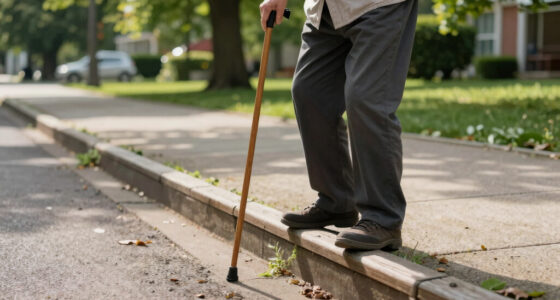
Hard surfaces demand a cane tip that grips well without damaging the floor. Rubber tips are your best bet here, offering durability and slip resistance. For example, a rubber tip with a tread pattern can prevent slips on shiny tile or polished wood floors.
Look for tips that have a textured bottom to provide extra grip on slick surfaces. Make sure the size fits your cane snugly, with no wiggle room. Regularly inspect for cracks or wear, especially if you walk on concrete sidewalks daily.
Why does this matter? The right rubber tip enhances your confidence by reducing the likelihood of slips, which can lead to falls and injuries. However, tradeoffs include potential wear over time and damage to delicate flooring if the tread pattern is too aggressive. Choosing a tip with moderate tread balances grip with floor safety, especially in homes with sensitive flooring.
Practical step: Regularly check your rubber tips for smoothness or cracks. Keep a spare on hand and replace immediately when tread wears down to maintain optimal grip and safety.
rubber cane tips for hard surfaces
As an affiliate, we earn on qualifying purchases.
As an affiliate, we earn on qualifying purchases.
Best Cane Tips for Soft Surfaces Like Grass, Sand, and Gravel
Soft surfaces challenge your cane’s grip because they tend to shift or give way under pressure. Pyramid or pointed tips excel here because they can dig slightly into the terrain, providing a more stable fulcrum. For example, walking on sand or loose gravel requires a tip that can penetrate the surface, preventing your cane from slipping or sinking.
Some tips are designed with larger, more aggressive tread patterns or multiple points, which increase surface contact and grip. Think of a pyramid tip with sharp edges — it can bite into uneven terrain more effectively than a flat rubber tip.
Why does this matter? Using the right tip on soft terrain reduces the risk of slips and falls, which are more likely when the cane loses grip. The tradeoff is that pointed tips can sometimes damage delicate surfaces or cause discomfort if not used carefully. Selecting a tip with an appropriate point strength and tread pattern ensures better traction without risking damage to the terrain or your comfort.
Practical step: After outdoor use, clean your tips and check for dullness or damage. Replace worn tips to maintain their digging ability, especially if you notice slipping or sinking during use.
multi-surface cane tips for outdoor and indoor use
As an affiliate, we earn on qualifying purchases.
As an affiliate, we earn on qualifying purchases.
Indoor vs. Outdoor Cane Tips: What’s the Difference?
Indoor tips are designed primarily to protect flooring and provide smooth movement, often featuring soft rubber with minimal tread. Outdoor tips, on the other hand, are built to withstand harsher conditions, emphasizing traction and durability with heavier-duty rubber or multi-surface designs.
Why does this matter? Using an indoor tip outdoors can lead to slips due to insufficient grip, while outdoor tips may cause unnecessary wear or damage when used indoors. The tradeoff involves selecting a tip that balances these needs or opting for a multi-surface tip that adapts to varied environments.
Practical step: If you frequently transition between environments, consider a multi-surface tip with textured, deep treads. This choice provides versatility, but remember to regularly inspect for wear, especially after exposure to outdoor elements, and replace when necessary to maintain safety.
As an affiliate, we earn on qualifying purchases.
Top Materials and Designs for Cane Tips That Keep You Stable
Rubber remains the most versatile material because it offers reliable grip, shock absorption, and durability. Silicone tips provide extra traction and are gentle on floors, making them excellent for indoor use where smooth surfaces are common. Pneumatic or air-filled tips can absorb shocks effectively, which is particularly beneficial when walking on uneven outdoor terrain or rough surfaces.
Design choices impact performance: pyramid or pointed tips are ideal outdoors for digging into terrain, while flat, textured rubber tips excel indoors for smooth, flat surfaces. Some innovative designs, like gel-filled or silicone pads, absorb impacts and reduce joint stress during long walks, enhancing comfort and safety.
Why does this matter? Selecting the right material and design ensures your cane provides maximum grip and comfort tailored to your environment. The tradeoff involves considering durability versus comfort—some materials may wear faster but offer better traction, while others last longer but might provide less grip.
Practical step: Match your typical walking environment with the material—use rubber or silicone indoors, and consider pyramid or gel-filled tips outdoors. Regularly assess your tips for signs of wear and replace as needed to keep your walking safe and comfortable.
As an affiliate, we earn on qualifying purchases.
How to Tell When Your Cane Tip Needs Replacing
Worn or cracked tips significantly reduce grip, increasing the risk of slips and falls. Visual inspection is your first line of defense—look for smooth, shiny patches, cracking, or tearing in the tread. Feel the tip for looseness or excessive slipping during use. Recognizing these signs early helps prevent accidents.
For example, rubber tips tend to become shiny and smooth after months of outdoor use, losing their tread grip. Replacing them promptly restores traction. Neglecting this can lead to dangerous slips, especially on wet or uneven surfaces.
Why does this matter? Regular inspection and timely replacement maintain optimal safety, preventing avoidable falls. The tradeoff is that delaying replacement after signs appear can lead to accidents, so establishing a routine check every 3-6 months is recommended.
Practical step: Set reminders to inspect your cane tips regularly. Keep spare tips handy, and replace them immediately when signs of wear or damage are evident. This proactive approach ensures your mobility remains safe and reliable.
Safety Features to Look for in Cane Tips
Slip resistance is the top safety feature because it directly impacts your ability to walk confidently without slipping. Look for textured surfaces, deep treads, or rubber compounds designed specifically for grip. Anti-slip patterns or multi-directional treads provide better traction on wet, uneven, or slippery surfaces.
Why does this matter? Features like deep treads and textured surfaces increase contact with the ground, reducing slips and falls. Some tips incorporate shock-absorbing gel layers, which not only improve grip but also reduce impact on joints, especially critical for users with joint issues or arthritis.
Tradeoffs include potential increased wear on intricate tread patterns or added weight with certain materials. Prioritize safety features that match your usual walking environments and personal comfort to maximize benefits.
Practical step: When choosing a cane tip, test for slip resistance—try to simulate wet or uneven conditions if possible. Regularly check for tread wear and replace worn tips to maintain maximum safety.
Innovations and Trends in Cane Tips You Should Know About
Recent advancements include multi-surface tips that adapt to both indoor and outdoor terrains, combining different tread patterns into one versatile design. High-performance rubber compounds increase durability and grip, while gel and air-filled tips absorb shocks more effectively than traditional options.
Some brands now offer customizable tips that can be adjusted or swapped depending on your activity or surface—adding convenience and personalization. Eco-friendly options made from sustainable materials are also emerging, appealing to environmentally conscious users.
Why does this matter? These innovations aim to improve safety, comfort, and adaptability—key factors for maintaining independence. They also reflect a trend toward smarter, more versatile mobility aids that can meet diverse needs without requiring multiple different tips.
Practical takeaway: Stay informed about new products and consider trying multi-surface or shock-absorbing tips if your routine involves varied terrains. Investing in innovative tips can enhance your walking experience, safety, and environmental impact.
Frequently Asked Questions
How do I choose the right cane tip for my surface?
Start by considering the surfaces you walk on most. For smooth indoor floors, a soft rubber tip works well. For outdoor or uneven terrain, opt for pyramid or multi-surface tips with deep treads. Matching the tip to your environment is key to safety.How often should I replace my cane tip?
Inspect your cane tip regularly—look for cracks, smoothness, or worn tread. Most tips need replacing every 3-6 months, but if you notice slipping or damage sooner, swap it out immediately to stay safe.Can I use one type of tip for both indoor and outdoor use?
Yes, some tips are designed to be multi-surface, combining features for indoor and outdoor terrain. However, if you walk mostly outdoors on rough ground, a heavier-duty, pointed or pyramid tip is best. For mostly indoors, a softer rubber tip suffices.Are shock-absorbing tips worth it?
Absolutely, especially if you experience joint pain or walk on uneven ground often. Gel or air-filled tips help reduce impact, making walking more comfortable and safer.What safety features should I consider when choosing a cane tip?
Look for textured, slip-resistant surfaces, deep treads, or rubber compounds designed for grip. These features significantly lower the risk of slips and falls on wet or uneven surfaces.Conclusion
The right cane tip transforms your walk from uncertain to confident. Think about where you’ll walk most—then pick a tip designed for that terrain. Regular checks keep your mobility safe and smooth. Your next step? Make sure every cane tip in your home is ready to grip, support, and keep you steady—because every step matters.Fall Picks
fall essentials
As an affiliate, we earn on qualifying purchases.