
TL;DR
Play games included with Prime
Start a Prime free trial and play with Amazon Luna on your devices.
Start playingAs an affiliate, we earn on qualifying purchases.
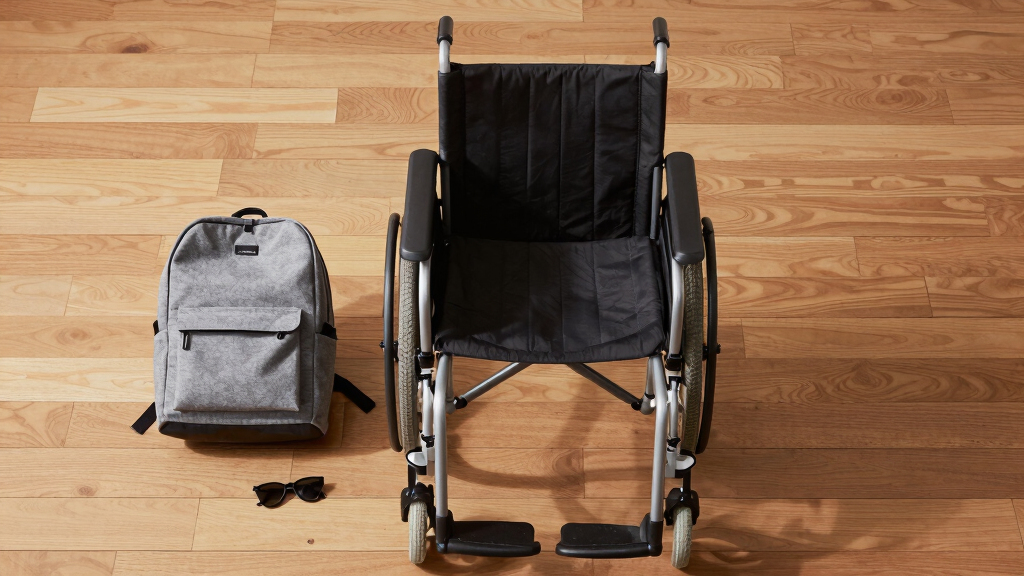
A lightweight wheelchair typically weighs between 15-30 pounds and offers easier transport and maneuverability. Focus on frame material, size, and features that suit your daily routine to find the best fit. Recent innovations make it more comfortable, durable, and customizable, helping you stay active with confidence.
Imagine rolling down a busy sidewalk with a chair that feels like an extension of yourself. No heavy lifting, no awkward maneuvering. That’s what a well-chosen lightweight wheelchair offers: freedom, ease, and dignity. But with so many options, how do you pick the one that truly fits your needs?
This guide will walk you through the key factors, recent advancements, and practical tips to help you find a lightweight wheelchair that makes daily life smoother and more comfortable. Whether it’s for quick errands, outdoor adventures, or everyday independence, your perfect match is out there.
Choose materials like aluminum or titanium for the best weight-to-durability balance.
Accurate measurements and professional fitting ensure maximum comfort and safety.
Prioritize features like foldability, adjustable parts, and tires based on your lifestyle.
Expect costs from $500 to over $3,000; consider long-term durability and customization.
Stay informed about new materials and design innovations that improve portability and comfort.
What Makes a Wheelchair Truly Lightweight?
At its core, a lightweight wheelchair weighs less than 30 pounds. But it’s not just about the number on the scale. Materials like aluminum and titanium are game-changers. Aluminum is popular because it’s sturdy yet light, averaging around 15-20 pounds. Titanium is even lighter—sometimes under 15 pounds—but comes with a higher price tag.
For example, a typical aluminum frame might weigh 20 pounds, while a titanium one could be just 12 pounds. That difference matters if you’re lifting the chair into a car trunk daily or hauling it up stairs. The lighter the chair, the less physical strain you endure, which can significantly improve your daily mobility and reduce fatigue. Additionally, lightweight materials often allow for more innovative, foldable designs, making transport and storage easier, but sometimes at the expense of added complexity or higher cost. Balancing these factors is crucial because choosing the lightest possible frame might mean sacrificing some durability or increasing your expenses, so understanding your daily routines and strength capacity helps tailor the best choice.
lightweight wheelchair aluminum frame
As an affiliate, we earn on qualifying purchases.
As an affiliate, we earn on qualifying purchases.
How to Measure for the Perfect Fit
Getting the right size isn’t just about comfort; it’s about safety and pressure relief. Proper measurements ensure the chair supports your body correctly, preventing discomfort and potential injuries caused by poor fit. For example, an ill-fitting chair can cause pressure sores, poor posture, and fatigue, which can limit your mobility and independence over time. Measure the seat width by sitting on a piece of cardboard and marking the widest part of your hips—adding about an inch for wiggle room ensures enough space for movement without compromising stability. For seat depth, measure from the back of your buttocks to behind your knees—subtracting an inch helps prevent pressure points that can lead to skin breakdown. Adjustable features like armrests and footrests are vital because they allow you to fine-tune the fit as your needs change, ensuring ongoing comfort and support. Consulting a professional for accurate measurements is highly recommended because even small errors can lead to significant discomfort or functional issues, impacting your ability to use the wheelchair effectively. Correct sizing aligns your body with the chair’s support system, directly influencing your safety, comfort, and overall mobility.
As an affiliate, we earn on qualifying purchases.
Comparing Frame Materials: Aluminum vs. Titanium
| Feature | Aluminum | Titanium |
|---|---|---|
| Weight | Typically 15-20 lbs | Often under 15 lbs |
| Durability | Strong, corrosion-resistant | High strength-to-weight ratio, very durable |
| Cost | More affordable | Higher price, premium material |
| Maintenance | Low, resistant to rust | Low, but more sensitive to scratches |
Choosing between aluminum and titanium isn’t just about weight; it’s about understanding the tradeoffs. Aluminum offers a good balance between weight, cost, and durability, making it suitable for most users seeking portability without a hefty price tag. Titanium, on the other hand, provides the ultimate in lightweight performance and strength, which can be crucial for users who need to minimize physical strain or have specific mobility challenges. However, this comes with a higher initial investment and potential maintenance considerations due to its sensitivity to scratches. Recognizing these differences helps you prioritize what matters most—whether that’s reducing effort, saving money, or maximizing durability—so you can select a frame material that best aligns with your lifestyle and long-term needs.
As an affiliate, we earn on qualifying purchases.
Features That Make Your Life Easier
Look for chairs with foldable frames—these are especially valuable for those who need to transport their wheelchair frequently. A foldable design allows for quick and easy storage, reducing the hassle during travel or when storing in tight spaces. Adjustable armrests and footrests are essential because they enable you to modify the chair to fit your body perfectly, which is critical for preventing pressure sores and ensuring proper posture. Quick-release wheels significantly simplify transport because they allow you to detach the wheels without tools, making the chair more manageable to lift or fit into a vehicle. Additional features like anti-tip bars enhance safety by preventing the chair from tipping backward, especially on inclines or uneven terrain. Ergonomic grips reduce hand fatigue during propulsion, which is important for users with limited upper body strength. Cushioned seats improve comfort for extended use, reducing discomfort and skin issues. For outdoor use, pneumatic tires absorb shocks on uneven surfaces, providing a smoother ride and reducing strain on your joints. Indoor models with solid tires are maintenance-free and quieter, ideal for smooth surfaces like tiles or hardwood floors. These features collectively make daily mobility safer, more comfortable, and less tiring, directly impacting your independence and quality of life.
As an affiliate, we earn on qualifying purchases.
How to Pick a Wheelchair That Fits Your Lifestyle
- Assess your daily routine: indoors, outdoors, or both? Understanding where you’ll use your wheelchair helps determine necessary features like rugged tires or compact foldability.
- Decide on essential features like foldability, cushion support, or adjustable parts. Prioritize what improves your comfort and safety based on your typical activities.
- Set a budget considering long-term durability and comfort. Remember, investing in a quality wheelchair can reduce future repair costs and improve your quality of life.
- Test drive different models—feel how they turn, stop, and fit your body. Pay attention to how easy it is to maneuver, and whether the controls are within comfortable reach.
- Consult with a healthcare professional for personalized advice. They can help interpret your needs and recommend options that best support your health and mobility goals.
For example, if outdoor walks are a favorite activity, prioritize a lightweight, pneumatic-tire model with good stability and maneuverability. If your main concern is quick indoor errands, a compact, easy-to-fold chair that fits easily into your vehicle or closet might be more suitable. Tailoring your choice to your lifestyle ensures you get a wheelchair that enhances independence rather than restricts it.
Cost, Customization, and Maintenance — What to Expect
Prices for lightweight wheelchairs range from about $500 to over $3,000. Basic models are more affordable but may lack advanced features or comfort options. Customizable features like adjustable armrests, specialized cushions, and recline capabilities often come at an additional cost but significantly enhance comfort and support, especially for long-term users. Understanding the tradeoffs between cost and features helps you make a sustainable choice that suits your budget and lifestyle.
Maintenance involves regular checks of tires, brakes, and frame integrity. Cleaning with mild soap and periodic lubrication of moving parts help prolong lifespan and maintain smooth operation. Recognizing signs of wear early can prevent sudden breakdowns and ensure safety. Investing in proper maintenance saves money over time by avoiding costly repairs and replacements. Additionally, understanding your insurance coverage—if applicable—can help offset the expense, making high-quality options more accessible. Being proactive about maintenance and understanding your coverage ensures your wheelchair remains a reliable, safe mobility aid for years to come.
Recent Innovations Making Your Choice Smarter
New materials and design tweaks are revolutionizing lightweight wheelchairs. High-strength alloys and composites cut weight by nearly 20% in recent years, which means less effort for the user and easier transportation. Modular, foldable frames now fit into smaller cars and closets, making them more adaptable to busy lifestyles. These innovations also often improve durability, allowing the chair to withstand daily wear and tear without adding weight.
Some models include smart features—like Bluetooth tracking, tilt adjustments, or health monitoring—adding a new layer of convenience and safety. These technological advancements aim to not only improve mobility but also enhance user independence and safety by providing real-time feedback or alerts. As these features become more integrated and affordable, they will likely become standard, further expanding options for users with diverse needs. Think of these innovations as tools that empower you to customize your mobility experience, making everyday activities easier and safer than ever before.
Imagine a wheelchair that automatically adjusts for comfort based on your posture or alerts you when maintenance is needed—these are no longer futuristic ideas but emerging realities that will shape future mobility solutions.
Your Top Questions About Lightweight Wheelchairs
- How do I know if a chair is the right size? Measure your seat width and depth carefully, and seek professional advice to ensure a perfect fit. Proper sizing is critical because a poorly fitted chair can cause discomfort, pressure sores, and even long-term musculoskeletal issues, reducing your mobility and independence. Accurate measurements and expert guidance help you avoid these problems and ensure the chair supports your body correctly.
- Are lightweight wheelchairs good for outdoor use? Many are, especially with features like pneumatic tires and sturdy frames. However, not all lightweight models are designed for rugged terrain or uneven surfaces. Always check the specifications for outdoor capabilities—such as tire type, suspension, and frame strength—to ensure safety and comfort when venturing outside.
- How much should I expect to pay? Ranges from $500 to over $3,000, depending on the materials, features, and level of customization. Investing more often yields better durability, comfort, and advanced features, but it’s essential to balance cost with your specific needs and lifestyle.
- Can I customize my wheelchair? Yes, options include adjustable armrests, cushions, recline features, and specialized controls. Customization enhances comfort, safety, and usability, especially for long-term users or those with specific health conditions. Carefully consider which features will best support your daily activities and health goals.
- What maintenance is involved? Regularly check tires, brakes, and frame integrity. Keep the wheelchair clean and lubricate moving parts periodically to ensure smooth operation. Proper maintenance extends the life of your wheelchair, maintains safety, and reduces unexpected repairs. Understanding these tasks helps you keep your mobility device reliable and functional, supporting your independence over time.
Conclusion
The perfect lightweight wheelchair balances your needs, lifestyle, and budget—making everyday mobility feel natural and effortless. Think of it as a trusted partner that keeps you moving with dignity and ease.
Remember, the right fit isn’t just about weight; it’s about how that chair integrates into your life. When in doubt, consult a professional and test several options—your freedom depends on it.
NFL season / tailgating Picks
team gear
As an affiliate, we earn on qualifying purchases.