TL;DR
Get ready for Prime Big Deal Days — try Prime free
Exclusive member deals on October 6–7, plus fast free delivery. Cancel anytime.
Start your free trialAs an affiliate, we earn on qualifying purchases.
Properly folding your rollator ensures it fits securely in your vehicle without damage. Practice the process and use straps or compartments for safe transport. Modern models are designed for easier handling, making every trip stress-free.
Transporting a rollator doesn’t have to be a hassle. You’ve probably experienced the frustration of trying to cram it into a tight trunk or awkward back seat space. The good news: with a few simple steps, you can fold and store your rollator quickly and safely, making every trip smoother.
In this guide, you’ll learn how to fold different types of rollators, optimize space in your vehicle, and avoid common pitfalls. Whether you’re heading to the store or visiting family, mastering this skill keeps your independence alive and your gear protected.
Familiarize yourself with your rollator’s specific folding mechanism to save time and avoid damage.
Practice folding and unfolding at home until it feels natural, making trips smoother.
Secure the folded rollator with straps or in compartments to prevent shifting during transit.
Tailor your storage method to your vehicle type for maximum space efficiency.
Regularly inspect the folding parts to keep your rollator in top shape.
How to Fold and Store a Rollator in a Car
Turn an awkward loading routine into three simple moves. Learn your folding mechanism, choose a vehicle-friendly position, and secure the frame so every journey stays calm, safe, and damage-free.
Three moves to a compact frame
Folding methods vary: some rollators collapse at the seat, some fold down the middle, and others use removable components. Never force an unfamiliar mechanism—identify it first and practice at home.
Locate
Find the lever, latch, strap, or button on the frame or seat. Check the manual if its purpose or direction is unclear.
Release
Hold the frame steady and disengage the folding lock. Set the brakes as directed by the manufacturer and keep fingers clear of hinges.
Collapse
Fold gently until the frame is compact and stable. Remove loose accessories if they make lifting or storage awkward.
Choose the safest storage position
The best setup balances stability, space, and easy retrieval. Whatever the vehicle, prevent the folded frame from becoming shifting cargo.
| Vehicle type | Best storage method | Space fit | Secure it | Watch for |
|---|---|---|---|---|
| Small car Sedan / Coupe |
Flat in the trunk or folded across the back-seat footwell. | ✓ Compact Remove baskets or accessories when needed. |
Use a trunk strap, cargo net, or stable compartment. | ~ Tight clearance Protect trim and upholstery. |
| SUV / Minivan Flexible fit |
Upright in a corner or fully folded in the cargo area. | ✓ Generous Often suits larger models or multiple aids. |
Anchor to a cargo point to prevent tipping or sliding. | ~ Upright tipping Quick access still requires restraint. |
| Truck Anchor essential |
Lay flat or position upright against a fixed side. | ✓ High capacity Stable flat storage may use more floor area. |
Use rated tie-downs at secure anchor points. | ✗ Never loose Protect from weather and heavy cargo. |
Five habits for easier trips
A few minutes of preparation protects the rollator, your vehicle, and everyone inside it. The goal is a quiet, stable load that remains controlled through turns and sudden stops.
Build muscle memory
Fold and unfold at home until the sequence feels natural and controlled.
Stop every shift
Use straps, tie-downs, a cargo net, or a fitted compartment before driving.
Cushion contact points
Add a cover or blanket to prevent scratches, rattling, and upholstery damage.
Remove loose extras
Store baskets, trays, cup holders, and detachable parts separately when useful.
Check moving parts
Look for wear, debris, looseness, or misalignment around hinges and latches.
Transport priorities
Security comes first. Compactness and quick access matter, but neither should compromise restraint or safe lifting.
The stress-free transport chain
Each action supports the next. Skipping restraint can undo an otherwise perfect fold.
When the fold does not feel right
Resistance is information. Pause, inspect the mechanism, and solve the obstruction instead of applying more force.
The frame will not collapse smoothly
Check for dirt, fabric, or accessories caught near joints. Clean carefully and use only manufacturer-approved lubricant.
The lock will not engage
Inspect alignment and clear debris. Confirm that the frame is fully folded before testing the latch again.
The rollator is still too bulky
Remove approved detachable accessories, try a flat orientation, and measure the cargo opening—not only the floor space.
Know Your Rollator to Fold It Faster
Every rollator has its own way of folding. Some fold by collapsing the seat, others fold in half, and a few have removable parts. To avoid fumbling, spend a few minutes reading your model’s manual or watching a quick tutorial online. This familiarity saves time and prevents damage during storage.
For example, a lightweight model with a one-handed fold mechanism can be tucked away in seconds. Conversely, a bulkier, older design may need a more deliberate approach. Knowing your specific model’s features makes the process smoother. Recognizing how your rollator folds and understanding its design implications means you can quickly adapt to different situations, whether you’re in a hurry or handling a model with unique features. This knowledge reduces the risk of forcing parts and causing damage, ultimately extending the lifespan of your device.
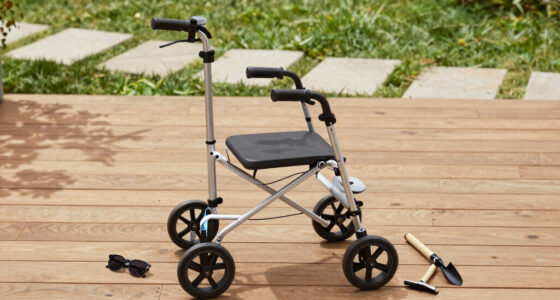
foldable rollator for car transport
As an affiliate, we earn on qualifying purchases.
As an affiliate, we earn on qualifying purchases.
Step-by-Step: How to Fold Your Rollator in 3 Easy Moves
- Locate the folding mechanism—often a lever, latch, or button on the frame or seat. Understanding exactly where this is and how it operates helps you avoid fumbling and accidental damage.
- Engage the mechanism while holding the frame steady. If your model has a lock, release it first. This step is crucial because forcing a fold without unlocking can break parts or jam the mechanism, leading to costly repairs or replacement.
- Gently fold the frame until it’s compact. Some models fold in half; others fold down the middle or collapse the seat. Be aware of the tradeoff: more compact folds often mean less quick access later, so balance convenience with your storage needs.
Imagine a friend showing you how to fold your rollator for the first time. Practice this process at home until it becomes second nature. This way, you’ll be ready to load it into your car without hesitation, saving time and reducing frustration during busy outings. Mastering the fold also helps prevent accidental damage, which can occur if you force parts or fold incorrectly, and ensures your device remains in good condition for years to come.
lightweight rollator with quick fold mechanism
As an affiliate, we earn on qualifying purchases.
As an affiliate, we earn on qualifying purchases.
Best Ways to Store a Folded Rollator in Different Vehicles
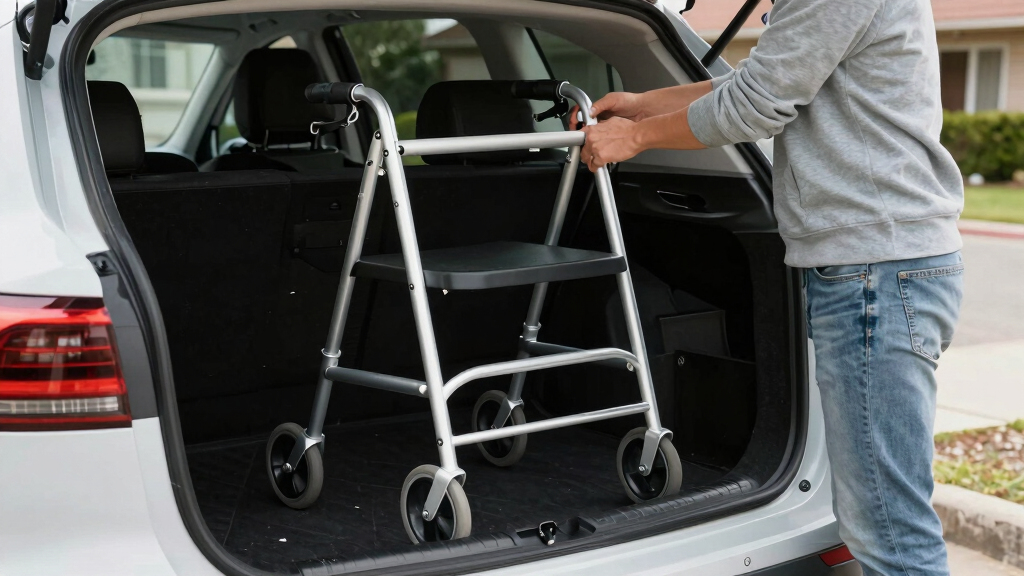
The way you store your rollator depends on your vehicle type, but understanding the implications of each method can help you choose the safest and most space-efficient option. For example, in a small sedan, storing the rollator flat in the trunk or folded in the back seat minimizes space usage but requires secure positioning to prevent shifting, which could damage the device or interior. Larger vehicles like SUVs and minivans offer more flexibility: you can keep the rollator upright or in a corner, but understanding how to secure it properly prevents it from tipping over or sliding during transit, which could cause injury or damage.
| Vehicle Type | Best Storage Method | Tips |
|---|---|---|
| Small Car (sedan, coupe) | Flat in trunk or folded in back seat | Use protective covers and secure with straps to prevent shifting. Proper securing minimizes movement, reducing wear and tear and ensuring safety during sudden stops or turns. |
| SUV / Minivan | Upright in corner or fully folded in trunk | Leverage extra space for larger models or multiple aids. Securing the rollator with straps or tie-downs is crucial to prevent tipping or sliding, especially on bumpy roads. |
| Truck | Lay flat or upright with tie-downs | Ensure it’s anchored to prevent movement during transit. Proper anchoring not only protects your device but also keeps everyone in the vehicle safe from shifting cargo. |
Understanding these storage options and their implications helps you balance convenience and safety. For example, choosing to keep your rollator upright in a minivan can make quick access easier but requires proper securing to avoid damage or injury if it shifts during the drive. Conversely, laying it flat in a truck might take more space but provides stability, especially for heavier or bulkier models. Being aware of these tradeoffs ensures your equipment remains in good condition and that your trips are as safe and stress-free as possible.
rollator securing straps for car storage
As an affiliate, we earn on qualifying purchases.
As an affiliate, we earn on qualifying purchases.
Top Tips for Safe, Easy Transport Every Time
- Practice folding and unfolding your rollator at home. It takes just a few minutes and saves hassle later. This practice builds muscle memory, so the process becomes instinctive, reducing the risk of accidents or damage during real-world loading.
- Secure the folded rollator with straps or in compartments to prevent it from shifting or tipping during a drive. Properly securing your device minimizes the risk of injury if it suddenly shifts or falls, and protects your vehicle’s interior from scratches or damage.
- Use protective covers or blankets if your vehicle has interior surfaces prone to scratches. This extra layer of protection preserves your vehicle’s interior and prolongs the life of your rollator by preventing minor damages.
- If your rollator is bulky, consider removing accessories or parts that can be stored separately to save space. This not only makes storage easier but also reduces strain on the device, extending its usability.
- Check the folding mechanism periodically for wear and tear, so it always operates smoothly when needed. Regular maintenance prevents sudden failures and ensures your device remains reliable for future trips.
Imagine a trip where your rollator stays perfectly still, no rattling or shifting, as you glide smoothly over bumps. That’s what proper securing and handling achieve. It’s a small investment of time that pays off by making your outings safer and more comfortable, especially over long distances or rough roads.
As an affiliate, we earn on qualifying purchases.
Troubleshooting Common Folding and Storage Problems
If your rollator won’t fold easily, check for obstructions or debris around the hinges and joints. Sometimes dirt, dust, or fabric can catch in the mechanism, causing resistance or jamming. Gently cleaning and lubricating with a silicone spray can restore smooth operation, preventing frustration and potential damage.
Another common issue is the fold latch not locking properly. This can happen if the latch is misaligned or if debris prevents it from engaging fully. Double-check the latch alignment, clean the area, and ensure nothing blocks its movement. If these steps don’t resolve the issue, consult your manual or contact the manufacturer — a proper lock is essential for safe transport, and ignoring it can lead to accidental unfolding or damage.
A tip: always test the fold after each attempt. Regularly inspecting the mechanism helps identify early signs of wear, so you can address problems before they become serious, saving you time and money in repairs or replacements.
Frequently Asked Questions
How do I fold my specific rollator model?
Check your user manual or watch online tutorials for your model. Most brands offer quick videos that walk you through the process step-by-step, making it easier to remember each move.Can I fold my rollator with the brakes engaged?
It’s best to release or lock the brakes before folding. This prevents accidental movement or damage to the brakes or frame during folding and transport.What’s the safest way to secure my folded rollator in the car?
Place it flat or upright in the trunk or seat, then use straps or bungee cords to prevent shifting. Securing it ensures stability and avoids damage to your vehicle or the rollator itself.Are there accessories to help carry my foldable rollator?
Yes, options like carrying straps, lightweight carts, or dedicated bags make transporting your rollator easier, especially if you need to carry it over longer distances or stairs.What should I do if my rollator won’t fold properly?
Check for obstructions, dirt, or debris around the hinges. Lubricate the joints with silicone spray if needed. If problems persist, consult the manual or contact the manufacturer for guidance.Conclusion
Mastering the art of folding and storing your rollator turns every outing into a breeze. With a little practice, your gear becomes a reliable companion rather than a hassle. Think of it as giving yourself a small, everyday gift of independence and peace of mind.
Next time you load up, imagine it’s like packing a favorite bag — everything fits perfectly, ready for your next adventure. Your mobility is a gift, and handling it with care keeps it shining bright.
Fall Picks
fall essentials
As an affiliate, we earn on qualifying purchases.