
TL;DR
Open a free Amazon Business account
Business pricing, bulk buying and tax-exempt orders.
Create a free accountAs an affiliate, we earn on qualifying purchases.
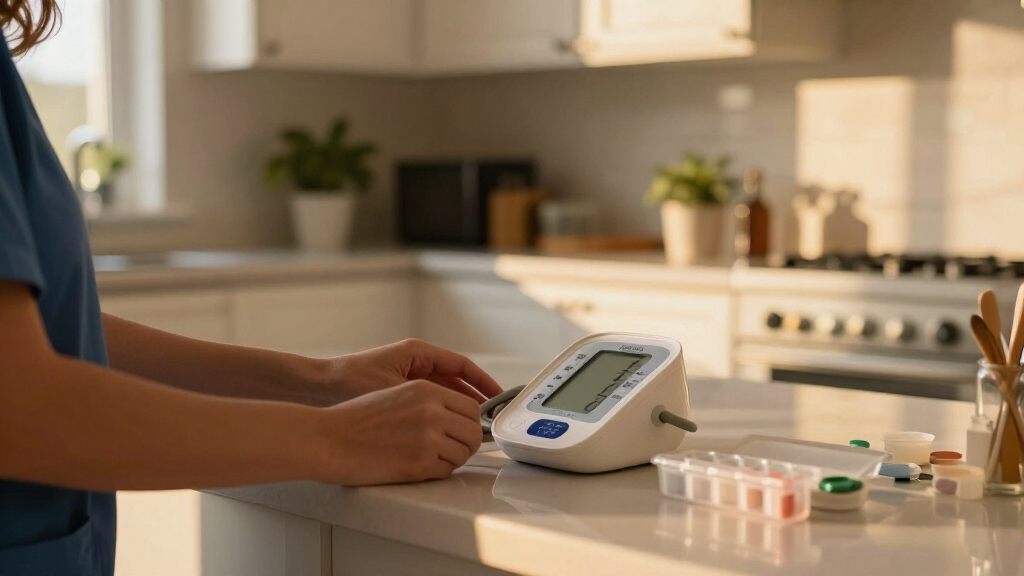
A home care station is a dedicated, organized spot for health supplies and monitoring tools. Setting it up thoughtfully improves safety, efficiency, and peace of mind for caregivers and patients alike.
Imagine a small, well-lit corner in your home—an organized hub where every bandage, pill, and monitor lives. That’s your home care station. It’s more than just a shelf; it’s a lifeline for managing health needs with confidence and dignity.
If you’re caring for a loved one or yourself, a thoughtfully arranged care station reduces chaos, saves time, and boosts safety. Whether it’s a rolling cart or a bedside nook, knowing how to set it up makes caregiving feel less overwhelming and more controlled. Let’s explore how to create one that truly works for your unique needs.
Choose a location that is accessible, well-lit, and safe from hazards.
Group supplies by purpose, labeling clearly to save time and reduce errors.
Secure medications and dangerous supplies in locked, out-of-reach spots.
Prioritize hand hygiene, clean reusable equipment, and keep the station disinfected.
Regularly review and update your station to keep it safe, organized, and effective.
How to Set Up a Home Care Station
A dedicated, well-lit hub for medicines, monitoring tools, first aid, hygiene supplies, and care records can turn a stressful routine into a clear, safer system.
Give every supply a clear purpose and place
Use labeled bins or drawers, keep high-use items forward, and place backup stock separately. The arrangement should make sense to every caregiver—not only the person who created it.
Treat minor needs
Bandages, gauze, tape, antiseptic, disposable gloves, cold packs, and a thermometer.
Manage every dose
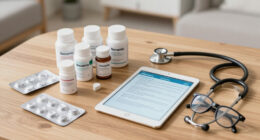
Current medicines, dosing instructions, an updated medication list, organizer, and administration log.
Keep devices together
Blood-pressure monitor, pulse oximeter, glucose meter, scale, or clinician-recommended equipment.
Support daily comfort
Tissues, wipes, sanitizer, disposable underpads, skin-care products, and hygiene supplies.
Capture what matters
Notebook, pens, appointment calendar, emergency contacts, symptom notes, and vital-sign logs.
Contain contamination
Disinfectant, waste bags, laundry container, and an approved sharps container when required.
Accessible for care. Inaccessible to hazards.
A cabinet, rolling cart, bedside setup, or small corner can work. The best choice depends on mobility, equipment, security needs, and how frequently care is delivered.
Look for
- Good lighting and a clean, dry surface
- Temperature-controlled storage away from sunlight
- An outlet nearby when equipment requires power
- A clear approach for mobility aids and caregivers
- Enough workspace without creating a trip hazard
Avoid
- Food-preparation and dining surfaces
- Heat, humidity, dampness, and direct sunlight
- Cluttered walkways or unstable furniture
- Unsecured access by children, pets, or visitors
- Locations that require reaching, twisting, or strain
The practical reach zone
Place frequently used, safe supplies between waist and shoulder height. Lock medicines and hazardous items even when that makes them slightly less convenient.
Design a routine anyone can follow
A visible sequence reduces guesswork: locate the correct item, confirm its details, deliver care, clean the area, and record what happened.
Find the labeled zone
Use high-contrast labels and consistent categories.
Verify before use
Confirm person, item, dose, timing, and instructions.
Provide the care
Follow the agreed care plan and device guidance.
Clean and separate
Keep used items away from sealed, clean supplies.
Log the action
Date, time, observations, doses, and follow-up needs.
Choose a station that fits the care routine
No single format is best for every home. Compare mobility, security, capacity, and daily use before deciding.
| Station type | Best use | Mobility | Medication security | Storage capacity | Watch-out |
|---|---|---|---|---|---|
| Rolling cart | Care delivered in multiple rooms | ✓ High | ~ Add lockbox | ✓ Medium | Lock wheels during use |
| Locked cabinet | Medication-heavy routines | ✗ Fixed | ✓ Strong | ✓ High | Keep daily items easy to reach |
| Bedside nook | Recovery and frequent monitoring | ✓ Patient access | ✗ Limited | ~ Low | Avoid clutter and trip hazards |
| Drawer system | Compact, category-based storage | ✗ Fixed | ~ Lockable model | ✓ Medium | Label every drawer clearly |
Make the safe action the obvious action
Store medicines according to their labels. A pharmacist can advise on interactions, refrigeration, missed doses, and approved disposal options.
Lock, label, list, and regularly review.
Keep medicines in original labeled containers unless they have been transferred to a properly prepared organizer. Never combine loose pills, share prescriptions, or retain expired medication.
Create a clean-to-used workflow
Hand hygiene is the essential routine precaution. Clean hands before and after care, medication administration, wound care, and contact with bodily fluids.
Put critical information where it can be seen
A concise emergency sheet can save precious time. Keep it current, easy to understand, and available to the patient and backup caregivers.
Your visible emergency sheet
A care station is a living system
Simple checks prevent empty bins, outdated instructions, expired supplies, and missed changes in the care plan.
Reset
Return supplies, dispose of waste safely, wipe surfaces, and complete the care log.
Restock
Check frequently used items, batteries, gloves, hygiene products, and waste capacity.
Review
Inspect expiry dates, medication lists, contact details, labels, and equipment condition.
Reconfigure
Update instructions and storage whenever mobility, medication, equipment, or caregivers change.
Safe care starts with a station people can understand.
Choose a clean, accessible location; organize supplies by purpose; secure medicines; separate clean and used items; display emergency information; and keep a simple, dated care log.
Pick the Perfect Spot That’s Easy to Reach and Safe
The right location is your foundation. It should be close enough for quick access but away from food prep areas and children’s reach. Think about a corner near the bedroom or bathroom, with good lighting and a flat surface.
For example, a sturdy side table in the hallway can serve as a quick-access station. Make sure it’s away from heat, moisture, and direct sunlight, which can damage supplies or medications. If your loved one uses mobility aids, choose a spot that’s easy to approach without causing strain or hazards.
Choosing an optimal location isn’t just about convenience; it impacts safety and efficiency. A poorly chosen spot can lead to delays in emergency situations or accidental contamination. By selecting a well-lit, accessible, and hazard-free area, you ensure that essential supplies are always within reach when needed most, reducing stress during urgent moments.
As an affiliate, we earn on qualifying purchases.
Organize Supplies by Purpose and Use
Clear organization is key. Group items into categories like first aid, medication, monitoring, personal care, and cleaning. Use labeled bins or drawers for each purpose. Keep frequently used items at the front or at waist level.
For instance, store bandages and antiseptics in one bin, daily medications in another, and blood pressure monitors nearby. This setup reduces search time and keeps everything within easy reach. A good tip: use color-coded labels for quick identification, especially if multiple caregivers are involved.
But beyond just sorting, understanding why this matters can transform your caregiving routine. Proper categorization minimizes the risk of administering the wrong medication or using expired supplies. It also streamlines your workflow—saving precious time during emergencies and reducing frustration. When supplies are intuitively organized, caregivers can focus more on patient comfort and less on rummaging through clutter, ultimately enhancing safety and confidence in care delivery.
medication storage container with lock
As an affiliate, we earn on qualifying purchases.
As an affiliate, we earn on qualifying purchases.
Secure Medications and Dangerous Supplies
Medication safety is non-negotiable. Keep all medicines in their original containers unless transferred to a pill organizer. Store them in a locked cabinet or container out of children’s reach. Use labels clearly stating the name, dose, and time of administration.
For example, a lockable cabinet in the closet or a high shelf in the bathroom works well. Maintain an up-to-date medication list that includes doses, timing, and prescriber info. Regularly review and dispose of expired medicines through a pharmacy take-back program or local disposal sites.
Properly securing medications isn’t just about preventing accidental ingestion; it also ensures that medications are stored under optimal conditions, preserving their effectiveness. A locked, dedicated space reduces the risk of misuse or theft, especially in households with children or multiple caregivers. Regular reviews and proper disposal prevent medication errors due to expired or contaminated drugs, safeguarding health and maintaining trust in your caregiving environment.
As an affiliate, we earn on qualifying purchases.
Prevent Infections with Smart Hygiene Practices
Hand hygiene tops the list for infection prevention. Always wash hands thoroughly before and after care. Use gloves when touching bodily fluids or open wounds. Keep reusable equipment clean and disinfected, following manufacturer instructions.
Set up a dedicated cleaning zone with disinfectant sprays, wipes, and waste bags. Store soiled linens and clothing separately. For example, a small basket labeled ‘Dirty Laundry’ helps contain germs and keeps your station tidy.
Consistent hygiene practices are crucial because they directly impact the risk of infections. Poor hand hygiene or contaminated equipment can lead to severe complications, especially for vulnerable individuals. By establishing a dedicated cleaning area and adhering to strict protocols, you create a barrier against germs, protecting both caregiver and patient. This proactive approach minimizes hospitalizations due to preventable infections and promotes a safer home environment.
As an affiliate, we earn on qualifying purchases.
Design the Station for Easy Use and Safety
Accessibility makes caregiving safer and less stressful. Use large, high-contrast labels for all supplies. Place items at waist to shoulder height, avoiding clutter. Keep a stable chair nearby and ensure clear walkways.
For example, a rolling cart with labeled drawers can be moved to different rooms or adjusted for comfort. Write instructions in the patient’s preferred language, and include a backup caregiver’s contact info. Balance security with ease of access—locks are essential for medicines, but doors should open smoothly.
Designing for ease of use isn’t just about comfort; it’s about reducing the risk of accidents and ensuring that critical supplies are always available when needed. Proper placement and clear labeling help prevent slips, falls, or accidental misuse. Including multilingual instructions and emergency contacts ensures everyone involved can respond swiftly and correctly, reinforcing safety and confidence in your caregiving setup.
Prepare an Emergency Kit and Clear Instructions
Every good home care station needs quick access to emergency info. Post a concise sheet with the patient’s name, allergies, current meds, emergency contacts, and preferred hospital. Include instructions for using medical devices or equipment.
For example, if oxygen is part of care, note fire safety tips and storage tips. Know which symptoms require urgent care, such as severe breathing difficulty or uncontrolled bleeding. Having this info visible can save precious minutes during a crisis.
Having a well-prepared emergency kit and clear instructions is vital because it transforms chaos into order during high-stress situations. Quick access to critical information can be the difference between effective intervention and avoidable complications. Ensuring this information is prominently displayed and easy to understand allows caregivers to act swiftly and confidently, reducing panic and increasing safety during emergencies.
Keep Track of Care with Simple Logs and Records
A straightforward care log helps prevent missed doses and tracks changes. Record medication times, symptoms, vital signs, and questions for providers. Date and time every entry for accuracy.
For example, a small notebook or digital app can be used. Avoid recording measurements or observations unless you’ve been advised to do so by a healthcare professional. Regularly review logs to catch trends or issues early.
Accurate record-keeping isn’t just administrative; it’s a critical component of quality care. Detailed logs help identify patterns, such as medication side effects or worsening symptoms, allowing timely interventions. They also facilitate communication with healthcare providers, ensuring everyone has a clear picture of the patient’s condition. By maintaining consistent and thorough records, you empower yourself to make informed decisions and provide proactive care, ultimately improving health outcomes.
Review, Refresh, and Maintain Your Setup Monthly
Set a monthly reminder to check your station. Look for expired or damaged supplies, low stock, and dirty equipment. Ensure batteries are fresh and instructions are clear.
For example, replace spoiled dressings, restock bandages, and update medication lists as needed. An organized, clean station keeps care safe and reliable over time. Adjust your setup as care needs evolve, too.
Regular maintenance isn’t just about cleanliness; it’s about ensuring ongoing safety and readiness. Supplies degrade over time, and new health considerations may require adjustments. A monthly review allows you to catch issues early—preventing shortages, reducing the risk of using expired items, and ensuring your setup remains functional and safe. This proactive approach supports continuous quality care and peace of mind.
Frequently Asked Questions
What should every basic home care station contain?
It should include a thermometer, basic first-aid supplies, disposable gloves, hand-cleaning supplies, an updated medication list, emergency contacts, a notebook, and any specific items needed for the person’s care plan. Keep everything organized and accessible.
Should the station be portable?
Yes, a rolling cart or portable container is useful if care occurs in multiple rooms. Just ensure medicines and hazardous supplies are secured during transport and storage, and always follow safety guidelines.
Where should medications be kept?
In a cool, dry, secure spot out of children’s reach. A locked cabinet or high shelf works well. Always follow label instructions for storage and regularly review medication expiration dates.
Can all medications go into one pill organizer?
Only if each medication is suitable for the organizer and the schedule is clear. Some medicines must stay in original packaging. When in doubt, ask your pharmacist to confirm the best approach.
How often should supplies be checked?
Perform a quick weekly check if supplies are used often, and do a thorough inventory monthly or after any treatment change. Replace expired or damaged items promptly.
Conclusion
Setting up a home care station isn’t just about tidying a corner; it’s about creating a sanctuary of safety and independence. With thoughtful planning, clear organization, and regular upkeep, you make caregiving smoother and more reassuring.
Think of your care station as a trusted partner—ready and organized, it helps you focus on what truly matters: caring with confidence and preserving dignity every step of the way.
College move-in / dorm season Picks
dorm essentials
As an affiliate, we earn on qualifying purchases.