
TL;DR
Play games included with Prime
Start a Prime free trial and play with Amazon Luna on your devices.
Start playingAs an affiliate, we earn on qualifying purchases.
Safe bathing for older adults hinges on careful assessment, proper equipment, and gentle techniques. This guide offers actionable steps to prevent falls and skin injuries while maintaining dignity.
Bathing can be a vulnerable moment for older adults—and a stressful task for caregivers. One slip or awkward move can lead to serious injuries. But with the right approach, tools, and mindset, you can turn bath time into a safe, respectful routine.
This guide is packed with practical tips and real-world examples. Whether you’re helping a parent, grandparent, or loved one, understanding the essentials of safe bathing can make a world of difference. Let’s explore how to keep bath time safe, comfortable, and dignity-preserving.
Assess your loved one’s specific needs before bathing to choose the right tools and techniques.
Set up the bathroom with safety in mind: non-slip mats, grab bars, and good lighting are essentials.
Use assistive devices like shower chairs and handheld showerheads to prevent falls and ease the process.
Communicate clearly and handle your loved one gently to preserve dignity and comfort.
Post-bath safety matters—dry thoroughly, dress promptly, and stay alert to signs of dizziness or skin issues.
A safer bath starts before the water turns on.
TL;DR: Safe bathing for older adults hinges on careful assessment, proper equipment, and gentle techniques. With the right setup, caregivers can prevent falls and skin injuries while preserving privacy, comfort, and dignity.
Bathing is care, safety, and trust happening in the same room.
Use preparation, clear communication, and assistive devices to turn a vulnerable moment into a calm routine.Nearly 80% of older-adult bathroom injuries occur during bathing or showering, according to CDC-cited fall data.
Assess needs, prepare the room, use devices, move gently, and protect after the bath.
Falls are a leading injury risk for older adults in bathrooms.
Non-slip mats, grab bars, and good lighting are essentials.
Shower chairs and transfer benches reduce risky standing and stepping.
Drying, dressing, and checking for dizziness prevent post-bath harm.
Match the bath to the person, not the other way around.
Before bathing, note mobility limits, skin sensitivity, dizziness, cognitive changes, pain, wounds, and comfort preferences. A quick healthcare-provider check can help tailor the safest approach.
Balance and transfer needs
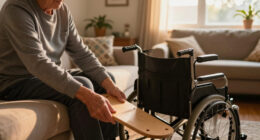
Watch whether your loved one can step over a tub edge, stand long enough, or turn safely. Limited strength may call for a shower chair, transfer bench, or seated sponge bath.
Fragile skin and wounds
Check for dryness, redness, rashes, sores, or pressure points. Use mild hypoallergenic cleansers and avoid scrubbing areas that are thin, tender, or healing.
Memory and communication
If a person forgets grab bars or cannot describe discomfort, use simple cues, repeat each step calmly, and keep every item within easy reach before starting.
Five simple fixes that lower the chance of slips.
Preparation reduces awkward reaching, sudden turns, and slippery movement. The goal is a bathroom that feels steady, bright, organized, and calm.
Add traction
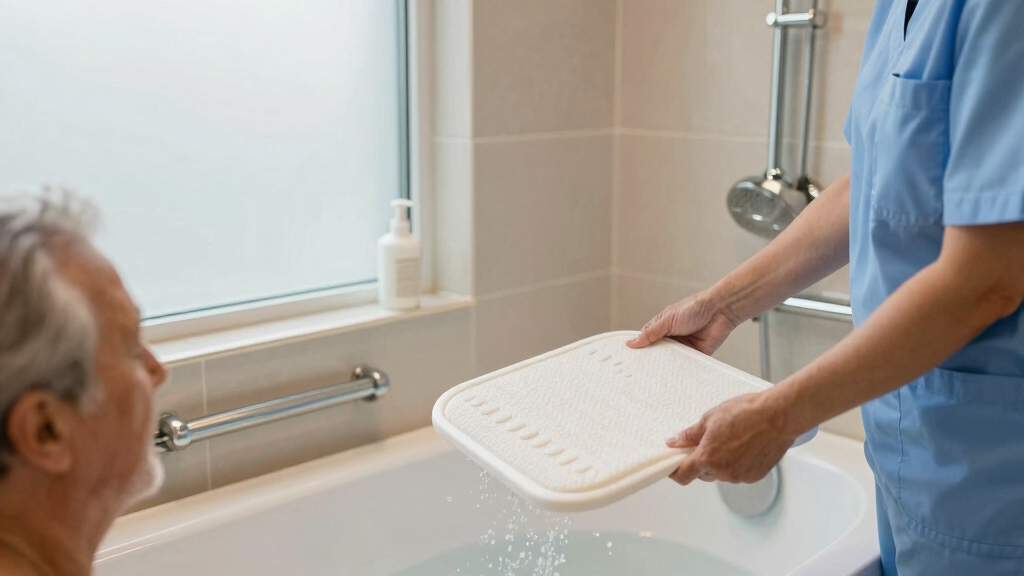
Place non-slip mats inside the tub or shower and on the bathroom floor.
Install support
Use properly mounted grab bars near the tub, shower, and toilet.
Brighten the room
Use even lighting so wet spots, edges, towels, and supplies are visible.
Stage supplies
Set soap, towels, washcloths, clothing, and devices within reach.
Provide seating
Keep a sturdy chair or stool nearby for rest breaks and safer washing.
Where bathing injuries cluster.
Wet surfaces, fatigue, poor lighting, rushed transfers, and unsupported movement stack risk quickly. Assistive devices lower the physical demand on both the care recipient and caregiver.
Nearly 80% of bathroom injuries among older adults are linked to bathing or showering.
Key insight: Safety measures are not extras. They are the core of the routine, especially when balance, pain, vision, or cognition is changing.
Think of the bath as a sequence: enter safely, wash while supported, exit slowly, dry completely, and confirm stability before leaving the room.
Choose tools by the risk they solve.
The best device is the one that removes a specific hazard: standing too long, stepping over the tub, reaching too far, losing balance, or getting chilled after the bath.
| Tool | Best For | Safety Value | Watch Point | Status |
|---|---|---|---|---|
| Shower chair | Fatigue, weak balance, long bathing routines | Recommended: supports seated washing | Check height, rubber feet, and weight rating | Use |
| Transfer bench | Tub entry, limited stepping, low leg strength | Recommended: reduces tub-edge stepping | Requires space and correct placement | Use |
| Handheld showerhead | Awkward reaching, seated bathing, sensitive skin | Recommended: controlled rinsing | Test water temperature before spraying | Use |
| Loose towel on floor | Quick cleanup | Avoid: can slide underfoot | Use a non-slip bath mat instead | Avoid |
| Walk-in tub | Major mobility limits and long-term home adaptation | Consider: helpful but costly | Needs installation, drainage time, and supervision | Assess |
Gentle handling protects the body and the relationship.
Slow movements, clear explanations, and steady support can reduce panic, discomfort, skin injury, and falls. Dignity is a safety tool because relaxed cooperation makes every transfer easier.
During the bath
Move deliberately and narrate each step before it happens.
- Say what you are about to do before touching or moving.
- Support the back and neck during sitting, standing, or turning.
- Keep wash motions light, especially on fragile or dry skin.
- Maintain privacy with towels and only uncover what is needed.
After the bath
Post-bath safety matters because dizziness, chills, and wet skin can create new hazards.
- Dry thoroughly, especially in skin folds and between toes.
- Dress promptly to prevent chills.
- Check for dizziness before walking away.
- Look for redness, sores, irritation, wounds, or unusual pain.
The safe-bathing chain.
Each link supports the next. When one part is missing, the routine becomes harder, riskier, and more stressful for everyone involved.
Assess
Mobility, skin, cognitionPrepare
Mats, bars, lights, suppliesSupport
Chair, bench, handheld rinseExplain
Calm cues, consent, privacyObserve
Skin, pain, dizzinessStabilize
Dry, dress, confirm balanceHow to Assess Your Care Recipient’s Needs Before Bathing
The first step in safe bathing is knowing what your loved one needs to stay comfortable and secure. Do they have mobility issues, skin sensitivities, or medical conditions? For example, someone with arthritis might struggle with slippery surfaces or reaching for toiletries.
Ask questions and observe. Is their skin dry or fragile? Do they become dizzy easily? Consulting their healthcare provider can help tailor your approach. This assessment guides your safety measures and equipment choices.
For instance, if your loved one has limited mobility, you might need a shower chair or transfer bench. If skin sensitivity is an issue, hypoallergenic cleansers are best. Knowing these details saves time and reduces risks during bath time.
Deep assessment is crucial because it helps identify potential hazards that might not be obvious. For example, a person with cognitive impairments might forget to use grab bars or might not communicate discomfort, increasing fall risk. Recognizing these nuances allows you to adapt your approach, ensuring safety without compromising dignity. This personalized understanding is the foundation for a safer, more respectful bathing routine, minimizing the chance of accidents and promoting trust.
As an affiliate, we earn on qualifying purchases.
Set Up Your Bathroom for Safety in 5 Simple Steps
- Place non-slip mats in the shower or tub and on the bathroom floor. Imagine the sound of rubber gripping tile, preventing slips. Why does this matter? Because water makes surfaces slick, and a fall on a wet surface can cause serious injuries. Non-slip mats act as a safety net, providing traction and confidence during movement.
- Install grab bars near the tub, shower, and toilet. Think of them as sturdy hands reaching out when balance wavers. Proper placement isn’t just about convenience; it’s about creating a reliable support system that compensates for balance issues or muscle weakness.
- Ensure good lighting—bright, even, and free of shadows. A clear view of every corner keeps accidents at bay. Poor lighting can hide hazards and make it difficult for your loved one to see obstacles, increasing fall risk.
- Gather all bathing supplies beforehand: soap, towels, washcloths, and assistive devices. No one wants to hunt for a soap bar mid-bath. Having everything within reach minimizes unnecessary movement and the chance of slipping while reaching for items.
- Keep a sturdy chair or stool nearby for sitting if standing becomes difficult. It’s like having a safety net just within reach. This allows your loved one to rest at any point, reducing fatigue and maintaining safety during the process.
Imagine your loved one sitting securely, with everything at hand, in a bathroom that feels safe and calm. This setup isn’t just about convenience; it’s about creating an environment where accidents are less likely, and dignity is maintained. Thoughtful preparation pays off by reducing stress, preventing falls, and making bath time a positive experience.
As an affiliate, we earn on qualifying purchases.
Using Assistive Devices to Make Bathing Safer and Easier
Assistive devices are game-changers for safe bathing because they directly address common hazards like slips and falls. They also uphold dignity by allowing your loved one to participate as actively as possible, rather than being passive or restrained. Understanding why specific devices matter helps you choose the right tools and recognize their importance beyond mere convenience.
For example, a shower chair provides a stable, comfortable seat that reduces fatigue and prevents falls during prolonged bathing. Without it, your loved one might stand unsteadily or risk slipping. Transfer benches facilitate safe entry and exit from the tub, minimizing the need for risky steps or lifts—especially crucial for those with limited strength or balance.
Handheld showerheads offer flexible rinsing options, reducing awkward reaching and ensuring thorough cleaning without unnecessary movement. Grab bars provide essential support, but their placement and design matter; properly installed textured bars significantly reduce the chance of slipping, especially when wet or soapy.
Using these devices isn’t just about preventing accidents; it’s about empowering your loved one to maintain independence and dignity during bathing. Each device addresses specific risks and tradeoffs—like the need for proper installation versus convenience—so understanding their purpose helps you make informed decisions that contribute to a safer, more respectful routine.
As an affiliate, we earn on qualifying purchases.
Gentle Techniques to Keep Bathing Dignified and Safe
The way you handle your loved one during bath time matters deeply. It’s not just about physical safety but also about preserving their dignity and emotional comfort. Gentle handling reduces the risk of injury and helps foster trust and cooperation. Why? Because abrupt or forceful movements can cause discomfort, panic, or even injury—especially in vulnerable skin or with those who have cognitive impairments.
Using supportively, with a gentle touch and clear communication, ensures your loved one feels safe and respected. For example, explaining each step before doing it—like ‘I’m going to help you sit down now’—reduces anxiety and prepares them mentally, leading to smoother cooperation.
Supporting their body, not just limbs, is vital. Use your hands to stabilize their back and neck, especially during transfers or when washing sensitive areas. This prevents sudden shifts that could cause falls or discomfort. Maintaining eye contact and speaking softly reinforces trust and reassurance, making the experience less intimidating.
Keep movements slow and deliberate, like guiding a delicate sculpture into place—avoiding jerks or sudden pulls. This approach minimizes skin irritation and reduces the risk of accidental injury. Regularly checking skin for signs of irritation, wounds, or pressure points—especially if the person has fragile skin—allows early intervention to prevent worsening issues. Drying thoroughly, especially in skin folds, prevents irritation and infections. Paying attention to these details ensures the process is both safe and respectful, fostering a positive bathing experience that upholds dignity.
As an affiliate, we earn on qualifying purchases.
Stay Safe After Bathing: How to Prevent Falls and Chills
Post-bath safety is just as important as the bathing process itself. After bathing, your loved one may be vulnerable to slips, chills, or dizziness—risks that can be mitigated with attentive care. Thoroughly drying the skin, especially in folds, prevents moisture-related skin issues such as irritation or infections, which are common in older adults with fragile skin. The crisp sound of towel fibers can serve as a reminder of the importance of gentle, complete drying.
Helping them dress in warm, clean clothes promptly prevents chilling and maintains body temperature. Using soft, breathable fabrics reduces skin irritation. Keeping a non-slip mat nearby allows them to step out of the shower or tub onto a stable surface, reducing slip risk. Supporting their arms or torso during this transition helps maintain balance, especially if they feel dizzy or unsteady.
For example, after a bath, assisting your loved one to stand on a dry, non-slip surface and holding their arm until they’re steady can prevent falls. Wrapping them in a warm blanket or robe not only keeps them warm but also provides a sense of security. These small but deliberate actions significantly reduce the likelihood of post-bath accidents, ensuring safety and comfort in the moments that follow.
Easy Ways to Make Your Bathroom Safer on a Budget
Safety upgrades don’t have to be costly to be effective. Small, thoughtful changes can make a significant difference in reducing hazards and creating a safer environment. These modifications address common risks like slips, falls, and poor lighting, which are often overlooked but have serious consequences.
- Use peel-and-stick non-slip strips inside the tub or shower base. They provide instant traction, especially in areas prone to becoming slick after water contact, minimizing slip risk during bathing.
- Attach inexpensive suction grab bars—easy to install, remove, and reposition—offering support where needed most during transfers and standing.
- Place a bath mat with a textured bottom for extra grip, reducing the chance of slipping when stepping out of the shower or tub.
- Improve lighting with brighter bulbs or additional fixtures. Well-lit bathrooms help your loved one see potential hazards and move confidently.
- Keep clutter off surfaces to avoid tripping hazards. Clearing items from walkways and edges reduces accidental trips and falls.
For example, a caregiver who adds non-slip strips and a sturdy shower curtain rod can drastically reduce fall risks without breaking the bank. These simple investments in safety can prevent costly injuries and foster independence, making routine bathing safer and more manageable for everyone involved.
When to Seek Professional Help for Bathing Assistance
If you’re feeling overwhelmed or unsure about safety, it’s wise to consult professionals. Recognizing when your skills or resources aren’t enough is crucial because neglecting this can lead to preventable injuries. Signs include repeated falls, unexplained bruises, or skin injuries, which may indicate that your loved one needs more specialized support or equipment adjustments.
Healthcare providers, home health aides, or occupational therapists are trained to assess individual needs comprehensively. They can recommend tailored routines, assistive devices, or even in-home services that you might not be aware of. Remember, asking for help isn’t a sign of failure but a proactive step to ensure safety and well-being.
For example, if your loved one frequently complains of dizziness or shows increased bruising, a professional assessment can identify underlying issues and suggest modifications—like adjusting water temperature, changing routines, or installing additional safety features. Seeking help early can prevent accidents and promote a safer, more dignified bathing experience.
Frequently Asked Questions
How can I help my elderly parent bathe safely without causing discomfort or embarrassment?
Use gentle, respectful language and explain each step before doing it. Support their body firmly but kindly, and offer privacy and dignity. Small adjustments, like a handheld showerhead or a shower chair, can make a big difference in comfort and safety.
What are the best assistive devices for someone with limited mobility?
Shower chairs, transfer benches, grab bars, and handheld showerheads are excellent options. Choose devices that suit their specific needs, and ensure they’re securely installed and easy to use. These tools help prevent falls and reduce caregiver strain.
How do I prevent falls during bathing?
Ensure the bathroom has non-slip mats, grab bars, and good lighting. Always stay within reach, and support your loved one’s body during transfers and washing. Using assistive devices and dry, stable surfaces also significantly reduce fall risks.
What should I do if the person I care for has sensitive skin or wounds?
Use mild, hypoallergenic cleansers and avoid scrubbing. Be gentle around wounds or fragile skin. Monitor skin for irritation, and follow healthcare provider advice for skin care routines. Keep the skin dry and clean to prevent infections.
Are there specific safety guidelines or checklists I should follow?
Yes, creating a safety checklist can help. Include items like checking water temperature, ensuring all assistive devices are secure, and verifying good lighting. Regularly review and update your routine based on your loved one’s changing needs.
Conclusion
Bathing safety isn’t just about equipment—it’s about creating a routine built on awareness, patience, and respect. Small steps, like installing grab bars or using a shower chair, add up. They turn a risky task into a routine that respects your loved one’s dignity and safety.
Think of bath time as a moment of trust and care. When done thoughtfully, it becomes a simple act of kindness that keeps everyone safe and comfortable. Your attention to detail makes all the difference—because safety is a gift you give every day.
Fall yard work Picks
leaf blowers
As an affiliate, we earn on qualifying purchases.