TL;DR
Open a free Amazon Business account
Business pricing, bulk buying and tax-exempt orders.
Create a free accountAs an affiliate, we earn on qualifying purchases.
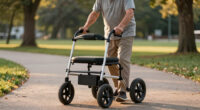
The best places to use a rollator outdoors are smooth, level surfaces like sidewalks, parks, and shopping areas. Modern models with larger wheels and suspension handle uneven terrain well, making outdoor mobility safer and more enjoyable.
Imagine the rich, fresh air, the gentle rustle of leaves, and the vibrant colors of a park in full bloom. Now, picture feeling confident navigating those outdoor spaces with your rollator, instead of avoiding them altogether. That’s the freedom you can gain when you pick the right spots for outdoor adventures and have a dependable, terrain-ready rollator by your side.
This guide is about helping you understand where you can safely and comfortably use your rollator outside — from park trails to neighborhood sidewalks. Knowing the best places to go and what features your rollator needs makes outdoor outings smoother, safer, and more rewarding.
Prioritize paved, level surfaces like sidewalks, parks, and shopping areas for outdoor use.
Choose a rollator with larger, pneumatic tires and good suspension for uneven terrain.
Always test brakes and be aware of your surroundings to stay safe outdoors.
Plan your route, carry essentials, and add accessories to enhance your outdoor experience.
Start slow, practice often, and gradually explore more challenging outdoor spaces.
Outdoor Rollator Routes That Feel Smooth, Safe, and Free
The best places to use a rollator outdoors are smooth, level surfaces like sidewalks, paved park paths, shopping districts, community gardens, and boardwalks. With larger wheels, suspension, reliable brakes, and a little route planning, outdoor mobility becomes less about avoiding terrain and more about choosing the right adventure.
Predictable terrain builds confidence; terrain-ready equipment expands possibility.
Outdoor mobility can increase independence when equipment matches terrain.
Larger wheels help rollators handle cracks, grass edges, and light gravel.
Paved paths reduce tipping, slipping, and fatigue.
Test before slopes, curbs, crowded areas, and uneven patches.
Shock absorption improves comfort and balance on rough ground.
Start easy, carry essentials, and widen your range gradually.
Where Rollators Work Best
The sweet spot is a route with stable footing, space to turn, visible edges, and places to pause. These outdoor locations give you fresh air without forcing your rollator to fight the ground.
Parks & Trails
Choose wide paved or compacted paths. Larger wheels and suspension help with light gravel, tree-root bumps, and changing surfaces.
Shopping Areas
Outdoor malls and markets often have level walkways, benches, curb cuts, and steady lighting. Move slowly around crowds and displays.
Community Gardens
Accessible beds and flat paths make gardens ideal. Watch for loose soil, stones, mud, hoses, and small elevation changes.
Boardwalks
Boardwalks and waterfront promenades are often wide and even. Check for sand drift, gaps, wet boards, and strong wind exposure.
Sidewalk Loops
Familiar blocks are perfect practice routes. Pick smooth sidewalks with curb ramps, low traffic crossings, and reliable resting points.
Gravel & Grass
Only try rougher ground with an all-terrain model. Pneumatic tires, strong brakes, and a stable frame matter most here.
Rollator Features That Open More Terrain
A dependable outdoor rollator does more than move forward. It absorbs vibration, stays controllable on slopes, folds for transport, and keeps you visible in changing light.
Wheels, Tires, Suspension
Larger wheels distribute weight more smoothly, pneumatic tires cushion rough surfaces, and suspension reduces jarring impact from cracks, gravel, and uneven paths.
- Choose wheels at least 8 inches for outdoor use.
- Use pneumatic tires for soft or rough surfaces.
- Prioritize suspension for comfort and stability.
Brakes, Frame, Visibility
Reliable brakes prevent accidental rolling on slopes. Lightweight aluminum or carbon fiber improves handling, while reflective strips or LED lights make early and late outings safer.
- Test brakes before every outdoor trip.
- Look for a sturdy, foldable frame.
- Add lights or reflective accessories in low light.
Outdoor Spot Comparison
Use this quick match-up to choose routes that fit your confidence level and your rollator’s capabilities.
| Place | Best Fit | Surface Risk | Rollator Setup | Safety Tip |
|---|---|---|---|---|
| Paved park paths | ✓ Excellent | Low, unless cracked or root-lifted | Standard outdoor model or all-terrain | Bring water and pause before surface changes. |
| Outdoor shopping districts | ✓ Excellent | Low to moderate crowd risk | Foldable model with basket or pouch | Watch curb cuts, displays, and narrow turns. |
| Community gardens | ~ Good | Moderate soil, stones, or mud risk | Larger wheels and strong brakes | Use brakes on slopes and avoid wet patches. |
| Beachfront boardwalks | ~ Good | Moderate sand or wet surface risk | All-terrain model if leaving boardwalk | Bring a companion for soft sand or steep ramps. |
| Cobblestone or loose gravel | ✗ Limited | High instability and vibration risk | All-terrain only, with pneumatic tires | Avoid unless your rollator is built for it. |
Terrain Confidence Scale
The more predictable the ground, the more attention you can give to the outing itself. Build confidence from the top down before trying rougher environments.
Step-by-Step Outdoor Routine
Start with the least demanding route, then expand your range as your balance, braking, turning, and terrain awareness improve.
Choose Level Ground
Begin with sidewalks, paved parks, malls, or boardwalks where the surface is predictable.
Check Equipment
Confirm brakes, tire condition, wheel size, frame stability, and handle height before leaving.
Pack Light
Carry water, phone, small essentials, and weather protection in a basket or pouch.
Scan Ahead
Watch for curb cuts, loose gravel, wet leaves, displays, crowds, and uneven concrete.
Expand Slowly
Practice often, add distance gradually, and try rougher terrain only with the right model.
Why Smooth, Level Surfaces Are Your Best Bet
When it comes to outdoor use, smooth, level surfaces are your friends. Think sidewalks, paved paths, and mall walkways. These areas offer stability, reduce the risk of tipping or slipping, and are easier to navigate, especially if your rollator has smaller wheels.
For example, many parks have wide, paved paths that wind through lush greenery. These are perfect for a gentle stroll with your rollator, letting you enjoy nature without worry. If you’re planning a trip to your favorite outdoor shopping district, paved walkways make shopping trips safer and more comfortable.
Just remember: avoid loose gravel, uneven concrete, or cobblestone streets unless your rollator has larger, pneumatic tires designed for rougher terrain. These surfaces can pose a challenge or even cause accidents.
Choosing smooth, level surfaces isn’t just about safety; it’s about understanding that these surfaces significantly impact your confidence. When terrain is predictable, you’re less likely to experience sudden bumps or instability, which can cause falls or injuries. This predictability allows you to focus on the enjoyment of your outing rather than constantly adjusting for uneven ground. However, relying solely on smooth surfaces may limit your outdoor experiences. Exploring more challenging terrains can expand your mobility and confidence—hence, understanding your rollator’s capabilities and gradually testing different surfaces can help you grow more independent outdoors.
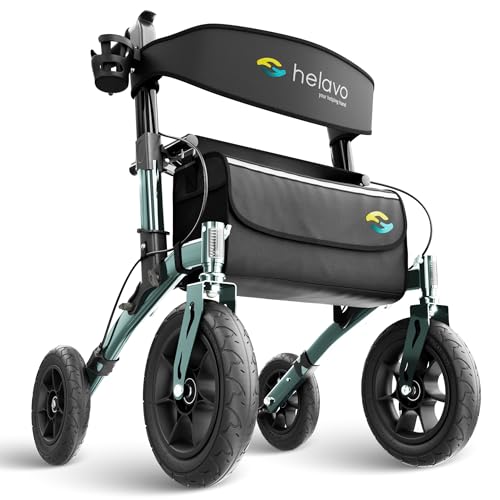
Helavo All Terrain Walker, 12" Pneumatic Tires, Outdoor Rollator Walker
- All-Terrain Pneumatic Tires: 12-inch front and 10-inch rear wheels
- Enhanced Shock Absorption: Air-filled tires for smooth ride
- Improved Traction and Control: Suitable for outdoor and urban surfaces
As an affiliate, we earn on qualifying purchases.
As an affiliate, we earn on qualifying purchases.
How to Choose a Rollator That Handles Rough Terrain
- Look for larger wheels — at least 8 inches in diameter. Bigger wheels aren’t just about rolling over obstacles; they fundamentally change how your rollator interacts with uneven surfaces. Larger wheels distribute your weight more evenly and can absorb shocks better, reducing the jarring sensation that smaller wheels transmit. This means less fatigue and discomfort over longer outdoor excursions, and a smoother ride that encourages more frequent outings.
- Check for good suspension systems. Suspension acts like a shock absorber, dampening the impact from bumps, cracks, or uneven patches. This feature doesn’t just improve comfort; it significantly enhances stability. When your rollator absorbs shocks effectively, your risk of losing balance decreases, which is crucial for safety on unpredictable terrain. Suspension also reduces strain on your joints, making outdoor mobility less tiring and more sustainable over time.
- Opt for sturdy, lightweight frames made from aluminum or carbon fiber. These materials strike a balance between durability and ease of handling. A lightweight yet sturdy frame allows you to maneuver more confidently without fatigue, and makes transportation or storage easier. This is especially important if you plan to take your rollator on trips or need to lift it into a vehicle. Durability ensures your rollator can withstand outdoor conditions without compromising safety or performance.
- Test the brakes—reliable, easy-to-operate brakes are essential on slopes or uneven surfaces to prevent accidental rolling and maintain your control. Effective brakes should respond quickly and require minimal effort, giving you instant control over your movement. This is vital when navigating inclines or declines, where momentum can cause loss of control. Proper brake function directly correlates with safety, especially on unpredictable outdoor terrains.
- Consider added features like reflective strips or LED lights for visibility in low light conditions, which can significantly enhance safety during early mornings or evenings. These features aren’t just for visibility—they can alert others to your presence, reducing the risk of collisions or accidents. When outdoors, especially in less crowded or darker areas, these safety accessories can make a substantial difference in preventing mishaps and ensuring you’re seen clearly.
For example, an all-terrain rollator equipped with pneumatic tires and shock absorbers isn’t just a luxury; it’s a game-changer for outdoor enthusiasts. Such a model can handle gravel paths, grassy parks, and uneven sidewalks, opening up a wider range of accessible outdoor environments. The right features can transform your outdoor experience from cautious to confident, making spontaneous adventures more feasible and enjoyable. Investing in a model that matches your typical outdoor terrain ensures you’re prepared for diverse conditions, boosting your independence and safety.
terrain-friendly rollator with suspension
As an affiliate, we earn on qualifying purchases.
As an affiliate, we earn on qualifying purchases.
Top Outdoor Spots Perfect for Your Rollator
| Place | Why It’s Great | Tips for Success |
|---|---|---|
| Parks & Nature Trails | Open spaces, fresh air, scenic views. Many parks have paved or crushed gravel paths that are suitable for various types of rollators, especially those with larger wheels and suspension. | Use a rollator with good suspension and larger wheels. Bring water and wear comfortable shoes. Be mindful of changing terrain, like loose bark or uneven patches, and adjust your pace accordingly to maintain safety and comfort. |
| Shopping Districts & Outdoor Markets | Level sidewalks, plenty of space, lively atmosphere. These environments typically have smooth surfaces, but crowds and narrow paths can pose navigation challenges. | Keep your small items in a basket to avoid clutter, and stay alert to uneven curb cuts or temporary obstacles like displays. Moving slowly and planning your route helps prevent accidents and ensures a pleasant experience. |
| Community Gardens & Allotments | Flat, accessible beds and walking paths. These areas promote social interaction and connection with nature, making them ideal for outdoor use. | Check the ground for loose soil, stones, or mud that could cause slips or instability. Use your brakes on slopes and be cautious around uneven patches to maintain control and safety. |
| Beachfront Walks | Wide, sandy or boardwalk paths with ocean views. These are often scenic but can be challenging due to soft surfaces. | Use a rollator designed for soft or sandy surfaces—some models are specifically built for this terrain. Take your time, and consider bringing a companion if navigating tricky areas, to enjoy the scenery safely. |
Choosing the right outdoor spot depends on your comfort level and your rollator’s capabilities. While flat, paved areas are ideal for beginners or those with limited experience, gradually trying more challenging terrains can help build confidence. Always assess your comfort and safety first, and don’t hesitate to seek assistance or choose easier routes as needed.

Vive Rollator Bag with Cup Holder – Walker Accessories Pouch Organizer
- Spacious Storage with Mesh Pockets: Keeps essentials organized and accessible
- Built-in Cup Holder: Securely holds drinks upright
- Universal Fit for Right Side: Attaches securely to most rollators
As an affiliate, we earn on qualifying purchases.
As an affiliate, we earn on qualifying purchases.
Safety Tips for Outdoor Rollator Use You Can’t Ignore
- Always test your brakes before starting on slopes or uneven surfaces. Proper brake function is critical for maintaining control and preventing accidents, especially on inclines or declines where momentum can cause loss of control.
- Stay aware of your surroundings: watch for loose gravel, potholes, or uneven curb cuts. Being alert allows you to anticipate hazards and adjust your path proactively, reducing the risk of falls or tipping.
- Wear bright, visible clothing or accessories, especially in low-light conditions. Increased visibility helps others see you clearly, which is essential for safety in busy outdoor environments.
- Bring a small flashlight or LED light if you plan to be out near dusk or in shaded areas. Proper lighting ensures you can see obstacles and your surroundings clearly, preventing trips and falls.
- Use your rollator’s brakes whenever you stop or park on a slope to prevent rolling away. Consistently applying brakes provides peace of mind and maintains your stability during pauses.
For example, a caregiver once shared that their loved one felt much more secure walking along a park pathway when they used the brakes on every slope, instead of rushing downhill. Small safety habits like these aren’t just precautions—they are essential practices that significantly improve your outdoor safety and confidence. Recognizing potential hazards and responding appropriately can make all the difference in enjoying your outdoor experiences without unnecessary worry.
Remember: never push your comfort too far. If a surface looks tricky or unstable, it’s better to turn back or choose a different route. Listening to your body and knowing your limits are key to maintaining safety and prolonging your outdoor enjoyment.

Medline Large Steel Bariatric Rollator Walker with Adjustable Handles, Padded Seat & Backrest, Burgundy, 500 lb. Weight Capacity, Foldable with Storage, 8" Wheels, Rolling Walker For Seniors & Adults
- Heavy Duty Steel Frame: Supports up to 500 lbs
- 8-Inch Wheels: Smooth rolling on all surfaces
- Folds for Storage: Easy to fold and transport
As an affiliate, we earn on qualifying purchases.
As an affiliate, we earn on qualifying purchases.
Make Outdoor Adventures Easier With These Simple Tips
- Plan ahead: check the terrain and weather forecast before heading out. Understanding the conditions helps you prepare appropriately, whether that means selecting a suitable route or bringing necessary accessories.
- Carry essentials: water, a cell phone, and a small first aid kit. Being prepared ensures you can handle minor incidents and stay connected in case of emergencies, especially in remote areas.
- Use accessories: attach a weather cover or a cup holder to your rollator for convenience. These additions can make outdoor outings more comfortable and practical, encouraging more frequent adventures.
- Go slow and steady: enjoy the scenery and avoid rushing over uneven patches. Moving at a comfortable pace reduces fatigue and minimizes the risk of accidents caused by hurried movements.
- Practice regularly: the more you go out, the more confident and comfortable you’ll become. Regular outdoor activity helps you become familiar with different terrains and improves your overall mobility skills.
For instance, a local garden walk became a favorite routine when a senior added a weather-resistant cover and a small basket for snacks. These small upgrades can make outdoor outings more enjoyable, less stressful, and more likely to become a regular part of your routine, fostering independence and physical activity.
Frequently Asked Questions
What type of rollator is best for outdoor use?
Look for models with larger, pneumatic wheels and good suspension systems. These features help handle uneven surfaces like gravel, grass, or cracked sidewalks comfortably and safely.
Can I use my indoor rollator outdoors?
Indoor models are usually smaller and less durable on rough terrain. If you plan to go outside frequently, invest in an all-terrain rollator designed for outdoor conditions to ensure safety and comfort.
How do I pick the right outdoor spot for my rollator?
Choose flat, paved areas like sidewalks, parks, or community gardens. Avoid loose gravel, mud, or uneven patches unless your rollator is specifically designed for such terrain.
Are foldable rollators suitable for outdoor adventures?
Yes. Many modern foldable rollators are lightweight and easy to transport, making them perfect for outdoor trips. Just ensure they have the features needed for the terrain you plan to explore.
Any safety tips for outdoor rollator use?
Always engage your brakes on slopes, stay alert for uneven surfaces, wear visible clothing, and carry essentials like water and a phone. These simple steps keep your outdoor outings secure and enjoyable.
Conclusion
Enjoying the outdoors with your rollator depends on knowing where to go and having the right equipment. With a little planning and the right features, you can turn outdoor spaces into places of independence and joy. Think of each outing as a step toward more freedom and vibrant living.
So, get out there—your next adventure is waiting just beyond the doorstep.
Back to school Picks
back to school
As an affiliate, we earn on qualifying purchases.