
TL;DR
Listen free for 30 days with Audible
Thousands of audiobooks and originals — cancel anytime.
Start your free trialAs an affiliate, we earn on qualifying purchases.
Shopping with a walker is safer and easier than ever. Proper equipment, store awareness, and planning can make grocery trips smooth, confident, and independent.
Imagine pushing a shopping cart, feeling steady and secure. Now, add a walker into the mix, and suddenly, your grocery trip feels different. It can be frustrating to navigate crowded aisles or heavy doors with mobility aids. But with the right approach, you can shop confidently, maintain your independence, and even enjoy the process.
This guide will show you how to get around the grocery store safely with a walker. From choosing the right model to understanding store layouts and safety tips, you’ll learn practical steps to make shopping easier and more comfortable—no matter your mobility level.
Choose a sturdy, well-fitting walker with features like non-slip tips, brakes, and storage baskets.
Plan your route and shop during off-peak hours to avoid crowded store aisles. aisles and make navigation easier.
Take advantage of store accessibility features—wider aisles, lower shelves, and assistive technology.
Always move slowly, keep your walker close, and check stability to prevent falls.
Ask for help when needed—staff are trained to support shoppers with mobility aids.
How to Pick the Perfect Walker for Grocery Shopping
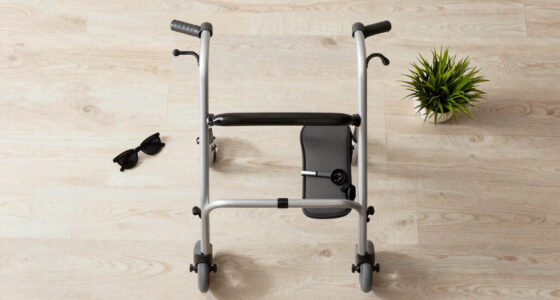
Choosing the right walker is the first step to confident shopping. Your walker should provide sturdy support, be easy to maneuver, and fit your height comfortably. For grocery trips, many prefer rollators or walkers with baskets—these add convenience and help carry your essentials.
Look for models with non-slip tips that grip the floor, adjustable handles for your height, and brakes for added safety. A well-fitted walker reduces the risk of falls and makes steering through busy aisles smoother.
For example, a lightweight, foldable rollator with a built-in seat and storage basket can turn your shopping into a more comfortable experience. Think about what features matter most for your needs and test a few models at a mobility store or online.
As an affiliate, we earn on qualifying purchases.
Navigating Store Layouts Without Stress
Knowing your store layout can transform your shopping trip. Many grocery stores now offer wider aisles, lower shelves, and accessible checkout counters—designed for walkers and wheelchairs.
Planning your route before entering isn’t just about efficiency; it helps minimize stress and physical exertion. By understanding where key sections are, you can avoid unnecessary backtracking, which can be tiring and increase the risk of losing balance. For instance, starting from the produce section and moving systematically through the store reduces confusion and physical strain.
Shopping during off-peak hours—early mornings or late evenings—means fewer people, less congestion, and more space to maneuver your walker safely. Using mirrors or asking staff for assistance isn’t just about visibility; it enhances your sense of control. Familiarity with your store’s layout and routines fosters confidence, reduces anxiety, and helps you shop more independently.
As an affiliate, we earn on qualifying purchases.
Top Features to Look for in Store Accessibility
Many stores now go the extra mile to support shoppers with mobility aids. Wide, uncluttered aisles, lower shelves, and accessible checkout counters are becoming the norm because they directly impact your safety and independence. When aisles are narrow or cluttered, your chances of tripping or bumping into obstacles increase, which can lead to falls or injuries. Lower shelves reduce the need for risky reaching or bending, making it easier to access items without strain.
Some stores even offer shopping carts with seats—these provide a safe resting spot if fatigue sets in or if you need to stabilize yourself. Designated accessible entrances and clear signage aren’t just conveniences; they are crucial for reducing confusion and physical effort, especially if you have limited mobility or visual impairments. These features collectively create an environment where you can shop more comfortably, with fewer hazards, and with greater independence. Their presence signals a store’s commitment to inclusivity and safety, which can significantly enhance your shopping experience.
adjustable height walker with brakes
As an affiliate, we earn on qualifying purchases.
As an affiliate, we earn on qualifying purchases.
Smart Planning and Gear for Easier Grocery Days
Preparation is key. Making a detailed shopping list organized by store sections—produce, dairy, canned goods—serves more than just organization; it reduces the mental load and physical wandering that can lead to fatigue or mistakes. When you know exactly what you need in each area, you can move efficiently, minimizing time and effort, which is especially important for maintaining your energy and safety.
Wearing comfortable, non-slip shoes isn’t just about comfort; it provides better grip and stability, reducing the chances of slipping. Dressing in layers helps you adapt to changing temperatures inside the store, preventing discomfort or fatigue. Bringing a small, lightweight bag or tote that attaches to your walker allows you to carry essentials without overloading yourself or risking dropping items—this keeps your hands free to stabilize your walker and move safely.
For example, entering the store with a well-organized list, a sturdy walker with a built-in basket, and a plan to hit the essentials first creates a routine that fosters confidence. This routine minimizes exhaustion, prevents impulsive or rushed movements, and helps you enjoy your shopping trip as a manageable task rather than a stressful ordeal.
As an affiliate, we earn on qualifying purchases.
Latest Innovations Making Shopping Safer and Easier
Innovation is transforming the shopping experience for those with mobility aids. Stores are investing in wider aisles, lower shelves, and accessible checkout counters, which directly reduce physical barriers and safety risks. Additionally, new walker designs emphasize lightweight frames, ergonomic grips, and foldability, making them easier to handle, store, and transport.
Some tech-savvy stores now offer mobile apps that help plan your route, check aisle layouts, or request assistance in real time—streamlining your shopping experience and reducing uncertainty. Community programs that provide training on how to navigate stores with walkers further empower seniors, teaching techniques to move more safely and efficiently amid busy or unfamiliar environments. These innovations aren’t just technological; they are about fostering independence, reducing stress, and making grocery shopping a more accessible, even enjoyable, activity for everyone.
Safety First: Preventing Falls and Staying Stable
Safety is the most important concern. Keep your walker close, especially when reaching for items, to maintain stability and prevent falls. Always check that your walker’s tips are gripping the floor firmly—worn or slippery tips can compromise your balance.
Moving slowly and deliberately isn’t just about caution; it’s about controlling your body’s movements to prevent sudden shifts that could cause a fall. Using brakes when stopping provides additional stability, especially on inclines or uneven surfaces. Avoid carrying heavy or bulky items in your hands, as they can throw off your balance and make steering more difficult. Instead, use your walker’s basket or a bag attached securely to your frame.
For instance, if reaching for a jar on a high shelf, stabilize yourself with your walker first, then extend carefully. Keep your feet shoulder-width apart for better balance, and take your time to avoid rushing. These practices create a safer, more controlled shopping environment, reducing the risk of accidents and boosting your confidence in navigating the store independently.
Expert Tips for a Confident Shopping Experience
Ask store staff for help—most are trained to assist customers with mobility aids. Don’t hesitate to request a shopping cart with a seat or a helper if needed. This not only provides physical support but also peace of mind, knowing you have assistance if fatigue or obstacles arise.
Plan your trip during quiet hours—early mornings or late evenings—to avoid congestion, which can make maneuvering your walker difficult and increase fall risk. Taking frequent breaks allows your muscles to rest and reduces fatigue, which is a common cause of accidents. Using mirrors or asking someone to guide you through narrow or crowded aisles can improve your visibility and control, further enhancing safety.
Remember, your walker is your partner in independence. Regularly inspect and maintain it—tightening screws, checking brakes, and replacing worn tips—to ensure it functions properly. Being aware of your surroundings and prepared with these strategies makes each shopping trip safer, more comfortable, and more empowering.
Frequently Asked Questions
How do I choose the best walker for grocery shopping?
Focus on stability, lightweight design, and features like brakes and baskets. Test different models and pick one that fits your height comfortably and feels secure.
What should I do if I find narrow or crowded aisles difficult?
Try shopping during less busy times—early mornings or late evenings. Use mirrors for better visibility, and ask staff for assistance if needed. Moving slowly and planning your route helps too.
Can I use a shopping cart with my walker?
Some stores have carts with seats or accessible features. If not, use your walker alongside a standard shopping cart, ensuring you keep it close for stability.
What are safety tips to prevent falls during shopping?
Keep your walker close, move at a steady pace, and check that the tips grip the floor. Avoid carrying heavy items in your hands and always brake before stopping.
How can I make grocery shopping more comfortable and less stressful?
Make a list organized by store sections, wear supportive shoes, and bring a helper if needed. Planning ahead reduces fatigue and boosts confidence.
Conclusion
Grocery shopping with a walker doesn’t have to be daunting. With the right equipment, some planning, and awareness of store features, you can shop confidently and maintain your independence.
Picture yourself pushing your cart, feeling steady and in control. That confidence makes each trip smoother—and more like a routine, rather than a challenge.
Fall yard work Picks
leaf blowers
As an affiliate, we earn on qualifying purchases.