
TL;DR
Open a free Amazon Business account
Business pricing, bulk buying and tax-exempt orders.
Create a free accountAs an affiliate, we earn on qualifying purchases.
Battery backups and generators each have pros and cons. Knowing how to size, use, and maintain them helps keep your home safe during outages, especially for medical needs and food safety.
Power outages strike suddenly—and often at the worst moments. A few hours of darkness can turn into a dangerous situation, especially for older adults relying on medical devices or needing warmth. But with the right backup power tools and safety precautions, you can stay safe and comfortable even when the lights go out.
This guide walks you through the best options for backup power, how to size them for your needs, and essential safety tips. Whether you’re considering a quiet battery station or a full standby generator, knowing what works and what to avoid makes all the difference.
Choose a backup solution based on your specific needs—medical devices, food safety, or heating—considering outage duration and capacity.
Always run generators outdoors with proper exhaust safety measures; indoor use or improper setup can be deadly.
Battery backups provide silent, emission-free power for critical appliances and are safer for indoor use, but size them carefully to match your needs.
Stay updated on new tech like lithium iron phosphate batteries and vehicle-to-home systems—they offer safer, longer-lasting backup options.
Prepare an emergency kit and practice your outage plan so everyone knows how to stay safe and connected when power fails.
Home Resilience · Emergency Preparedness
Battery Backup & Power Outages: Staying Safe When the Grid Goes Down
Power outages strike suddenly — and often at the worst moments. A few hours of darkness can become dangerous, especially for older adults relying on medical devices or needing warmth. The right backup power, sized correctly and used safely, keeps your household protected when the lights go out.
Know the Risks
The Five Dangers Hiding Inside an Outage
Understanding the hazards is the first step to preventing tragedies. Each one is manageable — with the right preparation.
Carbon Monoxide Poisoning
Generators, grills, and camp stoves produce invisible, odorless CO that can fill a home with no warning signs. Outdoor placement and ventilation are non-negotiable.
Food Spoilage
A fridge keeps food safe ~4 hours unopened. Discard perishables held above 40°F for 2+ hours. When in doubt, throw it out.
Medical Device Dependence
Oxygen concentrators, CPAPs, refrigerated insulin, and powered mobility equipment all depend on consistent power. This audience needs an explicit backup plan.
Candles, Backfeed & Surges
Candles ignite fast-spreading fires — use flashlights. Improper generator backfeeding can kill line workers; a transfer switch or interlock is the safe option.
Temperature Extremes
Heat stroke in summer, hypothermia and frozen pipes in winter. The 2021 Texas freeze caused 200+ deaths and sparked today’s surge in home backup power.
Downed Power Lines
Assume every downed line is live and stay 35+ feet away. Report it to the utility and never attempt to move or drive over one.
Head-to-Head
Battery Backup vs. Generators: Which Fits Your Needs?
The right choice depends on your priorities — medical devices, food safety, or whole-home comfort — and how long outages typically last where you live.
| Feature | Battery Backup ★ | Portable Generator | Whole-Home Standby |
|---|---|---|---|
| Noise Level | ✓ Silent or very quiet | ✗ Loud — can disturb neighbors | ~ Moderate, runs outside |
| Emissions | ✓ Zero — safe indoors | ✗ Produces deadly CO — outdoor use only | ✗ Fossil-fueled, permanent outdoor unit |
| Capacity | ~ Limited — 1–3 kWh typical (expandable to 5+) | ✓ Many kW — enough for most of a house | ✓ Entire household, automatically |
| Cost | ✓ $300–$3,000 | ~ $500–$3,000+ per unit | ✗ $10,000–$20,000 installed |
| Run Time | ~ Hours to days by battery size; needs recharging or solar | ✓ Unlimited with fuel on hand | ✓ Unlimited on natural gas / propane |
| Setup & Switchover | ✓ Instant, plug-and-play, no fuel storage | ✗ Manual start; fuel degrades in storage | ✓ Fully automatic — requires professional install |
✓ Advantage · ✗ Drawback · ~ Trade-off | New lithium iron phosphate (LFP) units offer 3,000+ charge cycles and better thermal safety than older lithium-ion.
Sizing & Runtime Math
Size Your Backup for What Actually Matters
Getting the right size means knowing not just what you want to power, but how critical each device is. Prioritize: refrigerator, medical devices, communication, lights, furnace blower. Air conditioning and electric water heaters are usually beyond battery systems.
How Long Will It Run?
Watt-hours → real runtime
Capacity Spectrum — From Pocket Power to a Car That Powers Your House
✗ Never Run a Generator Indoors
Not in the house. Not in the garage — even with the door open. Exhaust gases are deadly even in open garages if ventilation isn’t perfect. CO can kill in minutes, with no smell and no warning.
✓ The Non-Negotiable Setup
Outdoors only, at least 20 feet from windows and vents, exhaust pointed away from the home. Add battery-powered CO detectors near sleeping areas as a second line of defense.
Your Outage Game Plan
Five Steps From Assessment to Action
Assess Critical Loads
List what must stay on: medical devices, fridge, phones, heat.
Calculate Watt-Hours
Check each device’s wattage and multiply by hours of needed runtime.
Add a Safety Margin
Cover startup surges and longer-than-expected outages.
Choose Your Solution
Battery for indoor-safe essentials; generator for whole-home power.
Practice the Plan
Build an emergency kit and rehearse so everyone knows their role.
When Preparedness Works — The Chain of Resilience
Frequently Asked Questions
Quick Answers for Real Households
How big a battery do I need for medical devices?
A typical CPAP uses 30–60 W and a small medical fridge ~100 W. A 300–500 Wh battery covers 1–2 nights. Check your device’s wattage and add margin for surges and longer outages.
Can I run my generator indoors or in the garage?
Never. CO is deadly even in open garages. Always outdoors, well away from windows and vents, exhaust pointing away — with CO detectors near sleeping areas.
Will my solar panels work during a blackout?
Standard grid-tied systems shut down for line-worker safety. You need a hybrid inverter paired with a battery to keep critical loads powered independently of the grid.
Is vehicle-to-home (V2H) safe and reliable?
Yes — when properly installed with a compatible vehicle and equipment. Some EVs offer up to 130 kWh, enough to keep essentials running for days.
What Are the Main Dangers During Power Outages?
Power outages bring several hazards that can threaten your safety—especially if they last more than a few hours. Carbon monoxide poisoning from generators and grills is the deadliest. These devices produce invisible, odorless CO that can fill your home if used improperly, causing severe illness or death. Understanding the risks helps you take steps to prevent tragedies. For example, running a generator inside or too close to your home can lead to deadly CO buildup, often with no warning signs. Recognizing this, safety experts emphasize outdoor placement and proper ventilation as non-negotiable precautions.
Food safety is another concern. A full freezer can keep food safe for about 48 hours, but once that power is gone, perishable items spoil fast. This can lead to foodborne illnesses if you consume spoiled food. People relying on refrigerated medicines or oxygen devices face critical risks because their treatments depend on consistent refrigeration or power. Fire danger from candles or improper generator use adds another layer of risk; fires can spread quickly if precautions aren’t taken. Extreme temperatures—heat in summer or cold in winter—can lead to heat stroke or hypothermia, especially in vulnerable populations. Recognizing these hazards means understanding the importance of prevention—like proper generator placement, food storage strategies, and temperature regulation—to reduce risks and protect your household.
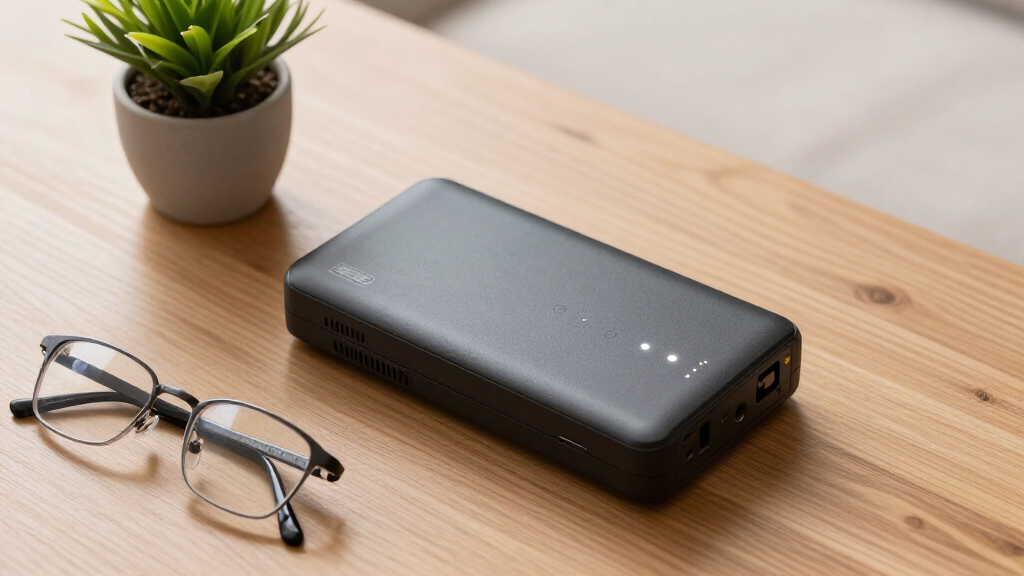
home battery backup system for essential devices
As an affiliate, we earn on qualifying purchases.
As an affiliate, we earn on qualifying purchases.
Battery Backup vs. Generators: Which Fits Your Needs?
| Feature | Battery Backup | Portable Generator | Whole-Home Generator |
|---|---|---|---|
| Noise Level | Silent or very quiet | Loud, can disturb neighbors | |
| Emissions | Zero emissions, safe indoors | Produces CO, needs outdoor use | |
| Capacity | Limited (1-3 kWh typical) | Many kW, enough for entire house | |
| Cost | $300–$3,000 | $500–$3,000+ (per unit) | $10,000–$20,000 installed |
| Run Time | Depends on battery size, hours to recharge | Unlimited with fuel |
Choosing the right backup depends on your specific needs. If you want silent, indoor-safe power for medical devices, a battery backup is ideal because it provides immediate, quiet support without dangerous fumes. However, it has limited capacity, meaning it might not support multiple appliances simultaneously or last through very long outages without recharging. Conversely, a portable generator offers more power and longer run times, but safety considerations—like outdoor placement and proper ventilation—are critical to prevent poisoning or fires. Whole-home generators provide seamless, automatic backup for entire households but come with high upfront costs and installation requirements. Understanding these tradeoffs helps you select the safest, most effective solution tailored to your household’s priorities and risks.
portable generator for power outages
As an affiliate, we earn on qualifying purchases.
As an affiliate, we earn on qualifying purchases.
How to Size Your Battery Backup for Essential Needs
Getting the right size means understanding not just what you want to power but the importance of each device in your daily life. For example, a refrigerator typically runs about 600–800 W during compressor cycles, but these cycles are intermittent, so the actual energy consumption is less over time. A CPAP machine uses around 30–60 W but must run continuously to ensure proper breathing support. A smartphone charger consumes about 10 W but is critical for communication. When sizing your backup, consider that a 1,000 Wh battery can run a 60 W refrigerator for approximately 16 hours, but real-world factors like compressor cycling reduce this. Medical devices like a CPAP might need only a 300 Wh battery for 2–3 nights of operation. Prioritizing your needs—such as keeping the refrigerator and essential medical devices running—helps you allocate your battery capacity efficiently. The key is to balance capacity with your expected outage duration, so you’re not caught unprepared. This involves calculating your total critical load in watt-hours and choosing a battery that provides a safety margin for unexpected surges or longer outages, ensuring continuous support when it matters most.
medical device backup power supply
As an affiliate, we earn on qualifying purchases.
As an affiliate, we earn on qualifying purchases.
Frequently Asked Questions
How big of a battery backup do I need for my medical devices?
It depends on the devices. A typical CPAP uses about 30–60 W, and a small medical refrigerator may need 100 W. A 300–500 Wh battery can power these for 1–2 nights. Always check your device’s wattage and plan for extra capacity to cover unexpected needs. Consider the importance of continuous operation for health-critical devices, and choose a battery capacity that provides enough backup time, including safety margins for unexpected surges or longer outages.
Can I run my generator indoors or in my garage?
Never run a generator inside your home or garage. Exhaust gases, especially CO, are deadly even in open garages if ventilation isn’t perfect. Always place generators outdoors, well away from windows and vents, with the exhaust pointing away from your home. Proper placement and ventilation are vital because CO can accumulate quickly, especially if the generator is placed too close or if the ventilation system is inadequate. Using a carbon monoxide detector near your sleeping areas adds an extra layer of safety, alerting you to dangerous levels of this silent threat.
Will my solar panels work during a blackout?
Standard grid-tied solar systems shut down during outages for safety reasons—this prevents back-feeding power into the grid, which could endanger repair crews. To keep power during an outage, you need a hybrid inverter paired with a battery system. This setup allows your solar panels to charge batteries and power your home independently of the grid. Investing in such a system enables you to maintain critical loads, like medical devices and refrigeration, even when the grid is down, providing greater resilience and energy independence.
Is vehicle-to-home (V2H) technology safe and reliable?
Yes, when installed properly, V2H systems are safe and provide a huge power reserve—up to 130 kWh in some models. They require specialized equipment and a compatible vehicle, but they can keep your essentials running for days without external power sources. The safety depends on proper installation, adherence to manufacturer guidelines, and integration with your home’s electrical system. When correctly set up, V2H systems are a reliable, safe backup option that can significantly enhance your household’s resilience during extended outages.
What’s the best way to protect food during an outage?
Keep refrigerator and freezer doors closed—food stays cold longer that way. Full freezers can last about 48 hours, half-full about 24. Using thermometers helps you monitor temperatures to prevent foodborne illnesses. Adding water bottles or ice packs can extend the cold life, especially in warm weather. If the power is out beyond safe limits, discard any perishable food above 40°F after 2 hours to avoid health risks. Planning ahead, such as stocking up on non-perishable foods and having backup cooling options, can help you maintain safety and reduce waste during extended outages.
emergency food safety power solutions
As an affiliate, we earn on qualifying purchases.
As an affiliate, we earn on qualifying purchases.
Conclusion
Power outages are unpredictable, but your safety doesn’t have to be. With the right backup tools and a clear plan, you can protect your health, food, and comfort. Remember, safety starts with awareness and preparation—don’t wait until darkness falls to act.
Imagine your home lit by battery-powered lights, your medical devices humming smoothly, and your loved ones safe and warm. That’s the power of being prepared.
NFL season / tailgating Picks
team gear
As an affiliate, we earn on qualifying purchases.