TL;DR
Prime for Young Adults — start your free trial
Fast free delivery, streaming and member deals for eligible 18–24 year olds.
Try it freeAs an affiliate, we earn on qualifying purchases.
Fall-proofing a living room involves removing hazards, improving lighting, and choosing furniture wisely. Small adjustments can prevent serious injuries and boost confidence in navigating your space.
Remove or secure loose rugs and carpets with non-slip backing or tape.
Use bright, even lighting, especially along pathways and stairs.
Select furniture with armrests and appropriate height to support safe sitting and standing.
Keep pathways clear of clutter and route cords along walls to prevent trips.
Regularly review your safety measures with a holistic approach—exercise, vision care, and medication management all matter.
How to Fall-Proof a Living Room
Remove hidden hazards, brighten every pathway, and choose furniture that supports safe movement. A few thoughtful adjustments can protect independence without sacrificing warmth, comfort, or style.
Six risk zones to fix first
Walk the room as if it were a clear runway. Anything that slides, snags, shadows, wobbles, blocks, or surprises deserves attention.
Stop slips and snags
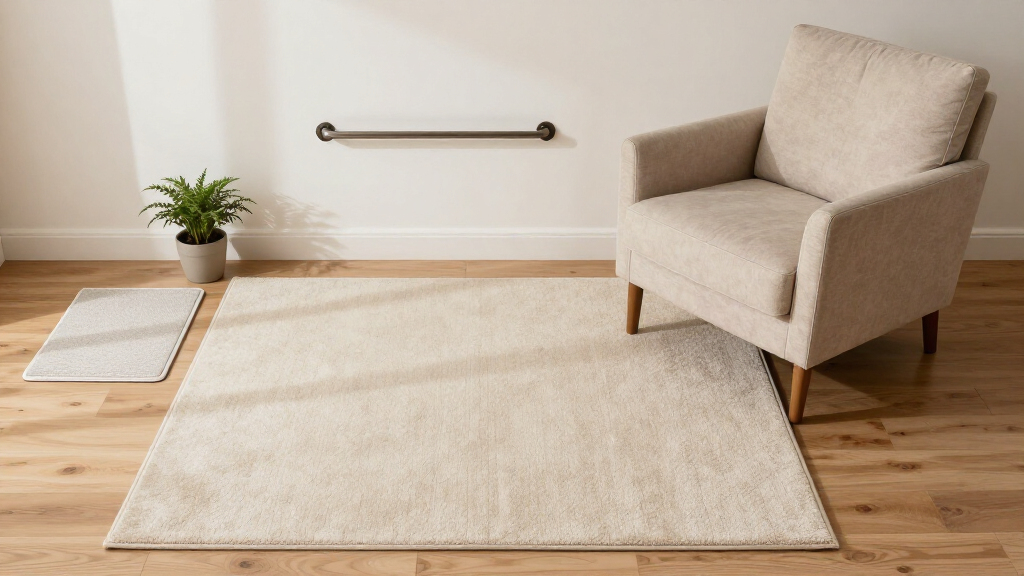
Remove loose throw rugs or secure every edge with non-slip backing or double-sided rug tape. Ramp uneven thresholds and avoid polished floors.
Low-pile or non-slipEliminate dark pockets
Use bright, even, glare-free light. Add reachable switches, smart controls, and motion-sensor lights along nighttime routes.
Warm + higher lumenSupport every transfer
Choose firm seating with sturdy armrests. Avoid deep cushions, casters, and unstable pieces that may tip when used for balance.
Seat: 17–19 inMake movement obvious
Arrange furniture around a wide, direct route. Keep coffee tables out of turning zones and protect sharp corners.
Clearance: ~36 inRemove floor-level surprises
Relocate shoes, magazines, baskets, and cables. Route cords along walls with covers or clips—never across a walkway.
Clear floor, clear routeCreate predictable zones
Move beds and toys away from traffic lanes. A collar bell can make a nearby pet easier to locate, especially after dark.
Beds outside pathwaysBuild a safer walking route
Start with changes that improve visibility and remove unexpected contact underfoot. Then strengthen furniture support and emergency readiness.
The five-minute sweep
- Lift every loose item from the main path.
- Move electrical cords against the wall.
- Check that rug edges cannot lift or slide.
- Turn on every lamp and inspect for shadows.
- Test chairs and tables for wobble.
- Place a phone or alert device within reach.
Risky versus fall-smart
Safety often comes down to a few specifications: stable surfaces, visible transitions, supportive seating, and controls that are easy to reach.
| Room element | ✗ Higher-risk choice | ✓ Fall-smart choice | Why it helps |
|---|---|---|---|
| Area rugs | ✗ Loose or curled edges | ✓ Remove or fully secure | Prevents sliding, folding, and toe catches. |
| Floor surface | ✗ Shag or highly polished | ✓ Low-pile or non-slip | Improves traction and mobility-aid clearance. |
| Chair | ✗ Deep, soft, or on casters | ✓ Firm, 17–19 in, armrests | Reduces effort and instability when rising. |
| Walkway | ~ Narrow or indirect | ✓ Clear and about 36 in wide | Allows confident turns and device access. |
| Night lighting | ✗ One distant switch | ✓ Motion or voice activated | Removes the need to cross a dark room. |
| Level changes | ✗ Unmarked abrupt edge | ✓ Flush, ramped, high contrast | Makes depth and elevation easier to judge. |
| Coffee table | ~ Sharp or unstable | ✓ Stable with rounded corners | Reduces collision and impact injury risk. |
✓ Preferred ✗ Avoid ~ Improve or monitor
From hazard to confidence
Fall prevention works best as a connected system. Each layer reduces uncertainty before the next step begins.
Spot
Inspect rugs, shadows, thresholds, cords, pets, and furniture stability.
Remove
Clear obstacles and eliminate items that move unexpectedly underfoot.
Illuminate
Make the full route visible before anyone needs to cross it.
Support
Add stable seating, secure surfaces, and reachable controls.
Review
Recheck after furniture, health, vision, or mobility changes.
Whole-person prevention
A safer living room is one layer of protection. Strength, vision, footwear, medications, and a response plan all affect real-world fall risk.
Wear stable shoes
Choose well-fitting, non-slip footwear instead of socks or loose slippers.
Train regularly
Tai chi and the Otago Exercise Programme can improve strength and stability.
Review risk factors
Discuss dizziness, vision, vitamin D, sedatives, and blood-pressure medicines with clinicians.
Prepare for a fall
Keep a phone or alert device close and learn a safe floor-recovery technique.
A useful pathway target: aim for roughly 36 inches of unobstructed space between furniture where practical. The route should remain wide enough for confident walking, turning, and use of a cane or walker.
Fall-proofing FAQ
Use these practical answers to guide conversations and purchasing decisions without making the room feel clinical.
Are throw rugs really dangerous?
Loose rugs are common trip hazards. Remove them where possible or secure the full rug with non-slip backing or double-sided tape.
What should I improve first?
Lighting is often the most impactful single change because it makes every other hazard easier to see, especially at night.
How can I encourage an aging parent?
Frame changes as tools for independence. Involve them in selecting attractive lights, furniture, storage, and flooring solutions.
Which lighting works best after dark?
Use warm, motion-activated lights that illuminate the walking route automatically without creating harsh glare.
What makes standing easier?
A firm chair with sturdy armrests and a seat about 17–19 inches high reduces the effort and instability of rising.
Can smart devices add protection?
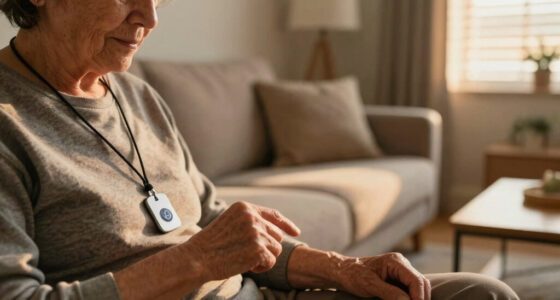
Voice-controlled lights, fall-detection wearables, medical alerts, and camera-free ambient sensors can add useful support.
Keep the comfort. Remove the uncertainty.
Fall-proofing is not about turning a home into a hospital. It is about making every step more predictable, every transfer more stable, and everyday independence easier to preserve.
How to Make Your Floors Safer and Reduce Tripping Hazards
Floors and rugs are often the biggest culprits in living room falls. Loose throw rugs, in particular, are like hidden traps—slipping, folding underfoot, or catching on shoes. Removing or securing them with non-slip backing or double-sided tape can cut trip risks by over 70%, according to safety experts. Prefer low-pile carpet or even better, non-slip hard flooring like vinyl or laminate. Transition strips between different flooring types should be flush and ramped to avoid sudden steps. High-contrast edges on stairs or level changes help those with reduced depth perception spot dangers quickly. Imagine stepping into a room and seeing a bold yellow edge on the step—your brain instantly recognizes it’s a hazard, and you take care.As an affiliate, we earn on qualifying purchases.
Brighten Up Your Living Room to Keep Shadows from Causing Trips
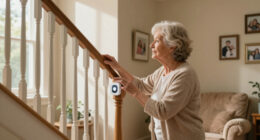
Poor lighting is a silent fall risk. Aim for bright, even illumination—no dim corners or harsh glares. Switches should be within easy reach at every entrance, and consider smart controls or remote lighting to avoid fumbling in the dark. Install motion-sensor night lights along pathways to the bathroom or kitchen. For aging eyes, higher-lumen bulbs with warm tones work best—they’re easier on the eyes and reduce shadows. Think of a softly glowing lamp that guides your way, making every step feel confident and sure. Shadows cast by furniture or a flickering bulb can turn an ordinary night into a risky adventure.bright LED floor lamps for elderly
As an affiliate, we earn on qualifying purchases.
As an affiliate, we earn on qualifying purchases.
Choose Furniture That Supports Safe Sitting and Standing
Furniture should invite safe use, not trip you up. Select firm chairs with armrests, around 17–19 inches high—perfect for standing up without strain. Deep, plush couches may look cozy but can make sitting and rising difficult. Clear pathways of at least 36 inches between furniture—imagine a wide, welcoming aisle. Coffee tables should have rounded edges or corner guards—those sharp corners are a common injury source in falls. Avoid wobbly, unstable furniture that wobbles or tips. Think of your furniture as your safety partners—steady, supportive, and well-placed to keep you balanced.furniture with armrests for seniors
As an affiliate, we earn on qualifying purchases.
As an affiliate, we earn on qualifying purchases.
Clear Clutter and Manage Cords for a Safer Space
Clutter is often overlooked but can turn a tidy room into a fall hazard. Keep pathways free of magazines, shoes, pet toys, and loose items. Electrical cords and phone cables should run along walls, secured with cord covers or clips, so they don’t cross walkways. A pet’s bed or favorite toy should be out of walking paths, not tucked behind furniture or in the middle of the room. Think of your living room as a runway—every obstacle is a potential trip waiting to happen. Organizing your space reduces surprises and makes every step predictable and safe.As an affiliate, we earn on qualifying purchases.
Pet Safety Tips to Keep Your Furry Friends from Causing Falls
Pets bring joy but also pose risks—tangled leashes, toys, or beds in the wrong spot. Move pet beds and toys out of walkways, and use a collar bell so you can hear where the animal is. Cats perched on high furniture or dogs lying in busy walkways are common trip hazards. Imagine stepping over a sleeping dog in the dark—easy to stumble. Creating designated pet zones and keeping walkways free ensures your furry friends stay safe without adding chaos to your space.Simple Strategies for Whole-Person Fall Prevention
Fall-proofing isn’t just about furniture and floors. Shoes matter: non-slip, well-fitting shoes or slippers help maintain grip. Regular strength and balance exercises—like tai chi or the Otago program—boost stability. Review medications with a doctor; some blood pressure meds or sedatives can cause dizziness. Keep vision sharp with annual eye exams. And have a plan—phone within reach, knowing how to get up safely if you fall. Think of your living room as part of a team effort—every element working together to keep you upright.Frequently Asked Questions
Are throw rugs really that dangerous — and what can I use instead?
Yes, throw rugs are among the top tripping hazards, especially if they’re loose or have no non-slip backing. Replace them with low-pile, non-slip flooring or secure rugs with double-sided tape. Smooth, hard flooring can be easier to navigate safely.What is the single most important change I can make?
Improving lighting is often the most impactful. Bright, even illumination helps people see hazards clearly, especially in darker corners or at night, reducing the chance of trips and falls.How do I convince an aging parent to declutter or accept safety modifications?
Start with gentle conversations—explain that safety measures help them stay independent longer. Involve them in choosing new furniture or lighting to give them a sense of control. Highlight how small changes can make a big difference in everyday confidence.What type of lighting is best to prevent falls at night?
Motion-activated night lights with warm, soft glow are ideal—they turn on automatically and guide your way without startling or disturbing sleep. Keep lights low but bright enough to illuminate walkways.What chair height/furniture features make standing up easier?
Look for chairs with a seat height around 17–19 inches, sturdy armrests, and firm cushions. These features help reduce the effort needed to stand and lower the risk of wobbling or falling.Conclusion
A fall-proof living room isn’t about turning your home into a hospital—it’s about smart, simple adjustments that preserve dignity and independence. Imagine every step you take feeling confident, knowing hazards are minimized. Small changes today can make a world of difference tomorrow—keep your space safe, warm, and welcoming.NFL season / tailgating Picks
team gear
As an affiliate, we earn on qualifying purchases.