TL;DR
Listen free for 30 days with Audible
Thousands of audiobooks and originals — cancel anytime.
Start your free trialAs an affiliate, we earn on qualifying purchases.
Removing trip hazards room by room helps prevent falls, the leading cause of injury among older adults. Focus on lighting, clutter, and uneven surfaces to create a safer home environment. Simple fixes can make a big difference in safety and confidence.
Falls are the leading cause of injury and injury-related death among adults 65 and older in the U.S. (CDC).
Most happen right at home — often because of simple trip hazards that slip under the radar. Think loose rugs, cluttered walkways, or uneven steps. Fixing these hazards can dramatically lower your risk of falling.
This guide breaks down each room with clear, practical tips. You’ll learn exactly what to look for and how to fix it, step by step. Because safety isn’t about big renovations — it’s about small, smart changes that keep you steady and confident in your own space.
Lighting upgrades are the most cost-effective way to prevent trips — add nightlights, motion sensors, and switches at both ends of stairs.
Removing or securing loose rugs and cords reduces the most common trip hazards in every room.
Marking the edges of stairs with contrasting tape improves visibility and prevents missteps.
Bathrooms need grab bars, non-slip mats, and dry floors to avoid slips and falls.
Regularly inspect outdoor walkways, clear debris, and add lighting to prevent winter and evening falls.
Home Safety · Fall Prevention · Room-by-Room Guide
Removing Trip Hazards Room by Room
Falls are the leading cause of injury among adults 65+ — and most happen right at home. The good news: nearly 80% of in-home falls trace back to simple, fixable hazards like loose rugs, poor lighting, and clutter. Small, smart changes keep you steady and confident in your own space.
1 in 4
Americans 65+ fall each year — about 14 million falls annually
3M ER visits
Emergency department visits from older-adult falls every year
$50B / year
Annual medical cost of older-adult falls (CDC estimate)
~80%
of home falls caused by easily fixable hazards
2×
one fall doubles the chance of falling again
<$50
typical cost of the highest-impact fixes
8
zones to audit — from entry to outdoors
The Audit · Eight Zones
Every Room Hides a Different Hazard
The room-by-room approach works because hazards cluster differently in each space. Here is exactly what to look for — and the first fix to make.
Entryway
The first line of defense. A cluttered, dim doorstep turns a simple step into a fall waiting to happen.
- Replace curled doormats with non-slip mats or tape the edges down
- Add bright, motion-activated outdoor lighting
- Contrast-tape the first step edge; add rails or a ramp if steep
Living Room
Throw rugs are the single most-cited culprit, alongside cords crossing walkways and pet clutter.
- Remove throw rugs or lock them down with non-slip backing
- Run cords along walls or behind furniture — never across paths
- Clear pet beds and toys; keep 3-foot-wide walking lanes
Stairs
Loose rails, worn treads, and poor light turn every climb into a risk. Mark, light, and reinforce.
- Secure handrails on both sides, running the full length
- Contrast tape (white or yellow) on every step edge
- Switches at top and bottom; nothing stored on steps
Bathroom
The riskiest room in the house. Wet floors, high tub walls, and slick surfaces cause serious injuries.
- Install grab bars by the toilet and inside the shower/tub
- Non-slip mats or adhesive strips in and out of the tub
- Raised toilet seat; wipe up water and spills immediately
Kitchen
Clutter, spills, and hard-to-reach storage force risky reaches and squats in a busy space.
- Keep daily items at waist height; use a railed step stool
- Wipe spills instantly; flat non-slip mat at the sink
- Secure dangling appliance cords; avoid overloaded outlets
Bedroom
Falling in the dark is a common cause of injury. Nighttime navigation needs light and a clear route.
- Nightlights or motion lights along the bed-to-bathroom path
- Keep clothes, shoes, and obstacles off the floor route
- Feet should touch the floor when seated; lamp within reach
Laundry & Basement
Often overlooked: detergent spills, uneven floors, and baskets that block your view of your feet.
- Clean detergent spills immediately; use non-slip mats
- Fix cracked or uneven flooring and loose tiles
- Carry baskets low enough to see where you step
Outdoor Spaces
Cracked walkways, leaves, and ice are ignored until winter — when they cause serious falls.
- Repair cracked pavement and threshold lips at doorways
- Clear leaves and ice promptly after storms
- Solar or motion-sensor lights; stow hoses and tools
Footwear Check
Hazard removal pairs with what you wear: loose slippers and socks-only walking undo your hard work.
- Well-fitting shoes with non-slip soles indoors
- Avoid backless slippers and smooth-soled socks
- Keep a dedicated pair of house shoes by the bed
The Evidence · By the Numbers
Where the Risk Lives — and What It Costs
Falls concentrate where water, height changes, and clutter combine. Targeting the highest-risk zones first delivers the biggest safety return.
Relative Fall Risk by Zone
Indicative risk weighting drawn from home-hazard research and the CDC STEADI home checklist.
The National Picture
Why prevention content matters: the scale of the problem in the U.S. each year.
14M
falls among adults 65+ reported annually
#1
cause of injury & injury death for 65+ (CDC)
$50B
yearly medical costs of older-adult falls
2×
risk of a second fall after the first one
The Method · Five Moves
Your Walk-Through Sequence
Work zone by zone in this order — cheapest, highest-impact fixes first. Most steps take minutes, not weekends.
Light Everything
Nightlights, motion sensors, and switches at both ends of stairs and halls — the cheapest big win.
Kill the Rugs
Remove throw rugs, or anchor survivors with non-slip backing and double-sided tape.
Tame the Cords
Route every cord along walls or behind furniture. Never across walkways, never under rugs.
Mark the Edges
Contrast tape on stair edges and thresholds so every level change is visible in low light.
Fortify the Bathroom
Grab bars, non-slip mats, raised toilet seat, dry floors — the highest-risk room gets the most armor.
“Nearly 80% of falls in the home are caused by easily fixable hazards like clutter, poor lighting, and uneven flooring — making targeted fixes highly effective.”
Key Research Insight · Home Fall-Prevention StudiesThe Plan · Fix-It Matrix
What to Fix, What It Costs, Who Does It
Most high-impact fixes cost under $50 and are DIY-friendly. Structural work — grab bars, railings — typically runs $100–$300 per item installed.
| Zone | Priority Fix | Typical Cost | DIY? | Impact |
|---|---|---|---|---|
| Everywhere | Nightlights + motion-sensor lighting on key paths | $10–$40 | ✓ DIY | Highest |
| Living Room | Remove or tape down throw rugs; reroute cords | $0–$25 | ✓ DIY | High |
| Stairs | Contrast edge tape; switches at both ends | $15–$50 | ✓ DIY | High |
| Stairs | Secure or add full-length handrails (both sides) | $100–$300 | ~ Pro | High |
| Bathroom | Grab bars at toilet + shower/tub, anchored to studs | $100–$300 | ~ Pro | Highest |
| Bathroom | Non-slip mats, adhesive strips, raised toilet seat | $20–$60 | ✓ DIY | High |
| Kitchen | Reorganize storage to waist height; railed step stool | $0–$80 | ✓ DIY | ~ Medium |
| Bedroom | Clear bed-to-bath path; lamp switch within reach | $0–$20 | ✓ DIY | ~ Medium |
| Outdoors | Repair cracked pavement; solar path lighting | $30–$300 | ✗ Varies | ~ Seasonal |
The Rules · Apply Everywhere
Six Universal Principles
Prevention is about consistent, manageable fixes — not perfection. These habits work in every room, every day.
Light First
It costs the least and changes the most. Upgrade bulbs to bright, glare-free and add motion sensors.
Three-Foot Paths
Keep a clear 36-inch walking lane through every room and hallway — wide enough for a walker.
Cords to the Walls
Every cable hugs a wall or hides behind furniture. Never under a rug, never across a walkway.
Rugs: Gone or Glued
A rug either leaves the house or is locked down with non-slip backing and tape. No third option.
Scan the Surfaces
Check thresholds, worn flooring, and uneven transitions monthly — hazards creep back quietly.
Spills Die Instantly
Water, detergent, and cooking splashes get wiped the moment they land — not “in a minute.”
The Bigger Picture · CDC STEADI
Hazard Removal Is One Leg of the Table
The CDC’s STEADI framework pairs a safer home with three other evidence-backed pillars. Lasting fall prevention uses all four.
Safe Home
This guide: lighting, rugs, cords, grab bars, marked edges, clear paths.
Strength & Balance
Tai chi and balance training are proven to cut fall rates in older adults.
Medication Review
Some prescriptions cause dizziness — ask a clinician to review them yearly.
Vision Checks
Annual eye exams keep depth perception sharp and prescriptions current.
Quick Answers · FAQ
Common Questions
Start where the risk is highest and the fixes are fastest.
Where should I start?
Begin with the most-trafficked, highest-risk spots: entryway, stairs, and bathroom. Lighting upgrades and rug removal there deliver immediate risk reduction for under $50.
What does a fall-safe home cost?
Many fixes cost less than $50 — nightlights, rug tape, non-slip mats. Bigger modifications like grab bars or stair railings typically run $100–$300 per item, professionally installed.
DIY or hire a professional?
Lighting, decluttering, and rug work are DIY-friendly. For grab bars and railings, hire a pro — a Certified Aging-in-Place Specialist (CAPS) knows exactly how to anchor them safely.
Start at the Entry: Clear the Path and Fix the First Step
The entryway is the first line of defense against falls. A cluttered, poorly lit doorstep can turn a simple step into a fall waiting to happen.
Check for loose doormats with curled edges — they can trip you up. Replace them with non-slip mats or secure the edges with double-sided tape. Make sure outdoor lighting is bright and motion-activated for safe navigation after dark.
Inspect the first step or porch. Is the surface uneven or worn? Add contrast tape to the edge to make it stand out. If stairs are steep or missing handrails, consider a portable ramp or installing sturdy rails.
nightlights with motion sensor for stairs
As an affiliate, we earn on qualifying purchases.
As an affiliate, we earn on qualifying purchases.
Living Room: Tame Rugs and Secure Cords for Easy Walking
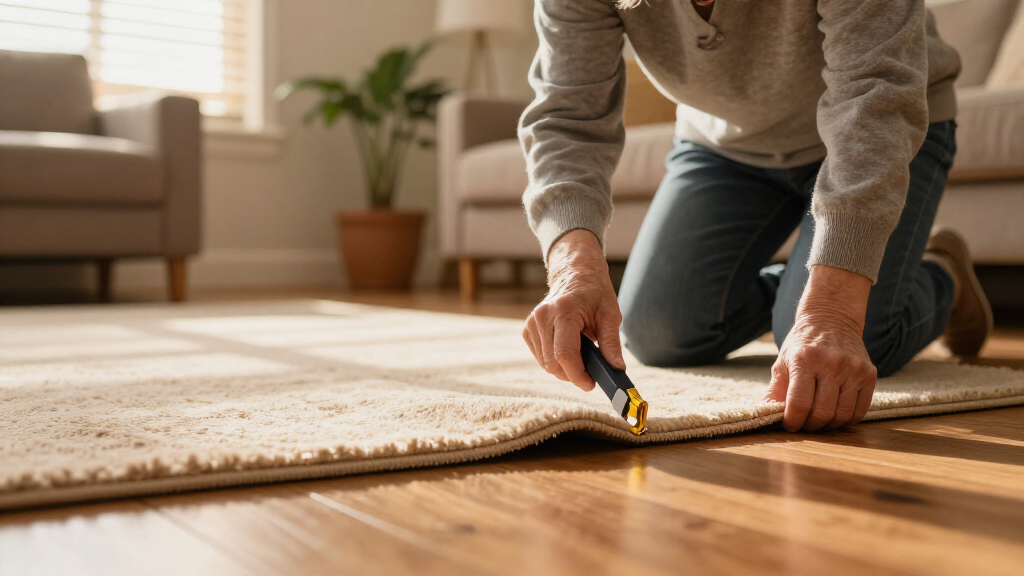
The living room often hides the most common trip hazards: throw rugs, cords, and clutter. These tiny obstacles are responsible for many falls, especially when you’re distracted or tired.
Remove loose rugs or secure them with non-slip backing or double-sided tape. If a rug must stay, consider replacing it with a low-profile, non-slip option.
Check all electrical cords and phone lines. Run them along walls or behind furniture, never across walkways. Tidy up pet beds, toys, and other clutter to create clear, 3-foot-wide paths for walking comfortably and safely.
For example, a caregiver once secured a tangle of cords behind a sofa, eliminating a persistent trip hazard and restoring peace of mind.
non-slip bathroom mats for elderly
As an affiliate, we earn on qualifying purchases.
As an affiliate, we earn on qualifying purchases.
Stairs: Reinforce, Light, and Mark the Edges
Stairs are a high-risk zone. Loose handrails, slippery treads, or poor lighting can turn a climb into a fall.
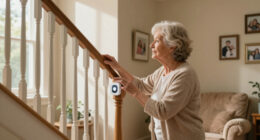
Start by checking if the handrails are secure and run the full length of the staircase. Add contrast tape or paint on the edge of each step—bright white or yellow works well—so you can see the steps clearly, even in low light.
Ensure lighting switches are at both the top and bottom. Use bright, glare-free bulbs. Clear the stairs of any stored items that could cause trips or slips. If treads are worn or slippery, add non-slip treads or strips.
For instance, a homeowner installed new, contrasting edge tape and upgraded their lighting, reducing near-misses and boosting confidence on stairs.
As an affiliate, we earn on qualifying purchases.
Bathroom: Make Wet Surfaces Safe and Install Support Bars
The bathroom is the riskiest room. Wet floors, high tubs, and slick surfaces are common culprits in falls. A single slip can lead to serious injury.
Use non-slip mats or adhesive strips in the shower and tub. Always secure bath mats with non-slip backing. Install grab bars near the toilet and in the shower or tub—these are lifesavers. Consider a raised toilet seat for easier sitting and standing.
Keep floors dry and wipe up spills immediately. For example, a family added grab bars and non-slip mats in their parent’s bathroom, making daily routines safer and less stressful.
As an affiliate, we earn on qualifying purchases.
Kitchen: Clear Clutter and Watch for Spills
The kitchen is busy, but clutter and spills create hidden falls risks. Items stored too high or too low force you into risky reaches or squats.
Organize frequently used items within easy reach. Use step stools with safety rails for higher shelves, not unstable chairs. Wipe up spills immediately to prevent slipping.
Place rugs in front of the sink with non-slip backing. Secure dangling appliance cords and avoid overloading outlets, reducing the chance of accidental trips or electrical hazards.
For example, a homeowner replaced a loose, rolled-up rug with a flat, non-slip mat, instantly reducing a common trip spot.
Bedroom: Light the Path and Keep Clutter Out of the Way
A cluttered, poorly lit bedroom can make nighttime trips dangerous. Falling in the dark is a common cause of injuries.
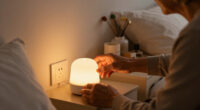
Install nightlights or motion-activated lights along the pathway from bed to bathroom. Keep the path clear of clothes, shoes, or other obstacles. Adjust bed height to ensure your feet touch the floor when sitting.
Place a lamp switch within easy reach of the bed. A simple, well-lit route makes nighttime navigation safe and confident.
One older adult moved their lamp closer to the bed, which made nighttime bathroom trips safer and less stressful.
Laundry and Basement: Watch for Slips, Trips, and Uneven Floors
Spills, uneven floors, and carrying baskets can cause falls in laundry rooms and basements. These areas often get overlooked but are full of hazards.
Clean up detergent spills immediately. Use mats with non-slip backing. Carry baskets carefully, keeping your view of your feet. Fix uneven or cracked floors to prevent tripping.
In a case, a family added anti-slip mats and secured uneven tiles, making laundry chores much safer and easier to do.
Outdoor Spaces: Tackle the Path to Your Door
Outdoor hazards like cracked walkways, leaves, ice, and poor lighting are often ignored but can cause serious falls, especially in winter or after storms.
Repair cracked or uneven pavement. Clear leaves and ice promptly. Add outdoor lighting with motion sensors or solar-powered fixtures. Remove garden hoses and tools from walkways.
For example, a homeowner cleared leaves, fixed a cracked sidewalk, and added solar lights, turning a dangerous path into a safe, welcoming entrance.
Universal Principles to Keep in Mind Everywhere
Some tips apply across all rooms. Improve lighting first — it costs little but makes a big difference. Create clear, 3-foot-wide pathways. Secure cords along walls, out of walkways. Remove clutter and loose rugs regularly. And always check for uneven surfaces or worn flooring.
These small, consistent steps build a safer home environment. Remember: prevention is about consistent, manageable fixes, not perfection.
Frequently Asked Questions
Where should I start fixing trip hazards in my home?
Begin with the most trafficked areas like the entryway, stairs, and bathroom. These spots pose the highest fall risk and are the easiest to improve quickly with simple fixes like lighting and securing rugs.How much does it cost to make my home fall-safe?
Many fixes cost less than $50 — like adding nightlights, securing rugs, or wiping up spills. More extensive modifications, such as grab bars or stair railings, typically range from $100 to $300 per item installed professionally.Can I do these fixes myself, or do I need a professional?
Basic fixes like lighting, removing clutter, or securing rugs are DIY-friendly. For structural changes like grab bars or stair rails, hiring a professional or consulting an occupational therapist ensures safety and proper installation.What if my loved one refuses to change their habits or home?
Focus on gentle education and demonstrating safety benefits. Sometimes involving a trusted healthcare provider or home safety expert can help motivate change without confrontation.Are no-drill grab bars safe?
Generally, no. Suction-cup or no-drill bars can detach under pressure, especially in wet environments. Properly mounted, anchored grab bars are the safest option for support.Conclusion
Every trip hazard you fix is a step toward a safer, more confident home. These small changes add up to big peace of mind — and fewer falls.
Imagine walking through your space with clarity and confidence, knowing each step is secure. That’s the real goal: a home that supports your independence and keeps you safe, room by room.
Fall yard work Picks
leaf blowers
As an affiliate, we earn on qualifying purchases.