TL;DR
Open a free Amazon Business account
Business pricing, bulk buying and tax-exempt orders.
Create a free accountAs an affiliate, we earn on qualifying purchases.
Toilet frames and surrounds provide essential stability and safety for those with mobility issues. Modern options are more adjustable, durable, and stylish than ever, making bathroom safety accessible and discreet.
Imagine standing at your bathroom sink, ready to sit on the toilet, but hesitating because of instability or fear of falling. That’s where toilet frames and surrounds step in—simple tools that transform bathroom safety. They offer support, stability, and confidence, especially for seniors or anyone with limited mobility.
In this guide, you’ll learn what makes a good toilet frame, the latest trends, and how to choose the right setup for your home. No fluff—just practical tips to keep your bathroom safe and accessible.
Choose a toilet frame that fits your toilet model and support needs, prioritizing safety and durability.
Modern frames now include safety features like anti-slip grips and quick-release parts, making them more user-friendly.
Toilet surrounds add privacy and extra stability—look for waterproof, easy-to-clean materials.
Regular inspection and maintenance keep your support devices safe and effective for years.
Smart and modular designs are making bathroom safety solutions more adaptable and less stigmatizing.
Toilet Frames and Surrounds Explained
Simple support can change the entire bathroom experience. Toilet frames steady sitting, standing and transfers; surrounds add privacy, splash control and another layer of protection—helping people move with greater confidence and independence.
Potential fall-risk reduction cited for a correctly selected and properly installed support frame.
Always verify the specific product rating against the user’s support requirements.
From basic freestanding aids to advanced, modular or customized systems.
Sit, stand and transfer with stable hand support.
Fixed, adjustable and portable configurations.
A practical minimum target where appropriate.
Corrosion-resistant and easy to disinfect.
Three support styles, three different jobs
The safest choice depends on how permanent the installation is, how much support the user needs and whether the bathroom serves one person or several.
Fixed frame
Bolted to the floor or wall for maximum rigidity. It suits long-term installations where support needs and bathroom layout are unlikely to change.
Best for / maximum stabilityAdjustable frame
Height-adjustable rails improve ergonomics for different users or evolving mobility needs. Locking points require regular inspection.
Best for / shared householdsFreestanding frame
Quick to position and useful during recovery, in rental homes or temporary care settings. Convenience comes with less anchoring than a fixed model.
Best for / temporary supportMatch the frame to the situation
No single design wins every category. Prioritize stability for high-risk transfers, adjustability for changing needs and portability only when flexibility is essential.
| Decision factor | Fixed | Adjustable | Freestanding |
|---|---|---|---|
| Maximum stability | ✓ Strong | ✓ Strong | ~ Moderate |
| Height customization | ✗ Limited | ✓ Excellent | ~ Model dependent |
| Easy relocation | ✗ No | ~ Limited | ✓ Excellent |
| Installation effort | ~ Professional fit | ~ Careful setup | ✓ Usually simple |
| Long-term use | ✓ Ideal | ✓ Adaptable | ~ Temporary |
What makes a good frame?
Four specifications have an outsized effect on safe, comfortable transfers. Treat them as a system: strength means little if the rails are badly positioned or the frame is installed incorrectly.
Support-bar position
Rails should be reachable without leaning or twisting, with non-slip grips that remain secure when hands are damp.
Correct rail height
Proper adjustment reduces shoulder strain and provides leverage through the full sit-to-stand movement.
Verified capacity
The product rating must safely exceed expected loading, including the extra force created during an unsteady transfer.
Secure installation
All feet, clamps, bolts and quick-release parts must lock firmly without rocking, flexing or obstructing access.
More than a privacy panel
A well-designed surround can control splashes, simplify cleaning, soften the visual impact of mobility equipment and incorporate additional support features.
Frame for the person. Surround for the environment.
The frame supports movement; the surround helps manage nearby hazards. Together, they create a more stable, private and maintainable bathroom zone.
Splash control
Containing water helps keep the surrounding floor dry and reduces an easily missed slip risk.
Easy cleaning
Choose smooth, waterproof materials that tolerate non-abrasive cleaning without trapping moisture.
Added support
Some surrounds integrate grab points, but these must be structurally rated—not merely decorative.
Better aesthetics
Slim panels, coordinated finishes and concealed fixings make safety equipment feel less clinical.
Five steps from measurement to confidence
Safe selection is a connected process. A missed measurement or loose fitting early in the chain weakens every benefit that follows.
Measure
Record toilet height, width, clearances and fixing points.
Match
Confirm toilet shape, capacity and user support needs.
Install
Follow every fixing, locking and clearance instruction.
Test
Check reach, posture, movement and stability before use.
Inspect
Clean regularly and recheck joints, grips and corrosion.
Choose for the user—not the product photo
The best setup fits the toilet, the room and the person using it. Comfort and confidence matter, but neither should come at the expense of verified stability.
Measure first. Confirm toilet dimensions, surrounding clearance and compatibility before buying.
Prioritize secure grip. Look for anti-slip feet, comfortable rails and dependable locking parts.
Use surrounds strategically. Waterproof panels can improve privacy, cleanliness and splash control.
Plan for change. Modular and height-adjustable designs can adapt as mobility needs evolve.
Check standards. Seek products aligned with applicable accessibility and local safety guidance.
Get expert help when needed. High-risk users and permanent fixtures may warrant professional assessment.
The four-point maintenance loop
Use non-abrasive products and dry all contact points.
Check bolts, clamps, feet and quick-release locks.
Look for cracks, corrosion, worn grips or movement.
Retire damaged components before support is compromised.
What Are Toilet Frames and Why Do They Matter?
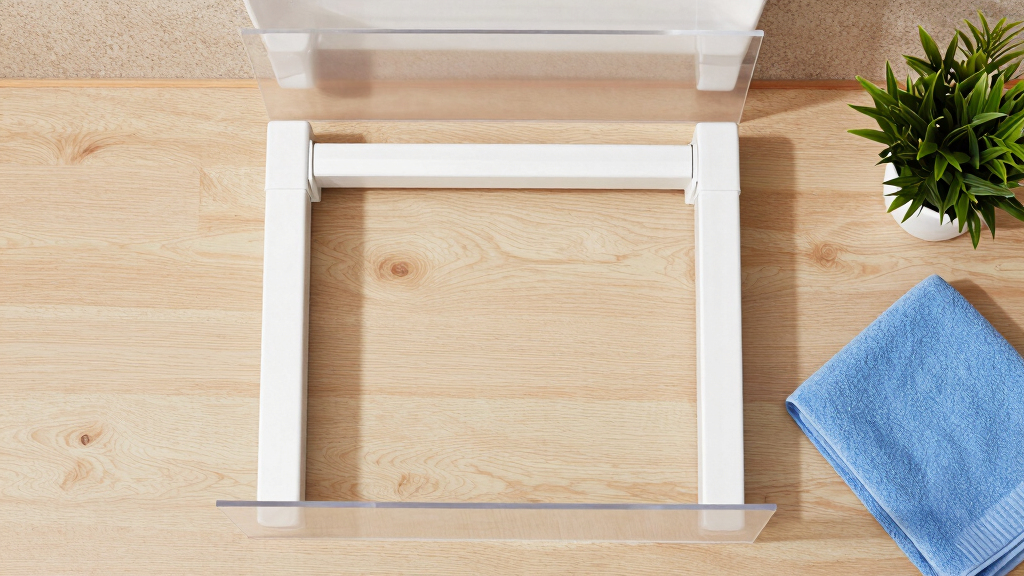
Toilet frames are sturdy, supportive structures that hold the toilet in place and include handrails or support bars. They’re designed to prevent slips and falls, especially when sitting down or standing up. For example, a family caregiver might install a frame for an elderly parent recovering from surgery, giving them extra stability during transfers.
Many frames are adjustable, fitting most toilets, and are made from corrosion-resistant materials. Properly installed, they can cut fall risks by a significant margin—according to safety studies, up to 80% in some cases.
Understanding why they matter is crucial: falls in the bathroom are among the most common reasons for injury among seniors and those with mobility challenges. The support provided by toilet frames not only reduces the immediate risk of falling but also encourages more confident and independent bathroom use, which can significantly improve quality of life and reduce caregiver burden.
As an affiliate, we earn on qualifying purchases.
Types of Toilet Frames: Which One Fits Your Needs?
There are three main styles of toilet frames, each with distinct advantages and considerations that influence their suitability:
- Standard Fixed Frames: Bolted securely to the floor and wall, these provide the most robust support and are ideal for permanent setups. Their fixed nature offers maximum stability, but they lack adjustability, which might be a tradeoff for some users. They are best suited for environments where the installation is permanent, and the user’s needs are unlikely to change, providing peace of mind regarding stability.
- Adjustable Height Frames: These allow you to modify the height of the support bars, accommodating users of different sizes or changing needs over time. This flexibility is crucial for ensuring proper ergonomics and reducing strain, which can prevent injuries or discomfort. However, the added adjustability can sometimes mean more complex installation and potential points of failure if not maintained properly. They are ideal for multi-user households or situations where needs might evolve.
- Portable or Freestanding Frames: Designed for temporary use or in situations where permanent installation isn’t feasible, these are easy to move and set up. They are useful in rental properties, temporary care settings, or for individuals who need support during recovery. The tradeoff is that they might not offer the same stability as fixed or adjustable models, which could pose safety concerns if used in environments with higher fall risks. They are best in scenarios where mobility and convenience outweigh maximum support.
Choosing the right type depends on your specific needs, bathroom layout, and long-term safety considerations. For example, a caregiver might prefer an adjustable model for accommodating different users, while a permanent home installation might benefit from a fixed frame for maximum support.
As an affiliate, we earn on qualifying purchases.
Key Features to Look for in a Toilet Frame
| Feature | Why It Matters |
|---|---|
| Support Bars | Properly positioned support bars provide a firm grip, which is essential for safe sitting and standing. The placement impacts how effectively they can prevent slips—bars placed too high or too low can compromise safety. Sturdy, well-placed bars reduce the effort needed to transfer and can prevent falls during unsteady moments, especially critical in emergency situations where quick support is needed. |
| Height Adjustability | Adjustable support height ensures the device matches the user’s body dimensions, reducing strain and improving safety during transfers. This feature is particularly important for users with changing needs or those with different caregivers. The ability to fine-tune height promotes comfort and reduces the risk of improper support that could lead to falls or injuries. |
| Weight Capacity | Choosing a frame with a high weight capacity (at least 300 pounds) ensures safety and durability, especially in households with heavier users. Frames that are not rated for sufficient weight may fail under pressure, leading to accidents. Understanding these limits helps prevent structural failure and provides peace of mind that support will hold when needed most. |
| Ease of Installation | Frames that are simple to install save time and reduce the chance of improper setup, which could compromise safety. While DIY installation can be cost-effective, it requires careful adherence to instructions and safety standards. Conversely, professional installation guarantees correct assembly, ensuring the device functions as intended and maintains structural integrity, which is vital for safety-critical devices. |
Each feature directly impacts the safety, usability, and longevity of your toilet support device. Weighing these factors helps you choose a product that aligns with your specific needs and minimizes potential tradeoffs, such as ease of use versus maximum support.
As an affiliate, we earn on qualifying purchases.
What Are Toilet Surrounds and How Do They Enhance Safety?
Toilet surrounds are enclosures or panels that go around the toilet, providing privacy and additional support. They can be simple plastic panels or more elaborate enclosures with doors. Beyond privacy, surrounds serve critical safety functions: they help contain water splashes, which reduces slip hazards on the bathroom floor—an often overlooked risk that can lead to dangerous falls. Additionally, surrounds create a physical barrier that can prevent accidental bumps or falls, especially in busy households or in homes where children or pets are present. They also contribute to maintaining a cleaner environment by preventing water from splashing outside the toilet area, reducing mold and mildew growth. Modern surrounds are made from waterproof, durable plastics that resist mold and mildew, and they can be customized to match bathroom decor, helping support an aesthetic that encourages regular use and independence rather than feeling clinical or institutional.
Choosing the right surround involves assessing how much support is needed, the ease of cleaning, and aesthetic preferences. Well-designed surrounds can significantly improve safety by reducing environmental hazards—like water spills—and by adding a layer of physical support, especially when combined with grab bars or other supports integrated into the design.
As an affiliate, we earn on qualifying purchases.
Latest Trends in Toilet Frames and Surrounds
Innovation is making toilet support solutions more user-friendly and stylish. Some recent advancements include:
- Enhanced safety features: Anti-slip grips, padded bars, and quick-release support help prevent accidents and facilitate easier cleaning and adjustments. These features are critical because they directly reduce the risk of slips and falls, especially for users with limited strength or dexterity. For example, padded grips provide additional comfort, encouraging more frequent use, while quick-release mechanisms simplify maintenance and cleaning to prevent mold buildup.
- Modular designs: These enable customization by adding or removing components, allowing users to tailor their support system as needs evolve. This flexibility not only extends the lifespan of support devices but also reduces waste and cost, as you can adapt existing equipment rather than replace it entirely. Modular designs also make cleaning and maintenance easier, as individual parts can be accessed and cleaned thoroughly.
- Lightweight yet sturdy materials: Aluminum alloys and high-quality plastics make installation easier and improve durability without sacrificing strength. This makes support devices more manageable for caregivers and users, especially in scenarios where frequent repositioning is needed. These materials also resist corrosion, ensuring the longevity of the device in humid environments.
- Smart features: Sensors that alert caregivers if help is needed or automate height adjustments are emerging technologies that add a proactive safety layer. These innovations can significantly enhance independence, especially for users with cognitive impairments or severe mobility issues. However, they may come with higher costs and complexity, which could limit accessibility for some users. Integrating smart features requires careful consideration of user needs, ease of use, and maintenance requirements.
For example, a new model might include a built-in alarm that rings if someone tries to transfer without support, adding an extra safety measure. Incorporating these trends can create safer, more adaptable bathroom environments that grow with the user’s needs, reducing the risk of accidents and enhancing overall confidence in bathroom routines.
How to Pick the Best Toilet Frame for Your Bathroom
- Measure your toilet’s dimensions and check compatibility with the frame. Accurate measurements prevent costly mistakes and ensure a proper fit, which is essential because an ill-fitting frame can shift or wobble, increasing fall risk and discomfort.
- Assess your support needs—do you need height adjustability, extra stability, or specific features like fold-away support? Understanding these priorities helps narrow your options and avoids purchasing features that won’t be used or may complicate use.
- Consider installation options: DIY-friendly or professional fitting? While DIY models may save money, improper installation can compromise safety. Ensuring your chosen support device is installed correctly—either by yourself with clear instructions or by a professional—can make the difference between reliable safety and potential hazards.
- Set a budget: basic models start around $50, but investing in higher-end options over $300 can provide enhanced features, better durability, and peace of mind. Weigh the cost against the potential benefits, especially if the device will see frequent or long-term use.
- Read reviews and check for safety standards compliance, like ADA guidelines. This step helps verify the product’s safety, reliability, and suitability for your needs, reducing the risk of failure or injury due to substandard equipment.
For example, if you have a higher toilet or limited space, look for a model with adjustable height and a slim profile to maximize support without crowding the bathroom. Such features can be crucial for comfort and safety in tight or unconventional bathroom layouts.
Maintaining and Caring for Your Toilet Support Devices
Keeping your toilet frame and surround in top shape is simple but essential. Regularly clean with gentle, non-abrasive cleaners to prevent mold, mildew, and corrosion, which can compromise safety and aesthetics. Check the stability and tightness of bolts monthly—loose parts can cause wobbling or detachment, increasing fall risk. Replace worn or damaged parts promptly to maintain support integrity. For example, a loose support bar may seem minor but can lead to sudden failure under pressure, risking injury.
Proper maintenance not only extends the lifespan of your devices but also ensures they continue to provide the intended safety benefits. Regular inspections can reveal early signs of wear—such as rust, cracks, or loose fittings—allowing for timely repairs or replacements. This proactive approach minimizes safety hazards, promotes confidence in the device’s reliability, and helps preserve independence for users. Remember, neglecting maintenance can turn a supportive device into a safety liability, so routine care is a small investment with significant safety dividends.
Frequently Asked Questions
Who should consider using a toilet frame or surround?
Anyone with mobility challenges, seniors, wheelchair users, or those recovering from surgery can benefit from toilet frames and surrounds. They provide added stability and reduce fall risks during transfers.How do I choose the right toilet support device?
Measure your toilet, evaluate your support needs, consider installation options, and ensure compatibility. Reading product reviews and safety standards helps ensure you pick a reliable, safe option.Can I install a toilet frame myself?
Many models are designed for straightforward DIY installation, but if you’re unsure about safety or compatibility, consulting a professional guarantees proper setup and peace of mind.Are toilet surrounds customizable?
Yes, many surrounds are modular or adjustable, allowing you to select size, color, and features to match your bathroom and support requirements.What maintenance do toilet supports need?
Regular cleaning with non-abrasive cleaners, inspecting for stability, and replacing worn parts keep your support devices safe and long-lasting.Conclusion
Adding a toilet frame or surround might seem simple, but it dramatically boosts safety and confidence in your bathroom routine. Think of these tools as an invisible safety net—discreet but vital. When you pick the right support, you reclaim independence and peace of mind, one safe step at a time.
Remember: safety isn’t just about rules; it’s about creating a space where everyone feels secure and respected. Invest in what works for your needs, and your bathroom can become a haven of dignity and support.
Fall Picks
fall essentials
As an affiliate, we earn on qualifying purchases.