TL;DR
Open a free Amazon Business account
Business pricing, bulk buying and tax-exempt orders.
Create a free accountAs an affiliate, we earn on qualifying purchases.
Screw-mounted grab bars are generally more reliable for long-term support, while suction grab bars offer quick, temporary solutions. Proper installation and regular checks are essential for safety with either type.
Imagine slipping in the shower. That quick, terrifying moment can be prevented with the right support. Grab bars aren’t just accessories—they’re safety essentials that keep you steady and confident. But not all grab bars are created equal.
Choosing between suction and screw-mounted options isn’t just about convenience. It’s about understanding how each performs, how safe they really are, and which fits your home best. This guide breaks down the differences, recent innovations, and what you should consider before installing one.
Screw-mounted grab bars offer the strongest, most reliable support when anchored into wall studs, supporting over 300 pounds.
Suction grab bars are quick and easy to install but require regular checks and are best for temporary or light support needs.
Proper surface cleaning and following installation instructions are key to maximizing safety with suction options.
Recent innovations like pressure indicators and hybrid designs improve safety and flexibility.
Always choose grab bars that meet recognized safety standards like ADA for peace of mind.
How Do Suction and Screw-Mounted Grab Bars Attach? Expect Clear Differences
**Suction grab bars** latch onto smooth surfaces using a vacuum seal. They rely on suction cups that create a tight grip on tiles, glass, or acrylic. When properly installed, they feel firm—at first. But their hold depends heavily on surface cleanliness and smoothness.
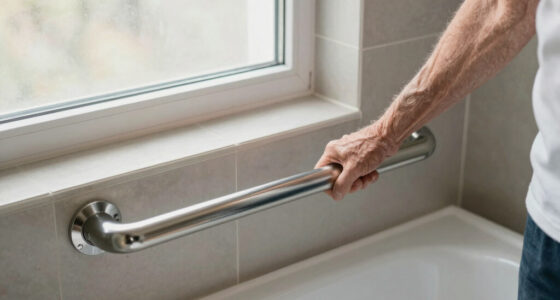
**Screw-mounted grab bars** are fixed into the wall with screws, often into wall studs or with anchors in drywall. They’re like tiny, sturdy sculptures anchoring your safety. Once installed, they stay put, supporting your weight reliably.
The core difference lies in how they secure themselves: suction cups depend on creating a perfect vacuum seal, which can be compromised by surface imperfections or moisture, whereas screw mounts physically anchor into the structure of your wall, providing a more dependable support system. This fundamental distinction impacts safety, especially under heavy loads or in humid environments where seals can weaken.
screw-mounted grab bars for bathroom
As an affiliate, we earn on qualifying purchases.
As an affiliate, we earn on qualifying purchases.
Which Supports More Weight? The Real Difference in Safety for Heavy Support
Screw-mounted grab bars usually support over **300 pounds** when anchored into wall studs, making them ideal for those who need heavy support. They’re designed to handle the force of someone pulling or leaning heavily.
Suction grab bars, on the other hand, generally support around **200 pounds**—but only if the seal remains perfect. Factors like moisture, rough surfaces, or wear can weaken that support.
Understanding these weight capacities is critical because it directly relates to safety. A grab bar that cannot support the weight of a person leaning or pulling could lead to falls or injuries. Therefore, the tradeoff is clear: screw mounts offer higher weight support and stability, making them more suitable for individuals with limited mobility or those who require dependable support during daily activities. Relying solely on suction cups in these cases increases risk, especially if the seal is compromised unexpectedly.
As an affiliate, we earn on qualifying purchases.
Installation Made Easy or a Little Tricky? What You Need to Know
**Suction grab bars** are quick to set up—no tools needed. Just press the suction cups against a smooth surface, lock them in place, and you’re ready. Perfect for temporary needs or renters who can’t make permanent changes.
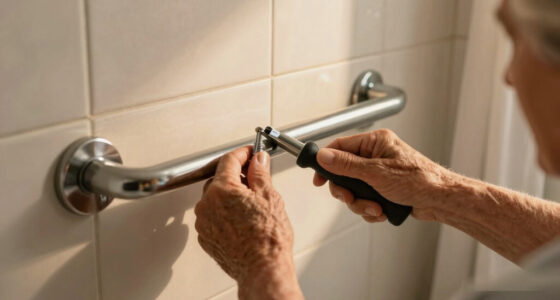
**Screw-mounted grab bars** require a drill, screws, and some DIY skills. For maximum safety, anchoring into wall studs is best. It takes longer and involves more effort, but the result is a sturdy, permanent safety feature.
The choice here often hinges on the user’s circumstances. For renters or those needing a quick fix, suction bars offer convenience, but they sacrifice some stability. Homeowners aiming for long-term safety should invest in proper screw installation, understanding that it’s a more involved process but provides peace of mind knowing the support won’t fail unexpectedly.
As an affiliate, we earn on qualifying purchases.
What Surfaces Do Each Work Best On? Compatibility Matters
Suction grab bars thrive on **smooth, non-porous surfaces** like tiles, glass, or acrylic. They need a flat, clean surface to seal tightly. Any textured or porous surface can cause failures.
Screw-mounted grab bars are versatile. They can be installed on **drywall, tile, concrete, or wood**, provided you use the right anchors. For example, installing into a tiled wall requires a drill and appropriate wall anchors.
Choosing the right support depends on your bathroom’s surfaces. If your tiles are textured or uneven, screw-mounted bars are more reliable because they don’t depend on a seal. Conversely, if your surfaces are smooth and easy to clean, suction bars can be a quick, effective option—assuming regular safety checks are performed.
As an affiliate, we earn on qualifying purchases.
Durability and Maintenance: Which Lasts Longer and Keeps You Safer?
**Suction grab bars** can lose their grip over time. Moisture, dirt, or surface irregularities weaken the seal. Regular checks—every few weeks—are needed to ensure safety. If a seal fails unexpectedly, the bar can detach, leading to a fall. This tradeoff means suction bars are less reliable for everyday support unless monitored closely.
**Screw-mounted grab bars** are built to last. Once installed correctly, they rarely need maintenance. Just occasionally check for loose screws or rust, especially in humid bathrooms. Their durability makes them more suitable for long-term safety, but improper installation can compromise their strength. The key is correct anchoring and periodic inspection to prevent deterioration.
For example, in humid coastal areas, screw mounts resist corrosion better, maintaining stability over years. Suction cups, despite recent tech improvements, still require vigilant maintenance to ensure ongoing safety.
Recent Innovations Keep You Safer and Make Installation Easier
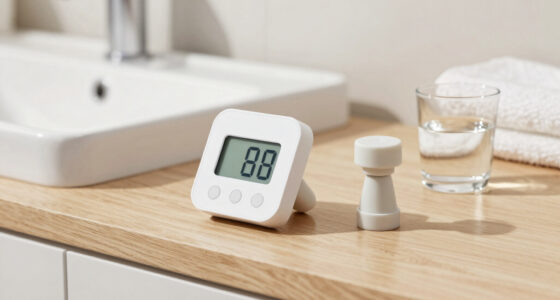
Newer suction grab bars now feature **pressure indicators** or **visual cues** that show when the seal is secure. Some include **built-in vacuum gauges** to prevent accidental slips.
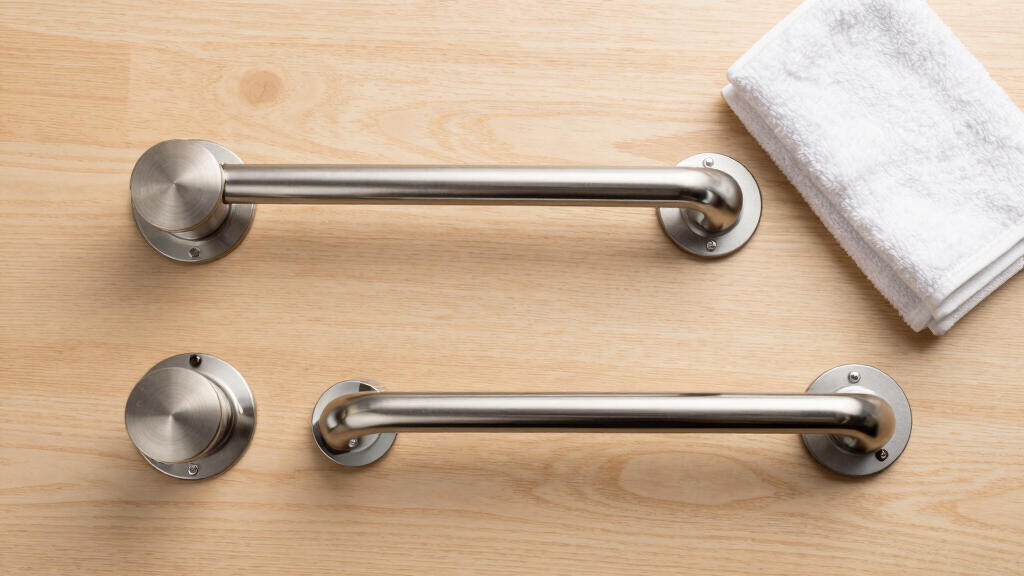
Hybrid models combine **suction and screw** options, giving flexibility for temporary or permanent needs. Material improvements like **stainless steel or corrosion-resistant plastics** extend longevity in humid environments.
Smart sensors alert users if the suction weakens, adding a new layer of safety—especially helpful for seniors or caregivers. These innovations address many of the traditional weaknesses of suction bars, making them more reliable and easier to use correctly.
Quick Tips to Get the Most Out of Your Grab Bar Choice
- Clean surfaces thoroughly before installing suction grab bars. Dirt and soap residue weaken seals.
- Check suction grab bars regularly—press and test before each use.
- Install screw-mounted bars into wall studs for maximum support.
- Use the right anchors if installing into drywall or other non-stud surfaces.
- Follow manufacturer instructions carefully to ensure safety and durability.
Which One Is Safer Long-Term? The Clear Winner for Stability
**Screw-mounted grab bars** are the safer choice for long-term, heavy support needs. When anchored into wall studs, they hold over **300 pounds** and are built for permanent support. Their robust construction means they’re less likely to fail unexpectedly, providing peace of mind for daily support needs.
Suction cups, while convenient, are inherently less reliable for consistent, long-term use. Their support can diminish over time due to surface wear, moisture, or seal degradation, which increases the risk of slips or falls. They are best suited for temporary or occasional support, not for critical safety applications.
Choosing the right type involves weighing the need for reliability versus convenience. For permanent safety, investing in screw-mounted bars ensures stability and reduces risk, especially for vulnerable users relying on consistent support.
What Safety Standards Should You Look For?
Look for grab bars that meet **ADA standards** or other recognized safety certifications. These ensure the product has been tested for strength and durability.
Check manufacturer claims about weight capacity and installation instructions. Always prioritize products rated for **at least 200 pounds** support. Understanding these standards helps you select products that have been independently verified for safety, reducing the risk of failure during use.
For example, a screw-mounted bar labeled with ADA compliance indicates it has undergone rigorous testing for support and installation, giving you confidence in its long-term safety.
Frequently Asked Questions
Are suction grab bars safe for elderly or disabled individuals?
Suction grab bars can be safe if installed correctly and checked regularly. However, screw-mounted bars generally offer more security for those who rely heavily on support daily.
Can suction grab bars be used in showers?
Yes, on smooth, non-porous surfaces like tiles or glass, but always test their grip before each use. Regular checks ensure they remain secure over time.
How do I know if a suction grab bar is securely attached?
Many products include indicators or pressure gauges that show when the seal is strong. Always press and test the bar before relying on it for support.
Can I install screw-mounted grab bars myself?
Yes, with basic tools and some DIY knowledge, but for maximum safety, especially when anchoring into drywall, professional installation is recommended.
Which type is better for long-term use?
Screw-mounted grab bars are typically better for permanent, heavy-duty support. They’re designed to last and support more weight over time.
Conclusion
When it comes to bathroom safety, the best choice depends on your needs and environment. For long-term, heavy-duty support, screw-mounted grab bars are the clear winner. But if you need something temporary or renter-friendly, suction bars can work—if you check them often.
Remember, safety isn’t just about the product; it’s about proper installation and ongoing maintenance. Think about your bathroom’s surfaces, your support needs, and your lifestyle. That way, every step in the shower becomes a confident move, not a risk.
NFL season / tailgating Picks
team gear
As an affiliate, we earn on qualifying purchases.