
TL;DR
Play games included with Prime
Start a Prime free trial and play with Amazon Luna on your devices.
Start playingAs an affiliate, we earn on qualifying purchases.
If you experience persistent pain, sleep issues, or mobility challenges, an adjustable bed might be worth considering. These beds offer personalized comfort and can improve sleep health, especially as you age or deal with health concerns.
Imagine waking up without that familiar ache in your back or feeling refreshed after a night’s sleep. An adjustable bed isn’t just a luxury — for many, it’s a game-changer. If you’re noticing more discomfort, trouble breathing, or difficulty getting in and out of bed, it might be time to consider one.
This guide will walk you through the signs that signal when an adjustable bed could make a real difference — from chronic pain to sleep disturbances. Knowing these signs can help you prioritize your comfort, safety, and overall well-being as you age or face health challenges.
Persistent pain or discomfort often signals it’s time to consider an adjustable bed.
Elevating your head can significantly reduce snoring and improve sleep quality.
Adjustable beds help with mobility issues, making getting in and out safer and easier.
Modern technology offers smart features that enhance comfort and health monitoring.
Investing in a compatible mattress and understanding costs ensures long-term satisfaction.
When Your Bed Stops Supporting the Way You Sleep
TL;DR: If persistent pain, breathing trouble, poor sleep, or mobility challenges are becoming part of your nightly routine, an adjustable bed may be worth considering. The right incline can reduce pressure, support safer movement, and help you wake up with less strain.
Comfort is no longer a luxury signal. It is a health signal.
Adjustable bases let sleepers fine-tune head and leg elevation, often helping with pressure points, reflux, snoring, and getting in and out of bed more comfortably.
Leg elevation can ease lower-back pressure.
Upper-body lift may reduce snoring and reflux.
Typical adjustable base investment range.
Memory foam, hybrid, and latex usually flex well.
Pain, sleep trouble, reflux, mobility, customization.
The clearest signs your current bed may be falling short
These signals do not automatically mean you need a new base, but they are strong prompts to reassess comfort, safety, and sleep quality.
You wake up sore and stay sore
Back, neck, hip, or joint pain that lingers despite pillow changes may point to pressure points. Elevating the head or legs can help redistribute weight and reduce strain.
Your nights feel more interrupted
Snoring, frequent awakenings, sleep apnea symptoms, or restless breathing may improve when the upper body is raised into a more open position.
Getting up takes extra effort
For arthritis, joint stiffness, or limited mobility, a semi-reclined position can make sitting up and exiting bed feel safer and less demanding.
Symptoms worsen after lying flat
Raising the head and shoulders can reduce the chance of stomach acid flowing back and may make nighttime breathing feel easier.
No position feels quite right
If your ideal sleep angle changes from night to night, programmable positions can help tailor support for reading, resting, recovery, or sleep.
You want more control at bedtime
Remote, app, and voice controls can reduce the need for awkward repositioning, making the bed work with your body instead of against it.
A practical decision flow
Use this chain to separate ordinary discomfort from a pattern that deserves a closer look.
Notice
Pain, snoring, reflux, or stiffness appears repeatedly after sleep.
Adjust
Pillows or mattress toppers help only briefly or not at all.
Track
You wake tired, sore, or short of breath several mornings per week.
Test
Incline positions feel better when resting in a recliner or propped up.
Consider
An adjustable base becomes a comfort and safety upgrade, not just a luxury.
Where adjustable positions tend to help most
Different issues call for different angles. Small elevation changes can be surprisingly meaningful when they are repeatable.
Comparison: traditional bed vs adjustable base
Look beyond price alone. The better question is whether the bed supports the health and comfort problems you are actually experiencing.
| Need | Traditional bed | Adjustable bed | Signal to watch |
|---|---|---|---|
| Back or joint pain | ~ Limited position support | ✓ Head and leg elevation options | Morning ache that keeps returning |
| Snoring or breathing | ✗ Flat posture may worsen obstruction | ✓ Upper-body incline can help airflow | More frequent awakenings or partner complaints |
| Reflux | ~ Pillow stacking can slip | ✓ Stable 30-45° elevation | Burning sensation after lying down |
| Mobility | ✗ Requires more core and joint effort | ✓ Semi-reclined exit position | Difficulty sitting up or swinging legs over |
| Customization | ~ Mostly fixed support | ✓ Presets, zones, remotes, apps | No single sleep position feels right |
What is new in adjustable bed technology?
Modern designs are quieter, smarter, and easier to blend into a bedroom than older medical-looking frames.
App and voice settings
Save favorite positions, adjust without reaching, and integrate with smart home routines.
Sleep sensors
Some models track movement, heart rate, and sleep patterns for better nightly awareness.
Quieter motors
Improved mechanisms reduce disruption when changing positions during the night.
Sleeker profiles
Newer frames are built to fit modern bedrooms without looking clinical or bulky.
Cost, mattress fit, and buying confidence
An adjustable bed works best when the base, mattress, and daily use case line up. Compatibility matters as much as features.
Expect a higher upfront cost
Many adjustable beds range from $1,000 to $3,000 or more. The value is strongest when pain relief, safer movement, or better sleep are daily priorities.
Choose flexible materials
Memory foam, hybrid, and latex mattresses usually work best because they bend with the base without fighting the frame.
Verify before you buy
Many existing mattresses can be used, but checking manufacturer guidance helps protect comfort, durability, and warranty coverage.
Frequently asked questions
Short answers to the questions people usually ask before switching from a standard bed.
How do I know if I need one?
If pain, breathing trouble, reflux, mobility challenges, or poor sleep keep recurring, an adjustable bed may be worth exploring.
What conditions may benefit?
Arthritis, joint pain, sleep apnea symptoms, snoring, acid reflux, and general mobility limitations are common reasons people consider one.
Can I use my current mattress?
Often yes, especially if it is foam, hybrid, or latex. Always check the mattress maker’s compatibility guidance first.
Is it a medical treatment?
No. It can support comfort and symptom management, but it should complement medical advice, not replace it.
You Wake Up with Pain That Won’t Quit
Pain in your back, neck, or joints that lingers despite pillow adjustments or different mattresses? That’s a red flag. Adjustable beds allow you to elevate your head or legs, helping relieve pressure and improve circulation. For example, elevating your legs 10-15 degrees can ease pressure on your lower back, often reducing discomfort.
Imagine lying in bed and instantly feeling relief as you raise your head just enough to breathe easier. If persistent pain keeps you awake or wakes you up, an adjustable bed might help find a more comfortable position.
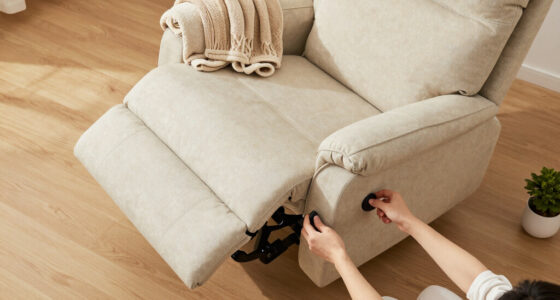
adjustable bed with head and leg elevation
As an affiliate, we earn on qualifying purchases.
As an affiliate, we earn on qualifying purchases.
Your Sleep Gets Worse or You’re Snoring More
Sleep disruptions, snoring, or frequent awakenings? Adjustable beds can help. Elevating the upper body reduces airway obstruction, which can diminish snoring and improve breathing. If you suffer from sleep apnea or acid reflux, raising your head by 30-45 degrees can make a noticeable difference.
For instance, many users report falling asleep faster and waking up feeling more refreshed after adjusting their bed to a more upright position. If sleep quality declines, it’s worth exploring whether an adjustable bed can help restore restful nights.
best adjustable bed for sleep health
As an affiliate, we earn on qualifying purchases.
As an affiliate, we earn on qualifying purchases.
Getting in and Out of Bed Becomes a Challenge
If you find yourself struggling to get in or out of bed, especially after joint issues or arthritis, an adjustable bed can make a difference. Elevating the head or foot of the bed simplifies movement, reducing strain on joints. For example, raising the head to a semi-reclined position can help you sit up comfortably without exerting extra effort.
Imagine easing into a sitting position with just a push of a button instead of struggling to swing your legs over the side. If mobility challenges increase, an adjustable bed offers a safer and more comfortable solution.
adjustable bed for mobility support
As an affiliate, we earn on qualifying purchases.
As an affiliate, we earn on qualifying purchases.
Your Reflux or Breathing Issues Get Worse at Night
Experiencing acid reflux or shortness of breath during sleep? Elevating the upper body can help. Raising the head and shoulders by 30-45 degrees reduces the chance of stomach acid flowing back and eases breathing. For example, many people with GERD find relief simply by adjusting their bed height.
Picture lying back comfortably, with your head slightly elevated, and feeling that burning sensation fade away. If these issues bother you regularly, an adjustable bed can be a practical addition to your sleep routine.
smart adjustable bed with health monitoring
As an affiliate, we earn on qualifying purchases.
As an affiliate, we earn on qualifying purchases.
You Want More Personal Comfort and Customization
Everyone’s perfect sleep position is different. Adjustable beds let you customize your sleeping angle for maximum comfort. Whether you prefer a slight incline or a more upright position, you can tailor it to your needs. For example, some users find that a 20-degree head elevation helps them breathe better and read comfortably in bed.
Think about waking up feeling more rested, simply because your bed supports your unique preferences. If you notice your current bed doesn’t quite hit the mark, an adjustable base could be the answer.
What’s New in Adjustable Bed Technology?
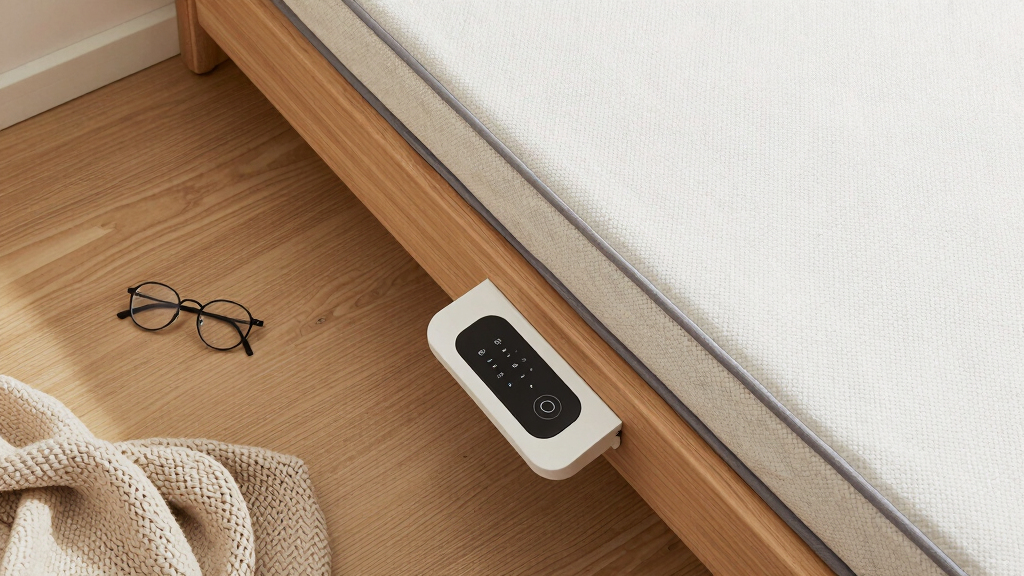
Modern adjustable beds are smarter and sleeker than ever. Many now feature app controls, programmable presets, and integration with smart home systems. Some models include health sensors that track sleep quality, heart rate, and movement — offering insights for better health management.
Imagine setting your preferred position with a tap on your phone or voice command. Plus, newer designs blend seamlessly into bedroom decor, making them both functional and stylish. These innovations make adjustable beds more accessible and appealing for everyone.
Cost and Compatibility — What You Need to Know
Adjustable beds can range from $1,000 to $3,000 or more. While that’s a higher upfront investment than standard beds, many users find the benefits — like pain relief and easier mobility — worth the cost. Choosing the right mattress is essential; memory foam, hybrid, or latex options work best with adjustable bases.
And yes, most existing mattresses can be used with adjustable frames, but it’s wise to verify compatibility. Proper setup ensures durability and comfort for years to come.
How Do You Know It’s Time to Switch?
Persistent pain, sleep trouble, or difficulty moving are clear signs. If your current bed no longer supports your comfort or health needs, it’s time to consider an adjustable model. Think of it as upgrading your comfort and safety — because good sleep isn’t a luxury, it’s a necessity.
For example, if you’re waking up sore or feeling more tired than when you went to bed, an adjustable bed might be the change you need to wake up feeling truly refreshed.
Frequently Asked Questions
How do I know if I need an adjustable bed?
If you wake up with pain, have trouble breathing, struggle to get in or out of bed, or want more personalized comfort, it may be time to consider one. These beds can help alleviate discomfort and support better sleep overall.
What medical conditions can benefit from an adjustable bed?
Conditions like arthritis, sleep apnea, acid reflux, and joint pain often improve with adjustable beds. Elevating your head or legs helps reduce pressure, improve breathing, and ease movement.
Are adjustable beds suitable for all types of mattresses?
Most modern mattresses — especially memory foam, hybrid, or latex — work well with adjustable bases. It’s advisable to verify compatibility before purchasing, ensuring longevity and comfort.
How much do adjustable beds typically cost?
Prices generally range from $1,000 to $3,000 or more. While the initial investment is higher than standard beds, many find the benefits in comfort and health support well worth it.
Can I use my existing mattress with an adjustable base?
Many mattresses are compatible, but it’s best to check manufacturer guidelines. Upgrading to a mattress designed for adjustable frames can maximize comfort and durability.
Conclusion
When your current bed no longer supports your comfort or safety, an adjustable bed offers a simple, effective solution. It’s about reclaiming restful sleep and maintaining independence — no matter your age or health challenges.
Imagine drifting into sleep in a position that feels tailor-made for you, waking refreshed and ready. That’s the promise of an adjustable bed — comfort, safety, and a better night’s sleep, every night.
Fall Picks
fall essentials
As an affiliate, we earn on qualifying purchases.