TL;DR
Listen free for 30 days with Audible
Thousands of audiobooks and originals — cancel anytime.
Start your free trialAs an affiliate, we earn on qualifying purchases.
Pressure-relief mattresses reduce pressure points to prevent skin breakdown while providing comfort. New tech and materials are making them more personalized and effective, but choosing the right one depends on individual needs.
A pressure-relief mattress should contour and support, reducing pressure points without sacrificing comfort.
Recent tech innovations like sensors and cooling gels make mattresses more personalized and comfortable.
Choosing the right mattress depends on individual health risks, preferences, and the level of adjustability needed.
Repositioning and proper maintenance are critical, even with advanced mattresses.
Comfort is subjective but aligning features with personal needs boosts safety and sleep quality.
What Makes a Pressure-Relief Mattress Feel Comfortable?
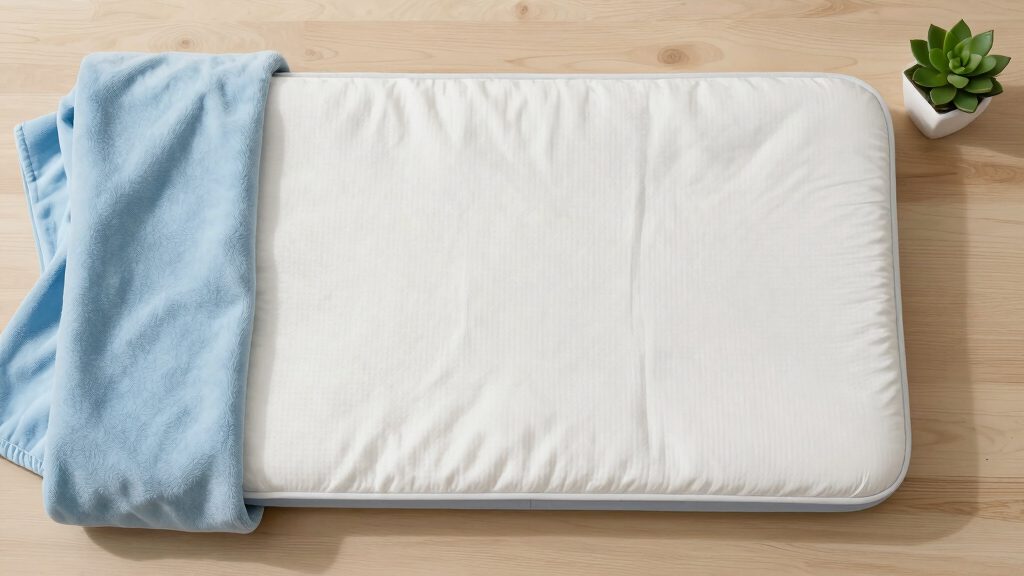
Pressure-relief mattresses are designed to reduce stress on sensitive areas like hips, heels, and sacrum. But comfort isn’t just about pressure redistribution; it’s also about how the material feels against your skin. Think of a memory foam mattress — it contours gently, hugging every curve, and dissipates pressure with a soft, supportive touch. The best models balance firmness and softness, so you don’t sink too deep or feel like you’re lying on a board. A comfortable pressure-relief mattress should feel like a delicate cradle, supporting without constricting.
For example, someone with limited mobility might find a gel-infused memory foam mattress soothing, as it molds to their shape and stays cool. Conversely, a person who prefers a firmer feel might opt for high-density foam with a bit more resistance. The key is matching the material to your body’s needs, ensuring pressure points are cushioned without compromising support. Comfort is subjective, but the goal is to make every night feel like a restful hug around your body.
Understanding how different materials influence comfort helps in making an informed choice. Foam materials offer contouring and pressure relief but can vary in heat retention, which might impact comfort for hot sleepers. Air-based systems provide dynamic support but may feel less “soft” or plush. Hybrid options aim to combine these benefits, but they require balancing complexity and ease of use. Ultimately, the tradeoff is between personalized support and simplicity—consider what matters most for your comfort and safety.
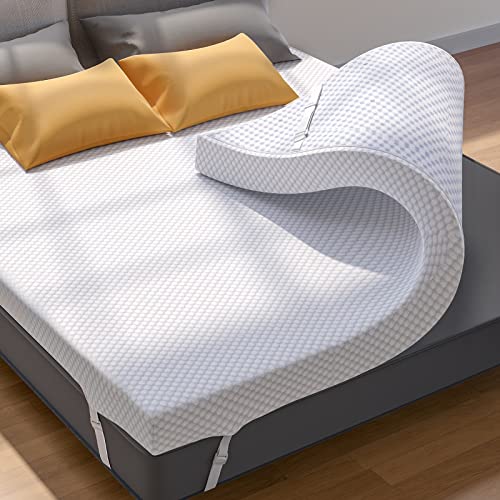
PERLECARE Queen Mattress Topper, 3 Inch Gel Memory Foam Mattress Topper for Pressure Relief, Premium Soft Cooling Sleep, Non-Slip Design with Removable & Washable Cover, Oeko-Tex Certified
- Enhanced Softness and Comfort: Adds softness and support to your mattress
- Breathable Temperature Regulation: Disperses body heat for cooler sleep
- Non-Slip Secure Fit: Includes mesh bottom and elastic straps
As an affiliate, we earn on qualifying purchases.
As an affiliate, we earn on qualifying purchases.
How Do Modern Tech and Materials Make Them More Comfortable?
Recent innovations have transformed pressure-relief mattresses into tailored comfort systems. Smart, connected mattresses now feature sensors that monitor pressure spots and movement — adjusting firmness or alerting caregivers if repositioning is needed. These technologies help prevent skin breakdown by actively responding to the user’s needs, reducing the risk of pressure ulcers. Materials like phase-change gels actively regulate temperature, which is crucial because heat buildup can cause discomfort and skin issues. When the mattress senses hot spots, it can dissipate heat more effectively, promoting better sleep quality and skin health.
Some models incorporate layered foams infused with cooling gels or breathable fabrics, which reduce heat buildup and wick moisture. This not only enhances comfort but also helps prevent sweating and skin maceration, which are common concerns for immobile individuals. According to recent research, these advancements can improve sleep quality by nearly 20% by maintaining a stable, comfortable temperature. AI-driven systems that learn individual preferences over time further personalize support, ensuring the mattress adapts to changing needs and preferences. These technological features are not just luxuries—they are essential tools for promoting safety, comfort, and skin integrity, especially for those at higher risk of skin breakdown or heat sensitivities.

Dreamsmith Queen Mattress Topper, 3 Inch 7-Zone Memory Foam Mattress Topper, Gel Infused Foam Mattress Topper for Pressure Relief, Made with CertiPUR-US® Certified Foam, Oeko-Tex Certified
- 7-Zone Targeted Support: Supports body contact points for comfort
- Cooling Gel Infusion: Disperses heat for breathability
- Medium-Firm Support: Balances comfort and support for restful sleep
As an affiliate, we earn on qualifying purchases.
As an affiliate, we earn on qualifying purchases.
Defining Comfort in Pressure-Relief Support: A Step-by-Step Approach
Understanding what makes a pressure-relief mattress comfortable begins with defining the key aspects of comfort. It involves evaluating how well the mattress supports the body, manages temperature, and distributes pressure evenly. First, assess support: the mattress should cradle bony prominences without causing excessive sinking or pressure. Next, consider temperature regulation: materials that wick moisture and dissipate heat contribute significantly to comfort, especially for those who tend to overheat. Then, look at pressure distribution: a mattress should disperse weight across larger surface areas to prevent localized pressure points.
Applying these principles involves matching the mattress features to individual needs. For example, if someone has fragile skin prone to breakdown, a mattress with advanced pressure redistribution and cooling features is ideal. Conversely, for someone who prefers a more traditional feel, a high-density foam with balanced support can suffice. Regularly reassessing comfort and support levels ensures the mattress continues to meet changing needs. By systematically evaluating these factors—support, temperature, and pressure distribution—you can make informed decisions that enhance safety and comfort.
In conclusion, defining comfort in pressure-relief mattresses requires understanding how these elements work together to create a supportive, cool, and pressure-free environment. Applying this knowledge helps caregivers and users select the most appropriate mattress for a safe and restful sleep experience.
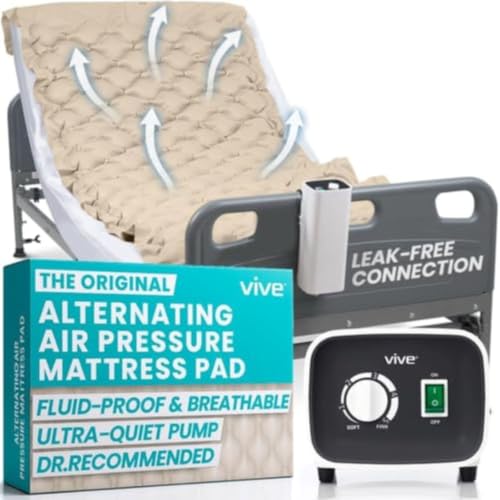
Vive Alternating Air Pressure Mattress Pad – The Original Bed Sore Solution
- Doctor-Recommended Relief: Eases bed sores and ulcers
- 130 Air Cells: Creates even weight distribution
- Wave-Like Therapy: Alternates inflation for pressure relief
As an affiliate, we earn on qualifying purchases.
As an affiliate, we earn on qualifying purchases.
Frequently Asked Questions
How do I know if a pressure-relief mattress is right for my loved one?
Start by assessing their risk factors with a healthcare professional. If they’re bedridden or have limited mobility, a pressure-relief mattress can provide crucial support. Personal comfort preferences and skin health should also guide your choice.Are foam or air-pressure mattresses better for comfort?
It depends on individual needs. Foam mattresses contour gently and offer straightforward support, while air-pressure systems provide dynamic adjustments tailored to pressure points. Both can be comfortable if chosen correctly.Can a pressure-relief mattress completely prevent pressure ulcers?
They significantly lower the risk, especially when combined with regular repositioning and skin care. However, no mattress can eliminate all risk—attention to overall health and movement remains key.How often should I replace a pressure-relief mattress?
Most high-quality models last about 5 to 8 years with proper care. Regular inspections and maintenance help ensure continued performance and safety.Are smart beds worth investing in for safety and comfort?
For those at high risk, smart beds with sensors and automatic adjustments can enhance safety and support. They add a layer of personalized care that can improve sleep quality and skin health.PERLECARE Queen Mattress Topper, 3 Inch Gel Memory Foam Mattress Topper for Pressure Relief, Premium Soft Cooling Sleep, Non-Slip Design with Removable & Washable Cover, Oeko-Tex Certified
- Enhanced Softness and Comfort: Adds softness and support to your mattress
- Breathable Temperature Regulation: Disperses body heat for cooler sleep
- Non-Slip Secure Fit: Includes mesh bottom and elastic straps
As an affiliate, we earn on qualifying purchases.
As an affiliate, we earn on qualifying purchases.
Conclusion
A pressure-relief mattress isn’t just about preventing skin issues — it’s about creating a safe, restful space tailored to your body’s comfort. Investing in the right support can turn nights into true rest, with fewer worries and more relief. Remember, comfort isn’t just feeling good — it’s feeling safe and cared for every night.Back to school Picks
back to school
As an affiliate, we earn on qualifying purchases.