TL;DR
Listen free for 30 days with Audible
Thousands of audiobooks and originals — cancel anytime.
Start your free trialAs an affiliate, we earn on qualifying purchases.
Rising from a chair becomes easier by improving body mechanics, choosing the right furniture, strengthening key muscles, and making simple adjustments around your home. Small changes can reduce strain and boost confidence.
Many people don’t realize how much effort it takes to stand up, especially as we age. A simple task like rising from a chair can become a challenge, but it doesn’t have to be that way. Small tweaks and mindful techniques can make a world of difference.
Whether you’re recovering from injury, managing arthritis, or just want to stay independent longer, knowing how to stand up safely and easily is key. In this guide, you’ll discover practical tips, the best furniture choices, and exercises to help you stand with confidence.
Use proper body mechanics—lean forward, push through your heels, and engage your thigh muscles.
Choose chairs with the right height and armrests to leverage support when rising.
Strengthen leg and core muscles with simple exercises like sit-to-stand reps.
Add grab bars and support tools around your home for extra stability and safety.
Consult healthcare professionals if pain, weakness, or dizziness persist when trying to stand.
How to Rise From a Chair More Easily
Small changes can reduce strain and build confidence. Better body mechanics, supportive furniture, stronger legs and a safer setup turn standing into a smoother, more controlled movement.
Set yourself up before you stand
The secret is moving your center of gravity over your feet. Think “nose over toes,” then let your legs—not your back—create the upward force.
Plant your feet
Keep both feet flat, about shoulder-width apart. Slide them slightly back so your heels sit beneath or just behind your knees.
Move to the edge
Shuffle forward until your hips are near the front of the seat. This shortens the distance your body must travel.
Lean from the hips
Bring your chest toward your knees while keeping your spine long. This shifts your weight over your base of support.
Press and straighten
Push through your heels, engage your thighs and use the armrests if needed. Pause upright before taking a step.
Make the furniture work for you
A low, deep or soft seat increases the distance and force required to stand. A firm, correctly sized chair provides a more dependable platform.
Chair comparison
Look for a setup that keeps your knees roughly level with your hips and gives your hands a stable place to press.
| Feature | Harder setup | Better setup |
|---|---|---|
| Seat height | ~ Knees above hips | ✓ Knees level with hips |
| Seat surface | × Deep or sagging | ✓ Firm and supportive |
| Arm support | × None or unstable | ✓ Strong armrests |
| Floor area | × Cluttered or slippery | ✓ Clear and secure |
Fast home upgrades
Start with simple, stable modifications before considering powered equipment.
Train the movement you use
Sit-to-stand practice strengthens the legs and trunk through the exact pattern needed for daily mobility. Begin with a stable chair and controlled repetitions.
Sit-to-stand practice
Scoot forward, plant your feet, lean from the hips and rise. Lower yourself slowly rather than dropping into the seat. Use armrests as needed.
Muscles behind the motion
Choose help that matches the challenge
Assistive tools can act as safety anchors, but they must be correctly chosen, positioned and fitted. Avoid pulling on walkers or furniture that can tip.
Grab bars and handrails
Provide a fixed handhold near a favorite chair or bed. Correct installation matters: decorative towel rails are not designed to support body weight.
Canes and transfer aids
Can support balance after you are upright. A physical or occupational therapist can recommend safe sizing and technique.
Lift chairs and sensors
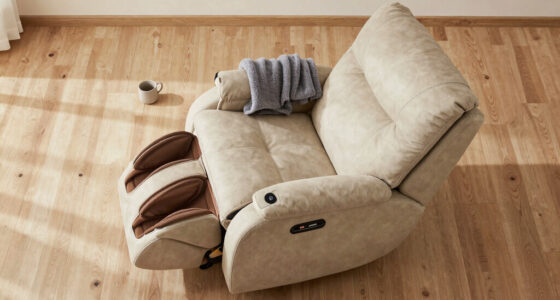
Powered seats reduce lifting effort, while wearable sensors and mobility apps can provide feedback on form, fatigue and movement patterns.
Pain, weakness or dizziness deserves attention
Persistent difficulty may reflect joint inflammation, muscle weakness, balance problems, medication effects or blood-pressure changes. Do not push through warning signs.
Common questions
Use these practical starting points, then adapt the movement to your comfort, health and professional guidance.
What if I have knee or hip pain?
Use a higher, firmer chair, lean forward from the hips and press through your legs gently. Armrests can reduce the demand on painful joints.
Can exercise really make standing easier?
Yes. Sit-to-stand repetitions, leg lifts, standing marches and appropriate core work can improve the strength and control used in the movement.
How do I manage a low, soft chair?
Switch to a firmer, higher chair when possible. A stable, secured seat raiser may help; avoid loose cushions that shift beneath you.
Why Proper Body Mechanics Make Standing Easier
Proper technique is the secret to standing up without straining your back or knees. Leaning forward slightly from your hips shifts your center of gravity, making it easier to push yourself up using your leg muscles.
For example, before rising, gently tilt your pelvis forward so your chest leans toward your knees. Push through your heels, engaging your thigh muscles—this reduces pressure on your joints and back. Keep your feet flat, shoulder-width apart for stability.
Think of it like preparing to jump—your body needs to be in the right position first. Practicing this technique can turn a difficult process into a smooth, almost effortless motion.
As an affiliate, we earn on qualifying purchases.
Choose the Right Chair and Setup for Easier Standing
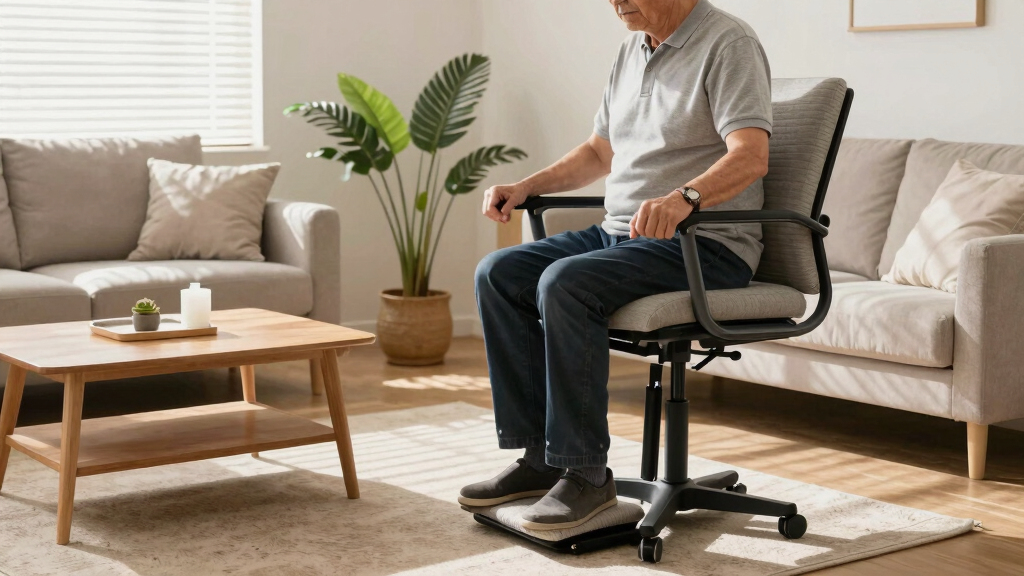
The chair you sit in can make a big difference. Chairs that are too low or soft force you to work harder to stand. Ideally, your knees should be roughly level with your hips when seated.
Look for chairs with armrests—they act like leverage points. When you push up, gripping the armrests helps you use your upper body strength, reducing load on your legs.
Make sure there’s enough space around your chair to move freely. Clearing clutter and adding a sturdy grab bar nearby can provide extra support when needed.
For example, consider replacing a soft sofa with a firm armchair at the right height. It’s like giving yourself a sturdy stepping stone for easier standing.
As an affiliate, we earn on qualifying purchases.
Strengthen Key Muscles to Stand Up More Easily
Building strength in your legs and core can drastically improve your ability to rise from a chair. Leg muscles like quadriceps and hamstrings are your main power sources, providing the force needed to lift your body weight.
Imagine sitting in a chair and doing 10 repetitions of a simple sit-to-stand exercise—this is a great way to train those muscles. Over time, this not only makes standing feel smoother but also reduces fatigue and the risk of falls caused by muscle weakness.
Core exercises, like gentle sit-ups or standing marches, help stabilize your trunk, giving you better control and balance. When your core is strong, it acts as a foundation for safe movement, reducing the likelihood of losing balance or experiencing strain.
A real-world example: someone with weak knees starts doing chair squats five times a week, noticing how much easier it becomes to stand up without pain or hesitation. This demonstrates how targeted strength training directly impacts daily mobility, offering both safety and independence.
height adjustable chair for seniors
As an affiliate, we earn on qualifying purchases.
As an affiliate, we earn on qualifying purchases.
Simple Modifications and Assistive Devices That Help
Adding support tools around your home can dramatically reduce effort and risk. Installing grab bars near your chair or bed provides a reliable handhold, which can be the difference between a safe stand and a fall.
Using a transfer aid or cane can help if your strength or balance isn’t perfect. These tools act like safety anchors, giving you confidence to stand without fear of falling. They also distribute your weight more evenly, reducing strain on sensitive joints.
For example, a caregiver installs a sturdy grab bar on the wall beside a favorite armchair. When rising, the person grips it firmly, easing the motion and preventing slips. This simple addition enhances safety and can be used repeatedly, encouraging independence.
Remember: small modifications often make the biggest difference in daily safety and independence. They can be cost-effective solutions that empower you to move confidently and reduce anxiety about falls.
As an affiliate, we earn on qualifying purchases.
Addressing Common Challenges: Pain, Weakness, and Dizziness
If you experience pain, weakness, or dizziness when trying to stand, it’s a sign to modify your approach and seek help. These symptoms often indicate underlying issues that need attention, and ignoring them can lead to falls or injury.
Understanding why these issues occur helps you manage them more effectively. For instance, pain might be due to joint inflammation or nerve issues, which can limit your ability to push yourself up comfortably. Weakness can stem from muscle disuse or neurological conditions, making each movement more challenging. Dizziness may be caused by blood pressure fluctuations or medication side effects, which require medical assessment.
Addressing these underlying causes with healthcare support isn’t just about easing the act of standing; it’s about reducing your overall fall risk and maintaining independence. Tailored interventions like physical therapy, medication adjustments, or balance training can significantly improve your safety and confidence.
For example, a person with arthritis might find that using a cushioned seat or taking breaks reduces joint pain, enabling more comfortable standing. If dizziness is frequent, a healthcare provider can recommend strategies like hydration or medication review to stabilize your blood pressure, making standing safer and less disorienting.
Latest Tools and Tips for Making Standing Easier
New ergonomic chairs and assistive devices are designed to help you stand more effortlessly. Some chairs now feature built-in lift mechanisms that gently assist you in rising, reducing the effort and strain involved.
Exercise programs like chair yoga or gentle strength routines specifically target mobility and balance, which are essential for safe standing. An anonymous researcher notes that consistent training can cut fall risk by nearly a third, emphasizing the importance of regular activity.
Tech innovations include wearable sensors that monitor your movement patterns and give real-time feedback, helping you improve your technique safely. These devices can alert you to improper form or fatigue, preventing injury before it occurs.
Combining these tools with environmental tweaks creates a safer, easier way to stand up—and stay active longer. Embracing new technology and methods can empower you to maintain independence and reduce fall risk effectively.
Frequently Asked Questions
What is the best way to stand up if I have knee pain?
Lean slightly forward from your hips, place your hands on armrests or thighs, and push through your legs gently. This minimizes joint strain and makes standing easier.
Can exercises really help me stand up more easily?
Yes, exercises like sit-to-stand repetitions, leg lifts, and core routines strengthen the muscles you use to rise, making each attempt smoother and less tiring.
What if I feel dizzy or unsteady when I stand?
Take your time—sit back down if needed, rest, and try again slowly. Consulting a healthcare professional can help identify underlying causes and recommend safe strategies.
Are there specific chairs or modifications that can help me?
Yes, chairs with adjustable height, armrests, and sturdy support features make standing easier. Installing grab bars nearby adds extra safety and leverage.
When should I see a doctor about difficulty rising?
If you experience persistent pain, dizziness, weakness, or balance issues, it’s best to consult a healthcare provider for an assessment and personalized advice.
Conclusion
Rising from a chair doesn’t have to be a struggle. With the right technique, supportive furniture, and a little strength work, you can stand up with confidence and ease. Every small step toward better mobility adds up—making daily life safer and more comfortable.
Think of it like giving yourself a stronger foundation—so every time you get up, you do it with purpose and security. Why not start today? Your independence depends on it.
NFL season / tailgating Picks
team gear
As an affiliate, we earn on qualifying purchases.