
TL;DR
Listen free for 30 days with Audible
Thousands of audiobooks and originals — cancel anytime.
Start your free trialAs an affiliate, we earn on qualifying purchases.
Finding a comfortable recliner for small spaces means balancing compact size with features that offer support and ease of use. Modern designs like wall-hugger models maximize limited room without sacrificing comfort, making your space feel welcoming and functional.
Always measure your space carefully — include clearance for recline and movement.
Wall-hugger recliners are your best friend in tiny rooms, requiring minimal space to fully recline.
Prioritize comfort features like adjustable headrests and lumbar support, even in small models.
Compare size and clearance specs before buying to avoid disappointment.
Choose materials that are easy to clean and durable for long-term comfort.
How to Choose a Comfortable Recliner for Small Spaces
TL;DR: The right small-space recliner balances compact dimensions with real support. Measure first, prioritize wall-hugger clearance, and look for comfort features that make the chair feel generous without taking over the room.
Modern wall-hugger models can recline fully with only a few inches behind the chair.
A slim profile keeps walkways usable in apartments, studios, and tight corners.
Choose the chair that fits the room while supporting your neck, back, and legs.
Record width, depth, height, and recline clearance before shopping.
Standard recliners often need far more room behind the back.
Headrest, lumbar support, and footrest extension matter most.
Choose stain-resistant fabric or leather for low-maintenance comfort.
Fit is comfort before you even sit down.
Think of the recliner like a chair that needs room to move. If the footprint is perfect but the recline path blocks a walkway, the room will feel cramped fast.
Measure the chair zone, not just the chair.
Include the available width, the depth when upright, the depth when reclined, and a few inches for natural movement around the chair.
Compare specs before you fall for the fabric.
A 35-inch chair will not behave nicely in a 30-inch opening. Product dimensions, reclined depth, and wall clearance should decide the shortlist before color or upholstery.
Width
Match the chair body to the available side-to-side space.
Depth
Check upright depth and fully reclined depth.
Clearance
Leave 4-6 inches for wall-hugger movement.
Path
Keep doors, tables, and walking routes open.
Wall-hugger recliners are built for tight rooms.
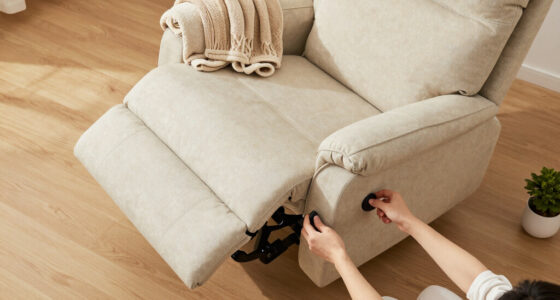
Instead of leaning far backward, a wall-hugger mechanism shifts the seat forward as it reclines. That means more relaxation and less wasted floor space.
Minimal rear clearance
Look for models that recline with 4-6 inches behind the chair, especially in studios, bedrooms, and compact living rooms.
Manual or power?
Manual recliners are often slimmer and budget-friendly. Power models are smoother but may need more bulk and outlet planning.
Protect the walkway
A compact recliner should make the room feel more usable, not force side tables, lamps, or foot traffic into awkward positions.
Key insight
Wall-hugger recliners can recline fully with as little as 4 inches of clearance, making them ideal when every inch matters.
Compact does not have to mean uncomfortable.
The best small recliner earns its footprint. Use the comparison below to spot where compact models save room and where standard models may offer extra plushness.
| Feature | Small Space Recliner | Standard Recliner | Small-Room Verdict |
|---|---|---|---|
| Width | 25-30 inches | 35-40 inches+ | ✓ Compact frame protects floor space |
| Reclining Clearance | 4-6 inches for wall-hugger models | 12-18 inches for many traditional models | ✓ Wall-hugger is the smart pick |
| Weight | Often lighter and easier to move | Heavier and less portable | ✓ Easier to adjust in tight layouts |
| Padding | Supportive but sometimes slimmer | Usually deeper and plusher | ~ Test comfort before buying |
| Room Impact | Space-saving, multifunctional | Comfort-first, larger footprint | ✗ Oversized models can crowd the room |
Prioritize the features your body will notice.
A small recliner should feel intentional in the room. Slim arms, neutral upholstery, and ergonomic support can make a compact chair look calm and feel generous.
Adjustable headrest
Helpful for reading, TV watching, and long lounging sessions where smaller chairs can otherwise feel low-backed.
Lumbar cushioning
Supports posture and helps prevent lower-back fatigue, especially if the recliner becomes your everyday seat.
Footrest extension
Supports your legs more fully, improves relaxation, and makes a compact recline feel less like a compromise.
Small-space buying spectrum
Can a small recliner still look stylish?
Yes. Choose sleek lines, slim arms, and neutral fabrics such as gray microfiber, leather, or textured performance upholstery.
How do you keep it clean?
Pick stain-resistant fabric or leather, vacuum regularly, and use manufacturer-approved upholstery cleaner when spills happen.
From tight corner to comfortable landing spot.
Use this chain as a quick pre-purchase checklist before adding a recliner to your cart.
Width, depth, height, and recline path.
Prefer wall-hugger for tiny rooms.
Headrest, lumbar, and footrest.
Durable, breathable, easy to clean.
Slim profile that fits your decor.
How to Measure Your Space So You Pick the Right Recliner
Before shopping, get your tape measure out. Measure the area where you plan to place your recliner, including height, width, and especially the clearance needed when reclined. For example, if your space is only 30 inches wide, no point choosing a 35-inch-wide chair.
Leave at least 4-6 inches of clearance behind the chair for recline movement. Think of it like a parking spot—your recliner needs room to ‘drive’ back comfortably.
Pro tip: Record these measurements and always check the product specs. Better to measure twice now than return a chair later.
As an affiliate, we earn on qualifying purchases.
What Is a Wall-Hugger Recliner and Why You Need One
A wall-hugger recliner is a space-saving marvel. It reclines with only 4-6 inches of clearance from the wall, unlike traditional models that may need 12-18 inches. This feature is crucial because it allows you to maximize your small room’s usable space. Without it, you might find yourself needing to pull the chair far away from the wall to fully recline, which can make a tiny room feel even more cramped.
This mechanism works by a special track or design that shifts the seat forward as it reclines, so you don’t need to pull the chair away from the wall. It’s like the recliner is hugging the wall—saving precious space and preventing obstruction of walkways or other furniture.
According to furniture experts, wall-hugger models are a game-changer for small rooms because they free up space for other furniture or walking paths. Choosing this feature means your room can feel more open and less cluttered, which is vital for small spaces where every inch counts.
As an affiliate, we earn on qualifying purchases.
The 3 Best Features for Comfort in Small Recliners
Comfort isn’t just about size; it’s about how well the chair supports your body during extended use. The right features can transform a small recliner from merely space-efficient to truly cozy. Adjustable headrests, for example, support your neck and head, reducing strain during long reading sessions or TV watching, which is essential because smaller chairs often compromise on neck support. Lumbar support cushions your lower back, helping to maintain proper posture and prevent discomfort or pain over time—especially important if you plan to sit for long periods. A footrest extension ensures your legs are supported, which can improve circulation and reduce fatigue, making the recline more relaxing and less stressful on your joints.
Imagine a compact recliner with a plush, adjustable headrest that cradles your neck, a gentle lumbar cushion that supports your lower back, and a smoothly extending footrest. These features work together to create a personalized comfort zone, even within a tight space. Prioritizing these features means you won’t have to sacrifice support for size, and your small space can still be a haven of relaxation.
As an affiliate, we earn on qualifying purchases.
Comparison Table: Compact Recliners vs. Standard Models
| Feature | Small Space Recliner | Standard Recliner |
|---|---|---|
| Width | 25-30 inches | 35-40 inches+ |
| Reclining Clearance | 4-6 inches | 12-18 inches |
| Weight | Lightweight, easy to move | Heavier, less portable |
| Design Focus | Space-saving, multifunctional | Comfort-first, larger size |
This table highlights how small-space recliners pack features into a tighter frame—perfect if room is tight but comfort matters. Remember, the key tradeoff is often in the size—compact models may have fewer padding options or simpler mechanisms, but they excel at saving space. Conversely, larger models may offer more plushness but at the cost of occupying more room. Understanding these tradeoffs helps you prioritize what matters most for your lifestyle and space constraints.
recliner with lumbar support for small spaces
As an affiliate, we earn on qualifying purchases.
As an affiliate, we earn on qualifying purchases.
How to Pick a Recliner That Fits Your Style and Needs
Choosing comfort doesn’t mean sacrificing style. Look for sleek lines, neutral colors, and fabrics that match your decor. For example, a dark gray microfiber recliner with a slim profile can blend into a modern apartment easily.
Think about how you’ll use the chair: Will it be mainly for reading, watching TV, or napping? For a cozy spot, opt for plush padding and lumbar support. For quick naps, a slightly reclined position might be enough. Keep in mind that selecting a style that complements your decor enhances the overall look of your small space, making it feel intentional rather than cramped. The right aesthetic can make your tiny room feel more open and inviting, turning a functional piece into a focal point of your decor.
Remember, a small space doesn’t have to feel cramped. The right design can make your room feel open and inviting.
Easy Tips to Keep Your Small Recliner Comfortable and Clean
Maintenance is simple if you choose the right materials. Opt for stain-resistant fabrics or leather, which are easier to wipe clean and maintain over time. Regularly vacuum or brush the fabric to remove dust and debris, especially if you have pets, as small spaces can trap pet hair and dander more easily. Using protective covers or throws not only prolongs the life of your recliner but also makes cleaning easier. For added comfort, add a small throw pillow or a cozy blanket—these can be swapped seasonally and help personalize your space. Pro tip: Keep a can of upholstery cleaner handy, and follow manufacturer instructions to preserve your recliner’s look and feel over time. Proper maintenance ensures your small recliner remains a comfortable, attractive part of your home for years to come.
Frequently Asked Questions
How do I know if a recliner will fit in my small space?
Start by measuring your available area, including the space needed for recline. Look for models with clear specifications on width and recline clearance—many small-space recliners need only 4-6 inches of room behind them.Are wall-hugger recliners comfortable for long-term use?
Yes, many wall-hugger models are designed with ergonomic features like cushioned supports, adjustable headrests, and lumbar support. Test for comfort by sitting in similar chairs at furniture stores before buying.Can I find a stylish recliner that doesn’t look bulky?
Absolutely. Modern small-space recliners come in sleek, minimalist styles with neutral colors and slim profiles that blend seamlessly into any decor, making your room look open and inviting.Is a power recliner better for small spaces?
Power recliners offer smooth, effortless adjustment, but they are often bulkier and more expensive. Manual wall-hugger models can provide space-saving benefits without sacrificing comfort.How should I clean and maintain my small recliner?
Choose stain-resistant fabrics or leather for easy cleaning. Regular vacuuming and wiping with a damp cloth will keep it looking fresh. Follow manufacturer instructions for deeper cleaning or fabric care.Conclusion
A small-space recliner doesn’t have to compromise on comfort or style. With the right measurements, features, and design, you can create a cozy spot that feels spacious and inviting. Remember, the key is finding a model that hugs your room, not your budget or your comfort expectations. Your perfect little recliner awaits—just measure, compare, and sit back.NFL season / tailgating Picks
team gear
As an affiliate, we earn on qualifying purchases.