TL;DR
Listen free for 30 days with Audible
Thousands of audiobooks and originals — cancel anytime.
Start your free trialAs an affiliate, we earn on qualifying purchases.
A thoughtfully arranged bedroom with optimal lighting, organization, and sleep-friendly features can significantly improve your mornings. Smart devices and natural cues help you wake gently and start your day with less stress.
When your alarm rings, do you feel ready to face the day? Or does the thought of rushing through a cluttered, poorly lit room make mornings feel overwhelming? The truth is, your bedroom plays a huge role in how smoothly you start each day. Small tweaks can turn a chaotic morning into a calm, energized one.
In this guide, you’ll learn how to set up your bedroom to make waking up easier. From optimizing your sleep environment to using gentle lighting and smart tech, these practical tips help you start each day with less stress and more control.
Optimize your sleep environment with a comfortable mattress, blackout curtains, and cool temperatures to improve rest and morning alertness.
Declutter and organize your bedroom to minimize stress and save time during busy mornings.
Use gradual, calming lighting or smart bulbs to wake up gently instead of startling your body awake.
Leverage smart technology like sleep trackers and automated lighting to create a seamless, less stressful wake-up experience.
Prepare the night before by laying out clothes, setting alarms, and organizing essentials to start mornings with confidence.
Setting Up a Bedroom for Easier Mornings
Optimal lighting, smart organization, and sleep-friendly features can significantly improve how you wake up. Small, practical tweaks turn a chaotic morning into a calm, energized one.
Create a Sleep Sanctuary That Promotes Rest
Think of your bedroom as a cocoon — cozy, dark, and cool. Sleep quality directly impacts how refreshed and alert you feel when the alarm rings.
Mattress & Pillows
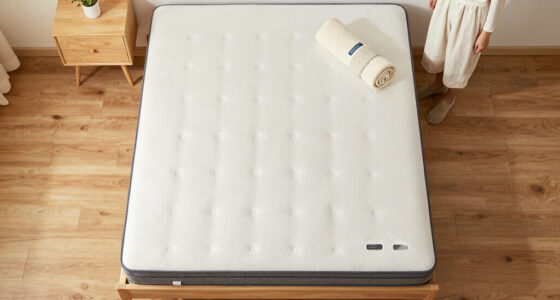
A medium-firm mattress with memory foam cradles your body and reduces aches. Neck-supporting pillows help you settle into deeper rest.
Blackout Curtains
Block streetlights and early dawn with blackout curtains or a sleep mask. Nighttime darkness signals your body to produce melatonin.
Noise Control
Soundproofing, white noise machines, or earplugs drown out traffic and household sounds for peaceful, uninterrupted sleep.
Keep your room around 60–67°F (15–19°C). Coolness helps you fall asleep faster and stay asleep longer — so you wake less groggy and more alert.
Cut Your Morning Routine in Half
A tidy space reduces decision fatigue. When your environment is streamlined, your mind isn’t overwhelmed by chaos — mornings become focused, not frantic.
Markers shown compare a decluttered, pre-prepared bedroom versus a cluttered one. Assigning specific spots for glasses, phone, and medications makes retrieval automatic — reducing the mental load of searching and rushing.
Wake Gently, Not Jolted Awake
Bright, harsh lights trigger a stress response. A gradual, sunrise-like transition lets your hormonal and circadian systems activate smoothly.
Evening Dim
Warm, low lighting before bed supports natural melatonin production.
Dawn Simulation
Smart bulbs begin brightening 15 minutes before your wake time.
Gradual Warmth
Intensity and warmth increase, mimicking a natural sunrise.
Cortisol Rise
Your body produces cortisol naturally — alert, not startled.
Daylight Boost
Automated blinds open; natural light regulates your internal clock.
Gadgets That Make Mornings Less Stressful
Technology tailored to your biological rhythms makes waking feel like a natural progression — not a jarring transition. Start with one or two devices and expand gradually.
Smart alarms can sense lighter sleep phases and wake you up to 15 minutes early — reducing grogginess. Integrated systems can even start your coffee as your lights brighten.
Bedroom Setup: Before vs. After
What changes when you optimize lighting, organization, and technology? A side-by-side look at the morning experience.
| Factor | Cluttered Setup | Optimized Setup | Morning Impact |
|---|---|---|---|
| Lighting | ~ Harsh overhead blast | ✓ Gradual sunrise simulation | Lower cortisol spike, less grogginess |
| Organization | ~ Frantic search for essentials | ✓ Assigned spots, night-before prep | Minutes saved, clear mind |
| Temperature | ~ Too warm or inconsistent | ✓ 60–67°F, automated control | Deeper sleep, easier waking |
| Alarm Style | ~ Jarring tone at fixed time | ✓ Sleep-cycle-aware smart alarm | Wakes in light sleep phase |
| Darkness | ~ Streetlight leakage | ✓ Blackout curtains | Better melatonin, real rest |
Prepare Tonight, Win Tomorrow Morning
Every step you take in the evening compounds into a smoother, calmer start the next day.
Dim & Unwind
Warm low light, relaxing pre-sleep routine, consistent bedtime.
Lay Out Clothes
Outfit, accessories, and bag packed — zero morning decisions.
Set Smart Alarm
Place it across the room; sync with your sleep cycles.
Automate Morning
Program lights, blinds, and coffee to start on schedule.
Wake Refreshed
Gentle light, calm room, clear plan — a confident start.
Create a Sleep Sanctuary That Actually Promotes Rest
Your first step is ensuring your bedroom is a true sanctuary for sleep. Think of it as a cocoon — cozy, dark, and cool. A comfortable mattress and pillows make all the difference. For example, a medium-firm mattress with memory foam can cradle your body, reducing aches that might wake you at night. Pair that with pillows that support your neck, and you’ll settle into a deeper rest.
Darkness is key. Use blackout curtains or a sleep mask to block out streetlights or early dawn. Light exposure in the early morning helps regulate your internal clock, but at night, darkness signals your body to produce melatonin. Temperature matters too; keep your room around 60-67°F (15-19°C) for the perfect sleep climate. This coolness helps you fall asleep faster and stay asleep longer.
Quiet is often overlooked. Consider soundproofing, white noise machines, or earplugs to drown out traffic or household sounds. These small changes create a peaceful environment that primes you for restful sleep, making mornings less groggy and more manageable.
Why does this matter? Because sleep quality directly impacts how refreshed and alert you feel in the morning. Poor sleep can lead to sluggishness, irritability, and difficulty focusing, which can cascade into a stressful day. Conversely, a well-rested body wakes more easily and starts the day with a sense of readiness. The tradeoff is often between investing effort into creating a restful environment versus dealing with the consequences of sleep deprivation. Prioritizing sleep hygiene, therefore, pays dividends in your overall morning experience.
As an affiliate, we earn on qualifying purchases.
Organize Your Bedroom to Cut Morning Routines in Half
A cluttered bedroom can turn mornings into a frantic search for keys, glasses, or that favorite sweater. But beyond just saving time, organization influences your mental state. A tidy space reduces decision fatigue—when your environment is streamlined, your mind isn’t overwhelmed by chaos, allowing you to focus on more important decisions for the day ahead.
Use organized drawers, shelves, and small containers to store everything from socks to medications. Assigning specific spots for essentials—like your glasses, phone, or morning medications—creates habits that make retrieval automatic, reducing the mental load of searching and rushing. Prepping the night before, such as laying out your outfit or packing your bag, minimizes morning decision-making and helps you start the day with a sense of control.
This level of organization also impacts emotional well-being. A calm, orderly environment fosters relaxation and reduces anxiety, making waking up less stressful. The tradeoff is investing time upfront to declutter and maintain order, but this small effort yields significant benefits in morning efficiency and mental clarity. Over time, organizing your space becomes a habit that supports a smoother, less frantic start to each day.
Why is this important? Because a well-organized bedroom not only minimizes morning chaos but also sets a tone of calm and readiness for the day. An uncluttered space helps you wake up with a clear mind, reducing the likelihood of feeling overwhelmed or rushed. The investment in organization pays off by transforming your mornings from frantic to focused and peaceful.
As an affiliate, we earn on qualifying purchases.
Use Lighting That Wakes You Gently, Not Jolts You Awake
Lighting can be a powerful tool for easing into the day. Bright, harsh lights jolt you awake suddenly, leaving you groggy. Instead, opt for gradually brightening lights or smart bulbs that mimic sunrise. For example, a bedside lamp that slowly increases brightness over 15 minutes creates a natural wake-up call.
Smart lighting systems can be programmed to turn on at a set time, increasing in warmth and intensity. This gentle transition helps your body produce cortisol naturally, making you feel more alert and less startled. If you prefer natural light, try placing your bed near windows and opening blinds as part of your morning routine.
Why is this important? Because abrupt lighting can trigger a stress response, making you feel disoriented or irritated upon waking. Gentle, naturalistic lighting signals your body that it’s time to wake up gradually, allowing your hormonal and circadian systems to activate smoothly. The tradeoff is that investing in smart lighting or adjusting your window treatments might require initial effort or expense, but the payoff is a more peaceful, less stressful awakening each morning.
Practical solutions include:
- Smart bulbs with sunrise simulation features
- Adjustable bedside lamps with dimmers
- Automated window blinds that open gradually
By waking to soft, natural light or mimicking it, you’ll start each day feeling more refreshed and ready to go, with a lower cortisol spike and less morning grogginess.
As an affiliate, we earn on qualifying purchases.
Tech and Gadgets That Make Mornings Less Stressful
Technology isn’t just for entertainment — it can help you wake up feeling better. Smart sleep trackers monitor your sleep cycles, providing insights into your rest quality. Knowing if you woke up during deep sleep or light sleep helps you plan your mornings better.
Smart alarm clocks that sync with your sleep patterns can wake you during lighter sleep phases. For example, a device that senses your sleep cycle might wake you 15 minutes before your set time, reducing grogginess. Automated blinds and room temperature controls can also prepare your environment for waking — a room that’s just the right temperature and brightness feels welcoming, not jarring.
Apps that analyze your sleep and suggest routines can help you adjust habits. For example, they might recommend a consistent bedtime or relaxing pre-sleep activities. Smart home integration creates a seamless morning; your coffee can start brewing as your lights brighten.
Why does this matter? Because technology can tailor your waking experience to your biological rhythms, making mornings feel less like a jarring transition and more like a natural progression. The tradeoff is the initial investment and learning curve, but the benefits include more restful sleep and a smoother wake-up process. Over time, these devices can help establish routines that reduce morning stress and improve overall well-being.
Start with one or two devices, observe how they influence your mornings, and expand gradually. The goal is to create an environment that supports your natural sleep-wake cycle, rather than fighting against it.
smart LED bulbs for sunrise simulation
As an affiliate, we earn on qualifying purchases.
As an affiliate, we earn on qualifying purchases.
Recent Tech Trends Making Mornings Easier Than Ever
Smart bedroom technology is evolving fast. IoT devices like smart blinds, thermostats, and wake-up lights now work together to create a synchronized morning experience. For example, a system might open your blinds, adjust the temperature, and turn on gentle lighting—all at once.
New circadian rhythm lighting systems that mimic natural sunlight are becoming more affordable. They help regulate your internal clock, making mornings more natural and less jarring. Sleep optimization apps analyze your sleep data over time, offering personalized recommendations for better rest and easier mornings.
Eco-friendly, sustainable materials are also gaining popularity. Bedding made from organic cotton or bamboo not only feels good but also supports overall well-being. Combining these trends creates a bedroom that promotes restful sleep and gentle wakefulness, turning mornings from a rush into a calm start.
Understanding these technological advances is crucial because they reflect a broader shift toward personalized, health-oriented sleep environments. The implication is that future bedrooms will become more integrated and adaptable to individual needs, making mornings not only easier but also healthier. The tradeoff may involve higher costs or reliance on technology, but the potential for improved sleep quality makes it a worthwhile investment for many.
Quick Tips for a Night Before That Sets Up Your Morning Success
Small habits before bed can set the tone for a smooth morning. Here are some proven tips:
- Lay out your clothes and essentials for the next day.
- Set your alarm and place it across the room to encourage getting out of bed.
- Prepare your breakfast or coffee setup in advance.
- Keep your bedroom cool, dark, and quiet.
- Disconnect from screens at least 30 minutes before sleep.
Why do these matter? Because the habits you cultivate before sleep influence your sleep quality and morning readiness. Laying out clothes and essentials reduces decision fatigue, so you’re not scrambling in the morning. Placing your alarm across the room forces you to physically get up, which helps break the inertia of waking sluggishly. Preparing your breakfast or coffee in advance ensures a smooth start, minimizing morning delays. Keeping your bedroom environment optimal supports rest, while disconnecting from screens prevents blue light from interfering with melatonin production. The tradeoff involves some planning and discipline, but these small adjustments create a ripple effect—leading to more energized, less stressful mornings.
In essence, the night-before routine is about setting a foundation for success. It reduces morning chaos, promotes better sleep, and helps you wake up with confidence, ready to tackle the day.
Frequently Asked Questions
How can I make my bedroom more conducive to waking up easily?
Focus on creating a calming sleep environment with comfortable bedding, blackout curtains, and a cool temperature. Incorporate gradual lighting or smart alarms to wake you gently. Keeping your space organized and clutter-free also reduces morning stress.
What are the best lighting options for a gentle morning wake-up?
Bright, harsh lights can jolt you awake. Instead, choose smart bulbs with sunrise simulation features or install dimmable lamps that gradually increase in brightness. Natural sunlight through open blinds also works wonders for a smooth wake-up.
How can I organize my bedroom to streamline my morning routine?
Designate specific spots for essentials like glasses, phone, and keys. Keep surfaces clear of clutter. Prepare clothes and breakfast items the night before. These small steps save time and reduce morning decision fatigue.
Are smart devices worth investing in for better mornings?
Yes, if used thoughtfully. Devices like sleep trackers, automated lights, and smart alarms can help you wake more naturally and manage your environment. Start with one or two and see how they fit into your routine before expanding.
What are some tips for reducing morning stress and rushing?
Prep the night before, keep your bedroom organized, and use gentle lighting. Also, avoid rushing by setting alarms earlier and keeping essentials within easy reach. Creating a calm, predictable routine makes mornings smoother.
Conclusion
A bedroom designed with calm, order, and smart lighting turns mornings from chaos into calm. It’s about small, intentional choices that support better sleep and a gentle wake-up. When your room feels like a sanctuary, mornings become less about rushing and more about starting fresh.
Think of your bedroom as the foundation for your entire day. With a few thoughtful tweaks, you’ll wake up feeling more refreshed, less stressed, and ready to face whatever comes next. Why not start tonight?
Flea & tick season Picks
flea and tick prevention
As an affiliate, we earn on qualifying purchases.