
TL;DR
Prime for Young Adults — start your free trial
Fast free delivery, streaming and member deals for eligible 18–24 year olds.
Try it freeAs an affiliate, we earn on qualifying purchases.
Foam mattresses excel at contouring and pressure relief, ideal for side sleepers and those with joint pain. Hybrids combine support, bounce, and better airflow, making them versatile for many sleep styles. Recent innovations focus on cooling and durability, helping you pick the best fit.
Choosing the right mattress isn’t just about softness or firmness. It’s about what makes you sleep soundly—without tossing, turning, or waking up sore. Foam and hybrid beds each have their own personality, strengths, and quirks.
Think of it like this: one molds perfectly to your body’s curves, while the other offers a sturdy, bouncy support that keeps you feeling grounded. In this guide, you’ll learn what makes each type special, and how to pick what suits you best—whether you sleep on your side, back, or stomach.
Foam mattresses excel at contouring and pressure relief, making them ideal for side sleepers or those with joint pain.
Hybrid mattresses combine support, bounce, and airflow, suitable for many sleep positions and preferences.
Recent innovations like gel-infused foam and pocketed coils improve cooling and durability in both types.
Choosing the right mattress depends on your sleep style and support needs—try before you buy when possible.
Investing in a quality hybrid can be more cost-effective long-term due to better support and longevity.
Foam vs Hybrid Mattresses for Comfort
One cradles every curve; the other adds a responsive foundation beneath the comfort. The better mattress is the one that matches your pressure points, preferred sleep position, temperature, and movement habits.
Deep pressure relief and excellent motion isolation for side sleepers and sensitive joints.
Balanced cushioning, bounce, airflow, and support across multiple sleeping positions.
Softness alone does not guarantee comfort; alignment and pressure distribution matter just as much.
What is beneath the cover?
Foam beds rely on layered materials for both comfort and support. Hybrids place cushioning foam over a coil core, combining close contouring with a stronger, more ventilated base.
A layered, quiet embrace
Memory, polyurethane, or latex foam absorbs movement and molds around shoulders and hips. Density and material quality determine how supportive and durable the bed feels.
A cushioned, responsive base
Comfort layers soften the surface while pocketed coils distribute weight, resist sagging, and create channels for air to move through the mattress.
How each mattress performs
Scores are directional comfort profiles based on common material characteristics. Construction quality, firmness, sleeper weight, and individual preference can shift the experience.
Foam mattress
Hybrid mattress
The comfort trade-offs
No construction wins every category. Foam leads where stillness and close contouring matter; hybrids lead where airflow, mobility, and structural support matter.
| Comfort factor | Foam mattress | Hybrid mattress | Typical edge |
|---|---|---|---|
| Pressure relief | ✓Excellent contouring around shoulders, hips, and joints. | ✓Strong cushioning with less of a deep-hug sensation. | Foam |
| Support & bounce | ~Gentle response; softer models may allow excess sink. | ✓Coils respond quickly and help distribute weight. | Hybrid |
| Cooling | ✗Dense foam may retain heat without cooling features. | ✓Open coil core promotes stronger ventilation. | Hybrid |
| Motion isolation | ✓Absorbs movement exceptionally well for couples. | ~Pocketed coils limit transfer, but some bounce remains. | Foam |
| Ease of movement | ~Deep contouring can create a “stuck” feeling. | ✓Responsive surface makes turning and rising easier. | Hybrid |
| Durability | ~High-density foam can last 7–10 years; quality varies. | ✓Reinforced coil systems often resist sagging longer. | Hybrid |
| Price & weight | ✓Usually lighter and more budget-friendly. | ✗Typically heavier and more expensive to construct. | Foam |
Find your natural match
Your usual position changes where pressure builds and how much support the spine needs. Start with position, then adjust firmness for body weight and personal comfort.
Cushion the curves
Shoulders and hips need room to sink without creating sharp pressure points.
Balance lift and give
The lumbar area benefits from steady support while the upper body settles comfortably.
Keep hips elevated
A firmer surface helps prevent the pelvis from sinking and straining the lower back.
From sleep habit to final choice
A mattress specification is only a starting point. Trace your needs through four practical checks, then use the home trial to validate comfort over multiple nights.
Map your position
Identify where your body needs cushioning and where it needs lift.
Check your temperature
Hot sleepers should prioritize airflow, open-cell foam, or cooling covers.
Consider movement
Choose isolation for stillness or responsiveness for easy position changes.
Use the sleep trial
Allow adjustment time and assess pressure, alignment, heat, and partner motion.
Why hybrids may win on longevity
Hybrid mattresses are often cited as lasting about 20% longer than foam models on average because reinforced coil cores help preserve shape and support. Material quality remains decisive: premium dense foam can outperform a poorly built hybrid.
The five-point sleep brief
Comfort is the intersection of pressure relief, spinal alignment, temperature control, freedom of movement, and long-term support—not a single firmness label.
Choose foam for close contouring, pressure relief, and quiet motion isolation.
Choose hybrid for bounce, airflow, edge stability, and versatile support.
Look for gel, open-cell foam, breathable covers, and pocketed coils.
Match firmness to sleep position, body weight, and specific pain points.
Use a generous trial period; real comfort becomes clearer after repeated sleep.
What’s Inside? How Foam and Hybrid Mattresses Are Made
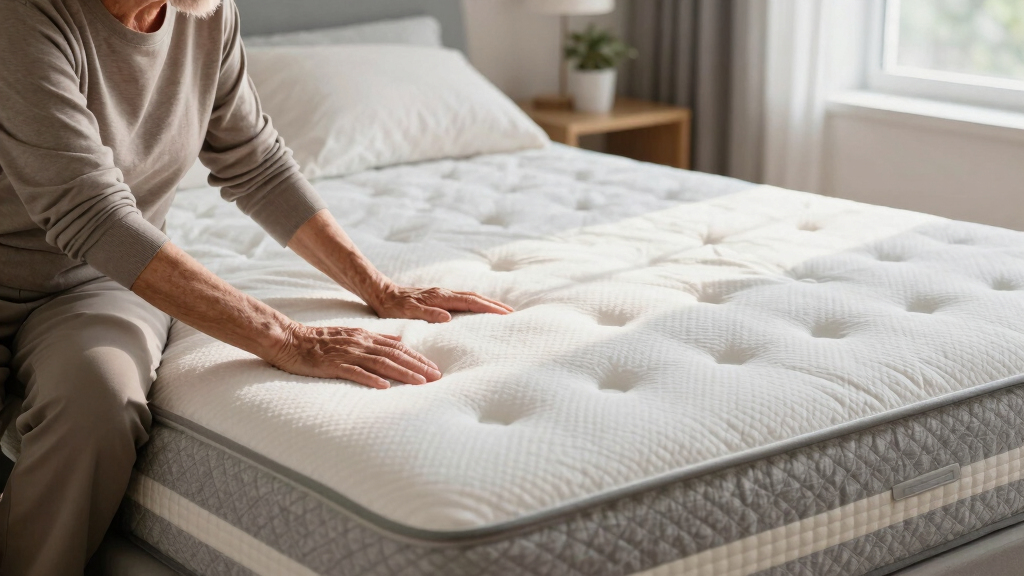
Foam mattresses are built mainly of layers of foam—think memory foam that hugs your body or latex foam that offers a bit more bounce. They’re lightweight and usually less expensive. A typical memory foam bed molds to your shape, pressing gently into your shoulders and hips. This contouring provides targeted pressure relief, which can alleviate pain and reduce tossing. However, the softness may sometimes lead to a lack of support for heavier or more active sleepers, potentially causing misalignment.
Hybrid mattresses combine foam layers with a support core of coils—like a pocketed coil system—that adds bounce and airflow. Imagine lying on a cloud that still feels bouncy and supportive underneath. This blend aims to give you the best of both worlds: contouring comfort plus springy support. The coil support system not only enhances durability but also allows for better temperature regulation, which is crucial for hot sleepers. The tradeoff is that hybrids tend to be heavier and more expensive, and some may find the coil noise or bounce less desirable depending on personal preference.
As an affiliate, we earn on qualifying purchases.
Why Foam Mattresses Feel Like a Gentle Hug
Foam mattresses are renowned for their ability to mold to your body. If you ever sank into a memory foam pillow, you know how it cushions your neck and shoulders. That pressure relief is perfect for side sleepers or if you suffer from joint pain. This contouring effect reduces pressure points, which can prevent pain and improve sleep quality over time. However, because foam conforms so closely, it can also restrict movement and create a feeling of being ‘stuck,’ especially if the foam is very soft or low-density. This can be a drawback for sleepers who prefer to change positions frequently.
For example, a person with hip soreness might find relief on a memory foam bed that cradles their hips, reducing pressure and easing discomfort. The downside? They can trap heat, making some sleepers feel warm or sweaty, which might disturb sleep. This heat retention stems from the dense material holding onto body heat, especially in non-breathable foams. To get the most comfort, choose a foam mattress with cooling gels or breathable covers. These small tweaks can significantly improve airflow and reduce heat buildup, making foam beds more suitable for hot sleepers. The tradeoff is that these features can add to the cost and complexity of the mattress, but they are often worth it for a better night’s rest.
hybrid mattress with cooling technology
As an affiliate, we earn on qualifying purchases.
As an affiliate, we earn on qualifying purchases.
What Makes Hybrid Mattresses Bounce and Support Like a Dream
Hybrid mattresses stand out with their coil support core. This gives them a lively, bouncy feel that responds instantly when you shift position. Think of it as a mattress that supports your movement, not fights it. The coil system distributes weight evenly, reducing sagging and enhancing durability over time. The bounce offered by the coils can also make it easier to get in and out of bed and can provide a more natural feel, similar to traditional innerspring mattresses but with added comfort layers.
If you’re a back sleeper who needs support without feeling stuck, a hybrid can keep your spine aligned while still offering a bit of spring. Plus, the coils let air flow freely, which helps keep the bed cooler and reduces sweat buildup. This improved airflow is especially important for hot sleepers or those living in humid climates. However, the bounce and responsiveness might not be ideal for couples who prefer a quieter, less reactive surface or for those who dislike feeling movement transfer. Overall, hybrids provide a supportive, lively sleep experience that closely mimics traditional support systems but with added comfort and breathability.
best hybrid mattress for support and airflow
As an affiliate, we earn on qualifying purchases.
As an affiliate, we earn on qualifying purchases.
Compare Them Head-to-Head: Foam vs Hybrid
| Feature | Foam Mattress | Hybrid Mattress |
|---|---|---|
| Pressure Relief | Excellent, molds closely to your body, reducing pressure points but may cause heat retention. | |
| Support & Bounce | Less responsive, softer support, which can lead to misalignment for some sleepers, especially heavier ones. | |
| Cooling | Can trap heat unless infused with cooling gels or combined with breathable covers—tradeoff between comfort and heat retention. | |
| Durability | High-density foam lasts longer, around 7-10 years, but quality varies; lower-density foam wears out faster. | |
| Price | Generally more affordable, making them accessible for budget-conscious shoppers. | |
| Ideal For | Side sleepers, pressure point relief, those sensitive to firmness. | |
| Support & Bounce | Less supportive for stomach/back sleepers needing firm support; may feel too soft for some. | |
| Cooling | Less airflow, potential heat retention, especially in denser foams. | |
| Durability | Average 8-10 years, depending on foam quality and density. | |
| Price | Often less expensive than hybrids, suitable for those seeking value. |
As an affiliate, we earn on qualifying purchases.
Which One Fits Your Sleep Style? Find Your Match
If you’re a side sleeper, a foam mattress might be your best friend. It cushions your shoulder and hip, easing pressure and preventing pain that can disturb sleep. For back or stomach sleepers, hybrids offer firm support and a responsive feel that keeps your spine aligned, reducing the risk of discomfort or sagging over time. Choosing the right support level is crucial because improper support can lead to misalignment, pain, or restless nights, especially with age or specific health conditions.
Here’s a quick guide:
- Side sleepers: Soft to medium foam for gentle contouring and pressure relief on shoulders and hips.
- Back sleepers: Medium-firm hybrid for support, maintaining spinal alignment while allowing some bounce.
- Stomach sleepers: Firmer hybrid or foam with good support underneath to prevent the hips from sinking too deep, which can cause lower back strain.
Think about your favorite sleeping position and try a mattress that matches your needs. Trial periods help you test your choice without risk, allowing you to experience firsthand how different support levels and materials affect your sleep quality.
Cooling and Durability: The Modern Mattress Tweaks
Cooling is a big deal, especially if you tend to wake up sweaty. Hybrids typically sleep cooler because their coils promote airflow, which helps dissipate heat. Foam mattresses now include gel infusions, breathable covers, and open-cell designs that improve ventilation—these innovations help reduce heat retention and keep sleepers comfortable throughout the night. Durability depends on materials: high-quality coils in hybrids can last 15+ years, especially with proper care, while dense foam layers can hold up for 10+ years if well-made. However, lower-quality materials or cheaper constructions may wear out faster, leading to sagging or loss of support. Checking warranties, reviews, and construction details can help you assess longevity.
For example, a customer switching from an old foam bed loved a hybrid with pocketed coils and a cooling cover—sleeping cooler and longer, with fewer wake-ups due to heat. These modern tweaks are crucial for maximizing sleep quality and saving money over the lifespan of your mattress.
Is Price the Only Factor? When to Invest in Better Comfort
Foam mattresses are often cheaper upfront, making them attractive for budget-conscious buyers. However, hybrids tend to last longer and support a wider range of sleep styles, which can justify the higher initial cost. Investing in a hybrid may seem costly initially, but its durability and support can lead to better sleep quality and fewer replacements over time, ultimately saving money. If you’re prone to aches, joint pain, or need a versatile bed that adapts to different sleep positions, paying more for a hybrid can be a wise long-term investment. For example, an elderly parent who needs extra support and airflow might benefit from a hybrid despite the higher price.
Most importantly, look for trial periods and warranties—these protect your investment and give you the chance to test whether the higher cost translates into better sleep and support. In the end, choosing between price and comfort is about balancing immediate affordability with long-term benefits for your health and satisfaction.
Frequently Asked Questions
Which mattress type is better for back pain?
Both can help, but it depends on your specific needs. Foam mattresses provide pressure relief by contouring to your body, easing pain points. Hybrids support proper spinal alignment with firmer coils underneath. Testing different options during trial periods can help determine what works best for you.
Are hybrid mattresses more durable than foam?
Generally, yes. High-quality coil systems in hybrids tend to last 15+ years, especially with good maintenance. Dense foam layers can also be durable, but their lifespan often ranges from 8 to 10 years, depending on the foam’s density and quality.
Which sleeps cooler—foam or hybrid?
Hybrids usually stay cooler because their coils promote airflow, reducing heat buildup. Modern foam beds with gel infusions and breathable covers also improve cooling, making both options viable for hot sleepers.
Is a hybrid worth the extra cost?
Many find hybrids worth the investment, especially if support, longevity, and breathability matter to you. While they cost more upfront, their durability and support can save money over time by reducing the need for replacement or additional support accessories.
How do I pick the right firmness level?
It depends on your sleeping position and comfort preference. Side sleepers often prefer softer beds, while back or stomach sleepers may choose medium-firm or firm options for better support. Many brands offer trial periods—use them to test firmness before committing.
Conclusion
Remember, the best mattress is the one that feels right for your body and your sleep style. Foam offers that gentle hug, while hybrid delivers lively support and better airflow. Your choice shapes how well you rest—so pick what makes you feel most supported and comfortable each night.
Sleep well, knowing that a good mattress isn’t just a purchase—it’s a foundation for better days ahead.
Flea & tick season Picks
flea and tick prevention
As an affiliate, we earn on qualifying purchases.