
TL;DR
Get ready for Prime Big Deal Days — try Prime free
Exclusive member deals on October 6–7, plus fast free delivery. Cancel anytime.
Start your free trialAs an affiliate, we earn on qualifying purchases.
Selecting an overbed or rolling table involves considering purpose, size, mobility, safety features, and recent innovations. Proper choice boosts independence and safety for seniors and those with limited mobility.
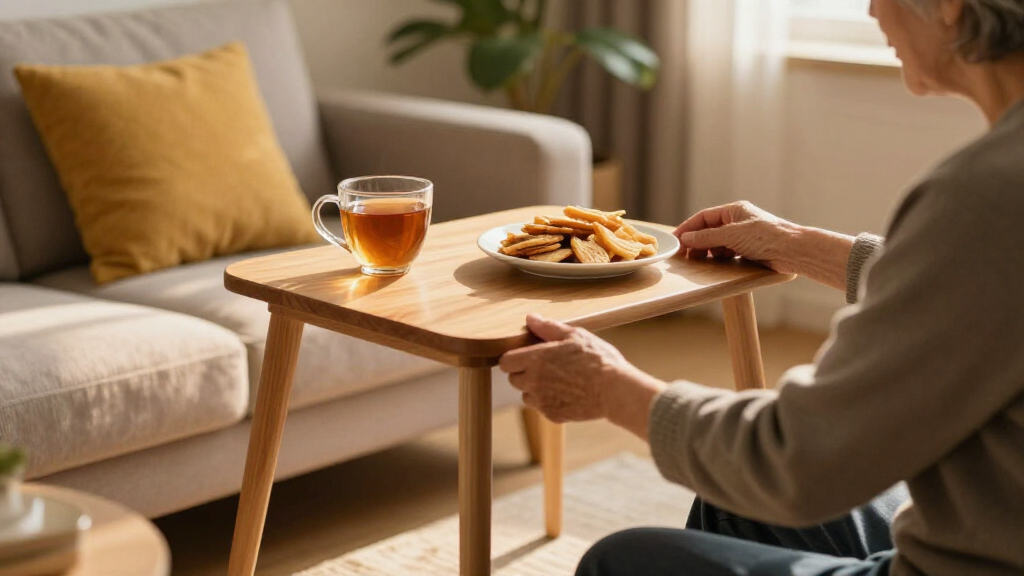
Imagine a piece of furniture that transforms your daily routine—whether it’s eating, reading, or working—into a seamless experience. Overbed and rolling tables are that simple solution, offering mobility, convenience, and safety for those with limited mobility or seniors aging in place.
Choosing the right table isn’t just about size or style. It’s about understanding which features will support independence, prevent accidents, and stand up to daily use. This guide walks you through what matters most, recent innovations, and practical tips so you can find the perfect fit for your needs.
Prioritize safety features like lockable casters and rounded edges to prevent accidents.
Measure your space carefully to choose a size that fits well without cluttering.
Adjustability in height and tilt greatly enhances comfort and usability.
Recent innovations include smart features and eco-friendly materials, adding value and convenience.
Compare models side-by-side to find the best fit for your needs and budget.
How to Choose an Overbed or Rolling Table
A piece of furniture that transforms your daily routine—eating, reading, or working—into a seamless experience. The right table isn’t just about size or style: it’s about independence, accident prevention, and durability for seniors and anyone with limited mobility.
What Makes a Good Overbed or Rolling Table?
The best tables are more than a flat surface on wheels—they’re safe, adjustable, and durable. Start with the purpose: will it hold a meal, a laptop, or medical supplies? Then check the features below.
Lockable Casters
Reposition the table freely, then lock it firmly in place. Prevents the accidental movement that causes spills and falls.
Rounded Edges
Reduce injury risk if someone bumps into the table—essential for users with limited mobility or cognitive impairments.
Non-Slip Feet
A stable base with non-slip pads keeps the table planted during use and prevents dangerous sliding on smooth floors.
Height Adjustability
Ergonomic comfort that prevents strain on the neck, shoulders, and back—customizable for different users and activities.
Tilt-Top Options
Multi-directional tilt enhances usability for reading and writing, bringing the surface to you instead of overreaching.
Easy-Clean Surfaces
Laminated tops withstand frequent wiping without warping or discoloring—key for hygiene and stain resistance.
Picking the Perfect Size & Style for Your Space
Size really matters. A table that’s too wide blocks your movement; one that’s too small forces overreaching. Measure the bed, chair, or space first—then find your fit on the spectrum below.
Locking Casters Are Your Best Friends
Moving without stability is dangerous. Lockable casters let you glide the table easily and lock it firmly in place. Research shows quality locking casters cut the risk of accidental tipping or sliding by more than half.
Smarter & Safer: Modern Table Features
Today’s tables evolve beyond simple surfaces—integrating tech, ergonomics, and sustainability in ways that directly impact safety and quality of life.
Built-In USB Charging
Charging ports reduce the need for unsafe extension cords snaking across the floor.
Adjustable LED Lighting
Integrated lighting helps prevent eye strain during reading and nighttime use.
Digital Height Controls
Push-button adjustment plus multi-directional tilt reduces strain and improves comfort.
Eco-Friendly Materials
Recyclable aluminum composites and non-toxic finishes support a healthier home.
Overbed vs. Rolling Table: Which Is Right for You?
Choosing depends on your needs—bedside comfort or flexible mobility. Both serve valuable roles; your specific requirements guide the best choice.
| Feature | Overbed Table | Rolling Table |
|---|---|---|
| Intended Use | Primarily bedside activities like eating or reading | More versatile; used in various rooms for work, serving, or hobbies |
| Mobility | Typically stationary with adjustable height, sometimes wheels | Designed to be mobile with lockable casters |
| Size | Usually narrower, fitting over beds or chairs | Varies; often larger surface area for multiple activities |
| Adjustability | Height adjustable; some tilt options | Height adjustable; tilt features less common |
| Safety | Rounded edges, non-slip feet | Lockable casters, stable base, rounded edges |
Simple Steps to Pick the Right Table
Follow this seven-step chain from first measurement to final purchase decision.
Assess Space
Measure bed width, room size & needs
Main Use
Eating, working, or hobbies?
Set Budget
Basic to high-tech options
Safety Check
Locking casters, rounded edges
Test Mobility
Try a sample; read caster reviews
Pick Style
Match your decor & taste
Adjustability
Confirm height & tilt range
Key Takeaways
Prioritize safety features like lockable casters and rounded edges to prevent accidents.
Measure carefully to choose a size that fits without cluttering your space.
Adjustability in height and tilt greatly enhances comfort and usability.
Recent innovations—smart features and eco-friendly materials—add value and convenience.
Compare side-by-side to find the best fit for your needs and budget.
What Makes a Good Overbed or Rolling Table? Key Features That Matter
The best tables are more than just a flat surface on wheels—they’re safe, adjustable, and durable. Think about the purpose first: Will it hold a meal, a laptop, or medical supplies? For seniors or those recovering, safety features like rounded edges and non-slip feet are essential.
Size and fit matter too. A table that’s too wide can block your movement, while one that’s too small may not serve your needs. Adjustable height ensures ergonomic comfort, preventing strain on your neck, shoulders, or back. And don’t forget mobility: sturdy, lockable casters keep the table stable when needed but easy to move when you want.
Materials vary from lightweight aluminum frames to sturdy plastic or wood. For easy cleaning and longevity, choose surfaces resistant to spills and stains. For example, a laminated top can withstand frequent wiping without warping or discoloring.
Understanding these features deeply matters because it directly impacts safety and usability. For instance, lockable casters are crucial—they allow you to freely reposition the table when needed but prevent accidental movement that could cause falls. Rounded edges reduce injury risk if someone bumps into the table, which is especially important for those with limited mobility or cognitive impairments. Material choice affects durability and hygiene; a surface that resists stains and is easy to clean helps maintain a safe, sanitary environment.
adjustable overbed table with lockable casters
As an affiliate, we earn on qualifying purchases.
As an affiliate, we earn on qualifying purchases.
How to Pick the Perfect Size and Style for Your Space
Size really matters. Measure the bed, chair, or space where the table will sit. For example, if your bed is 36 inches wide, a table about 24-30 inches wide offers sufficient coverage without crowding your sides. Length should allow enough surface area for your activities without overreaching.
Style is also important. A sleek, minimalist look blends better with modern decor, while a traditional wooden table might suit a cozy, classic room. Rounded edges add safety, especially for homes with children or seniors prone to bumping into furniture.
Think about how often you’ll need to move the table. If you plan on repositioning it frequently, a lightweight model with smooth-rolling casters is ideal.
Choosing the right size and style isn’t just about aesthetics; it’s about ensuring comfort and practicality. An ill-fitting table can cause strain, reduce usability, or even pose safety risks if it blocks pathways or is too heavy to maneuver easily. Balancing style with function means selecting a piece that complements your space while supporting your daily activities effectively.
As an affiliate, we earn on qualifying purchases.
Mobility and Locking Casters: Why They’re Your Best Friends
Mobility is the core reason for choosing a rolling table. But moving without stability can be dangerous. That’s where lockable casters come into play—allowing you to glide the table easily and lock it firmly in place when needed.
Research from A Daily Zone shows that tables with high-quality locking casters reduce the risk of accidental tipping or sliding by over 50%. This is critical because an unstable table can cause spills, falls, or injuries, especially in environments where safety is paramount. Locking casters provide peace of mind—they let you reposition the table effortlessly when needed but keep it securely in place during use. This balance between mobility and stability is essential for preventing accidents and ensuring safety during daily activities.
Look for casters that swivel smoothly yet lock securely—some models even have brakes on each wheel for maximum control. The tradeoff is that overly loose casters may compromise stability, while overly tight locks can make repositioning difficult. Choosing the right quality and mechanism is key to maintaining both safety and ease of use.
overbed table with safety features
As an affiliate, we earn on qualifying purchases.
As an affiliate, we earn on qualifying purchases.
Recent Innovations That Make Overbed & Rolling Tables Smarter & Safer
Modern tables are evolving beyond simple surfaces. Today, you can find models with built-in USB ports for charging devices, adjustable LED lighting, or digital height controls—making them more convenient for tech-savvy users.
Enhanced caster designs now include smoother movement and better locking mechanisms, reducing effort and risk. Lightweight materials like aluminum composites keep tables sturdy but easy to move.
Ergonomic features such as multi-directional tilt and easy-to-use height controls help reduce strain and improve comfort. Plus, eco-friendly options with recyclable materials are becoming more common, aligning safety with sustainability.
These innovations matter because they directly impact safety and quality of life. For example, built-in charging ports reduce the need for unsafe extension cords, while adjustable lighting helps prevent eye strain. Better caster designs decrease the effort needed to reposition the table, reducing the risk of strain or accidents during movement. Eco-friendly materials not only support environmental safety but also often use non-toxic finishes, contributing to a healthier environment for users.
height adjustable overbed table for seniors
As an affiliate, we earn on qualifying purchases.
As an affiliate, we earn on qualifying purchases.
Quick Comparison: Overbed vs. Rolling Tables — Which Is Right for You?
| Feature | Overbed Table | Rolling Table |
|---|---|---|
| Intended Use | Primarily for bedside activities like eating or reading | More versatile; used in various rooms for work, serving, or hobbies |
| Mobility | Typically stationary with adjustable height, sometimes with wheels | Designed to be mobile with lockable casters |
| Size | Usually narrower, fitting over beds or chairs | Varies; often larger surface area, suitable for multiple activities |
| Adjustability | Height adjustable; some tilt options | Height adjustable; tilt features less common |
| Safety | Rounded edges, non-slip feet | Lockable casters, stable base, rounded edges |
Choosing depends on your needs—bedside comfort or flexible mobility. Both serve valuable roles, but your specific requirements will guide the best choice.
Simple Steps to Pick the Right Overbed or Rolling Table
- Assess your space: Measure bed width, room size, and activity needs.
- Determine your main use: Eating, working, or hobbies?
- Set your budget: From basic models to high-tech options.
- Check safety features: Lockable casters, rounded edges, non-slip feet.
- Test mobility: If possible, try moving a sample or read reviews about caster quality.
- Pick a style: Match your decor and personal taste.
- Confirm adjustability: Ensure height and tilt options meet your comfort needs.
- Read reviews and ask for professional advice if unsure.
Following these steps makes choosing less overwhelming and more tailored to your daily life.
Frequently Asked Questions
What is the safest material for an overbed table?
Look for materials that are easy to clean, resistant to spills, and unlikely to cause injury—laminated wood, plastic, or coated metal are good choices. Rounded edges and non-slip feet also enhance safety.
How do I know if a table will fit over my bed or chair?
Measure the width of your bed or chair, then choose a table with a surface slightly wider but not so large that it obstructs movement. Check the height adjustability to match your comfort level.
Are foldable or lightweight tables reliable for daily use?
Yes. Many modern models are designed with durable, lightweight materials and foldable features that make daily repositioning easy without sacrificing stability or safety.
Can I use these tables for more than just medical or elderly care?
Absolutely! They’re versatile for working, hobbies, serving snacks, or even as mobile desks—making them practical in many settings beyond caregiving.
What safety features should I prioritize?
Focus on lockable casters, rounded or beveled edges, and a stable, non-slip base. These help prevent slips, falls, and injuries during use or movement.
Conclusion
Choosing an overbed or rolling table isn’t just about surface area; it’s about creating a safer, more comfortable environment for daily activities. Think of your table as an extension of your independence—something that adapts seamlessly to your needs and space.
Remember, a well-chosen table can turn everyday routines into moments of comfort and dignity. Take your time, measure carefully, and pick features that support your lifestyle. After all, this simple piece of furniture can make a big difference in how you or your loved ones live each day.
NFL season / tailgating Picks
team gear
As an affiliate, we earn on qualifying purchases.