
TL;DR
Choosing a transfer board involves considering material, size, weight capacity, safety features, and user needs. Recent advances focus on safety and ease of use, making transfers safer for everyone involved.
Every day, countless caregivers and older adults face the challenge of moving safely from one place to another. A single slip or awkward transfer can lead to injury or loss of dignity. That’s why choosing the right transfer board isn’t just about convenience — it’s about safety, confidence, and respect.
In this guide, you’ll discover what to look for in a transfer board, recent innovations that improve safety, and practical tips to ensure every move is smooth and secure. Whether you’re helping a loved one get out of bed, transfer from a wheelchair to a toilet, or shift onto a chair, the right board makes all the difference.
Choose a transfer board made from durable, slip-resistant materials with rounded edges for safety.
Match the board’s length and width to your specific transfer scenario to maximize comfort and stability.
Always select a board with a weight capacity that exceeds the user’s weight, and inspect it regularly for wear.
Recent innovations like lightweight composites and antimicrobial surfaces improve safety and ease of handling.
Proper training on use and maintenance significantly reduces injury risk and prolongs the life of your transfer board.
What makes a transfer board safe and reliable?
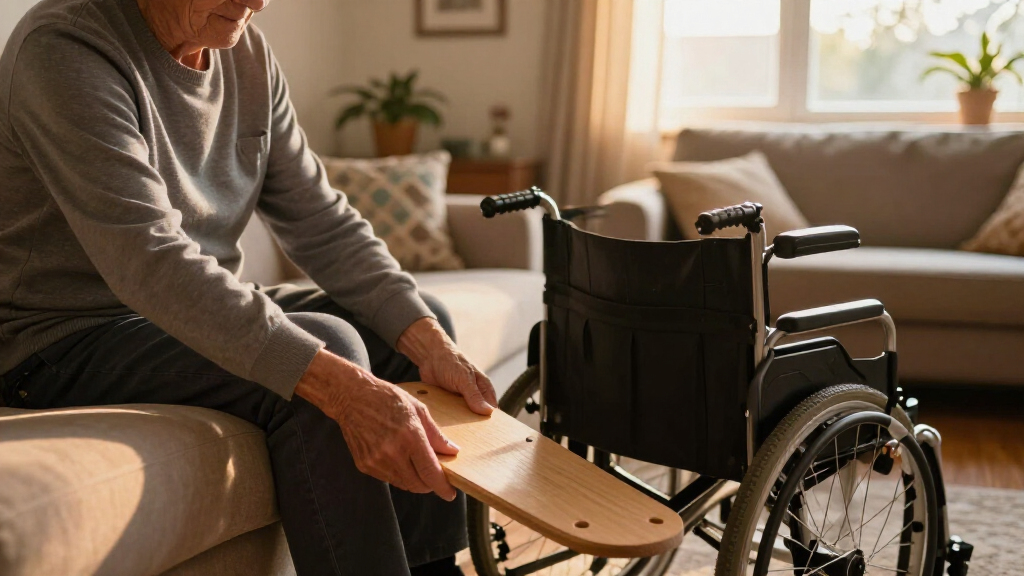
A transfer board’s safety begins with its materials and design. You want a sturdy, durable surface that supports weight without bending or cracking. High-quality boards are often made from plastic, composite, or even wood, but the key is how well they hold up over time.
Imagine a board that warps after a few months — not only does it become unsafe, but it also erodes confidence during transfers. That’s why picking a material with proven durability is essential. Look for boards that are tested to support at least 400 pounds, especially if multiple caregivers will use them.
Safety features like non-slip surfaces, rounded edges, and textured grips matter. They prevent slips, reduce injury risk, and make handling easier. Think of a transfer board with a rubberized, textured top that keeps your hand steady — it’s a game changer in busy or slippery environments.
Furthermore, the choice of materials influences how well the board performs under different conditions. For example, some plastics may become brittle in cold environments, increasing the risk of breakage. Knowing these tradeoffs helps you select a board that maintains safety and reliability across various settings.
transfer board with slip-resistant surface
As an affiliate, we earn on qualifying purchases.
As an affiliate, we earn on qualifying purchases.
How to choose the perfect size and length for your needs
The right size of a transfer board depends on the specific transfer scenario and the user’s physical dimensions. Typically, boards range from 24 to 30 inches long. But beyond just fitting the space, size impacts safety and ease of transfer. A board that’s too short may not bridge the gap effectively, increasing the risk of slipping or improper support, while an overly long board might be cumbersome or difficult to position accurately.
For example, if a person needs to transfer from a standard bed to a wheelchair, a 24-inch board might be sufficient, providing enough length to support the transfer without excess. But if the gap is wider—say, transferring from a low sofa to a walker—a longer 30-inch board offers more coverage, reducing strain and instability.
Width also matters: a wider board offers more lateral stability, especially for larger users or those with balance issues. However, it should still be manageable for caregivers to handle comfortably. The goal is balancing support with maneuverability, which can sometimes involve tradeoffs—wider boards may provide more stability but can be heavier or harder to position precisely.
In essence, selecting size and width involves understanding the specific transfer needs, the environment, and the user’s physical capabilities. Proper sizing minimizes risks and enhances confidence during each transfer.
heavy-duty patient transfer board 400 lbs capacity
As an affiliate, we earn on qualifying purchases.
As an affiliate, we earn on qualifying purchases.
Understanding weight capacity: Why it matters
Choosing a transfer board with the right weight capacity is vital because it directly impacts safety and durability. A board rated for at least 400 pounds generally supports most adult needs, but ignoring this can have serious consequences. If a board is undersized for the user’s weight, it risks breaking or warping during use, which can cause falls or injuries.
For instance, trying to transfer a heavier individual on a board rated for only 200 pounds not only risks structural failure but can also lead to loss of control during the transfer, increasing injury risk for both the caregiver and the user. This is why selecting a board with a higher capacity than the user’s weight provides a safety margin—it’s a precaution against unexpected shifts or sudden movements.
Regular inspection for signs of wear, such as cracks or warping, is equally important. A compromised board may seem fine visually but could fail unexpectedly. Balancing the need for high capacity with ease of handling is key—overly heavy-duty boards can be cumbersome, so choosing a model that matches the user’s weight while maintaining manageable weight for caregivers is essential for consistent safety and usability.
Ultimately, understanding and respecting weight capacity helps prevent accidents and prolongs the life of the transfer board, ensuring safety remains a priority in every transfer.
lightweight composite transfer board
As an affiliate, we earn on qualifying purchases.
As an affiliate, we earn on qualifying purchases.
Frequently Asked Questions
How do I determine the right size and type of transfer board for my loved one?
Measure the distance between the surfaces involved in the transfer. Choose a board at least 2 inches longer than this gap. Consider the user’s size, mobility level, and transfer environment. For example, a wider, longer board offers more stability for larger users or wider gaps.
What safety precautions should I follow when using a transfer board?
Ensure the board is clean, dry, and free of cracks. Position it securely, with non-slip surfaces gripping the surfaces involved. Support the user’s weight evenly, and move slowly. Never rush or force the transfer, and always communicate clearly during the move.
Are there specific transfer boards recommended for conditions like stroke or arthritis?
Yes. For example, boards with textured, slip-resistant surfaces are better for users with limited grip, common in stroke recovery. Lightweight, ergonomic boards reduce fatigue for those with arthritis. Selecting the right board can significantly impact safety and comfort, especially for users with specific conditions. Consulting healthcare providers can help identify options that accommodate individual limitations and needs, ensuring safer and more effective transfers.
How often should I inspect and replace a transfer board?
Inspect the board at least every 3-6 months, or more frequently with daily use. Look for cracks, warping, or loose handles. Replace immediately if any damage is found. Regular checks help catch issues early, preventing accidents. Over time, material fatigue or accidental damage can compromise the board’s integrity, so consistent inspection and timely replacement are essential for ongoing safety.
Can transfer boards be used for all types of transfers?
Transfer boards are suitable for many standard transfers like bed-to-wheelchair or chair-to-toilet. However, complex or high-weight transfers may require additional aids such as slide sheets, hoists, or professional assistance. It’s important to assess each transfer’s complexity and risk level. When in doubt, consulting a healthcare professional ensures the safest approach, especially for challenging or high-risk situations.
antimicrobial transfer board for elderly
As an affiliate, we earn on qualifying purchases.
As an affiliate, we earn on qualifying purchases.
Conclusion
Picking the right transfer board isn’t just about convenience — it’s about protecting your loved ones and yourself during every move. Focus on safety features, suitable size, and durability. A well-chosen board can make transfers safer, smoother, and more respectful of everyone’s dignity.
Remember, a little research and regular inspection pay off. When in doubt, consult a healthcare professional for personalized advice. With the right tools, every transfer can be a safe, confident step forward.