
TL;DR

Turn quiet afternoons into listening time
- Thousands of audiobooks, podcasts and originals
- Listen on your phone, tablet or Echo — also offline
- Cancel anytime
Weekly pill organizers are simple, affordable tools for medication management but require manual handling. Automatic dispensers are electronic devices that dispense doses at scheduled times, offering enhanced safety and adherence support, especially for complex routines or cognitive challenges.
Managing medications isn’t just about remembering pills—it’s about safety, ease, and peace of mind. For many, the choice comes down to two popular options: simple weekly pill organizers or high-tech automatic dispensers.
Each offers unique benefits, but understanding how they work and what they cost can make all the difference. Whether you’re caring for an aging parent or managing your own health, knowing the strengths and limits of these tools helps you make a smart choice.
Automatic dispensers significantly boost medication adherence, especially with features like alarms and lockable compartments.
For simple routines, a weekly pill organizer offers an affordable, no-fuss solution.
Choosing the right tool depends on your medication complexity, safety needs, and budget.
Emerging tech in dispensers, like app connectivity and AI, are making medication management smarter and safer.
Always consult with healthcare providers to select the best option for your specific needs.
What Do Weekly Pill Organizers and Automatic Dispensers Actually Do?
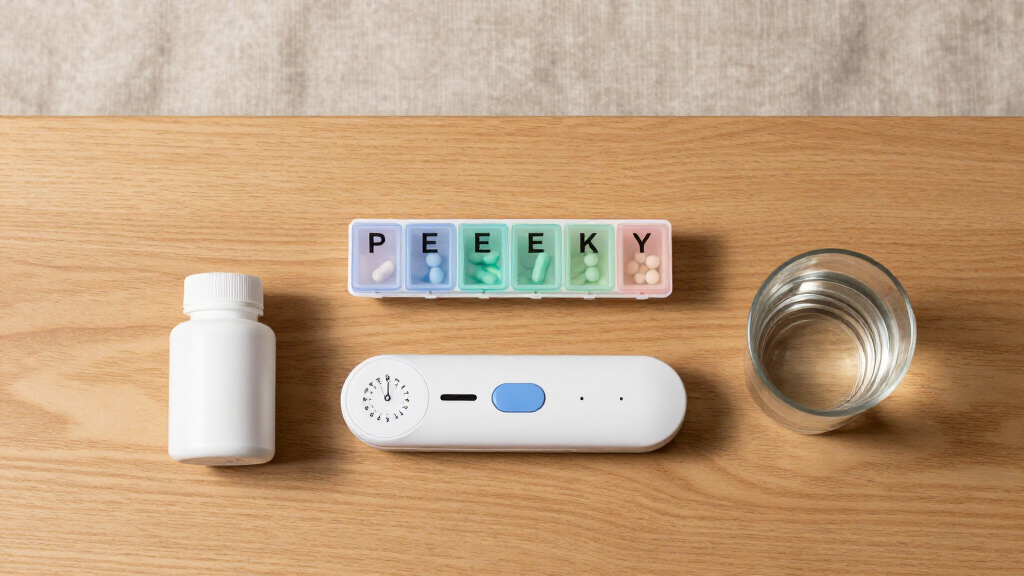
Weekly pill organizers are straightforward: plastic containers with compartments for each day or dose. Imagine a colorful, sturdy box with sections labeled for Monday through Sunday, or morning, noon, evening, and bedtime. You fill them once a week, then check off each dose as you take it.
Automatic dispensers are more like high-tech gadgets. They store multiple medications and dispense them at pre-set times, often with alarms or notifications. Picture a sleek, digital device that buzzes when it’s time to take your pills and automatically releases the right dose—no fuss, no guesswork.
Understanding these differences is crucial because they directly impact your daily routine and safety. While pill organizers are simple and affordable, they require you to remember and manually manage your doses, which can lead to missed or double doses. Automatic dispensers, though more expensive, reduce these risks by automating the process and providing alerts, which is especially important for those with memory issues or complex medication schedules.
automatic pill dispenser with alarm
As an affiliate, we earn on qualifying purchases.
As an affiliate, we earn on qualifying purchases.
How Easy Are They to Use? The Real-Life Breakdown
If you prefer simplicity, a weekly pill organizer wins hands down. They are inexpensive, require no setup, and need just a quick fill once a week. This makes them ideal for those who want a low-tech, straightforward solution, especially if your medication schedule is simple or if you’re comfortable managing doses manually. However, their simplicity comes with tradeoffs: if you forget to refill or check the organizer, doses can be missed or taken twice, which could be dangerous.
Automatic dispensers, on the other hand, require some initial setup—programming times, doses, and alarms—but once configured, they operate largely hands-free. This automation can be a game-changer for people with busy schedules, cognitive impairments, or multiple medications, as it reduces the cognitive load and minimizes human error. The tradeoff is that they require understanding the device’s operation, occasional maintenance like refilling and battery changes, and a higher upfront cost. Therefore, the choice depends on your comfort with technology and your specific needs for safety and convenience.
weekly pill organizer for medication management
As an affiliate, we earn on qualifying purchases.
As an affiliate, we earn on qualifying purchases.
Safety First: Which One Protects You Better?
Safety is a key concern, especially for older adults or those with cognitive challenges. Weekly pill organizers don’t have safety features—they’re just containers. This means anyone can open them at any time, increasing the risk of accidental overdose or missed doses if not properly managed. For example, someone might forget to refill the organizer or accidentally take a dose twice, which can be dangerous.
Automatic dispensers often include features designed to mitigate these risks. Lockable compartments prevent unauthorized access, alarms alert you or caregivers to missed doses, and tamper-proof designs reduce accidental or intentional misuse. Some models even have remote monitoring capabilities, allowing caregivers to verify if doses are taken on time. These safety features are critical because they not only help prevent accidental overdose but also support adherence for those who may forget or confuse their medication routines. The tradeoff is that these added safety features come with higher costs and complexity, but for many, the increased safety and peace of mind justify the investment.
digital medication dispenser with app connectivity
As an affiliate, we earn on qualifying purchases.
As an affiliate, we earn on qualifying purchases.
Cost Comparison: How Much Do They Really Cost?
| Feature | Weekly Pill Organizer |
|---|---|
| Price Range | $5 – $20 |
| Additional Costs | No ongoing costs, just refillable |
| Feature | Automatic Dispenser |
|---|---|
| Price Range | $50 – $300+ |
| Additional Costs | Battery replacement, app subscriptions (if Wi-Fi enabled) |
While pill organizers are budget-friendly, they lack the safety and automation features of dispensers, which can be essential for certain users. Automatic dispensers, although more costly upfront, can reduce the risk of missed doses and medication errors, potentially saving costs associated with healthcare complications from missed or incorrect doses. The ongoing costs, like batteries or app subscriptions, should be factored into your decision based on your long-term needs and budget.
lockable pill organizer for seniors
As an affiliate, we earn on qualifying purchases.
As an affiliate, we earn on qualifying purchases.
The Latest Trends and What’s New in Medication Management
Technology is advancing fast. Many automatic dispensers now connect to smartphones via apps, offering real-time reminders, refill alerts, and adherence tracking. Some models even analyze your medication patterns and suggest adjustments, helping optimize your treatment plan. These insights can be invaluable for healthcare providers and patients alike, ensuring medications are taken correctly and consistently.
Lockable, tamper-proof designs are becoming standard, especially for caregivers overseeing multiple patients. Compact, stylish models fit neatly on countertops or travel bags, making them convenient for daily use or travel. These innovations aim to make medication routines safer, more reliable, and more discreet, addressing concerns about safety, privacy, and ease of use. The integration of AI and data tracking signals a move toward smarter medication management, allowing for personalized, adaptive routines that respond to individual needs and behaviors.
Who Benefits Most From Each Option?
If you’re managing a simple routine—say, a daily vitamin or two—a weekly pill organizer offers convenience without complexity. They are perfect for travel, quick checks, or situations where a high-tech solution isn’t necessary. However, they rely heavily on user discipline and memory, which can be problematic for some.
For those with multiple medications, complex schedules, or memory challenges, automatic dispensers shine. They reduce errors by automating the process, providing timely reminders, and locking medications away safely. For example, a person with Alzheimer’s might rely on an automatic device that prevents access to medication outside scheduled times and alerts caregivers if doses are missed. The tradeoff is that these devices can be more expensive and require a learning curve, but they significantly enhance safety and adherence for vulnerable populations.
Common Questions You Might Have
- Is an automatic dispenser safe for seniors with memory issues? Yes, especially models with alarms, lockable compartments, and remote monitoring features. These features help compensate for forgetfulness and reduce risks of overdose or missed doses.
- Can these devices handle multiple medications? Many advanced models are designed to store and dispense several medications with different schedules, often with separate compartments and programmable alarms, making complex routines manageable and reducing errors.
- Are automatic dispensers portable? Several are designed to be travel-friendly, with compact sizes and rechargeable batteries, allowing users to carry their medication routines wherever they go without sacrificing safety or convenience.
- How much maintenance do they need? Automatic dispensers need refilling and occasional battery changes, but many models feature easy-to-access compartments. Regular checks ensure consistent operation, which is crucial for safety. Pill organizers just need a weekly refill but require diligence to avoid running out or forgetting doses.
- Are these devices expensive? Pill organizers are budget-friendly and suitable for basic needs. Automatic dispensers vary widely based on features—basic models start around $50, while advanced, high-tech options can exceed $300. Consider your safety needs, medication complexity, and budget when choosing.
Frequently Asked Questions
Can I switch between a pill organizer and an automatic dispenser?
Absolutely. Many people start with a pill organizer and switch to an automatic dispenser as their needs change, especially if their medication routine becomes more complex or safety concerns grow.
Are automatic dispensers difficult to set up?
Most modern models are designed for easy setup. It usually takes about 10-15 minutes to program schedules, doses, and alarms. Follow the manufacturer instructions, and you’ll be ready to go.
Do automatic dispensers require Wi-Fi or internet?
Some do, especially those with app connectivity and remote monitoring features. Basic models may operate solely on internal timers and alarms, without needing internet access.
What happens if the device runs out of batteries?
Automatic dispensers typically have battery compartments that are easy to access for quick replacement. Regularly checking and replacing batteries prevents unexpected interruptions.
Conclusion
In the end, it’s about safety, convenience, and peace of mind. A simple weekly pill organizer may suit your routine, but if you’re managing multiple medications or caring for someone with memory issues, an automatic dispenser could be a lifesaver.
Remember, the best tool is the one that keeps you safe, on schedule, and stress-free. Think about your daily habits, needs, and budget—then choose the system that feels right for you.
Fall Picks
fall essentials
As an affiliate, we earn on qualifying purchases.