
TL;DR

Turn quiet afternoons into listening time
- Thousands of audiobooks, podcasts and originals
- Listen on your phone, tablet or Echo — also offline
- Cancel anytime
For a small bathroom, start by measuring the usable shower space, door swing, controls and drain before choosing a seat. Folding wall seats save floor space but need secure structural support; freestanding and corner seats offer different fits and installation needs. Check stability, seat dimensions, height and weight capacity, and treat a seat as one part of a safer shower setup.
A shower seat can make a tight bathroom feel easier to use, but only if it fits without blocking your way in. In a narrow stall, a chair that looks compact in a product photo can crowd the controls, bump the door, or leave you with nowhere to place your feet.
This guide helps you compare folding, freestanding and corner seats, measure your shower before you buy, and spot the details that affect fit and stability. You’ll also learn when installation needs professional help and how to think about the rest of the shower, from grab bars to cleaning.
The right choice depends on your bathroom’s dimensions and the person who will use the seat. For example, a folding seat may suit a small walk-in shower used by one person, while a movable stool may make more sense in a rental where drilling is not allowed. A qualified occupational therapist or clinician can help assess individual mobility or transfer needs.
Measure usable shower width and depth, door swing, controls and drain before choosing a seat.
Folding seats clear floor space when stored but require suitable structural support and correct installation.
Compare seat height, width, depth, support features and stated weight capacity with the intended user’s needs.
A shower seat is one part of a safer setup; consider flooring, reachable controls and properly installed grab bars too.
Follow care instructions and inspect feet, hinges and fasteners for wear or movement.
Best Shower Seats for Small Bathrooms
The right seat fits the shower and the person using it. Measure the space, check stability and installation needs, then plan for safe movement around the seat.
Measure the usable space
Check the shower itself before shopping, including anything that could block access or movement.
Account for shelves, handles and fixed ledges.
Make sure the door clears the seat and its feet sit securely.
Leave room to enter, sit, reach controls and stand.
Compare seat styles
Consider the open footprint, storage and installation requirements.
| Style | Space benefit | What to check |
|---|---|---|
| Folding wall seat | Folds away to clear floor space | Needs suitable structural support and correct installation |
| Freestanding chair or stool | Movable and needs no wall mounting | Uses floor space; check stability and non-slip feet |
| Corner seat | Uses a corner that may otherwise go unused | Check sitting area, stability and installation needs |
Match the seat to the user
Compare the manufacturer’s specifications with the person’s needs and the available room.
Dimensions and height
Check seat width, depth and height. Leave space to move and keep feet securely on the floor.
Capacity and stability
Check stated weight capacity, secure mounting or non-slip feet, and whether arms or a backrest suit the user.
Materials and cleaning
Water-resistant materials, smooth surfaces and drainage openings can make cleaning and drying easier.
Plan for a safer shower
A seat works best as part of a setup that supports safe movement.
- Keep controls reachable from the seat.
- Consider slip-resistant flooring and properly installed grab bars.
- Inspect feet, hinges and fasteners for wear or movement.
Measure first so the seat leaves room to move
For the best shower seats for small bathrooms, begin with the shower’s usable floor area, not the overall bathroom size. Measure the inside width and depth, then note the door swing, controls, drain and the space you need to step in and turn. Those details show whether the seat will fit into the routine of using the shower, not just whether its outline fits on the floor. A seat that blocks the entrance can make getting in harder; one that sits between the user and the controls can require an awkward reach.
Use a tape measure and mark the seat’s proposed footprint with painter’s tape, or set a similarly sized box in the shower while it is dry. Then rehearse the sequence: enter, turn, sit, reach for the controls, and stand. Notice whether feet can land flat and whether a helper would have room to assist. For instance, a 30-inch-deep stall may accommodate a narrow seat against one wall, but a wide chair placed in the middle could consume the area needed to turn or help someone stand.
Measure these four things before shopping:
- Usable width and depth: account for shelves, handles and any fixed ledge. The remaining area is what the seat and the user must share, so the full stall measurement can overstate the space available.
- Door clearance: check that the door opens and closes without striking the seat. If it hits the seat or leaves too little room to enter, the user may have to shift the seat or maneuver around it each time.
- Reach: confirm that controls and handheld shower equipment remain accessible from the seat. A seat that forces someone to lean or twist to turn off the water may create a problem even if it is stable.
- Footing: leave a clear place to step in, sit and stand without twisting around the seat. That space also matters if another person needs to help.
These checks help make a compact bathroom safer because they reveal conflicts between the seat, the person and the rest of the shower before purchase. If a family member needs space to assist, include that person in the layout check. A few minutes with a tape measure can prevent a seat from turning the shower into an obstacle course, and may point you toward a narrower or wall-mounted option.
Products Worth Considering

Bose TV Speaker Compact Soundbar with Bluetooth and HDMI-ARC, Black

Bose Smart Ultra Dolby Atmos Soundbar

Dreame L40 Ultra Gen 2 Robot Vacuum and Mop with 25,000 Pa Suction
As an affiliate, we earn on qualifying purchases.
Compare three seat styles to find the best fit
The best shower seats for small bathrooms usually fall into three groups: wall-mounted folding seats, freestanding chairs or stools, and corner seats. Each uses space differently, so the practical choice depends on the wall, floor and person using it. A slim seat that folds up may clear the floor, while a portable stool avoids drilling but stays in the way when it is not in use. Think about the space needed during a shower as well as the space needed between showers: storage can matter just as much as the open seat footprint.
| Style | What it offers | What to check |
|---|---|---|
| Folding wall seat | Folds against the wall to free floor area between showers. | Needs suitable structural support and correct installation; check folded and open dimensions. |
| Freestanding chair or stool | Can be moved or removed and does not require wall mounting. | Uses floor space; inspect foot grip, stability on your shower surface and stated capacity. |
| Corner seat | Uses a corner that may otherwise go unused. | Check the seat’s depth and usable sitting area; fixed models need secure installation, and portable models vary. |
Imagine a renter with a narrow shower and a strict no-drill rule. A compact freestanding stool may be easier to place than a wall seat, provided it sits securely and leaves a clear entry path. The tradeoff is that the stool occupies floor space during use and needs somewhere to go afterward. In a family home with sound wall support, a folding model could keep the shower floor open for other users, but it requires proper installation and may not suit someone who needs a different seat height or a wider sitting area.
A corner seat can take advantage of an otherwise unused area, but the corner may be too tight for comfortable sitting or may put the user far from controls. There is no single winner for every layout. Compare the open footprint, stored footprint and installation requirements against the measurements you took, and consider how the person transfers on and off the seat. Product dimensions and features vary by model, so check current manufacturer details before deciding.
Check stability, height and capacity before you choose
A suitable shower seat needs to feel secure under the person using it and fit their sitting position. Check the stated weight capacity, seat width and depth, and available seat height against the manufacturer’s information. Capacity is a necessary limit, but it does not establish that the seat will feel steady or be easy to use. The seat’s shape, arms and backrest affect where the person can sit and how they move between sitting and standing.
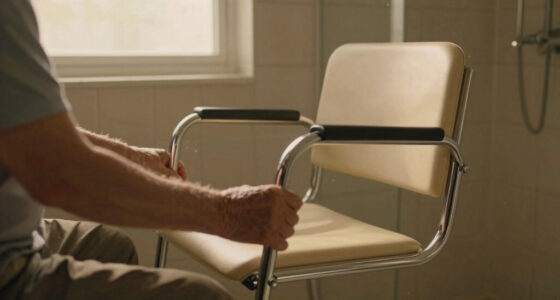
For example, someone who needs arm support when standing may prefer a chair with arms, but those arms take up extra width and can make side transfers harder. A backrest may help someone sit comfortably for longer, while a simple stool can leave more room in a tight stall. A higher seat can make standing easier for some people, but the user’s feet still need to rest securely on the floor. These tradeoffs depend on the individual; when mobility or transfers are a concern, a qualified occupational therapist or clinician can advise on an appropriate setup.
For a freestanding seat, look for non-slip feet designed for wet floors and check that all feet sit flat on your shower surface. An uneven floor or a foot resting partly on a drain cover can make a seat rock, even if the feet are in good condition. Suction cups or rubber tips can help in some situations, but don’t assume they make every stool secure or work on every surface. Follow the product instructions and inspect the feet regularly for wear, soap buildup or damage.
For a wall-mounted model, stability depends on more than the seat itself. The product must be attached to suitable structural support with hardware appropriate to the wall and the manufacturer’s instructions. A seat that feels steady before water starts can still be poorly positioned for reaching the controls or getting on and off. If the seat rocks, shifts or feels uncertain, stop using it until the fit and installation have been checked. Choosing for stability means considering both how firmly the seat is supported and how the person will use it in the available space.
Treat wall installation as part of the safety decision
A folding wall seat saves space when folded, but it is safe to use only when it is mounted correctly to appropriate structural support. Tile alone cannot support the seat; the installer must account for what sits behind the finished wall and use hardware suited to the product and wall construction. This is why the installation decision affects which seat is practical: a compact folding model may not be an option if the wall cannot provide the support it needs.
That matters in a common situation: a homeowner sees a tiled wall, finds the right-looking screws and assumes the job is straightforward. The tile is only the visible surface. If the underlying support or installation method is wrong, the seat may not hold securely under load, and the risk may not be obvious until someone sits down. Follow the manufacturer’s installation instructions, and ask a qualified installer if you are unsure what is behind the tile or how to fasten the seat. Getting advice before purchase can also clarify whether a particular wall seat is feasible.
Before choosing a fixed seat, check whether the open position clears the shower door and whether the folded position leaves enough room for other household members. The seat must work in both positions, so a model that fits when open may still obstruct the shower when stored. For a rental, ask the landlord about drilling before arranging installation. A portable seat may be a better fit when permission or wall construction makes permanent mounting impractical, though it still needs a stable floor position and will use some floor space.
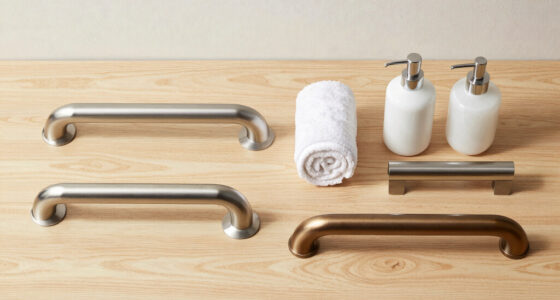
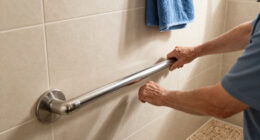
A towel bar is not a grab bar, and a suction-cup accessory should not be treated as one. A seat supports someone while sitting; a handhold serves a different purpose when they sit, stand or balance. If a person needs that support, a properly selected and installed grab bar may be part of the bathroom plan. A professional can help assess placement alongside the seat, especially if the user has particular balance or transfer needs.
Make the rest of the shower easier to use
A shower seat works best as one part of a setup that lets you enter, sit, wash and stand with fewer awkward reaches. Think about floor grip, reachable controls and handholds alongside the seat. A well-placed chair can still be frustrating if you must stretch across the stall to turn on the water or step around a slippery patch. Looking at the full routine helps reveal which change would make the biggest difference rather than adding accessories that compete for scarce space.
Consider someone who uses a handheld shower head while seated. If its holder sits high on the opposite wall, the person may need to lean or twist to reach it. That movement can be uncomfortable or unsteady, and the seat alone does not solve it. Moving reachable items within an appropriate layout can make the routine feel calmer, while a qualified professional can advise on grab-bar placement based on the user and bathroom.
- Keep the route clear: move bottles and baskets away from the entrance and the seat’s footprint. This preserves room to step in and gives a helper space to assist.
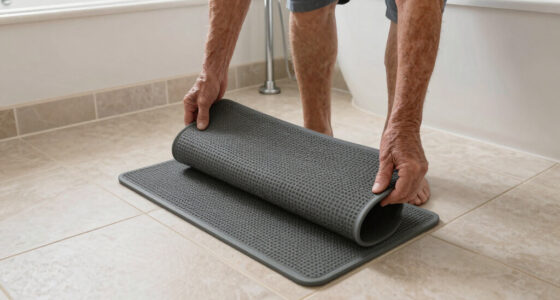
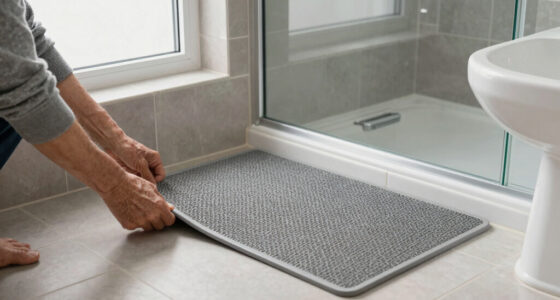
- Check the floor: use suitable slip-resistant flooring or products designed for the shower surface, following their instructions. A product that is unsuitable for the surface may not provide the grip you expect.
- Place controls within reach: consider whether the user can operate them from the seat without leaning far. Reachable controls can reduce twisting and make it easier to adjust or stop the water.
- Plan handholds separately: use grab bars selected and installed for that purpose, not a towel bar or suction-cup accessory. Their location should support the person’s movements without making the seat or entry harder to access.
For instance, in a small shower with a seat in one corner, a simple wall-mounted basket near the controls may keep shampoo from sliding off the ledge. But even useful storage can crowd a seat or narrow the route, so check the layout with the person’s usual movements in mind. The goal is a setup that supports the person’s routine and preserves privacy and independence as much as possible.
Keep the seat clean and ready for daily use
A seat that drains and dries easily is simpler to maintain in a damp bathroom. Look for water-resistant materials, smooth surfaces and drainage openings where appropriate; common options include suitable plastics and corrosion-resistant metal. Ease of cleaning matters because soap residue and standing water can collect around joints or feet, making upkeep harder and hiding wear. Product materials and care instructions vary, so follow the manufacturer’s directions instead of assuming every cleaner is safe for every finish.
After a shower, rinse away soap and hair, then wipe or let the seat dry according to its care instructions. For example, a folding seat in a household shower may collect water where the seat meets the wall; a quick check of that joint can help you spot residue or moisture that would otherwise go unnoticed. Pay attention to hinges, fasteners, feet and joints as well as the sitting surface, since those areas affect how the seat opens, stays in position and rests on the floor.
Cleaning also gives you a regular chance to inspect the seat. Look for loose hardware, cracked plastic, worn feet, rust or a change in how the seat feels when opened. A change in movement may signal that a part is wearing or a fastener has loosened, even if the sitting surface looks clean. If anything shifts or appears damaged, stop using it until the manufacturer’s guidance or a qualified installer can help resolve the issue.
A compact seat does not have to mean complicated upkeep. Smooth, open surfaces are often easier to wipe than designs with many small crevices, though comfort and support still matter. When comparing models, consider whether the features that improve comfort also add seams or joints that need attention. A short routine after use can keep the area pleasant and help you notice wear early, without turning bathroom care into a major project.
Frequently Asked Questions
What type of shower seat works best in a very small bathroom?
A folding wall seat can free up floor space when not in use, if the wall has suitable structural support and the seat is installed correctly. A narrow freestanding stool or corner seat may suit a different layout, so compare the actual footprint and entry clearance before choosing.
How much space do I need for a shower seat?
There is no single clearance that fits every shower and user. Measure the usable width and depth, then account for the seat, door swing, controls, drain, entry path and the room needed to sit and stand. Marking the proposed footprint with tape can help you see whether it crowds the shower.
Is a folding wall seat safer than a freestanding chair?
Neither style is automatically safer for everyone. A wall seat depends on secure installation into appropriate structural support, while a freestanding chair depends on stable placement and suitable non-slip feet. Fit, installation, product instructions and the user’s needs all matter.
Can I install a shower seat on a tiled wall?
Tile alone is not adequate support for a wall-mounted seat. The seat must attach to suitable structural support behind the finished wall, using hardware and methods appropriate to the product. If you are unsure about the wall construction, ask a qualified installer.
Should I add grab bars with a shower seat?
A seat and grab bars can serve different purposes: the seat supports sitting, while a properly selected and installed grab bar provides a handhold. A towel bar or suction-cup accessory should not be treated as a grab bar. A qualified professional can help assess placement for the person and shower.
What should I check when buying a shower seat for an older adult?
Check the seat’s dimensions, height, stability features and stated weight capacity against the intended user’s needs, and see whether arms or a backrest help or take up too much room. If balance, mobility or transfers are a concern, ask a qualified occupational therapist or clinician for advice on the bathroom setup.
Conclusion
Start with the shower you have: measure its clear space, mark the seat footprint and check how you will enter, sit and reach the controls. Then choose a folding, freestanding or corner design that fits the person as well as the room, and get qualified help when installation or transfer needs are uncertain.
A small bathroom can still feel open and comfortable when each item earns its place. The best seat is the one that gives you support while leaving a clear path to the warm water.